Hurricane Fiona
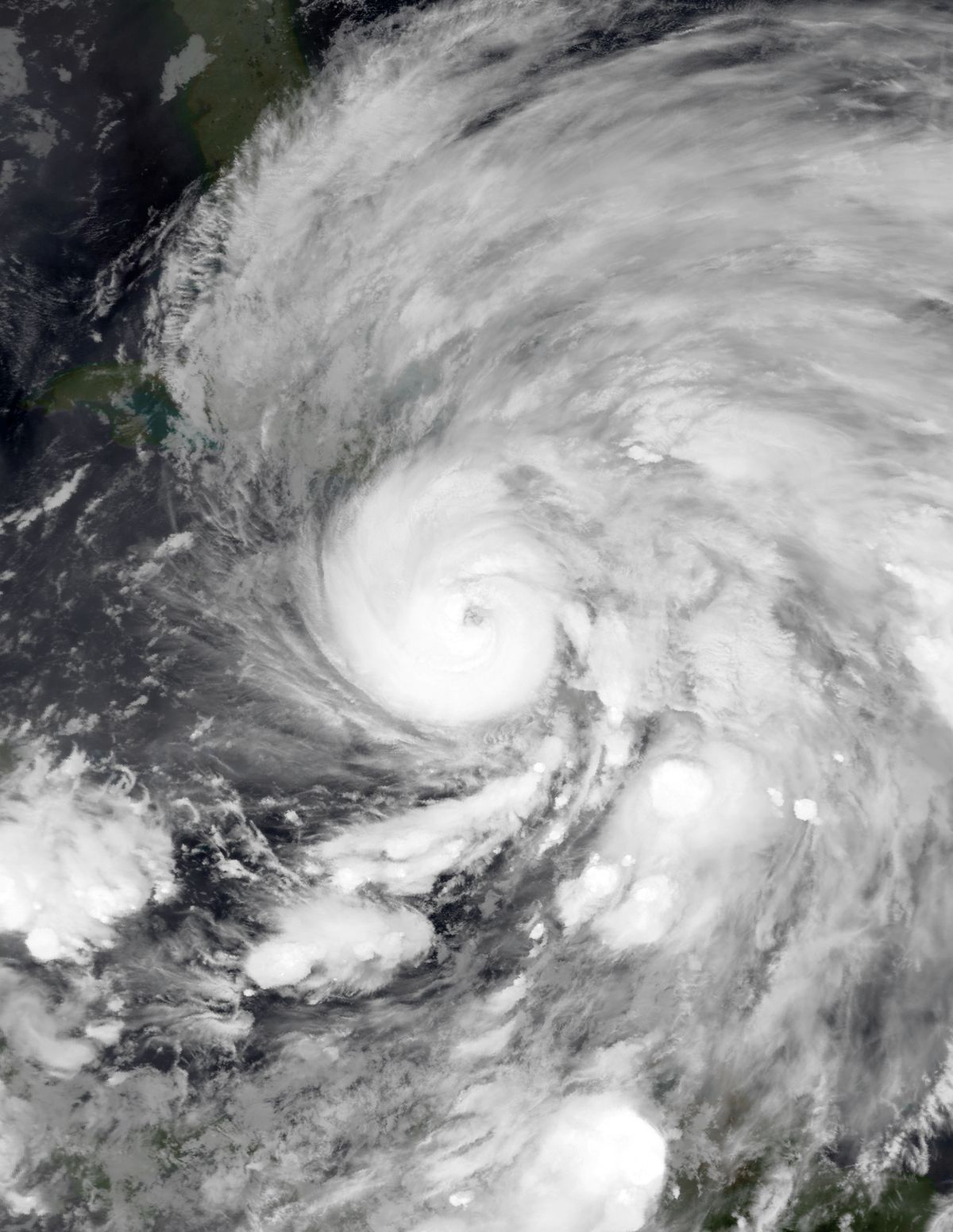
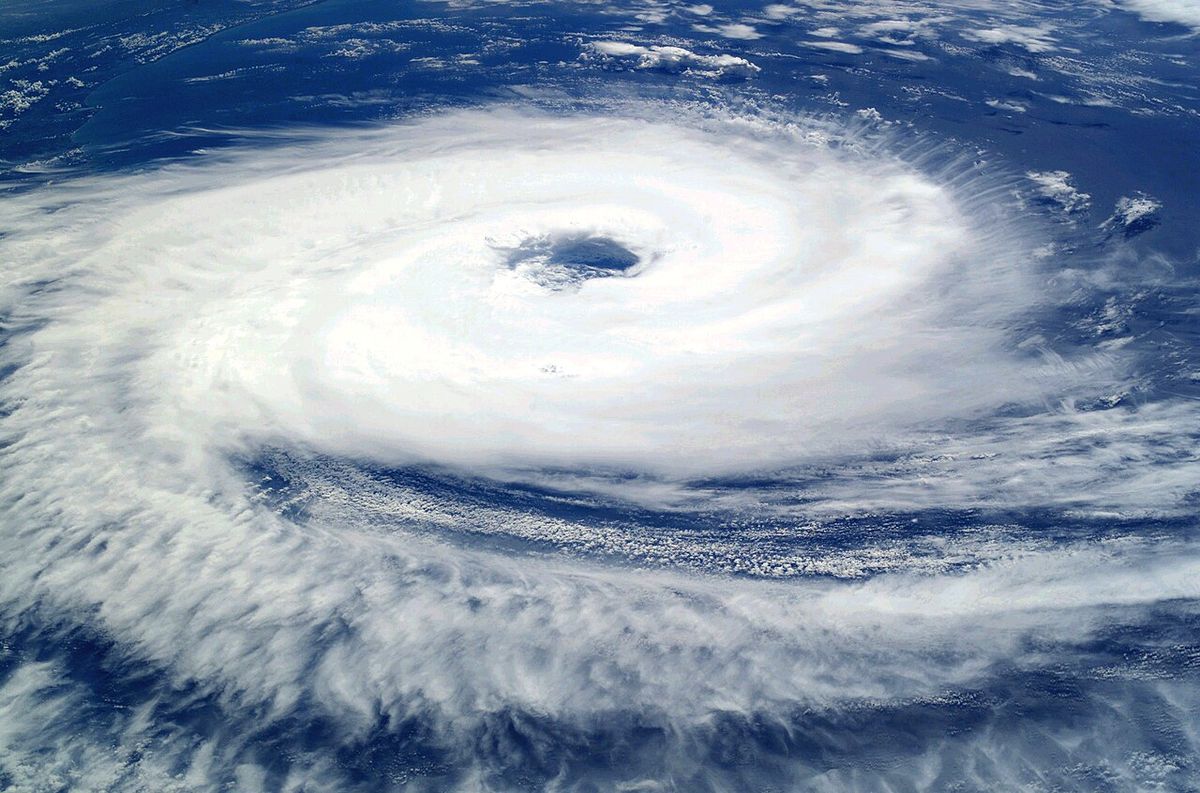
Hurricane Fiona was a large, powerful and destructive tropical cyclone that affected the Caribbean, Bermuda and Atlantic Canada in September 2022. It was the sixth named storm, third hurricane and first major hurricane of the 2022 Atlantic hurricane season. The storm caused at least 29 deaths and an estimated US$3 billion in damages across seven countries, with Puerto Rico suffering the most severe impacts. In Canada, Fiona made landfall in Nova Scotia as a post-tropical cyclone with hurricane-force winds, setting a national record for the lowest barometric pressure ever recorded from a landfalling storm and becoming the costliest cyclone in Canadian history until that record was broken in 2024.
Meteorological history
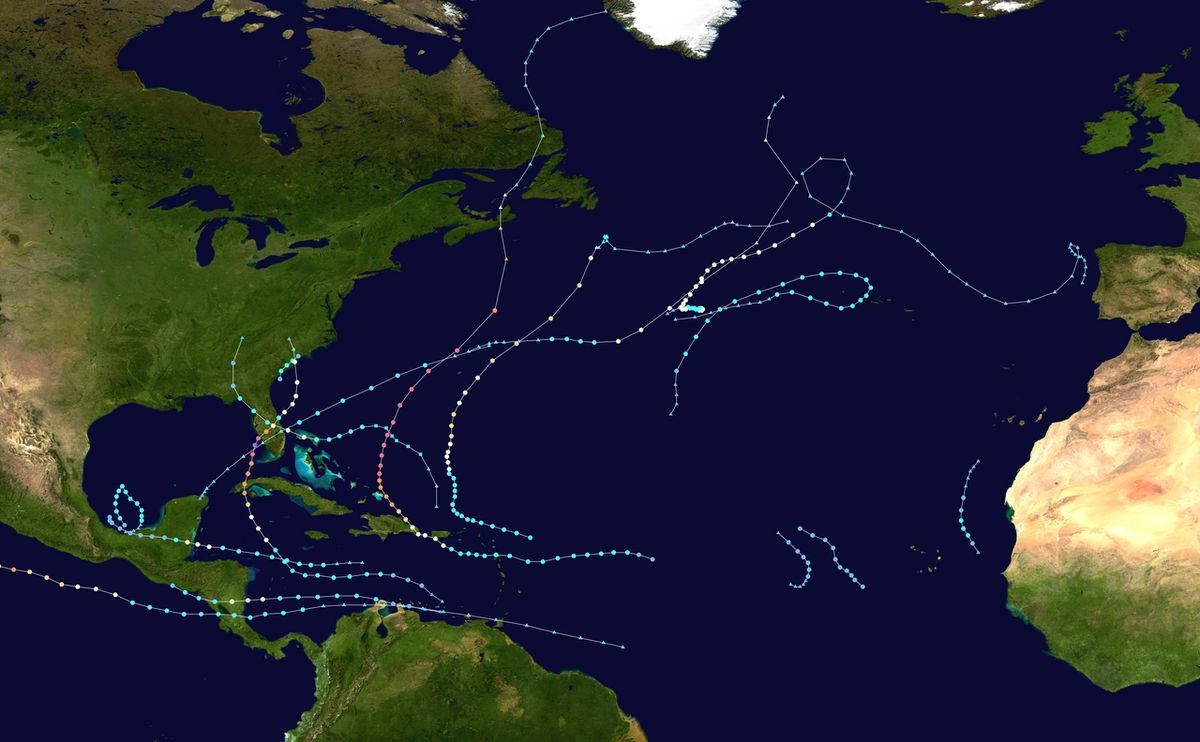
Hurricane Fiona originated from a tropical wave that emerged from West Africa. The National Hurricane Center began monitoring it on September 12, 2022, and it developed into Tropical Depression Seven east of the Leeward Islands on September 14. Despite facing moderate wind shear, the system strengthened into Tropical Storm Fiona later that same day. The storm passed over Guadeloupe on September 16 with winds of 50 mph before entering the Caribbean Sea. Atmospheric conditions improved as Fiona approached Puerto Rico, allowing it to strengthen into a hurricane on September 18. The eye of Fiona made landfall along the southwestern coast of Puerto Rico near Punta Tocon between Lajas and Cabo Rojo at 19:20 UTC that day with maximum sustained winds of 85 mph. The storm then crossed the Mona Passage and made a second landfall in the Dominican Republic near Boca de Yuma at 07:30 UTC on September 19 with winds of 90 mph.
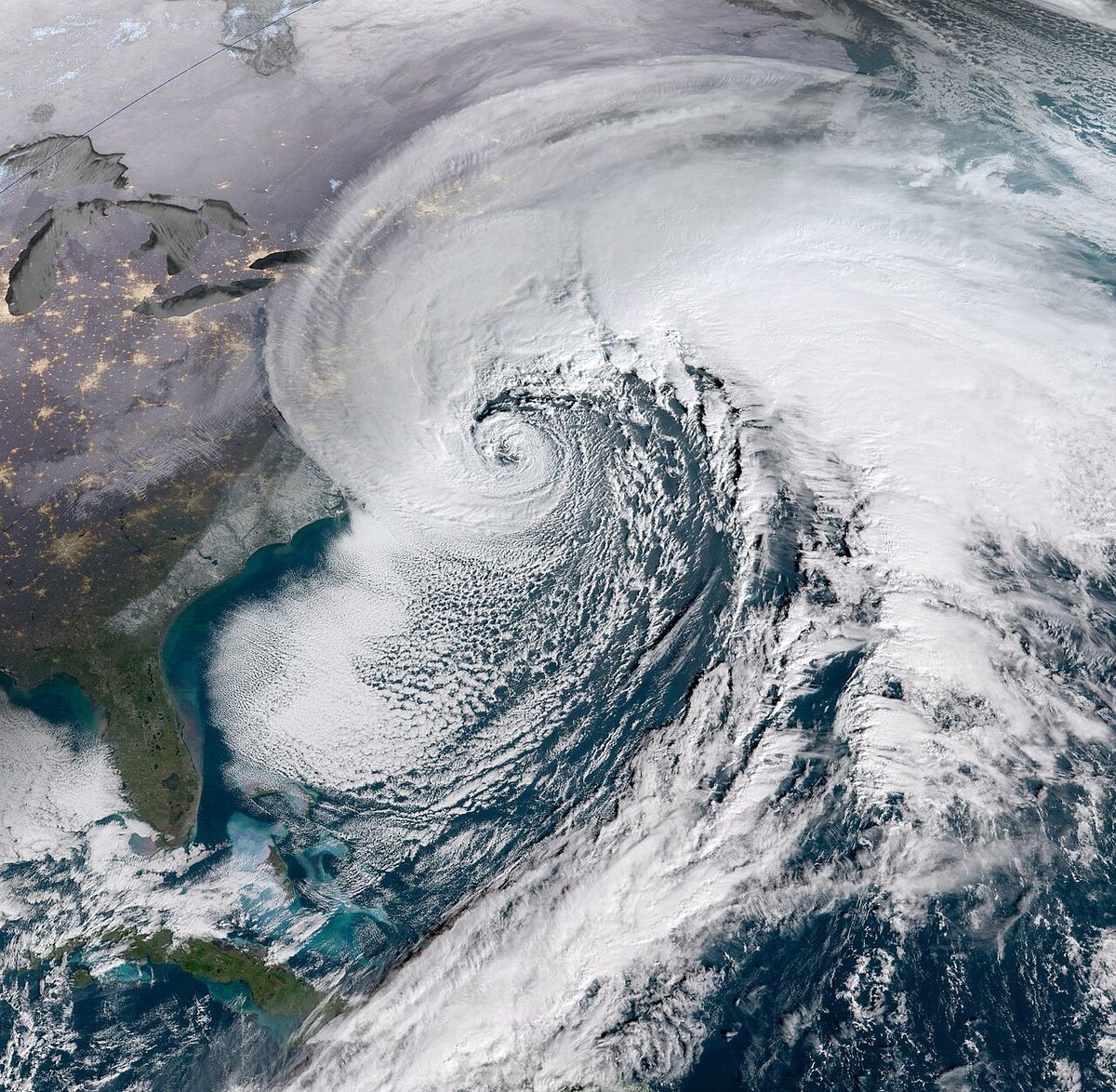
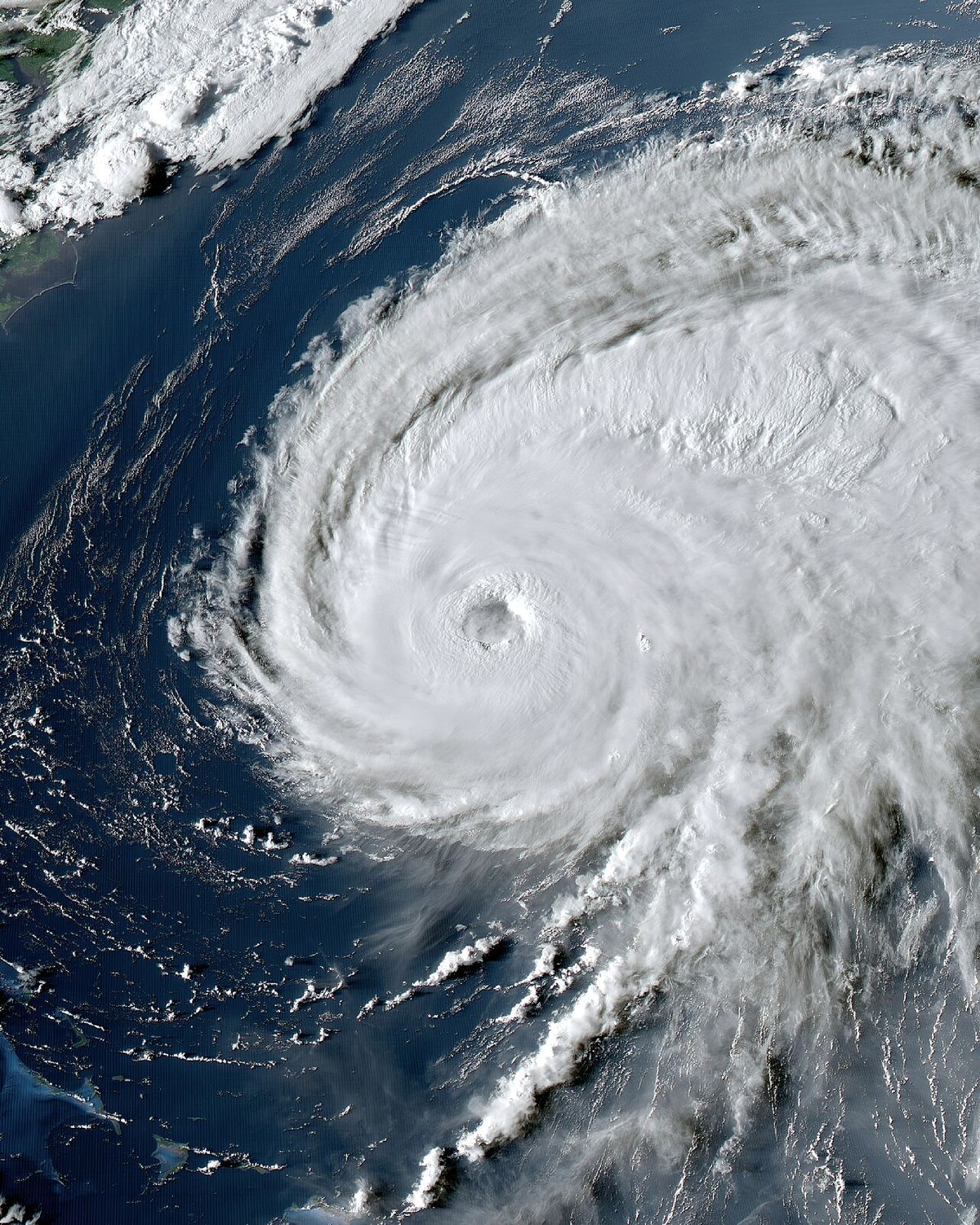
After moving back over the Atlantic, Fiona began to intensify rapidly. It reached Category 3 status, becoming the season's first major hurricane, at 06:00 UTC on September 20. Gradual strengthening continued and Fiona became a Category 4 hurricane at 06:00 UTC on September 21. The storm reached its peak intensity with 1-minute sustained winds of 140 mph and a minimum central pressure of 931 mbar by 00:00 UTC on September 23. At this intensity, Fiona was the most intense Category 4 Atlantic hurricane on record at such a northerly latitude. The storm began to interact with a mid to upper level trough, which caused it to accelerate north northeast and transition into a post tropical cyclone while still maintaining major hurricane force winds. At 07:00 UTC on September 24, the centre of post tropical Fiona made landfall on the Canso Peninsula in Nova Scotia near Whitehead with estimated sustained winds of 100 mph. A pressure of 931 mbar was estimated at landfall, setting a new Canadian record for the lowest pressure associated with a landfalling post tropical cyclone. The storm then moved over Cape Breton Island and Prince Edward Island before weakening over the Gulf of St Lawrence and dissipating west of Greenland on September 27.
Preparations and warnings
As Fiona developed, tropical storm watches and warnings were issued for numerous Caribbean islands including Saba, St Eustatius, St Maarten, Antigua and Barbuda, St Kitts and Nevis, Montserrat, Anguilla, Guadeloupe, St Barthelemy and St Martin. Warnings extended to Puerto Rico and the US Virgin Islands as the storm moved west. The first hurricane watches were issued for Puerto Rico on September 17, which were soon upgraded to a hurricane warning and extended to the US Virgin Islands, prompting the closure of Virgin Islands National Park. Hurricane watches were also issued for parts of the Dominican Republic. As Fiona approached Atlantic Canada, the Canadian Hurricane Centre issued severe warnings for heavy rainfall and hurricane force winds. Meteorologist Bob Robichaud of Environment and Climate Change Canada stated the storm would be one that everybody remembers. The unprecedented strength of the storm led to the temporary closure of Kejimkujik National Park in Nova Scotia in anticipation of the extreme conditions.
Impact in the Caribbean
The cyclone caused widespread damage and loss of life across multiple Caribbean nations. In Guadeloupe, the storm brought near record rainfall at rates exceeding 150 mm per hour in some places, washing away roads and bridges. One person died when his house was washed away by floods near the Rivière des Pères. Puerto Rico suffered catastrophic impacts, experiencing the worst flooding since Hurricane Maria in 2017. The entire island lost power on September 18 after all aspects of the electrical grid were damaged, with preliminary assessments indicating over US$2 billion in damage to the grid alone. A gauge near Ponce measured 31.34 inches of rain, and winds gusted to 113 mph. A million people, about 33 percent of the population, were left without drinking water, and widespread landslides and crop destruction occurred. Total damage across the territory was estimated at US$2.5 billion, and at least 21 deaths in Puerto Rico were attributed to the hurricane.
In the Dominican Republic, Hurricane Fiona was the first hurricane to make landfall in the country in 18 years. President Luis Abinader declared a state of emergency in eight provinces. Over one million people were left without running water and 350,000 were without electricity. Widespread rainfall of 8 to 16 inches drenched the country, causing at least two deaths and destroying over 8,300 homes. Damage was calculated at 25.1 billion pesos, equivalent to US$471 million. The Turks and Caicos Islands experienced severe telecommunications disruptions and power outages, with total blackouts reported in North Caicos, Middle Caicos, South Caicos, Grand Turk and Salt Cay. The storm also forced the rescheduling of a women's cricket tour in Antigua.
Impact in Atlantic Canada
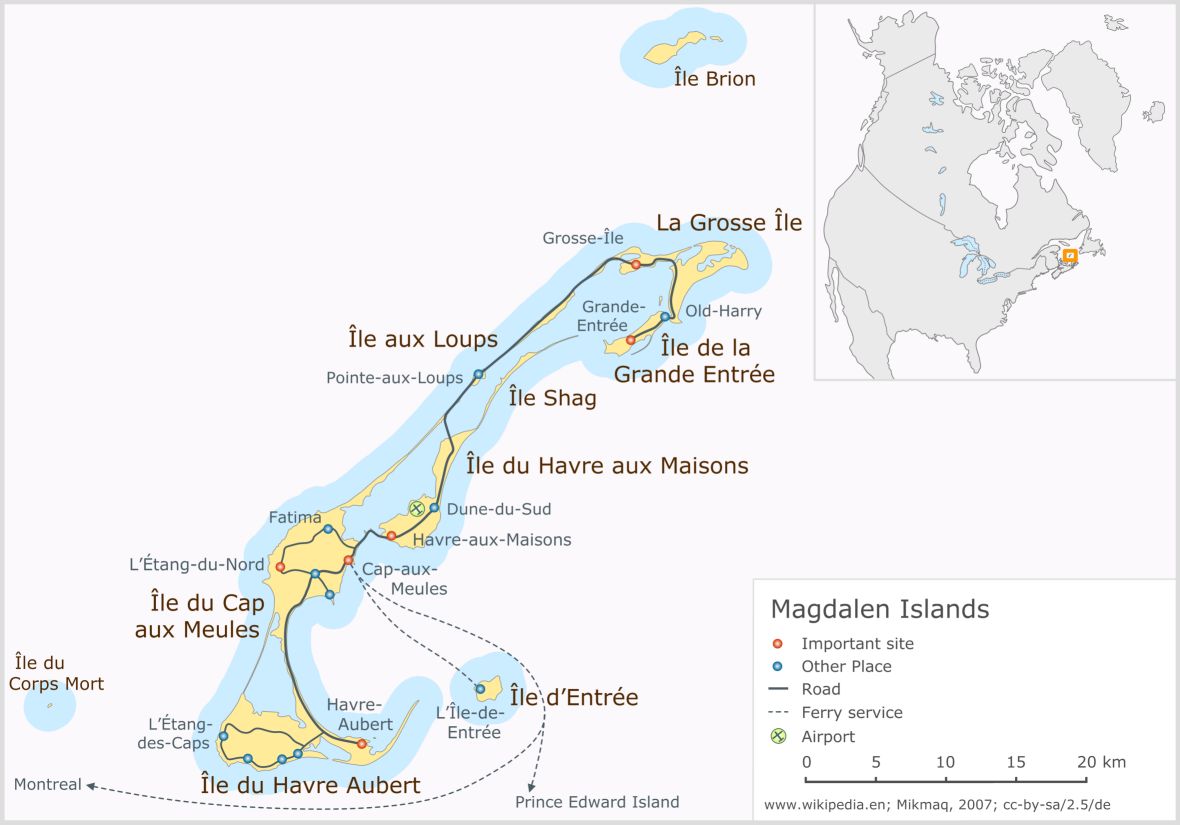
Hurricane Fiona made a historic and devastating impact on Atlantic Canada as a post tropical cyclone. It made landfall in Nova Scotia on the morning of September 24 with sustained winds comparable to a Category 2 hurricane. The storm set a new national record for the lowest barometric pressure ever recorded from a landfalling cyclone in Canada, with a pressure of 932.7 mbar measured on Hart Island. Extreme wind gusts were recorded across the region, with a peak of 179 km/h in Arisaig, Nova Scotia. Other notable gusts included 180 km/h at Wreckhouse, Newfoundland and Labrador, 150 km/h at East Point, Prince Edward Island, 126 km/h on the Magdalen Islands of Quebec, and 109 km/h on Miscou Island in New Brunswick. The storm generated enormous waves, with a buoy on the Banquereau Bank registering peak waves as high as 30 metres.
Destructive storm surge led to record high water levels at Escuminac, New Brunswick, and Channel Port aux Basques, Newfoundland. Rainfall was less than anticipated but still significant, with eastern Nova Scotia receiving between 100 and 200 mm. The storm caused major flooding in Quebec's Magdalen Islands, southeastern New Brunswick, Prince Edward Island, northeastern Nova Scotia, and southern Newfoundland. Widespread tree damage occurred, and the storm left more than 500,000 customers without power, including 80 percent of Nova Scotia customers and 95 percent of Prince Edward Island customers. The human toll in Canada included three confirmed fatalities. A woman in Port aux Basques, Newfoundland, was killed when her home was destroyed and she was swept into the ocean. Another person died of carbon monoxide poisoning while operating a generator in Prince Edward Island. A man in Lower Prospect, Nova Scotia, was swept out to sea and presumed dead.
Significant property damage occurred, with at least 100 homes damaged or destroyed in Newfoundland, displacing over 200 people. A well known rock formation and local tourist attraction on the coast near Thunder Cove, Prince Edward Island, called Teacup Rock, was destroyed by the storm. The province's dune system suffered severe erosion, particularly within Prince Edward Island National Park. Damage in Canada was estimated to exceed C$845 million, making it the costliest weather event in Atlantic Canadian history at the time.
- Record low pressure for a Canadian landfalling storm: 932.7 mbar.
- Peak wind gust in Canada: 179 km/h at Arisaig, Nova Scotia.
- Customers without power: over 500,000 across Atlantic Canada.
- Fatalities in Canada: 3 confirmed.
- Estimated damage in Canada: C$845 million.
Aftermath and recovery
In the immediate aftermath, recovery efforts across the affected regions were massive. In Puerto Rico, at least 670 people were rescued from impacted sites following the deluge. United States President Joe Biden approved a major disaster declaration for the island, allowing Federal Emergency Management Agency funding for search and rescue, debris removal, and shelter and food for a month. By September 22, 470 people and 48 pets remained in shelters. FEMA assistance was authorized for survivors in 55 municipalities, with public assistance available in all 78 municipalities. Relief supplies distributed included 7 million litres of water, 4 million ready to eat meals, over 215 generators and 100,000 tarps. A delegation from United Hatzalah of Israel arrived to provide psychological and emotional stabilization to storm victims, working with local organizations in municipalities like Anasco and Loiza.
In Canada, the scale of the damage prompted official responses. Quebec's Deputy Premier Geneviève Guilbault flew to the Magdalen Islands on September 25 to view the storm damage firsthand. The extensive power outages required a multi day restoration effort by utility crews across the Atlantic provinces. The destruction in Channel Port aux Basques, Newfoundland, where homes were washed into the sea, highlighted the vulnerability of coastal communities to such extreme storms. The event demonstrated the increasing financial and human costs of severe weather in Canada, with Fiona ranking as the seventh costliest weather event nationwide when adjusted for inflation.
Records and statistics
Hurricane Fiona set several significant meteorological records during its lifecycle. It was the most intense post tropical cyclone to hit Canada on record based on atmospheric pressure. The estimated central pressure of 931 mbar at Canadian landfall broke the previous national record. Fiona was also the most intense Category 4 Atlantic hurricane on record at such a northerly latitude. The storm generated some of the largest waves ever recorded in the region, with satellite data and buoy reports indicating average wave heights of 12 to 15 metres and peak waves as high as 30 metres over Banquereau Bank. The table below summarizes key intensity milestones and impacts.
| Metric | Measurement | Location/Note |
|---|---|---|
| Peak Sustained Winds | 140 mph (220 km/h) | Category 4 hurricane |
| Lowest Pressure | 931 mbar | Peak tropical intensity |
| Landfall Pressure (Canada) | 931 mbar (est.) | Record for a Canadian landfall |
| Peak Wind Gust (Canada) | 179 km/h (111 mph) | Arisaig, Nova Scotia |
| Maximum Wave Height | 30 m (98 ft) | Banquereau Bank buoy |
| Rainfall (Puerto Rico) | 796.0 mm (31.34 in) | Gauge near Ponce |
Questions about Hurricane Fiona
How many people died because of Hurricane Fiona?
Hurricane Fiona caused at least 29 confirmed deaths across the Caribbean and Canada. The majority of the fatalities, at least 25 people, occurred in Puerto Rico. In Canada, at least two deaths were directly attributed to the storm. One woman in Port aux Basques, Newfoundland, was swept into the ocean when her home was destroyed, and another person died from carbon monoxide poisoning.
What was the financial cost of Hurricane Fiona?
The total damage from Hurricane Fiona across all affected regions was estimated at US$3 billion. In Puerto Rico alone, damage was estimated at US$2.5 billion, with over US$2 billion in damage to the electrical grid. In Canada, insured damage was estimated to exceed C$845 million, equivalent to roughly US$622 million. This made it the costliest cyclone in Canadian history until the record was broken by another storm in 2024.
How did Hurricane Fiona affect Puerto Rico's power grid?
Hurricane Fiona caused a complete, island wide blackout in Puerto Rico on September 18, 2022. All aspects of the electrical grid were damaged, including substations and high voltage power lines. Preliminary assessments indicated the grid suffered more than US$2 billion in damage. Two days after the storm, less than 10 percent of customers had their power restored, and a third of the population was left without drinking water due to the widespread damage.
What records did Hurricane Fiona break?
Hurricane Fiona broke several records. It was the most intense post tropical cyclone to hit Canada on record, based on a landfall pressure of 931 mbar. It was the most intense Category 4 Atlantic hurricane ever recorded at such a northerly latitude. In Canada, it set the all time low pressure record for any landfalling cyclone. The storm also generated enormous waves, with a buoy reporting peak waves of 30 metres, and caused record high water levels due to storm surge in parts of New Brunswick and Newfoundland.
When did Hurricane Fiona hit Canada?
Hurricane Fiona struck Canada early on the morning of September 24, 2022. The centre of the storm made landfall as a post tropical cyclone on the Canso Peninsula in Nova Scotia near Whitehead with sustained winds of 100 mph. This event marked the landfall of the most intense post tropical cyclone on record in Canada based on atmospheric pressure. The storm then moved over Cape Breton Island and Prince Edward Island, affecting Atlantic Canada and Quebec. It caused widespread damage and power outages before weakening over the Gulf of Saint Lawrence.
Why was Hurricane Fiona so significant for Canada?
Hurricane Fiona was deeply significant for Canada as it set multiple historical records. It was the most intense post tropical cyclone to ever hit the country, based on a record low atmospheric pressure of 931 mbar measured at landfall. This storm also became the costliest cyclone in Canadian history at the time, causing over C$845 million in damages, a record later broken in 2024. It generated hurricane force winds across multiple provinces, left over 500,000 customers without power, and caused severe coastal erosion and flooding, particularly in Prince Edward Island National Park.
Sources and further reading
- Hurricane Fiona (Wikipedia)
- How Fiona became a record-breaking Canadian storm (cbc.ca)
- Hurricane Fiona | Earth and Atmospheric Sciences (ebsco.com)
- Hurricane Fiona in Atlantic Canada (firstonsite.com)
- Hurricane Fiona causes catastrophic damage from the ... (wck.org)
Checked by the Your Space Hamilton desk. Last updated 2026-10-21.