Canadian Arctic tundra
The Canadian Arctic tundra is a vast, treeless biome encompassing the northernmost reaches of Canada, stretching from the Yukon across the Northwest Territories and Nunavut to northern Quebec and Labrador. Characterized by permafrost, extreme cold, a short growing season, and low precipitation, this region is a defining feature of Canada's northern geography and a critical component of global climate systems. It is the traditional homeland of Inuit peoples and supports a unique ecosystem of highly adapted flora and fauna. The tundra is now experiencing rapid environmental change, with warming temperatures and shifting weather patterns posing significant challenges to its delicate balance.
Geography and Major Regions
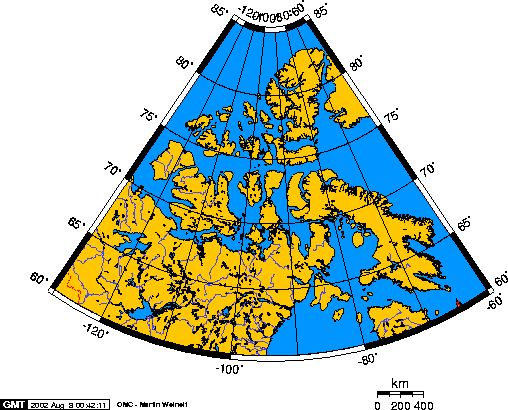
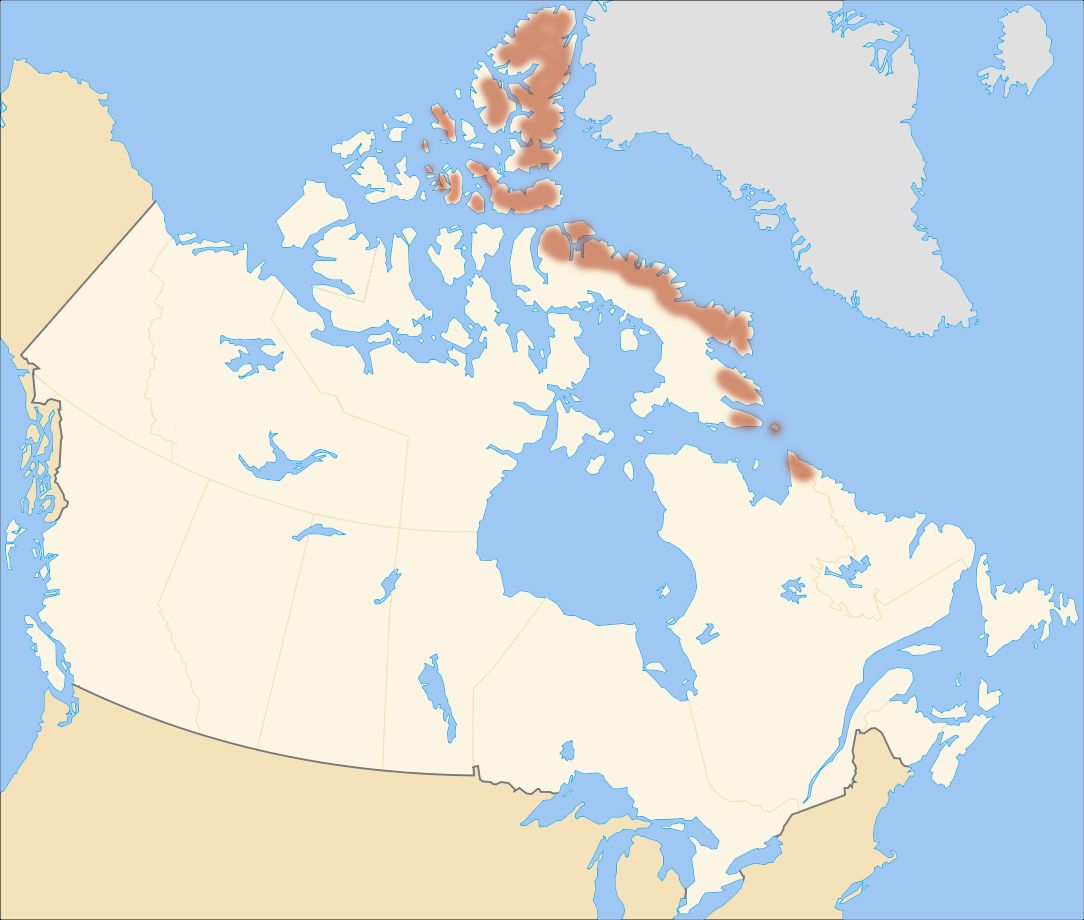
This biome lies almost entirely north of the tree line, the ecological boundary where forest gives way to open, treeless plains. The terrain is not uniform but is divided into distinct biogeographical regions based on geology, climate, and vegetation. The mainland Arctic coastal tundra and Lowlands border the Beaufort Sea and Hudson Bay, featuring countless lakes, rivers, and a rugged coastline. To the north, the islands of the Arctic Archipelago form the bulk of the High Arctic, a region of ice caps, mountain ranges, and stark plateaus. This archipelago is itself subdivided into three major ecoregions with unique characteristics.
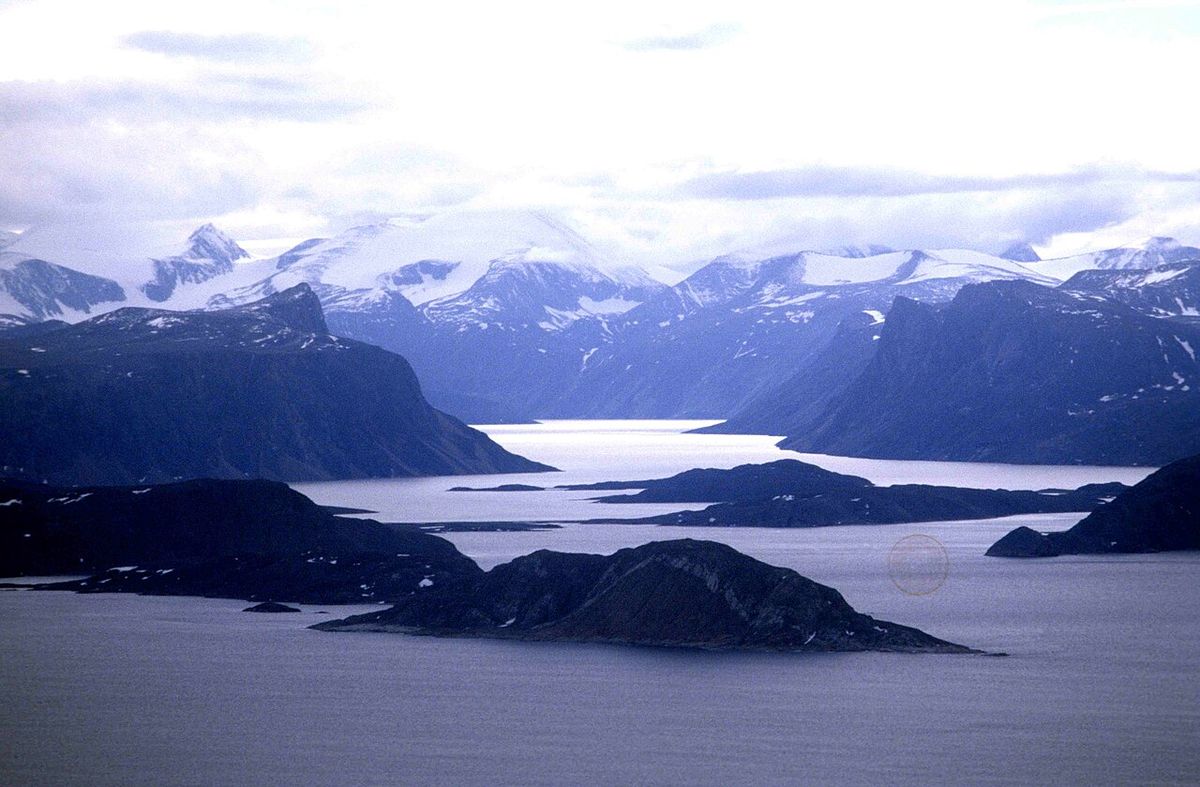
The Arctic Cordillera is a mountainous spine running along the northeastern edge of the archipelago from Ellesmere Island to northern Labrador. It is a polar desert dominated by high, glaciated peaks like Barbeau Peak, Canada's highest point north of the Arctic Circle, and extensive ice caps. The Northern Arctic ecoregion covers much of the central and northern islands, representing the coldest and driest part of Canada, where lichens and hardy herbs dominate the sparse vegetation. The Southern Arctic forms a transition zone on the mainland and southern islands, featuring a more varied terrain of low shrubs, sedge meadows, and countless ponds and lakes. Stunted trees, known as Krummholz, can be found in sheltered river valleys in this region.
Geology and Permafrost
The underlying geology of the Canadian Arctic is ancient and complex, shaped by tectonic forces over hundreds of millions of years and repeatedly sculpted by glaciation. The region spans several major physiographic divisions, including the ancient Canadian Shield, the Interior Platform, and the younger Innuitian and Cordilleran mountain ranges. This geological history has produced a surface of exposed bedrock, glacial deposits, and stratified sediments. The most defining surface feature is permafrost, ground that remains frozen for at least two consecutive years. Permafrost is fundamental to the tundra ecosystem, governing hydrology, soil stability, and vegetation patterns. Its distribution is classified into zones of continuous, discontinuous, and sporadic coverage, with the continuous zone underlying 90 to 100 percent of the terrain in the highest Arctic latitudes.
The depth of permafrost can vary dramatically, from less than a metre to over 1,500 metres in some areas. The active layer, the top section of soil that thaws seasonally, supports plant life and microbial activity. The interaction between the frozen ground and seasonal freeze-thaw cycles creates distinctive patterned ground features like ice wedges and polygonal shapes. Soils are generally thin and nutrient-poor, consisting of glacial till, marine sediments in coastal areas, and loose rocky material. In the Southern Arctic, finely-textured marine sediments and various glacial deposits are common, while the Arctic Cordillera features large areas of exposed bedrock with minimal soil development.
Climate and Growing Conditions
The climate of the Canadian Arctic tundra is among the most severe on the planet, defined by long, bitterly cold winters and brief, cool summers. Midsummer shade temperatures on the mainland can occasionally reach 30 °C, but average summer temperatures in the archipelago are typically below 10 °C. Winter temperatures routinely plunge below -50 °C, with considerable differences often existing between air temperature and ground surface temperature due to wind and solar radiation. Despite low annual precipitation, often classifying the region as a polar desert, poor drainage caused by permafrost leads to widespread saturation, creating innumerable wetlands, ponds, and lakes during the thaw period. The growing season is exceptionally short, lasting only 50 to 60 days during the midsummer period of near-constant daylight.
This harsh environment favours organisms with specialized adaptations for cold tolerance, wind resistance, and rapid life cycles. Precipitation averages are low, around 110 mm per season, but the permafrost prevents deep drainage and evaporation, meaning the terrain holds vast quantities of fresh water in its frozen and liquid states. These extreme conditions collectively inhibit tree growth, giving the tundra its characteristic open, treeless appearance and supporting an ecosystem built on low-lying vegetation, lichens, and mosses. The brief summer warmth triggers a burst of biological activity, but the window for growth and reproduction is extremely narrow.
Flora and Plant Adaptations
The flora of the Canadian Arctic tundra exhibits low species diversity but a high degree of specialization for survival. Recent surveys have identified around 400 species of vascular plants in the region, along with numerous mosses and lichens. Endemism is relatively low, with approximately 106 endemic vascular plant species recorded, including 34 in central Northern Canada and 28 on Ellesmere Island. Plants have evolved a suite of adaptations to cope with the extreme environment, including reduced leaf size to minimize water loss, hairy or mat-forming growth habits for protection from wind and cold, and extensive root systems to store nutrients. In the polar desert conditions of the high Arctic Cordillera, vegetation is extremely sparse, limited to patches of moss, lichen, Arctic poppy, sedge, and cotton grass.
In the more hospitable Southern Arctic, low-lying deciduous and evergreen shrubs become common. Dwarf birch, Arctic willow, northern Labrador tea, and various species of Dryas and Vaccinium form sprawling shrublands. In waterlogged areas, substantial cover of moss, willow, and sedge provides crucial habitat. The southern fringe of the tundra is a dynamic transition zone where scattered, stunted spruce trees mark the beginning of the boreal forest. While invasive species have generally had difficulty establishing themselves, a few, such as the common dandelion, have successfully colonized disturbed areas like roadsides and beaches on islands like Baffin.
- Key shrub species: Dwarf birch, Arctic willow, northern Labrador tea.
- Common herbaceous plants: Purple saxifrage, Arctic poppy, cotton grass, sedges.
- Notable endemic plants: Yukon Whitlow-grass (Draba yukonensis), Long's northern rockcress (Braya longyi).
- Dominant non-vascular plants: Various lichens and mosses, which are foundational to the ecosystem.
- Invasive species: Common dandelion, barley, shepherd's purse, opium poppy.
Wildlife and Migratory Patterns
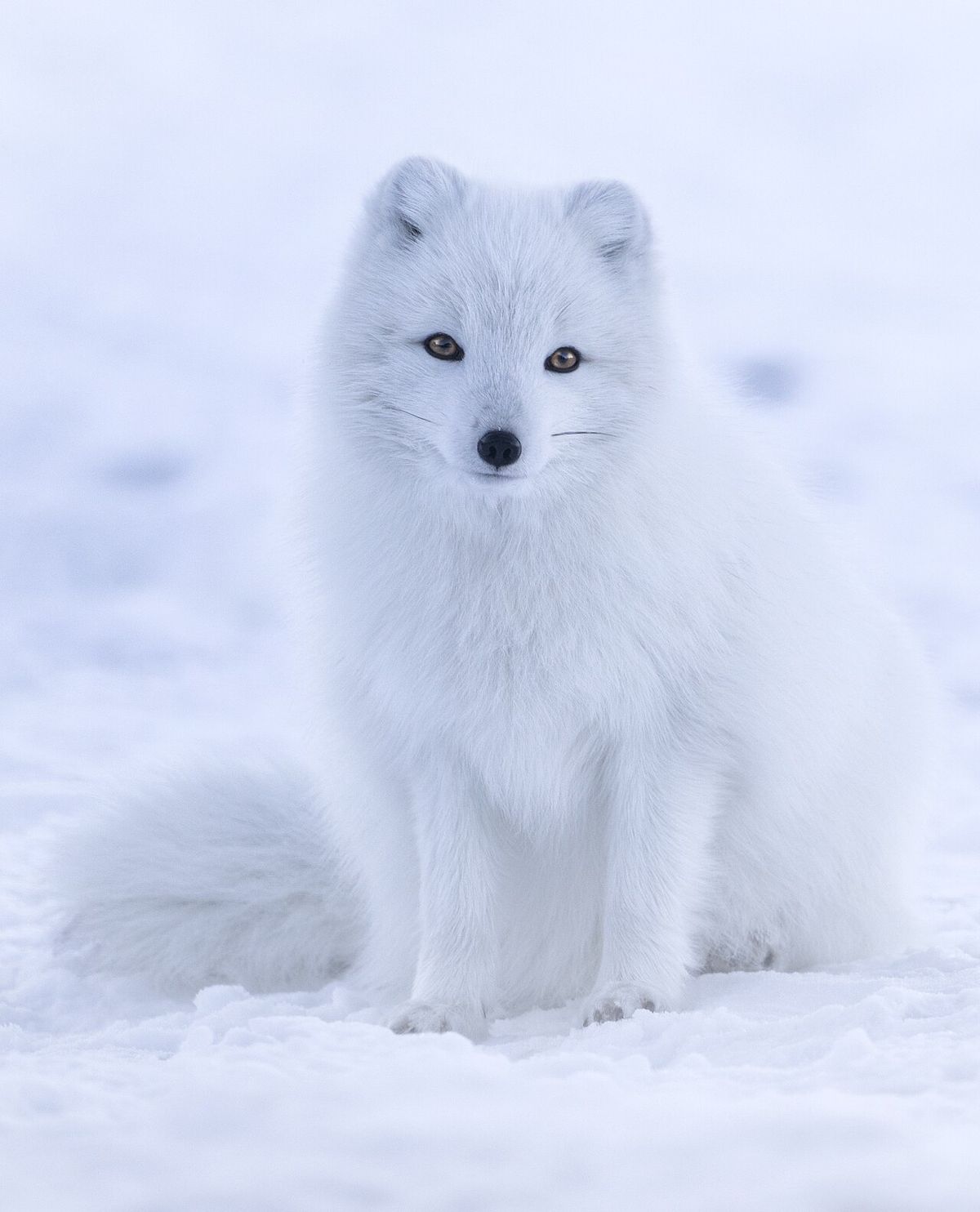
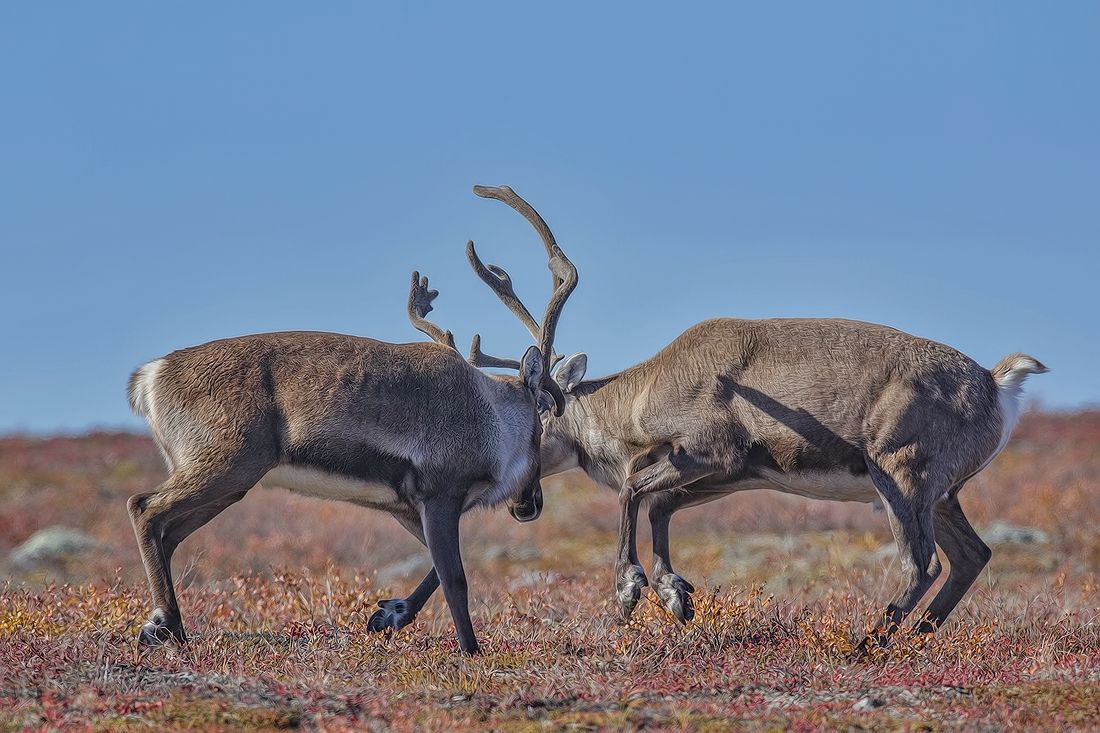
The faunal community of the tundra is a mix of year-round residents and seasonal migrants, many with evolutionary histories linked to the Pleistocene-era Beringia land bridge. Large mammals are well-known symbols of the region. An estimated 3 million boreal woodland caribou roam the tundra, forming the primary prey for Arctic wolves. The Canadian Arctic hosts two of the world's three largest sub-populations of polar bears, with a global population of about 26,000. Other resident mammals include the abundant Arctic fox, muskox, Arctic hare, and diverse lemming species. Brown bears, including grizzly bears, and species like the red fox and wolverine have expanded their ranges northward from forested areas. The brief summer triggers an incredible influx of migratory birds, including ducks, geese, shorebirds, jaegers, gulls, terns, and songbirds, which nest in the mosaic of wetlands and shrublands.
Only a few bird species, such as the snowy owl and the common raven, remain through the harsh winter. Marine life in adjacent waters is equally vital, featuring species like the narwhal, walrus, ringed seal, and the long-lived Greenland shark. Insect life, though limited, includes Arctic bumblebees (Bombus polaris and B. hyperboreus), mosquitoes, and black flies, which emerge in great numbers during the thaw. The table below summarizes population estimates for key tundra mammal species.
| Species | Estimated Population | Notes |
|---|---|---|
| Polar Bear | 26,000 (global) | Two largest sub-populations in Canadian Arctic |
| Arctic Fox | ~100,000 | Abundant throughout the region |
| Muskox | Present across mainland and islands | Population data not included in notes |
Human Presence and Communities
The Canadian Arctic tundra has been inhabited for millennia, first by Indigenous peoples whose descendants, the Inuit, continue to live across Nunavut, Nunavik (northern Quebec), Nunatsiavut (northern Labrador), and the Northwest Territories. European colonization began in the late 17th century with the fur trade, establishing small, resource-dependent settlements that have evolved into modern communities. Despite the vast land area, the population remains very small, with the entire northern region corresponding to the tundra having a population of 107,265 people as of 2011, resulting in an extremely low population density of 0.03 inhabitants per square kilometre. Approximately half of the inhabitants are of Indigenous descent.
Life in the Arctic presents significant challenges, reflected in health and socioeconomic disparities. According to Natural Resources Canada data from 2001, health outcomes for residents of the Arctic are significantly lower than the national average, with lower life expectancy and higher infant mortality rates, particularly in Nunavut. The health status of Indigenous peoples in the North is markedly worse than that of non-Indigenous residents in the same area. These disparities are linked to lower socioeconomic status, which has major implications for well-being, contributing to higher rates of suicide, lung cancer, and drowning. Communities remain closely tied to the land and its resources, making them particularly vulnerable to environmental changes.
Climate Change and Future Outlook
The Canadian Arctic is warming at a rate two to three times faster than the global average, leading to extensive and rapid environmental change. Thawing permafrost is destabilizing infrastructure, altering drainage patterns, and releasing stored greenhouse gases. Sea ice decline affects marine ecosystems and Indigenous hunting practices. A 2026 study highlighted that the Arctic has entered a new era of bioclimatic extremes, with unprecedented climate conditions and an increased frequency of extreme weather events that cause major ecosystem disturbances. These changes threaten many tundra species and the traditional ways of life that depend on a stable, cold environment.
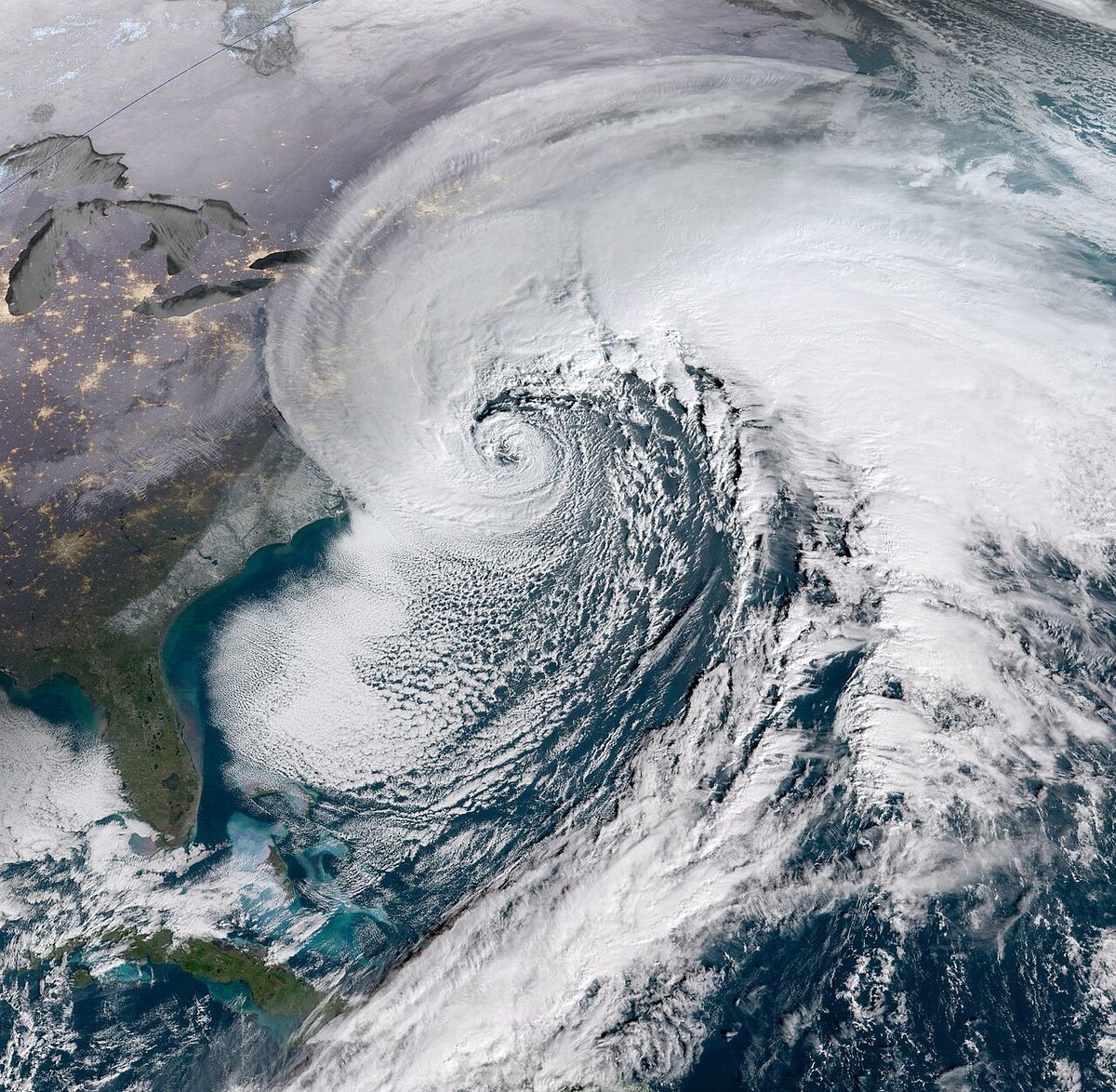
Global climate patterns like the El Niño-Southern Oscillation (ENSO) also influence Arctic weather. Forecasts for the 2026 to 2027 period predict a very strong El Niño event, which typically brings milder winter temperatures to much of Canada. However, for the Arctic, this can translate into increased weather variability and the potential for more extreme events. Environment and Climate Change Canada's seasonal forecasts indicate that while winters may be milder on average, the region is not immune to severe cold outbreaks and storms. The interplay between long-term anthropogenic warming and natural climate variability is creating a future of greater uncertainty and risk for the Canadian Arctic tundra, its ecosystems, and its communities.
Questions about Canadian Arctic tundra
What animals live in the Canadian Arctic tundra?
The tundra supports a range of well-known wildlife adapted to extreme cold. Large mammals include polar bears, with significant populations in Canada, caribou herds numbering in the millions, muskoxen, and Arctic wolves. Smaller residents include the Arctic fox, Arctic hare, and lemmings. During the short summer, the region hosts a multitude of migratory birds like geese, ducks, and shorebirds. Marine species such as narwhals, walruses, and ringed seals are vital to the coastal ecosystem. Only a few birds, like the snowy owl and raven, remain year-round.
What is permafrost and why is it important?
Permafrost is ground, soil, rock, or sediment, that remains completely frozen for at least two consecutive years. It is the dominant natural feature of the tundra and is crucial to the ecosystem. Permafrost dictates the region's hydrology, preventing drainage and creating the characteristic wetlands and ponds. It stabilizes the ground and influences soil formation and vegetation patterns. Thawing permafrost due to climate change is a major concern, as it can cause ground subsidence, damage infrastructure, release stored carbon, and radically alter habitats.
How do plants survive in the Arctic tundra?
Tundra plants have evolved remarkable adaptations for survival. They are typically low-growing to avoid harsh winds and often form dense mats that trap heat. Many have small, waxy leaves to reduce water loss, and hairy stems for insulation. They possess shallow but extensive root systems to absorb nutrients in the thin active layer of soil above the permafrost. Most complete their entire life cycle, flowering, seeding, and fruiting, during the brief 50 to 60-day growing season, relying on the 24-hour daylight of the Arctic summer.
Who lives in the Canadian Arctic tundra?
The tundra is the traditional homeland of Inuit peoples, who have lived in the region for thousands of years. Today, communities are found across Nunavut, northern Quebec, northern Labrador, and the Northwest Territories. Approximately half of the inhabitants are of Indigenous descent. Life in these remote communities is closely connected to the land and its resources.
How is climate change affecting the Arctic tundra?
Climate change is extensively transforming the Arctic tundra. The region is warming at an accelerated rate, leading to thawing permafrost, which destabilizes landscapes and infrastructure. Sea ice is declining rapidly, affecting wildlife and Indigenous hunting. Warmer temperatures are allowing shrubs to encroach northward, altering habitats. Extreme weather events are becoming more common. These changes threaten the delicate tundra ecosystem, endanger species adapted to cold, and pose significant challenges to the culture, health, and food security of northern Indigenous communities.
Where is the Canadian Arctic tundra located?
The Canadian Arctic tundra is located in Northern Canada's terrain lying north of the tree line or boreal forest. It encompasses a total area of approximately 1,420,000 square kilometres within the Yukon, the Northwest Territories, Nunavut, north-eastern Manitoba, northern Ontario, northern Quebec, northern Labrador and the islands of the Arctic Archipelago. This region includes the Arctic coastal tundra, the Arctic Lowlands and the Innuitian Region in the High Arctic, accounting for about 26 percent of Canada's landmass. The largest island within this tundra is Baffin Island at 507,451 square kilometres. The biome corresponds with the circumpolar tundra belt of the Northern Hemisphere, connecting to Alaskan tundra to the west and Greenlandic tundra to the east.
Sources and further reading
- Canadian Arctic tundra (Wikipedia)
- Environment Canada: Weather Information (weather.gc.ca)
Checked by the Your Space Hamilton desk. Last updated 2026-10-24.