2023 Canadian wildfires
The 2023 Canadian wildfires were a record-setting series of wildfires that affected every province and territory, beginning in March and intensifying through the summer and fall. The season burned more area than any other in Canada's recorded history, consuming approximately 184,961 square kilometres, an area equivalent to about 5% of the nation's total forest cover. The fires forced the evacuation of hundreds of thousands of people, caused widespread destruction of property, and led to severe air quality crises across North America and beyond. Driven by anthropogenic climate change and drought conditions, the unprecedented scale of the fires highlighted significant challenges in national forest management and emergency response.
Background and causes
The 2023 wildfire season was primarily driven by the effects of anthropogenic climate change, which created warmer and drier conditions across much of Canada. From May to October, national temperatures averaged 2.2 °C higher than the 1991 to 2020 normal, contributing to severe drought and desiccated vegetation that became highly flammable. In Western Canada, a multi-year drought persisted, exacerbated by low winter snowpack, while regions like Nova Scotia and Quebec experienced flash droughts due to rapid drying despite normal initial soil moisture. Research from World Weather Attribution indicated climate change made the extreme fire weather in Quebec twice as likely and 20% more intense, while making the unusually long nationwide fire season five times more probable. These environmental factors set the stage for a season of exceptional fire risk and rapid fire spread.
Ignition sources for Canadian wildfires are split roughly evenly between lightning and human causes, but lightning-caused fires account for about 85% of the total area burned. Climate change is increasing the frequency of lightning strikes, with projections suggesting they could double by the end of the century, leading to more clustered fires in remote areas. Human-caused fires are often unintentional, sparked by activities like discarded cigarettes, campfires, or equipment use, with arson being a minor contributor. Forest management practices have also played a role, as a historical focus on fire suppression has allowed dry vegetation to accumulate, and the decline of controlled burns, including those traditionally practiced by Indigenous groups, has increased fuel loads. Canada's lack of a national firefighting service further strained local resources already impacted by budget cuts.
Major provincial and territorial wildfires
The 2023 wildfires impacted regions across the country with varying severity, with several provinces experiencing historically large and destructive blazes. Alberta was the first major hotspot, declaring a provincial state of emergency on May 6 with 108 active fires. The season's largest fire in the province was the Long Lake Fire (HWF-036) in the High Level Forest Area, which grew to 108,402 hectares and threatened communities like Chateh and Rainbow Lake. Another significant fire, the Paskwa Fire (HWF-030), burned 35,285 hectares, destroyed over 100 structures in Fox Lake, and prompted evacuation orders. By season's end, Alberta recorded 1,088 fires burning a total of 2,222,900 hectares.
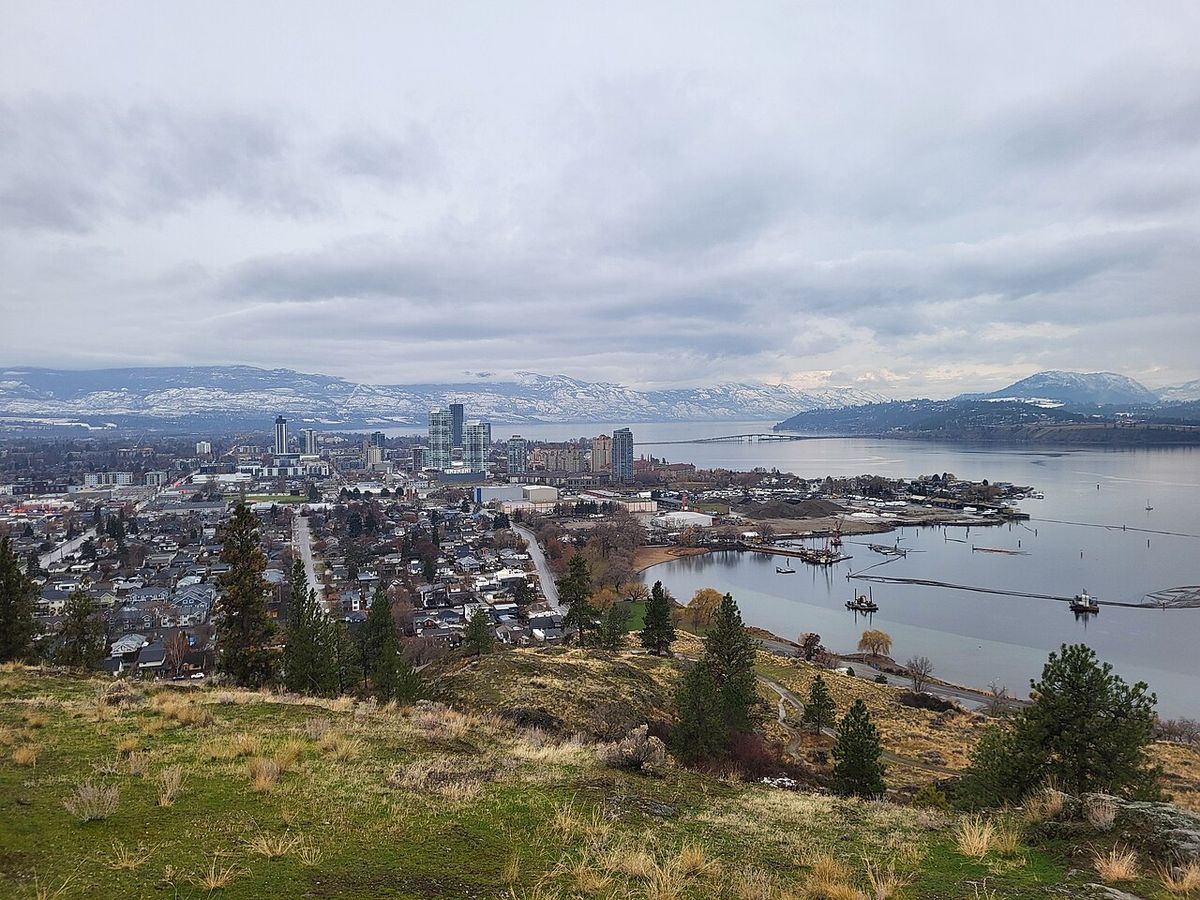
British Columbia faced an exceptionally destructive season, recording 2,293 fires that burned 2,840,104 hectares. The Donnie Creek wildfire in the northeast became the largest single fire in the province's history, covering over 5,648 square kilometres by late June. In August, the southern Interior was ravaged by the concurrent Bush Creek East and McDougall Creek wildfires, which together caused an estimated $730 million in insured damages, making them the costliest extreme weather event in BC's history. These fires forced major evacuations, including nearly 30,000 people from the Kelowna and West Kelowna areas. The province also dealt with hundreds of active fires into October due to prolonged drought, with Vancouver receiving only 10% of its usual rainfall between July and late October.
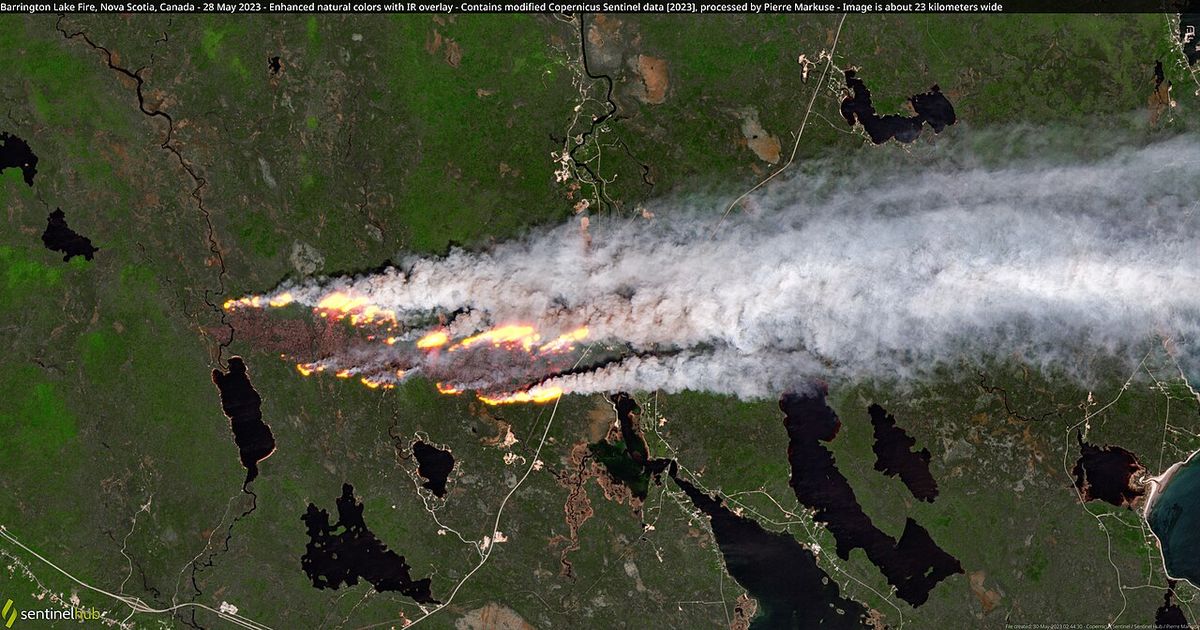
Quebec was the province with the greatest total area burned, at 5.2 million hectares, driven by 446 fires reported by early June against a historical average of 212. The scale of fires overwhelmed local resources, contributing to severe smoke events. In Nova Scotia, the province experienced its largest recorded wildfires. The Barrington Lake fire in Shelburne County burned approximately 23,015 hectares, destroyed 60 homes and 150 other structures, and displaced around 5,000 people. The Tantallon wildfire near Halifax burned 950 hectares, destroyed approximately 151 homes, and led to the evacuation of 16,400 residents. Investigations later determined the Tantallon fire was caused by a resident burning yard debris, while the Shelburne fire was ignited by individuals lighting tires on fire.
- Alberta: Long Lake Fire (108,402 ha), Paskwa Fire (35,285 ha).
- British Columbia: Donnie Creek wildfire (5,648 km²), McDougall Creek wildfire.
- Nova Scotia: Barrington Lake wildfire (23,015 ha), Tantallon wildfire (950 ha).
- Northwest Territories: Over 230 fires by mid-August, forcing the evacuation of Yellowknife.
- Quebec: 5.2 million hectares burned, the most of any province.
- Ontario: Major smoke impacts but fewer large fires compared to western provinces.
The Northwest Territories faced a critical situation in August, with over 230 wildfires burning and one approaching within 17 kilometres of the capital, Yellowknife, leading to a full evacuation of the city and disrupting communications. These fires were responsible for producing an estimated 97 megatonnes of carbon emissions. Ontario's primary impact was from smoke, which repeatedly pushed air quality to hazardous levels in major cities like Toronto and Ottawa, leading to widespread cancellations of outdoor events. Other regions, including Saskatchewan, Manitoba, and Newfoundland and Labrador, also experienced increased fire activity, with Saskatchewan reporting 187 fires by late May, well above its five-year average of 111, and Manitoba seeing 70 fires by early June, though below its own seasonal average.
Evacuations and human displacement
The scale of the wildfires triggered one of the largest peacetime evacuations in Canadian history. Estimates of the total number of people displaced range from 185,000, as calculated by the Internal Displacement Monitoring Centre, to 232,000 according to other reports. These displacements accounted for 43% of all global wildfire-related displacements for the year 2023. The evacuations were not isolated to one region but occurred across multiple provinces as fires threatened populated areas. In Alberta, over 29,000 people were under evacuation orders by early May, leading to the deployment of at least 300 Canadian Armed Forces personnel to assist. Specific communities like Evansburg, Entwistle, and the Fox Lake 162 reserve faced repeated or prolonged displacement.
Major urban evacuations included approximately 16,400 residents from suburban Halifax due to the Tantallon wildfire in late May. In British Columbia, nearly 30,000 people were evacuated from the Kelowna and West Kelowna areas in August during the McDougall Creek fire. The most dramatic large-scale evacuation occurred in the Northwest Territories in mid-August, when the entire population of Yellowknife, roughly 21,720 people, was ordered to leave as wildfires encroached on the capital. These mass movements placed immense strain on transportation networks, emergency shelters, and social services, highlighting the compounding challenges of managing concurrent crises in different parts of the country.
Environmental and health impacts
The environmental impact of the 2023 wildfires was significant, both locally and globally. The fires burned an area more than six times the long-term average for a Canadian wildfire season and more than 2.5 times the previous national record. This massive combustion released enormous quantities of carbon into the atmosphere. Wildfires in the Northwest Territories alone were estimated to have produced 97 megatonnes of carbon, accounting for roughly one-quarter of the total 327 megatonnes emitted by all of Canada's wildfires that year. The loss of such vast forested areas also has long-term implications for biodiversity, watershed health, and carbon sequestration capacity, potentially creating feedback loops that could worsen future climate warming.
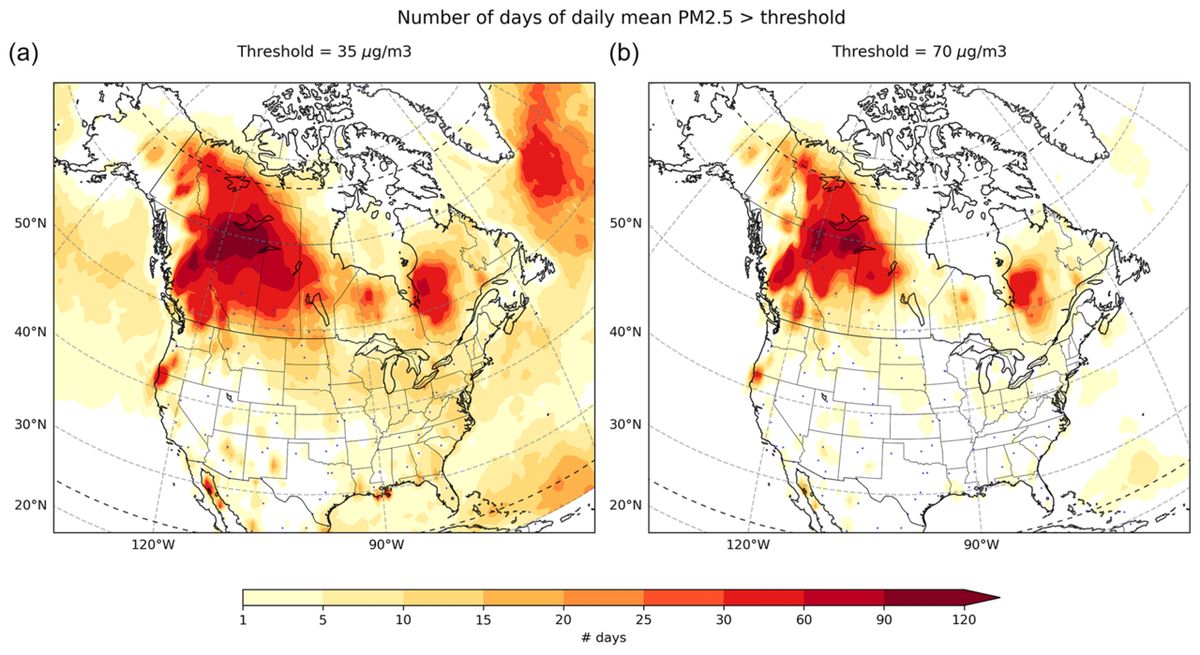
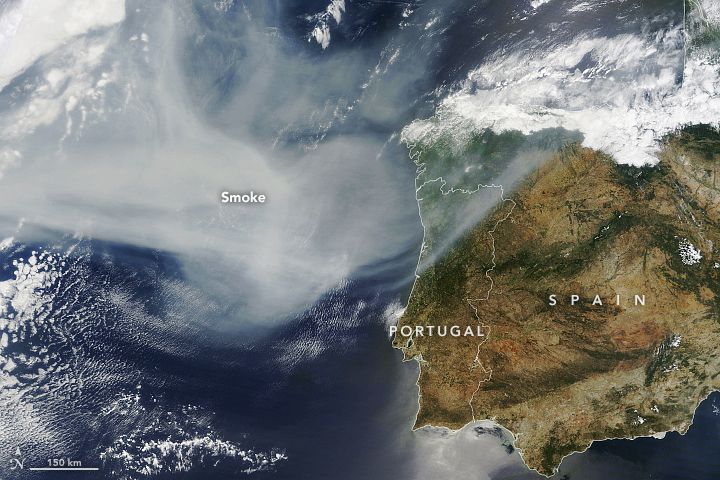
The most immediate and widespread public health impact was the deterioration of air quality across Canada and into the United States. Smoke from the fires contained fine particulate matter (PM2.5), which poses significant respiratory and cardiovascular risks. Major cities repeatedly experienced hazardous air conditions, with Montreal registering the worst air quality in the world on June 25, leading to the cancellation of numerous cultural and sporting events. Toronto and Ottawa also recorded air quality at the highest level on Environment Canada's Air Quality Health Index on multiple occasions in June, forcing the relocation of outdoor programs and festivals. The smoke plume was so extensive that it crossed the Atlantic Ocean, affecting air quality in Europe by late June.
Response and firefighting efforts
Canada's response to the wildfires was a massive domestic and international undertaking, severely testing existing emergency management frameworks. A key challenge was the lack of a national firefighting service, which placed the onus on provincial and territorial agencies whose resources were quickly overwhelmed by the scale and simultaneity of the fires. This led to an unprecedented mobilization of mutual aid, with firefighters and equipment being shared between jurisdictions. For example, Alberta received assistance from crews from Alaska and Ontario, while Nova Scotia utilized water bombers from the United States and firefighters from Costa Rica. The Canadian military was deployed in several provinces, including Alberta and Nova Scotia, to support logistics, firefighting, and evacuation efforts.
The international community also provided significant support, with thousands of firefighters from countries including the United States, Australia, New Zealand, South Africa, France, Spain, Portugal, Chile, Costa Rica, and Mexico travelling to Canada to assist. This global effort was crucial in managing hundreds of active fire fronts. The season also saw tragic losses, with eight firefighters killed in the line of duty. The financial cost was staggering, particularly in British Columbia where the Bush Creek East and McDougall Creek fires caused $730 million in insured damages. The extreme demands of the season prompted renewed discussions about increasing national coordination, investing in more preventative measures like controlled burns, and addressing the systemic challenges posed by climate change.
Comparative statistics and season records
The 2023 wildfire season broke numerous historical records, showing its unprecedented nature within Canada's modern environmental history. The total area burned of 184,961 square kilometres far surpassed the previous records set in the 1989, 1995, and 2014 fire seasons. By mid-October, the burned area was more than 2.5 times larger than the old record. The season also set a new benchmark for North America, exceeding the area burned during the record-setting 2020 wildfire season in the western United States. The scale was such that approximately 5% of Canada's entire forest area was consumed by fire, a figure that shows the major impact on the national landscape.
The 2023 wildfires affected all 13 provinces and territories in Canada. Large fires occurred in Alberta, British Columbia, the Northwest Territories, Nova Scotia, Ontario, and Quebec. The total area burned was a record 184,961 square kilometres, which is about five percent of Canada's entire forest area. This area is more than six times the long-term average for that time of year.
| Province/Territory | Area Burned | Notable Records |
|---|---|---|
| Quebec | 5.2 million ha | Most area burned of any province |
| Northwest Territories | 403,815 ha (as of June 7) | Major capital (Yellowknife) evacuation |
| Nova Scotia | 23,015 ha (Barrington Lake fire) | Largest recorded wildfire in province's history |
Beyond sheer size, the season was record-breaking in its duration and intensity. Many of the largest fires were brought under control by July, but significant wildfire activity continued well into the fall, with several major fires breaking out in September. Drought conditions from British Columbia to northern Ontario persisted into the autumn months, delaying the typical seasonal respite. The fires were so deep-seated in some regions, particularly in northern Alberta and British Columbia, that they continued to smoulder in peat through the winter, reigniting in February 2024 and contributing directly to the early start of the next year's fire season.
Aftermath and ongoing effects
The conclusion of the 2023 fire season did not mark an end to its consequences. Ecologically, the vast burned landscapes will take decades to recover, with altered habitats and increased vulnerability to erosion and invasive species. The carbon emissions from the fires, amounting to hundreds of megatonnes, represent a significant contribution to global atmospheric greenhouse gases for the year. Socially and economically, thousands of displaced residents faced the long and difficult process of rebuilding homes and communities, with the total insured damage costs reaching into the billions of dollars. The psychological toll on evacuees, frontline workers, and communities living under prolonged smoke advisories is an enduring public health concern.
The season acted as a stark national wake-up call regarding the escalating threats of climate change. It spurred increased public and political discourse on the need for enhanced wildfire prevention strategies, including the revitalization of Indigenous-led controlled burning practices and changes to forest management to reduce fuel loads. The strain on firefighting resources highlighted calls for the creation of a federal firefighting service or a stronger national coordination mechanism. The events of 2023 were subsequently documented and analyzed in media, including a five-part documentary series titled 'Wildfire' that aired on Knowledge Network in 2025, featuring fires like the Donnie Creek and McDougall Creek blazes. The season demonstrated that the historic norms for Canadian wildfires have been fundamentally changed, setting a new and daunting benchmark for future years.
Questions about 2023 Canadian wildfires
Which provinces were the hardest hit by the 2023 wildfires?
Quebec was the hardest hit in terms of total area burned, with 5.2 million hectares consumed. British Columbia experienced the most destructive fires in terms of property loss, including the $730 million McDougall Creek fire, and was home to the largest single fire, the Donnie Creek wildfire. Alberta faced severe early-season fires, leading to a provincial state of emergency, while Nova Scotia saw its largest recorded wildfires in history. The Northwest Territories also faced a critical situation, requiring the full evacuation of its capital, Yellowknife.
How did the wildfires affect air quality in Canada and beyond?
Smoke from the wildfires caused severe air quality deterioration across Canada and the northern United States for months. Major cities like Montreal, Toronto, and Ottawa repeatedly reached the highest level on Environment Canada's Air Quality Health Index, leading to cancelled outdoor events and health advisories. On June 25, Montreal had the worst air quality in the world. The smoke plume was so massive that it crossed the Atlantic Ocean, reaching Europe by late June and demonstrating the far-reaching atmospheric impact of the fires.
What caused the 2023 wildfires to start?
Wildfires in Canada are caused by both lightning and human activity. In 2023, lightning caused roughly half of all ignitions but was responsible for about 85% of the total area burned, as these fires often occur in remote, clustered locations. Human-caused fires, which made up the other half, were typically unintentional, sparked by sources like campfires, discarded cigarettes, or equipment. Investigations into specific major fires in Nova Scotia found causes such as a resident burning yard debris in Tantallon and individuals lighting tires on fire in Shelburne. Arson is generally a minor cause.
How many people were evacuated, and what was the cost?
Estimates for the number of people displaced by the wildfires range from 185,000 to 232,000. Major evacuations included about 16,400 in Halifax, nearly 30,000 in the Kelowna area of BC, and the entire population of Yellowknife (approximately 21,720). The financial cost was immense, with insured damages from just two fires in British Columbia (Bush Creek East and McDougall Creek) totalling $730 million, making it the costliest extreme weather event in that province's history. The total national cost, including firefighting and recovery, is expected to be in the billions.
Did the 2023 wildfires have any lasting environmental effects?
Yes, the environmental effects are major and long-lasting. The fires released an estimated 327 megatonnes of carbon into the atmosphere, with the Northwest Territories alone contributing 97 megatonnes. Burning approximately 5% of Canada's forest area has significant impacts on biodiversity, watersheds, and the land's future carbon storage capacity. Also, some fires in northern Alberta and British Columbia continued to smoulder in peat through the winter, reigniting in February 2024 and directly contributing to the early start of the following year's wildfire season, creating a worrying cycle.
What made the 2023 Canadian wildfire season so unprecedented?
The 2023 wildfire season was unprecedented because it burned a record 184,961 square kilometres, which is more than six times the long-term average and over 2.5 times the previous national record. This season affected all 13 provinces and territories, marking the most area burned in Canada's recorded history. It was driven by anthropogenic climate change, with temperatures from May to October being 2.2 °C higher than the 1991 to 2020 average, which contributed to severe drought and desiccated, flammable vegetation. Warmer and drier weather extended the fire season and made fire weather conditions more likely and intense. The scale of the fires led to massive domestic and international impacts, including the displacement of up to 232,000 people.
Sources and further reading
- 2023 Canadian wildfires (Wikipedia)
- Canada's record-breaking wildfires in 2023: A fiery wake-up call (natural-resources.canada.ca)
- FACT SHEET: Climate change and wildfires in Canada (climateinstitute.ca)
- Canada wildfires, 2023 - Forensic analysis (undrr.org)
- Drivers and Impacts of the Record-Breaking 2023 Wildfire ... (pmc.ncbi.nlm.nih.gov)
Checked by the Your Space Hamilton desk. Last updated 2026-10-22.