2021 Western North America heat wave
The 2021 Western North America heat wave was an extreme meteorological event that brought unprecedented temperatures to western Canada and the United States from late June through early July 2021. The heat dome, a high-pressure system that trapped hot air, resulted in Canada's highest temperature ever recorded, 49.6 °C in Lytton, British Columbia, and shattered numerous all-time records across the region. The event caused catastrophic consequences, including over 1,400 estimated deaths, extensive wildfires like the one that destroyed Lytton, and severe damage to infrastructure and agriculture. For Canadians, the disaster highlighted the severe and tangible impacts of climate change on communities and the environment.
Meteorological History and Causes
The heat wave originated from a complex interaction of atmospheric patterns beginning around June 23, 2021, when the United States National Weather Service issued warnings. Its development was linked to warm, moist air from torrential rains in China being transported east by the jet stream. This air encountered a powerful, stationary high-pressure ridge over the Pacific Northwest, a phenomenon known as a Rex block, which prevented cooler weather systems from moving through. Severe drought conditions in the region allowed the air to heat more rapidly, intensifying the ridge into a heat dome that lingered for days. Downslope winds from mountain ranges like the Cascades further warmed the air in valleys, amplifying the extreme temperatures. Six days after the US warning, Environment Canada issued a heat warning for Alberta, Saskatchewan, British Columbia, Manitoba, Yukon, and the Northwest Territories.
The dome eventually moved eastward after hovering over British Columbia and the Northwestern United States, bringing record-breaking heat to the Prairie provinces. Sweltering conditions were observed as far east as Northwestern Ontario. By July 4-5, the remnants of the heat dome crossed Hudson Bay and, weakened by the cool waters, entered Quebec and then Labrador, briefly triggering temperatures around 30 °C. Scientific analysis directly linked the event's unprecedented severity to anthropogenic climate change. A rapid attribution study concluded the heat wave would have been highly unlikely without human-caused warming, which increased its probability at least 150-fold. Research published in Nature Climate Change projected such events would become more frequent, potentially occurring once every ten years in a world 2°C warmer than pre-industrial levels.
A paper in Communications Earth & Environment found the heat dome in the Pacific Northwest was 59% longer in duration, lasting 27 days versus a detrended 17 days. The study also determined the event was 34% larger in area and had 6% higher maximum amplitude. Overall, the strength of the heat dome was 86% greater than the same event would have been without background warming. David Sauchyn, a scientist at the University of Regina, noted that climate models had been predicting a heat wave of similar intensity to happen in the late 2020s at the earliest, indicating the event arrived years ahead of projections.
Temperature Records in Canada
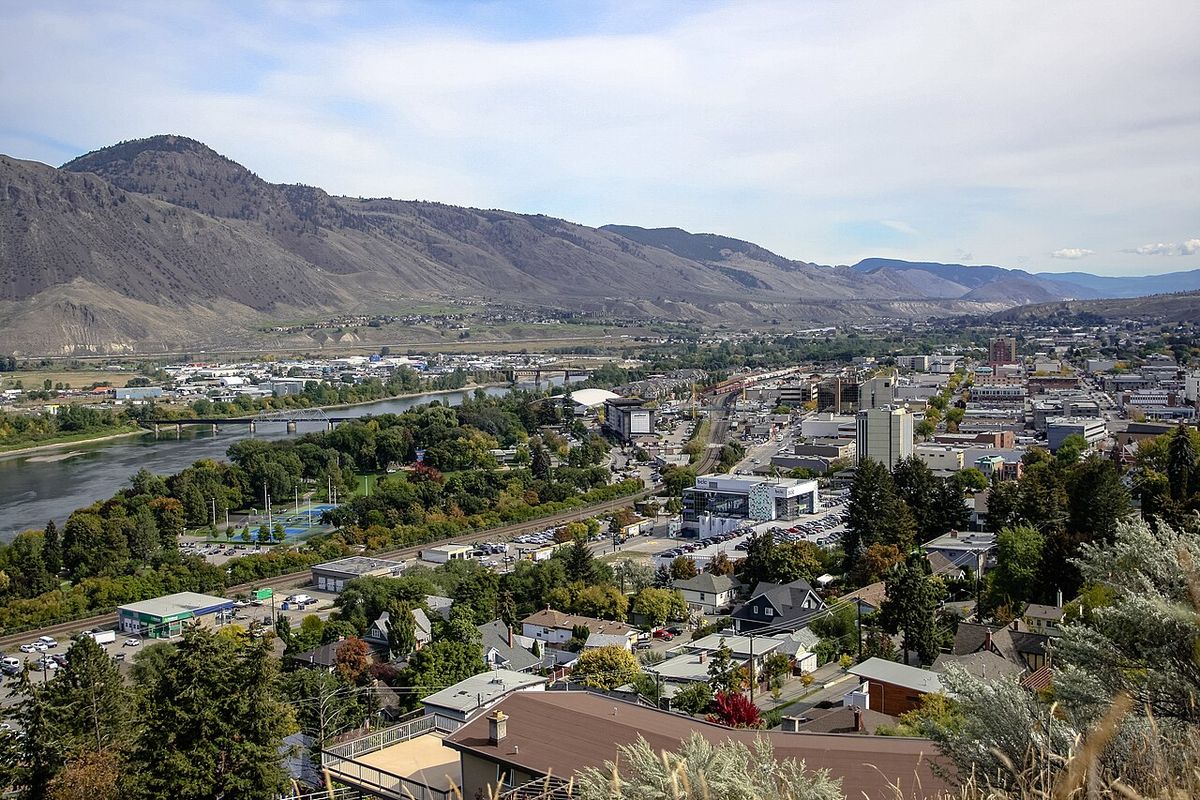
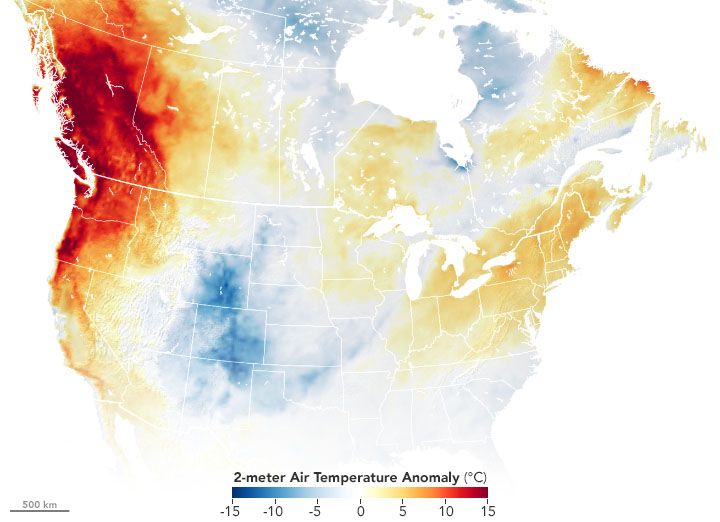
The heat wave shattered hundreds of temperature records across Western and Northern Canada. In total, 103 all-time heat records were set in Western Canada as of June 29. British Columbia experienced the most extreme conditions, with 59 weather stations setting records on June 27 alone. Lytton set a new national record of 49.6 °C on June 29 after recording 46.6 °C on June 27 and 47.9 °C on June 28. This temperature is also the highest ever recorded north of 45°N and the highest in the US or Canada outside the Desert Southwest. Major population centres also saw unprecedented heat, with Kamloops reaching 47.3 °C, Abbotsford hitting 42.9 °C, and Victoria recording 39.8 °C. In Metro Vancouver, Pitt Meadows recorded the area's highest temperature at 41.4 °C, while West Vancouver set a record high of 40.6 °C and a record daily minimum of 24.5 °C.
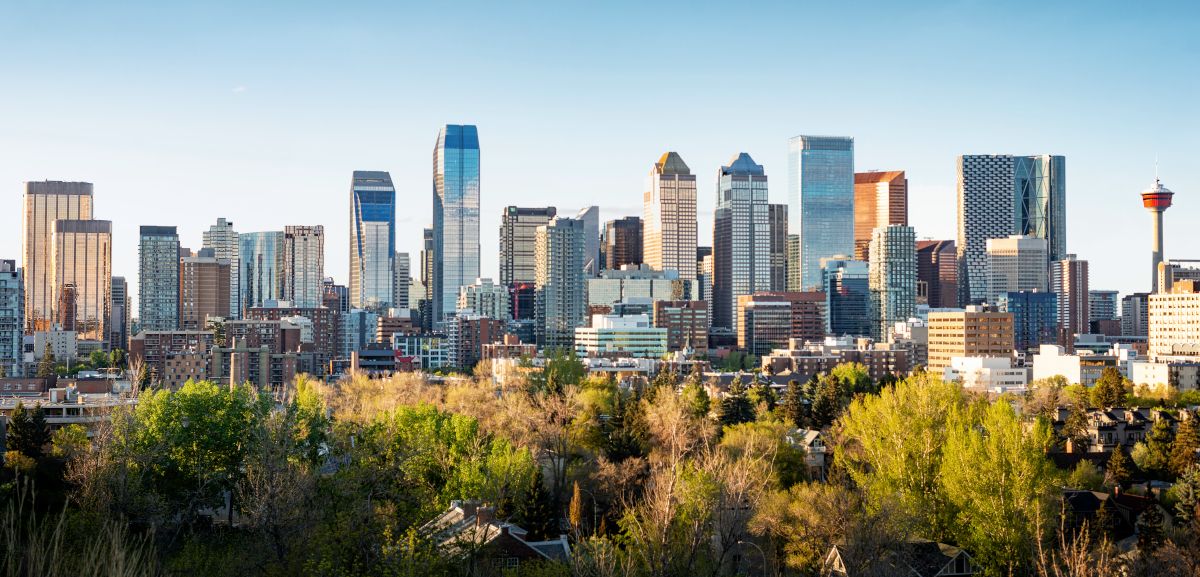
In Alberta, the highest heat was observed from June 29 to July 1. Grande Prairie reached 41.5 °C, Jasper hit 41.2 °C, and Fort McMurray recorded 40.3 °C, all all-time records. Calgary noted 36.3 °C on June 29 and July 1, just 0.2 °C short of its highest observed temperature ever. The Northwest Territories saw its territorial record broken in Fort Smith with a temperature of 39.9 °C on June 30, surpassing the 1941 record. This also became the highest reliable temperature recorded above 60 degrees latitude. Yukon was largely bypassed, but Whitehorse recorded 30.3 °C and Teslin 31.1 °C on June 28, both daily records.
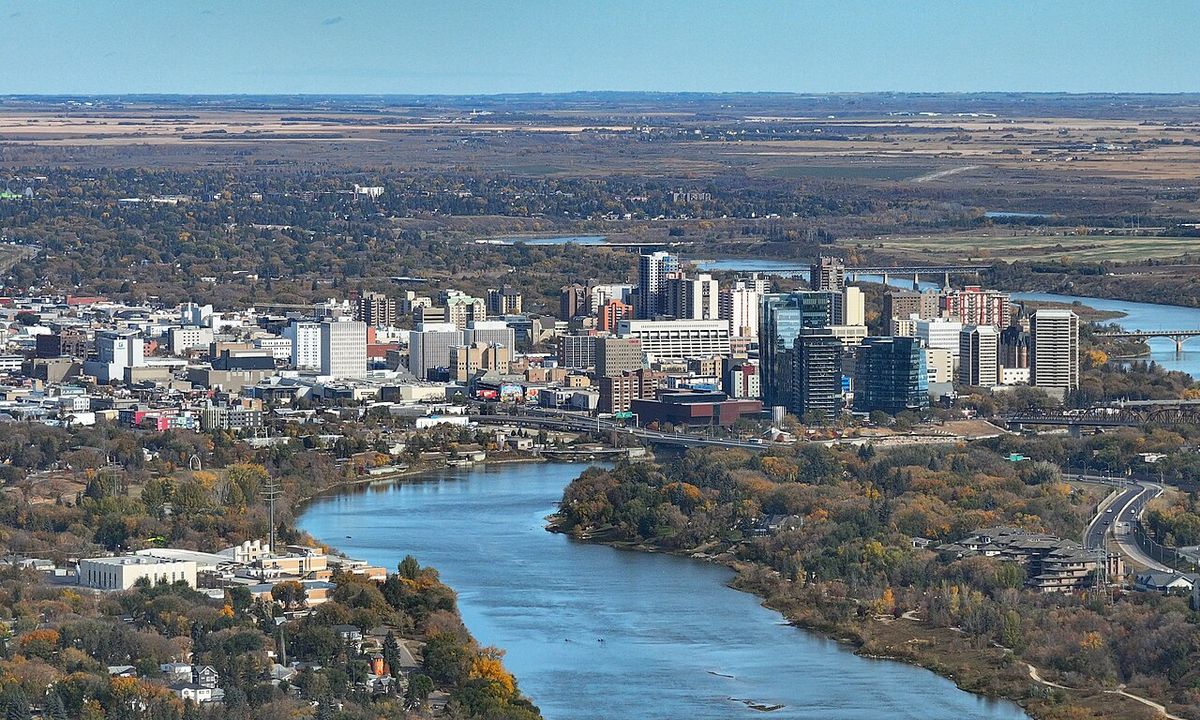
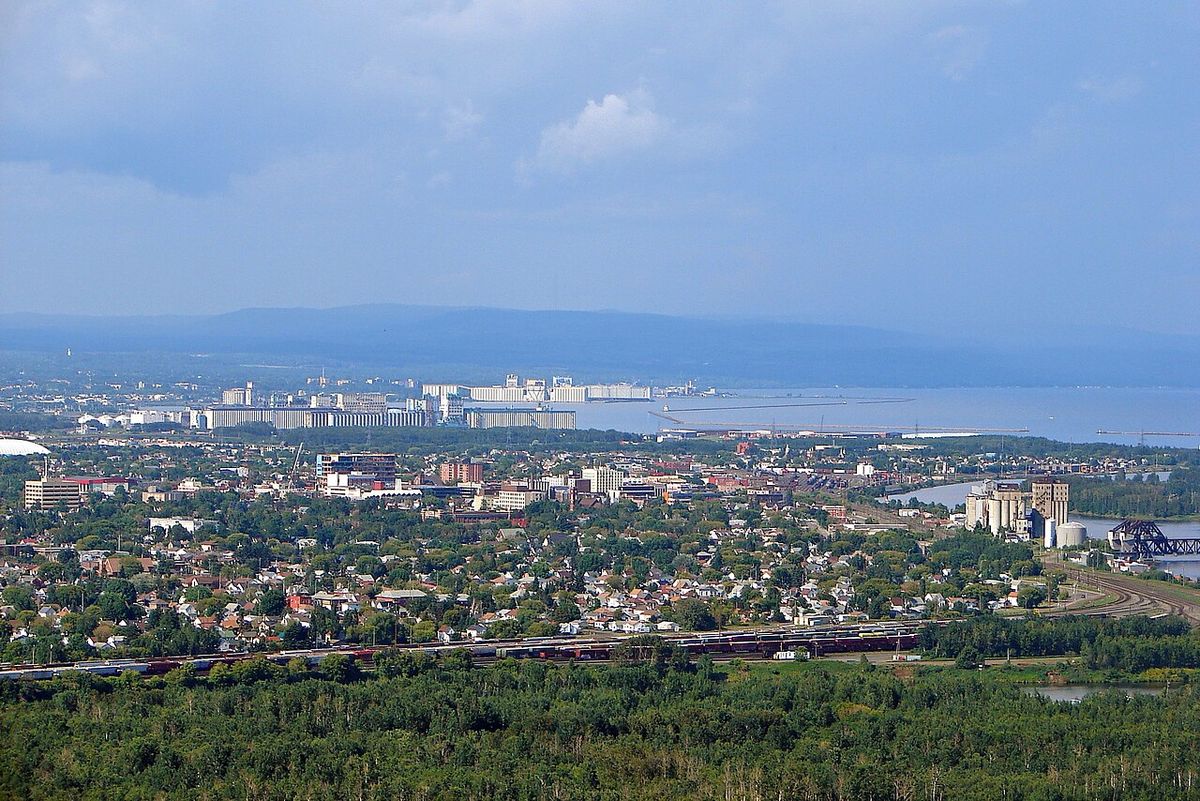
Saskatchewan's heat records were concentrated in the north. Stony Rapids reached 39.8 °C on June 30, an all-time high. Uranium City hit 38.0 °C, and Key Lake Airport and Collins Bay Airport both reached 37.0 °C on July 1. Saskatoon reached 40.5 °C on July 2, a tenth of a degree below its all-time record. In Manitoba, the remote community of Tadoule Lake observed a high of 38.1 °C, beating its previous all-time record by 6.2 °C. Lynn Lake reached 38.0 °C, and Churchill registered 34.1 °C, its highest temperature for July. On July 3, 25 daily records were set in Manitoba, including 35.0 °C in Winnipeg. Northwestern Ontario did not break all-time highs but set daily records, with Pickle Lake reaching 35.2 °C and Thunder Bay 34.3 °C on July 3.
- British Columbia (June 27-29): Lytton (49.6°C), Kamloops (47.3°C), Abbotsford (42.9°C), Port Alberni (42.7°C), Squamish (43.0°C).
- Alberta (June 29-July 1): Grande Prairie (41.5°C), Jasper (41.2°C), Beaverlodge (40.5°C), Fort McMurray (40.3°C), Banff (37.8°C).
- Northwest Territories (June 28-30): Fort Smith (39.9°C), Nahanni Butte (38.1°C).
- Saskatchewan (June 30-July 2): Stony Rapids (39.8°C), Uranium City (38.0°C), La Ronge (37.9°C), Saskatoon (40.5°C).
- Manitoba (July 1-3): Tadoule Lake (38.1°C), Lynn Lake (38.0°C), Churchill (34.1°C July record).
Temperature Records in the United States
The Pacific Northwest of the United States experienced temperature anomalies 11 to 19 degrees Celsius above normal, breaking records by large margins. Washington state's all-time heat record was set in Hanford at 49°C (120°F) on June 29, while Oregon's record was tied at 48°C (119°F) at Pelton Dam and other locations. The heat wave resulted in 128 all-time high temperature records for individual weather stations across Washington. Major cities endured consecutive days of extreme heat far beyond historical norms. Between 1894 and June 2021, Seattle-Tacoma International Airport had only recorded temperatures over 38°C (100°F) three times, but it recorded three consecutive days over that mark during the event, peaking at 42°C (108°F) on June 28.
Portland, Oregon, broke its previous all-time record of 42°C (107°F) three days in a row, reaching a maximum of 47°C (116°F) on June 28. Salem, Oregon, also broke its city record consecutively, hitting 47°C (117°F) on June 28. The Willamette Valley experienced extreme overnight temperature drops due to cooler ocean air, with Portland cooling a record 29°C (52°F) overnight. East of the Cascades, Spokane reached 43°C (109°F), Ephrata hit 46°C (115°F), and Omak reached 47°C (117°F), all all-time records on June 29. The Quillayute Airport on the Olympic Peninsula reported 43°C (110°F) on June 28, exceeding its prior record by 6°C (11°F).
The event also affected other western states. In Northern California, Redding reached 46°C (114°C) on June 27, a daily record, and South Lake Tahoe observed 33°C (91°F) on June 28, beating its June record. Southern California saw Palm Springs register 49°C (121°F) on June 27. Idaho experienced significant heat, with Lewiston reaching 46°C (115°F) on June 29, an all-time June record. Boise tied daily records of 41°C (105°F) on June 29 and 40°C (104°F) on June 30, and recorded nine consecutive days over 38°C (100°F). Coeur d'Alene in the Idaho Panhandle registered 43°C (109°F), equaling its all-time high.
| Location | Peak Temperature | Date | Record Type |
|---|---|---|---|
| Hanford, WA | 49°C (120°F) | June 29 | State all-time record |
| Pelton Dam, OR | 48°C (119°F) | June 29 | Tied state record |
| The Dalles, OR / Dallesport, WA | 48°C (118°F) | June 28-29 | Tied WA state record at the time |
| Portland, OR | 47°C (116°F) | June 28 | City all-time record |
| Salem, OR | 47°C (117°F) | June 28 | City all-time record |
| Seattle, WA (Sea-Tac) | 42°C (108°F) | June 28 | City all-time record |
| Spokane, WA | 43°C (109°F) | June 29 | City all-time record |

Human Toll and Health Impacts
The human cost of the heat wave was severe. In British Columbia, the Chief Coroner reported 619 deaths were recorded due to heat exposure in the week from June 25 to July 1. This contributed to a total of at least 808 estimated deaths in western Canada. In the United States, confirmed deaths included at least 116 in Oregon, with 72 of those in Multnomah County which includes Portland. Washington state confirmed at least 112 deaths, and Idaho confirmed one death. An analysis by The New York Times suggested approximately 600 excess deaths occurred the week the heat wave passed through Washington and Oregon. The total estimated death toll across the affected region exceeded 1,400 people. The victims were disproportionately elderly individuals and those with pre-existing health conditions living in homes without adequate cooling.
Environmental Damage and Wildfires
The extreme heat triggered widespread environmental disasters. It sparked numerous extensive wildfires, some reaching hundreds of square kilometers in area. The most immediate was the Lytton wildfire, which destroyed the village of Lytton, British Columbia, on June 30, the day after it set the national temperature record. The heat caused rapid melting of snowcaps and glaciers. On Mount Rainier, temperatures reached 23°C (73°F) at elevations above 3,000 meters (10,000 feet) on June 27. The heat wave was blamed for greater glacier melt on Mt. Rainier than had been seen in the state of Washington in the past 100 years, leading to increased flooding risks in some areas.
The agricultural sector suffered immense losses. Across the region, the heat wave caused extensive damage to agriculture, resulting in substantial loss of crop yield. An estimated 651,000 farm animals perished due to the extreme conditions. The combination of drought, heat, and dry vegetation created tinderbox conditions that fueled wildfires for weeks after the peak temperatures had passed, compounding the ecological and economic damage.
Infrastructure Damage and Societal Disruption
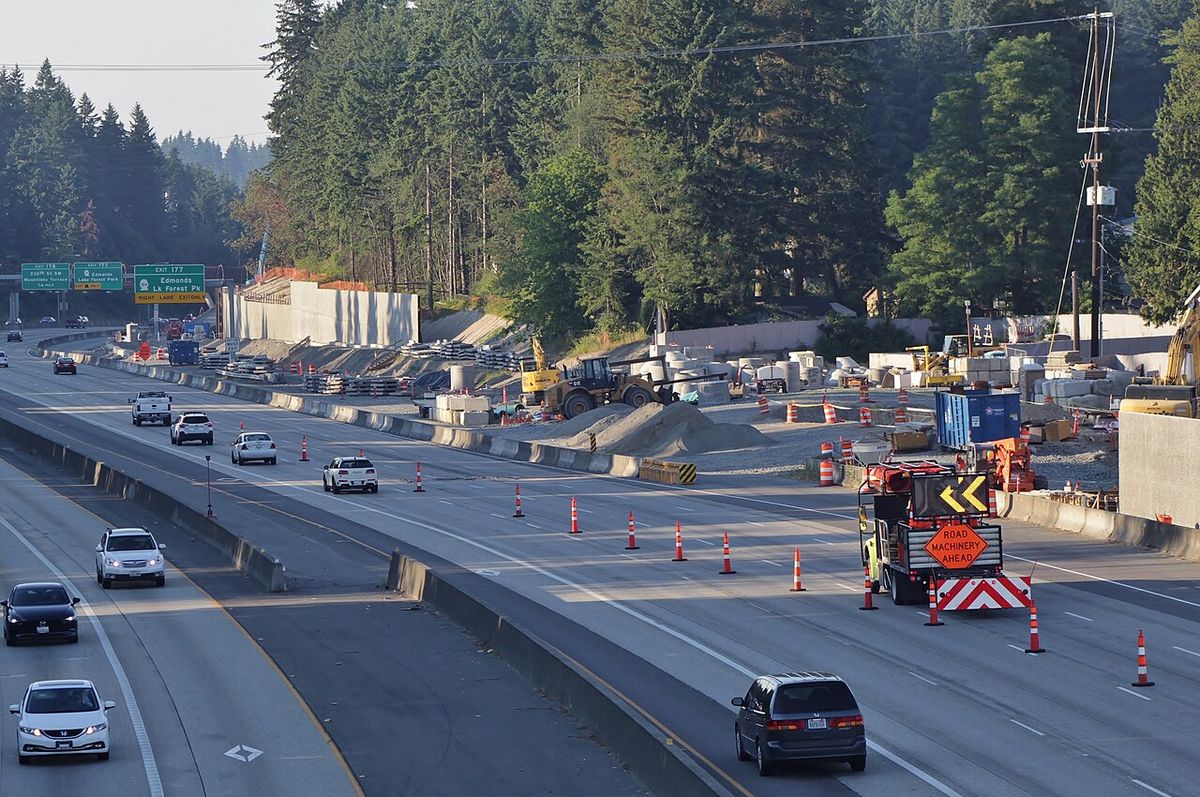
The heat wave caused extensive damage to road and rail infrastructure across the affected regions. Pavement buckled, and railway tracks warped, forcing closures of transportation routes and requiring urgent repairs. The strain on electrical power grids was immense as demand for air conditioning skyrocketed, leading to fears of rolling blackouts and forcing some utilities to request public conservation. Many businesses, particularly those without air conditioning, were forced to close during the peak of the heat. Cultural events and gatherings were disrupted or cancelled due to the dangerous conditions.
The financial impact was considerable. The National Oceanic and Atmospheric Administration (NOAA) estimated the heat wave caused at least $8.9 billion (2021 USD) in damages in the United States alone. Canadian costs, while not as precisely totalled, were also significant due to infrastructure repair, emergency response, agricultural losses, and the complete destruction of Lytton. The event forced a widespread examination of the preparedness of infrastructure, building codes, and social support systems for a new era of climate-driven extremes, particularly in regions like the Pacific Northwest historically unaccustomed to such heat.
Scientific and Climatic Context
The 2021 heat wave was characterized as a heat dome because of the extreme temperatures and the exceptionally strong ridge centered over the area. Data provided by Verisk shows that the Pacific Northwest is among the fastest-heating regions in the continental United States and southern Canada. The urban heat island effect likely further exacerbated the impact in major cities. Based on historic data, several meteorologists noted that this phenomenon should be expected to occur only once over a thousand or several thousand years under previous climatic conditions.
The heat wave, combined with other extreme weather occurrences elsewhere, yielded the hottest June on record in North America. It also contributed to the hottest June on record locally and regionally for many locations in Canada and the USA. The record-high temperatures associated with the heat wave stretched from Oregon to northern Manitoba, and daily highs were set as far east as Labrador and as far southwest as Southern California. The event is a case study in the compound risks of extreme heat, drought, and wildfire in a warming climate.
Questions about 2021 Western North America heat wave
What was the highest temperature recorded in Canada during the 2021 heat wave?
The highest temperature ever recorded in Canada occurred during this heat wave. On June 29, 2021, the village of Lytton, British Columbia, reached 49.6 degrees Celsius (121.3 degrees Fahrenheit). This broke the previous national record and is also the highest temperature recorded north of the 45th parallel, surpassing historical maximums in Europe or South America. Lytton set this record after consecutively breaking records on the two prior days, reaching 46.6°C on June 27 and 47.9°C on June 28.
Was the 2021 heat wave linked to climate change?
Yes, multiple scientific studies have directly linked the heat wave's unprecedented intensity to human-caused climate change. A rapid attribution analysis found such an event would have been highly unlikely without anthropogenic warming, which increased its probability at least 150-fold. A study in Communications Earth & Environment concluded the observed heat dome was 86% stronger, 59% longer, and 34% larger than it would have been without the background warming from climate change. A further study in Nature Climate Change projected that such a heat wave could become a 10-year event in a climate warmed 2°C relative to pre-industrial levels.
What major wildfire was caused by the heat?
The most infamous wildfire directly associated with the heat was the Lytton wildfire. It ignited on June 30, 2021, just one day after Lytton, British Columbia, set the national temperature record. The fire rapidly destroyed most of the village, forcing a full evacuation and resulting in catastrophic loss of property and infrastructure for the community. The heat wave sparked numerous other extensive wildfires across the region, some reaching hundreds of square kilometers in area.
What were the economic costs of the heat wave?
The economic costs were enormous. In the United States, NOAA estimated damages at a minimum of $8.9 billion (2021 USD). Costs stemmed from infrastructure damage, agricultural losses including the death of 651,000 farm animals, wildfire suppression, and business disruptions. While a comprehensive total for Canada is not specified, costs were also substantial due to similar factors, including the destruction of Lytton, widespread damage to roads and rails, and crop yield losses across the Prairie provinces.
How many people died because of the heat wave in Canada?
The estimated death toll in Canada from the heat wave was at least 808 people in western Canada. The Chief Coroner of British Columbia specifically reported 619 deaths due to heat exposure in the week from June 25 to July 1. The overall death toll across Western North America was estimated to exceed 1,400 people. In the United States, confirmed deaths included at least 116 in Oregon, 112 in Washington, and one in Idaho. An analysis by The New York Times suggested around 600 excess deaths occurred in Washington and Oregon during the heat wave's peak week.
Which Canadian provinces and territories were affected?
The heat wave affected British Columbia, Alberta, Manitoba, the Northwest Territories, Saskatchewan, and Yukon. In its latter phase, it also brought high temperatures to areas as far east as Northwestern Ontario, Labrador, and Quebec. British Columbia was the epicenter, where Lytton set the national record of 49.6°C. The Northwest Territories saw a new territorial record of 39.9°C in Fort Smith. As of June 29, 2021, 103 all-time heat records were set across Western Canada. The event stretched from the Pacific coast to northern Manitoba, with daily record highs set in numerous communities.
Sources and further reading
- 2021 Western North America heat wave (Wikipedia)
- 2021 Northwest Heat Dome: Causes, Impacts and Future ... (climatehubs.usda.gov)
- The Pacific Northwest Heat Wave of 25-30 June 2021 (journals.ametsoc.org)
- The impacts of the 2021 western heat dome in Canada (science.gc.ca)
- Record-breaking June 2021 heatwave impacts the U.S. West (climate.gov)
Checked by the Your Space Hamilton desk. Last updated 2026-10-23.