Yellow bullhead
The yellow bullhead (Ameiurus natalis) is a medium-sized species of bullhead catfish native to freshwater systems across central and eastern North America, including southeastern Canada. Recognizable by its distinctive bright yellow or white chin barbels, it is a bottom-dwelling scavenger and a minor game fish for Canadian anglers. The species inhabits a variety of environments from sluggish creeks to lake shallows, feeding on a wide array of plant and animal matter. While not as prized as other catfish, its sweet-flavoured meat and widespread distribution make it a familiar component of many regional aquatic ecosystems.
Physical Description
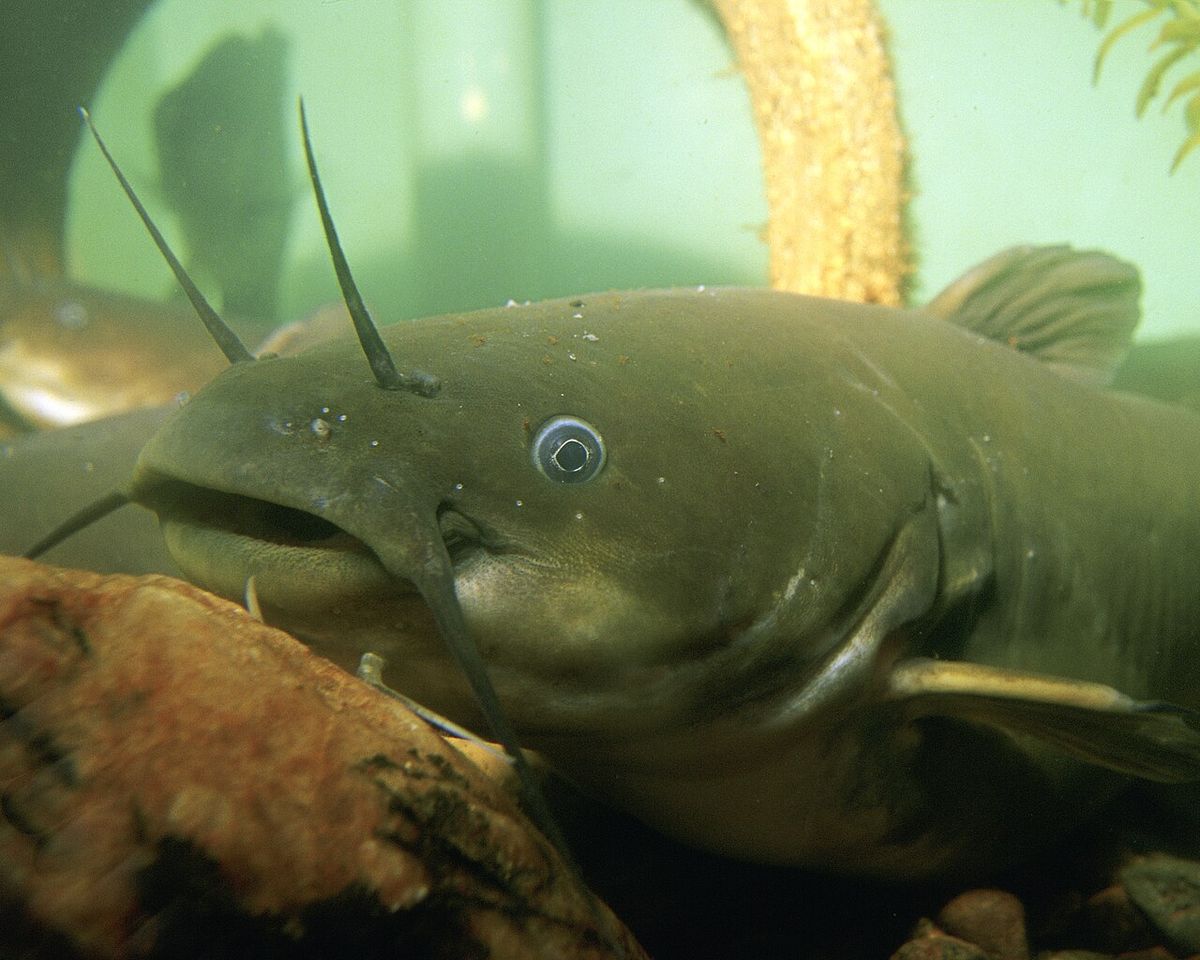
The yellow bullhead is a medium-sized member of the catfish family, characterized by a scale-less body and a rounded caudal fin. Its colouration ranges from a yellow-olive to a slate black on the back, with lighter, more yellowish sides and a bright yellow, yellow-white, or bright white underside. While its mottling is generally less pronounced than that of the brown bullhead, its most definitive identifying feature is the group of white barbels, or whiskers, under its chin. The species possesses barbed pectoral spines and an anal fin with 24 to 27 rays, which is more than other bullhead species. Its eyes are relatively small compared to related species like the snail bullhead, and it lacks a blotch at the base of its dorsal fin.
In terms of size, yellow bullheads are not large fish, with most individuals commonly reaching about 22.5 centimetres in total length. They rarely exceed a weight of 0.91 kilograms, though the maximum recorded weight is 2.89 kilograms. The maximum total length documented for the species is 60 centimetres. These fish have a potential lifespan of up to 12 years in the wild, which allows them to reach sexual maturity and contribute to multiple spawning cycles over their lifetime.
Diet and Feeding Behaviour
The yellow bullhead is a voracious and opportunistic scavenger with a highly varied diet. It feeds primarily at night, using its sensitive chin barbels to brush the stream or lake bottom to locate prey. Taste buds on these barbels help the fish determine if an object is edible. Its diet encompasses both live and dead material, including a significant amount of plant matter compared to other bullhead species. Common animal prey includes worms, insects, snails, minnows, clams, and crayfish. It also consumes other small aquatic organisms and decaying animal matter. A notable portion of its diet consists of aquatic vegetation. This broad feeding strategy allows it to thrive in diverse and sometimes degraded habitats.
The yellow bullhead is a voracious scavenger that will eat almost anything. It typically feeds at night on a variety of plant and animal material, both live and dead, including decaying animal matter. This non-selective feeding habit makes it an effective cleaner of benthic environments. The species' willingness to eat almost anything makes it relatively easy to catch by anglers using simple natural baits. Fishermen commonly use worms, crickets, or chicken liver to attract them, fished on the bottom during the night when the fish are most active. They are considered a minor game fish and are not as sought after as other catfish.
Habitat and Distribution
Yellow bullheads are bottom dwellers, living in areas with soft substrates like muck, sand, clay, or gravel. Their preferred habitats include river pools, backwaters, and areas with sluggish current in creeks and rivers, as well as the shallow portions of lakes and ponds. They are adaptable and can be found in environments ranging from poorly oxygenated, silted, and polluted waters to clean, clear, vegetated streams with swifter currents. Fishermen often locate them in slow-moving creeks with gravel bottoms, where they scavenge for food along the substrate.
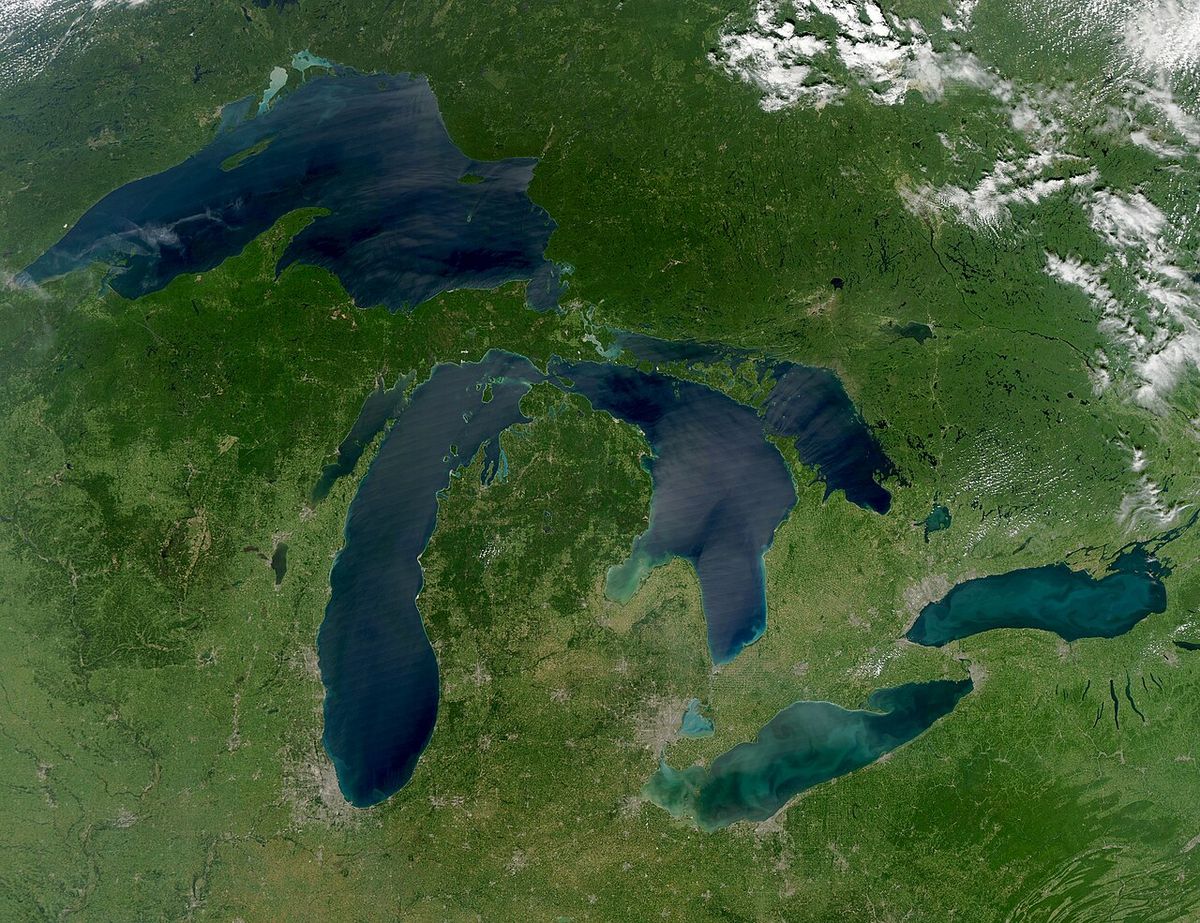
The species has a broad native range across central and eastern North America. Its distribution extends from the Rio Grande River north to North Dakota and southeastern Canada, and eastward through the Great Lakes region to the Atlantic Coast. Through human introduction, the yellow bullhead's range now also includes parts of the western United States, with populations established as far north as Washington state. This wide distribution demonstrates its ability to live in different freshwater conditions across the continent.
Reproduction and Life Cycle
Yellow bullheads exhibit monogamous breeding behaviour, with spawning typically commencing in mid-May or early June. Both the male and female participate in building a nest, which is often a natural cavity or a saucer-shaped depression created near submerged cover like tree roots or sunken logs. The female lays between 300 and 700 eggs at a time in a gelatinous mass, with a total clutch size that can reach up to 4,300 eggs deposited into the nest. After the eggs are fertilized, the male takes on the primary role of guardian, protecting the nest and fanning the eggs to ensure proper oxygenation.
The eggs hatch relatively quickly, usually within five to seven days. The male then herds the newly hatched fry into tight schools, and both parents provide protection until the young fish reach a length of approximately five centimetres. Sexual maturity is achieved after two to three years, by which time the fish have grown to at least 140 millimetres in length. This reproductive strategy ensures a high level of parental care for the offspring during their most vulnerable early stages.
Ecological Role and Interactions
Within its ecosystem, the yellow bullhead plays several important roles as both a consumer and a host. As a bottom-feeding scavenger, it helps cycle nutrients and clean up organic debris. Its diet of insects, molluscs, and other invertebrates positions it as a mid-level consumer in the food web. The species also has specific symbiotic and parasitic relationships with other freshwater organisms. It serves as a host for the glochidia (larvae) of certain freshwater mussels, including Cyclonaias tuberculata, Tritogonia verrucosa, and Strophitus undulatus. This relationship is crucial for the life cycle of these unionid mussels, some of which may be of conservation concern. Yellow bullheads are also parasitized by aquatic leeches. Their consumption of aquatic vegetation can influence plant community structure in some habitats. These interactions highlight the yellow bullhead's integration into complex freshwater ecological networks.
Angling and Human Use
Considered a minor game fish, the yellow bullhead is pursued by anglers, particularly those seeking a straightforward fishing experience. They are not as highly sought after as larger catfish species like channel or flathead catfish, but they offer reliable action. The fish are most commonly caught at night using natural baits presented on the bottom. Their meat is generally regarded as sweet and flavourful, providing a good food source. However, the flesh texture can deteriorate and become soft during the summer months, which is a consideration for those fishing for the table. The species' willingness to bite and its abundance in many water bodies make it a suitable target for beginner anglers and family fishing trips.
- Common baits include worms, crickets, and chicken liver.
- Fishing technique is typically bottom fishing or still-fishing near cover.
- The best times to fish are at night, dawn, or dusk.
- The meat is sweet and good flavoured but can turn soft in summer.
- They are found in sluggish creeks, rivers, ponds, and lake shallows.
- They are a minor game fish, less sought after than other catfish.
Yellow bullheads are considered a minor game fish. They can be caught on natural baits such as worms, crickets, or chicken liver fished on the bottom at night. Their meat is considered sweet and has a good flavour, but the meat can become soft in summer. They are not as sought after as other catfish. Fishermen often find them in sluggish creeks and rivers with a gravel bottom.
| Primary Technique | Common Baits | Best Time | Meat Quality Note |
|---|---|---|---|
| Bottom fishing | Worms, crickets, chicken liver | Night | Sweet, good flavour |
| Still-fishing near cover | Cut bait, dough balls | Dawn/Dusk | Can become soft in summer heat |
The yellow bullhead's meat is considered sweet and has a good flavour. However, anglers note the meat can become soft in the summer. They are considered a minor game fish. They are not as sought after as other catfish. They can be caught on natural baits fished on the bottom at night.
Taxonomy and Etymology
The yellow bullhead has been classified under both the genus Ictalurus and Ameiurus, with Ameiurus natalis being the currently accepted scientific name. The genus name Ameiurus is derived from Greek, meaning 'privative curtailed,' in reference to its caudal fin which lacks a distinct notch. The specific epithet natalis is Latin for 'of birth.' The species was first described by the French naturalist Charles Alexandre Lesueur in 1819. Lesueur assigned the common name 'Pimelode Noël' at the time of description. This name is believed to commemorate the naturalist Simon Barthélemy Joseph Noël de la Morinière (1765 to 1822) and may also be the source of the specific name 'natalis,' as 'Noël' is French for Christmas, a birth-related term. However, Lesueur did not explicitly state the derivation in his original work. The common name 'yellow bullhead' directly references the distinctive bright colouration of the fish's underside.
Key Distinguishing Features
The yellow bullhead can be easily distinguished from the brown bullhead and the black bullhead by the group of white barbels under its chin. Its anal fin has anywhere between 24 and 27 constituent rays, which is more than that of other bullheads. The underside of its head and body are bright yellow, yellow white, or bright white. The rear edge of its caudal fin is rounded, and its eyes are generally smaller than those of the snail bullhead or the flat bullhead.
- White or bright yellow chin barbels, unlike the dark barbels of other bullheads.
- 24 to 27 rays in the anal fin, which is more than other bullhead species.
- A rounded caudal fin edge, lacking a distinct notch.
- No lateral extensions on the upper (premaxillary) tooth patch, unlike flathead catfish.
- Smaller eyes than the snail bullhead (A. brunneus) or the flat bullhead (A. platycephalus).
- No blotch at the base of the dorsal fin.
- Less pronounced mottling on the back compared to the brown bullhead (A. nebulosus).
- A bright yellow, yellow-white, or white underside.
The white barbels under its chin provide a reliable means of distinguishing it from the brown and black bullhead. The high anal fin ray count, with 24 to 27 rays, is another key identifying feature. The yellow bullhead is typically yellow-olive to slate black on the back, with lighter, more yellowish sides. Its pectoral spines are barbed posteriorly like those of the brown bullhead. There is no blotch at the base of its dorsal fin.
Questions about Yellow bullhead
Where can you find yellow bullhead in Canada?
Yellow bullheads are native to southeastern Canada, with their range extending through the Great Lakes region. They inhabit freshwater systems such as the shallow, weedy areas of lakes, slow-moving rivers, backwaters, and ponds. They are bottom dwellers, often found over soft substrates like muck, sand, or gravel. Their adaptability means they can be present in a variety of water conditions across this region.
How do you identify a yellow bullhead?
The key identifying feature of a yellow bullhead is the group of white or bright yellow barbels (whiskers) under its chin. Its body colour is typically yellow-olive to slate black on the back with lighter yellowish sides and a bright yellow or white belly. It has a rounded tail fin and 24 to 27 rays in its anal fin. It lacks the strong mottling of the brown bullhead and does not have a blotch at the base of its dorsal fin.
What is the best bait for catching yellow bullhead?
Yellow bullheads are best caught using natural baits fished on the bottom. Highly effective options include worms, crickets, and chicken liver. They are opportunistic feeders and will also take cut bait or dough balls. Fishing at night or during dawn and dusk periods typically yields the best results, as they are primarily nocturnal feeders.
How big do yellow bullhead get?
Yellow bullheads are medium-sized catfish. They commonly reach about 22.5 centimetres (8.9 inches) in length and rarely exceed 0.91 kilograms (2 pounds). The maximum recorded size is 60 centimetres (24 inches) in length and 2.89 kilograms (6 pounds 6 ounces). They have a lifespan of up to 12 years in the wild.
What do yellow bullhead eat?
Yellow bullheads are voracious scavengers with a diverse diet. They eat both plant and animal matter, including worms, insects, snails, minnows, clams, crayfish, and other small aquatic organisms. They also consume significant amounts of aquatic vegetation and decaying animal matter. They locate food at night by using their sensitive barbels to feel and taste the river or lake bottom.
When do yellow bullhead spawn?
Yellow bullheads spawn in the late spring, with spawning activities beginning in mid-May or early June. They form monogamous pairs and build nests near submerged cover like logs or roots. The female can lay up to 4,300 eggs in total, which the male guards and fans until they hatch in five to seven days. Both parents then protect the school of fry until they are about five centimetres long.
Sources and further reading
- Yellow bullhead (Wikipedia)
- Yellow Bullhead | Missouri Department of Conservation (mdc.mo.gov)
- Fishing for Yellow Bullhead Catfish in Central Park (centralparkfishing.com)
Checked by the Your Space Hamilton desk. Last updated 2026-10-31.