Muskellunge
The muskellunge (Esox masquinongy), commonly called muskie, is a large, predatory freshwater fish native to North America and the largest member of the pike family. It holds significant cultural and recreational value in Canada, particularly in the Great Lakes region, where it is a prized trophy for anglers. The species is distinguished by its elongated body, ambush hunting tactics, and variable markings ranging from vertical bars to spots. Due to its slow growth and vulnerability to overfishing, muskellunge populations are carefully managed through stocking programs and fishing regulations across its range.
Etymology and Naming
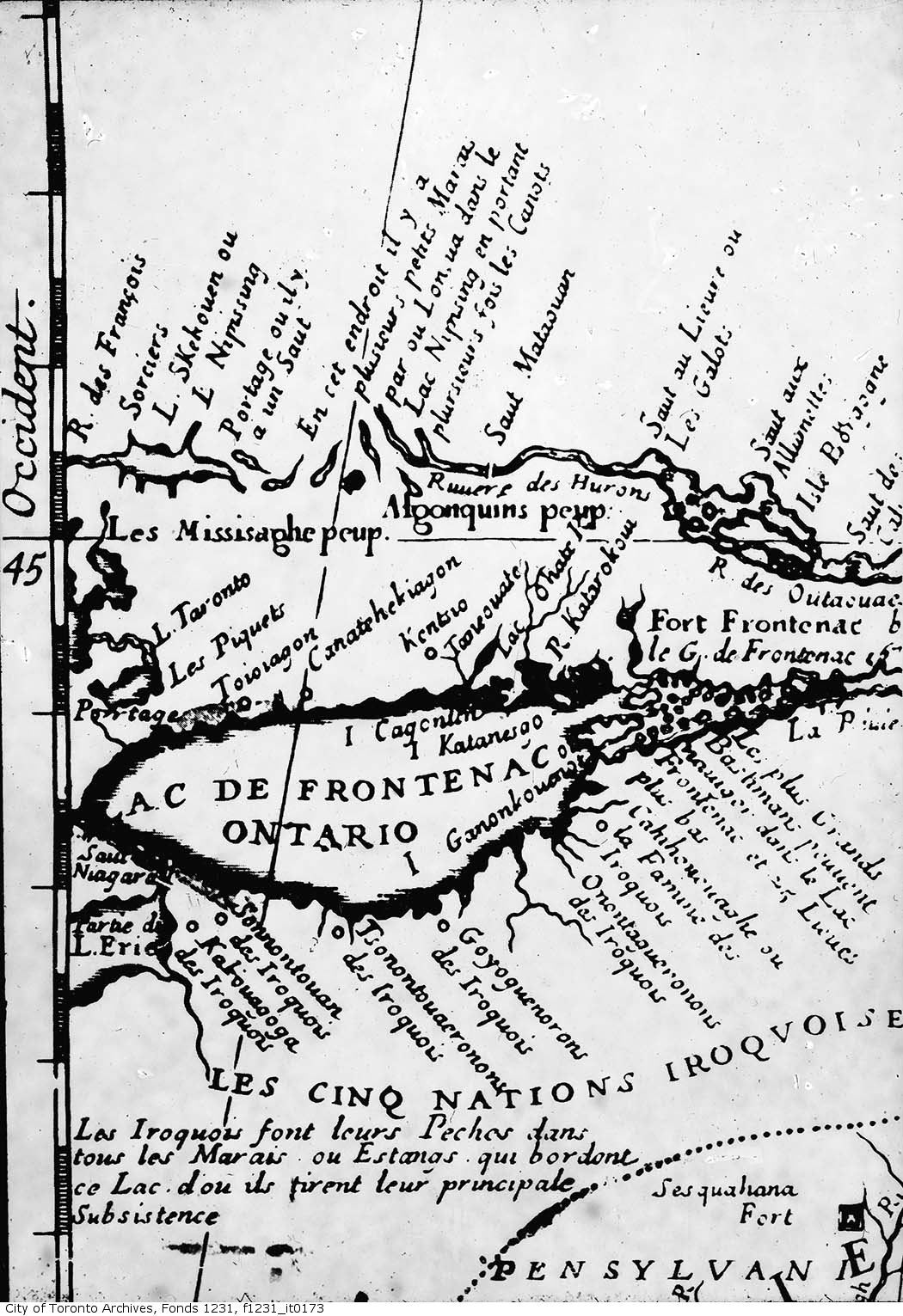
The name 'muskellunge' is derived from the Ojibwe word 'maashkinoozhe', which translates to 'ugly pike'. This term was borrowed into Canadian French as 'masquinongé' or 'maskinongé' before becoming standardized in English. Historically, the species was known by a remarkable variety of names, with at least 94 different common names recorded before 'muskellunge' became the accepted term. These historical variants included muskelunge, muscallonge, maskinonge, and masquenongez, reflecting regional pronunciations and spellings. The persistence of the Ojibwe root in the common name highlights the fish's long-standing significance to Indigenous peoples in its native range.
Subspecies and Hybrids
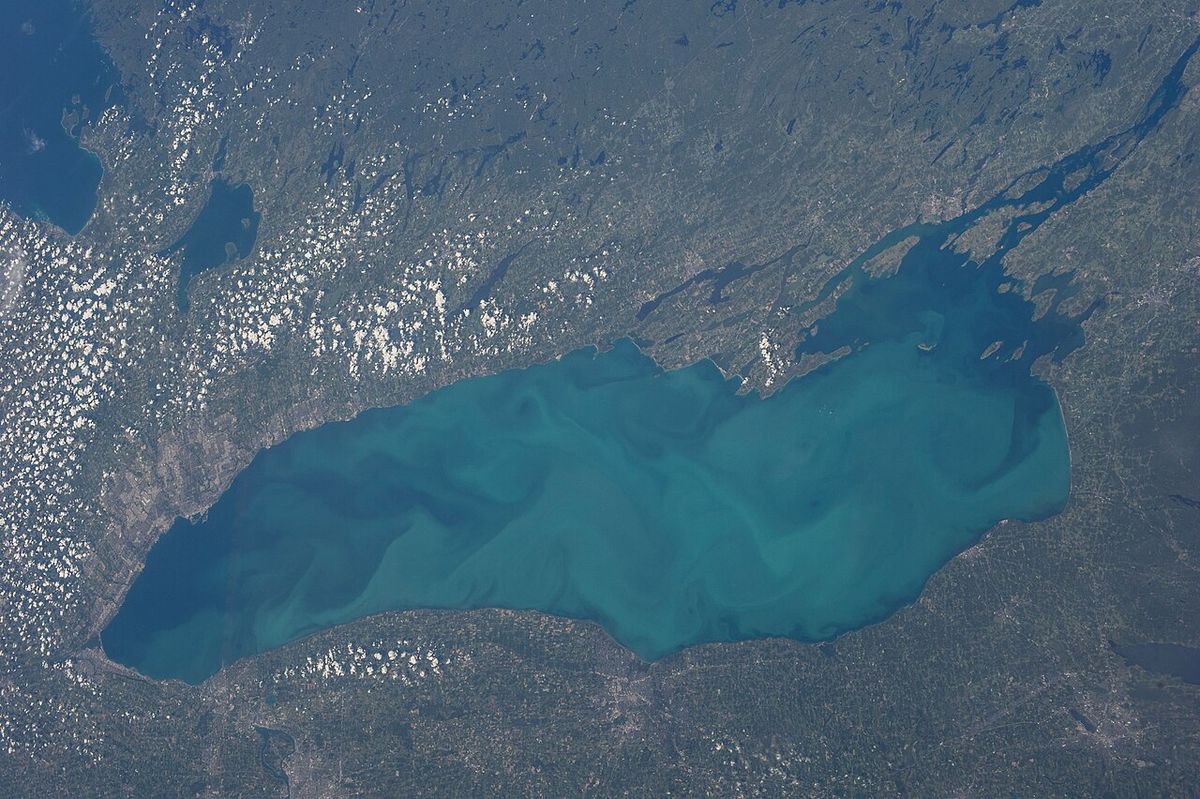
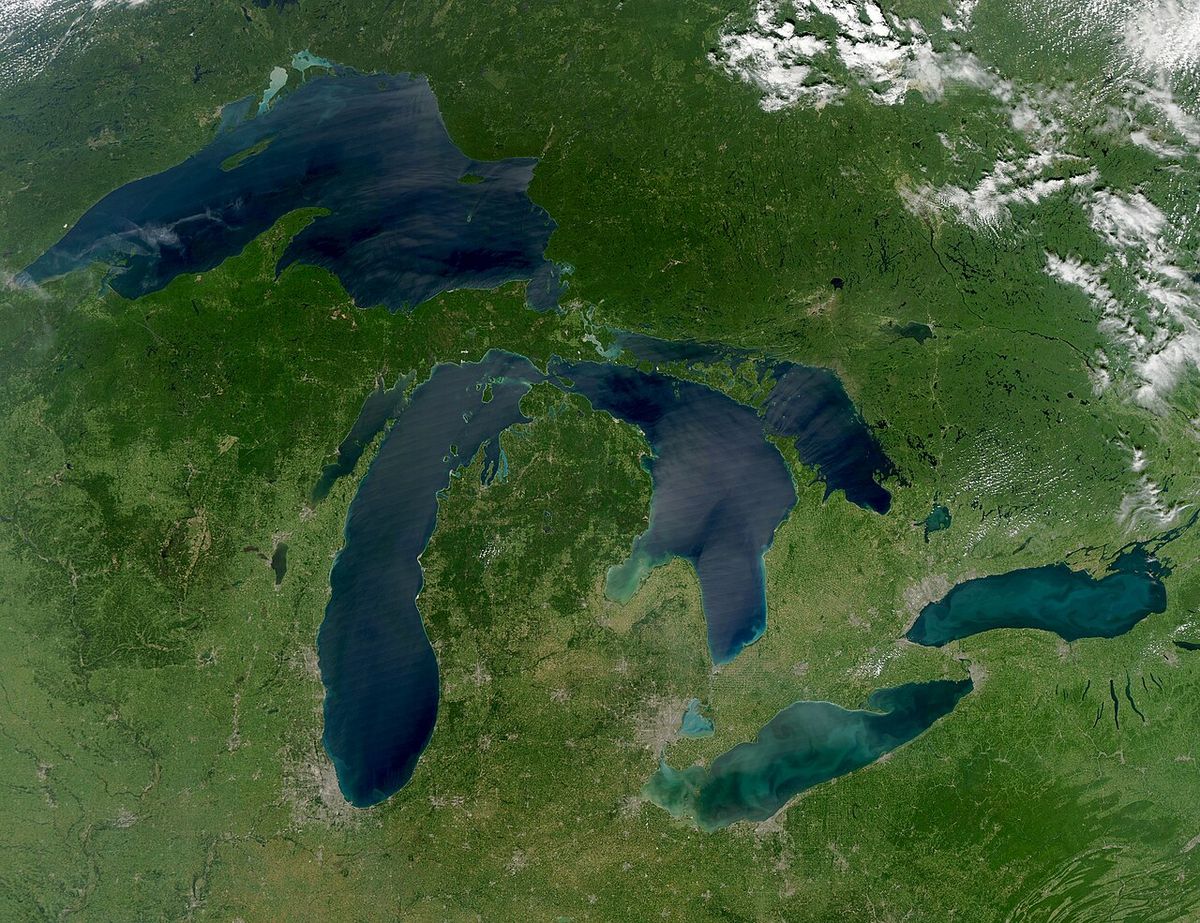
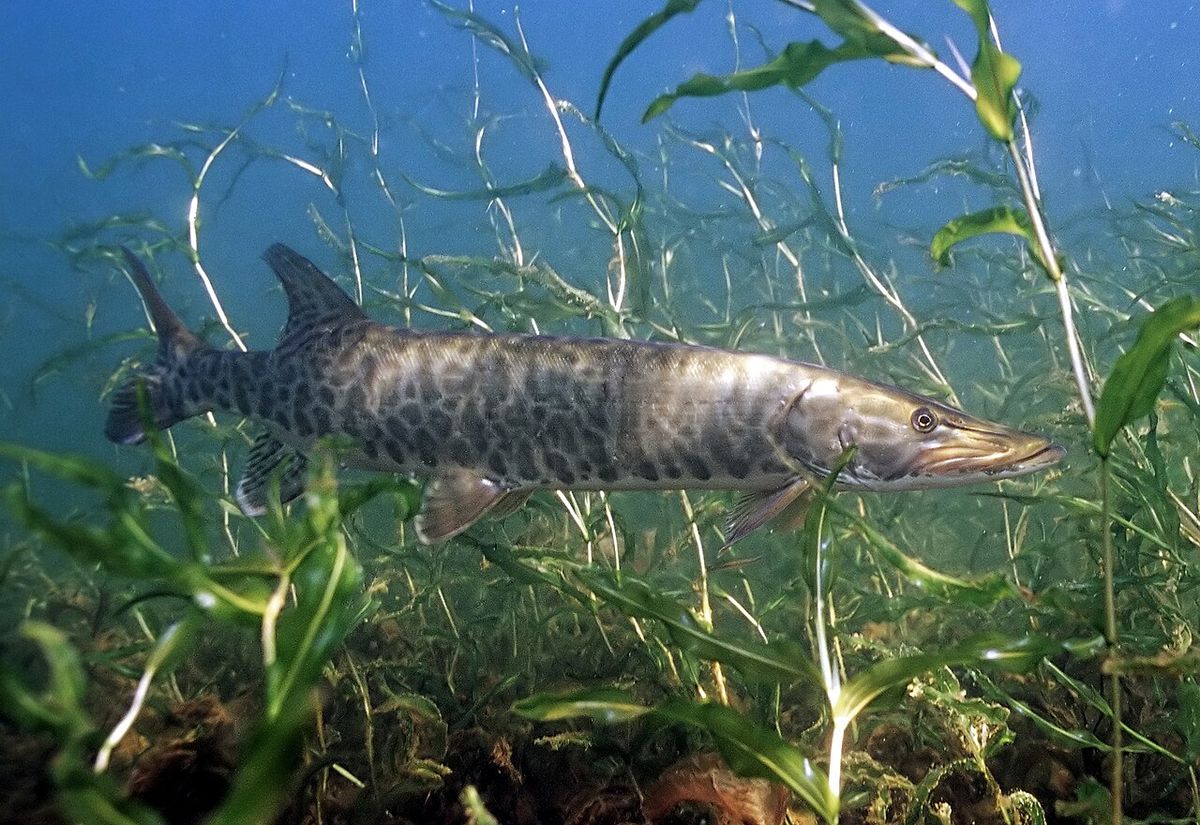
Zoologists generally recognize three subspecies of muskellunge, though classification can be complicated by interbreeding. The most common is the Great Lakes or spotted muskellunge (E. m. masquinongy), found throughout the Great Lakes basin and characterized by spots on its body that form oblique rows. The Chautauqua or barred muskellunge (E. m. ohioensis) is known from the Ohio River system, Chautauqua Lake, Lake Ontario, and the St. Lawrence River. The clear muskellunge (E. m. immaculatus) is most prevalent in the inland lakes of Minnesota, Wisconsin, northwestern Ontario, and southeastern Manitoba and often lacks prominent markings.
A well-known hybrid is the tiger muskellunge, a cross between a muskellunge and a northern pike (Esox lucius). These hybrids are sterile, though females may still exhibit spawning behaviours. Tiger muskies are often artificially produced and stocked for angling, as they grow faster than pure muskies in their early years. However, they do not live as long or reach the ultimate size of a pure muskellunge, making them a different type of fishery resource. The tiger muskie is found in stocked locations like the Pineview Reservoir in Utah, one of three such sites in that state.
Physical Description and Identification
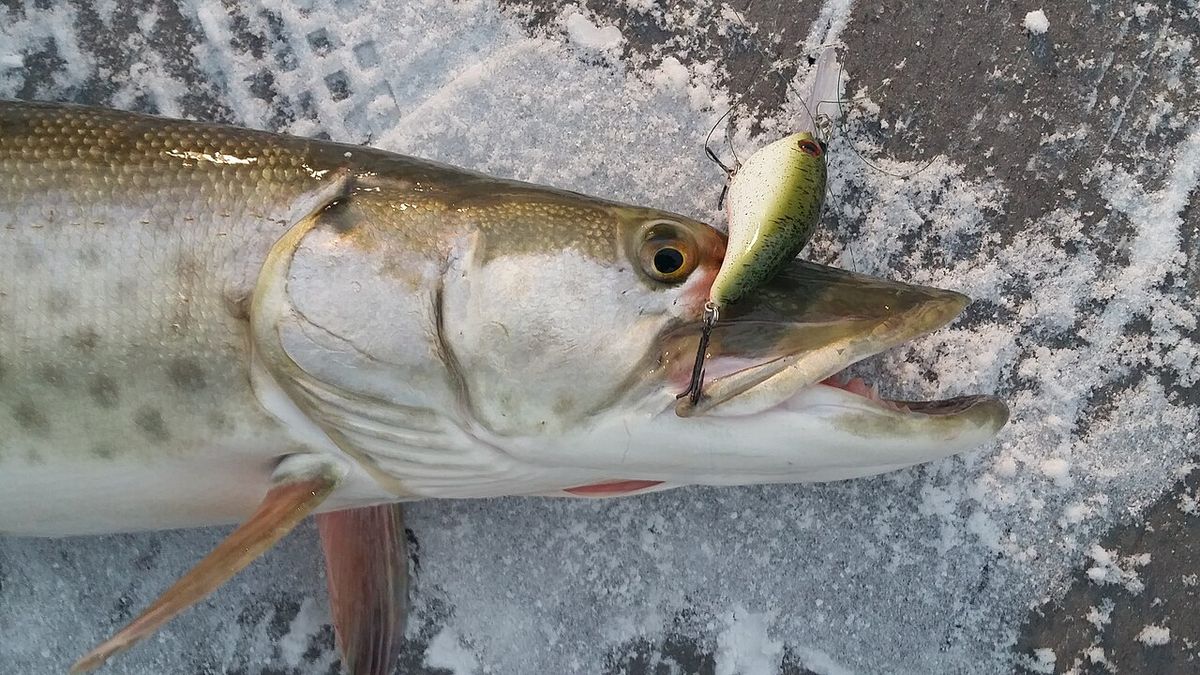
Muskellunge possess the classic elongated body and flattened head of an ambush predator, with dorsal, pelvic, and anal fins set far back. Their coloration is typically a light silver, brown, or green, adorned with dark vertical stripes that may break into spots. In turbid waters, fish may have no markings at all. This light background with dark markings is the opposite of the northern pike, which has a dark body with light spots. Reliable identification involves counting the sensory pores on the underside of the lower jaw, where a muskie will have seven or more pores per side, while a northern pike has six or fewer.
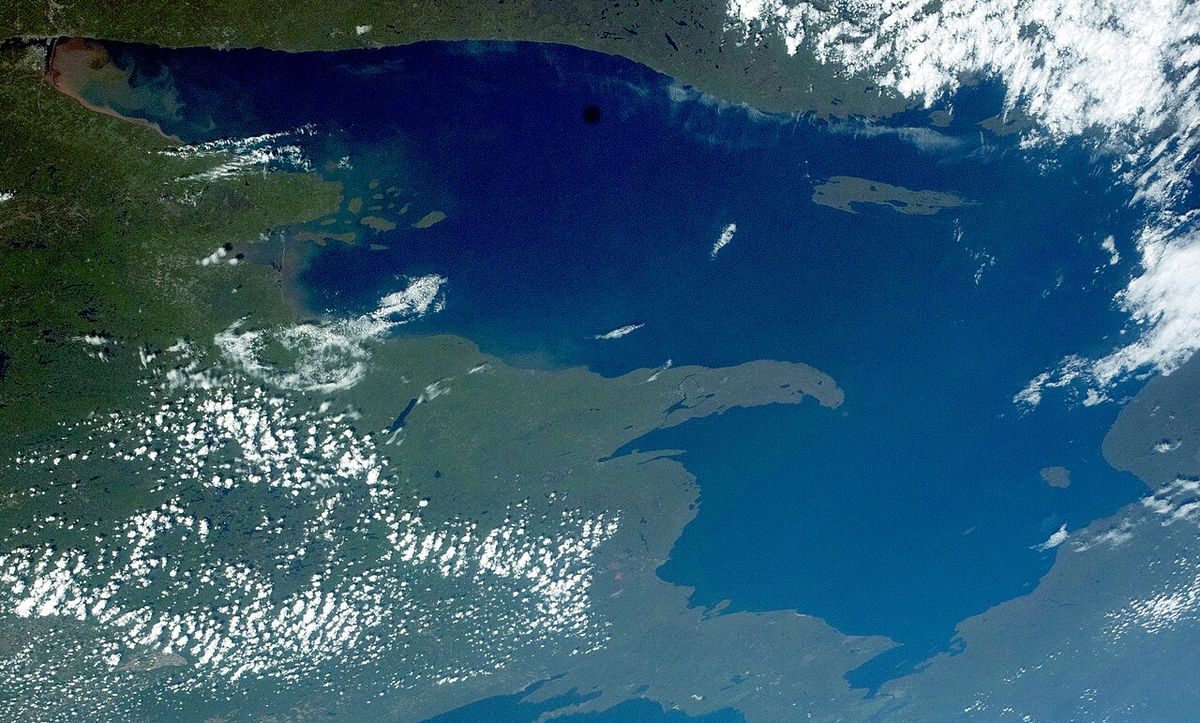
Additional distinguishing features include the sharper points on the lobes of the muskellunge's tail fin compared to the more rounded lobes of a pike. Muskies also lack scales on the lower half of their gill covers (opercula), a detail absent in northern pike. While typical sizes range from 70 to 120 centimetres and 7 to 16.5 kilograms, exceptional individuals can approach 1.8 metres and 30 kilograms. A notable Canadian catch was a 27.8-kilogram muskie caught by Martin Arthur Williamson in Georgian Bay in November 2000. The relationship between a muskie's length and weight is expressed by a power-law equation where the exponent b is approximately 3.325, indicating weight increases rapidly with length.
Habitat and Range
The native range of the muskellunge spans oligotrophic and mesotrophic lakes and large rivers across a broad swath of North America. Its core distribution extends from Michigan, Wisconsin, and Minnesota through the Great Lakes region, north throughout most of the St. Lawrence River drainage in Canada, and throughout the upper Mississippi Valley. Isolated populations exist as far south as the Tennessee River valley near Chattanooga and in the Broad River in South Carolina, with several North Georgia reservoirs also supporting healthy stocked populations. In Canada, the species is also found in the Red River drainage of the Hudson Bay basin.
Muskellunge have been introduced outside their native range, such as into the western Saint John River in New Brunswick in the late 1960s, from where they have spread to connecting waterways in northern Maine. They prefer clear waters and are often found lurking along weed edges, rock outcrops, or other structures to rest. An individual fish will establish two distinct home ranges in summer: a smaller shallow range and a larger deeper one. The shallow range is generally much smaller due to water heating up, and the fish patrols both areas in search of prey under suitable water temperatures.
Diet and Feeding Behaviour
As the apex predator in its ecosystem, the muskellunge has a varied and opportunistic diet. It is an ambush hunter, striking swiftly and swallowing prey head-first. Its diet includes all varieties of fish present in its habitat, including other muskellunge, making cannibalism a factor in population dynamics. Muskies will also consume insects, muskrats, rats, mice, frogs, and ducks. They are capable of taking prey up to two-thirds of their own body length due to their expansible stomachs.
Feeding behaviour is influenced by environmental factors, with a notable synchronization to the lunar cycle. During both full and new moons, feeding activity increases, likely because the increased moonlight simulates daytime conditions ideal for hunting. While there are anecdotal reports of large muskies attacking small dogs or even humans, such incidents are extremely rare and often exaggerated. The species' role as a top predator means it plays a crucial part in controlling fish community structure. Muskellunge are sometimes gregarious, forming small schools in distinct territories while hunting.
Reproduction and Life Cycle
Muskellunge spawn in mid- to late spring, somewhat later than northern pike, over shallow, vegetated areas. They prefer a rock or sand bottom to prevent their eggs from sinking into mud and suffocating. Males arrive first to establish dominance over territories, and spawning may last from five to ten days, occurring mainly at night. The eggs are negatively buoyant and slightly adhesive, allowing them to stick to plants and the lake bottom. After spawning, the adults provide no parental care, abandoning the eggs.
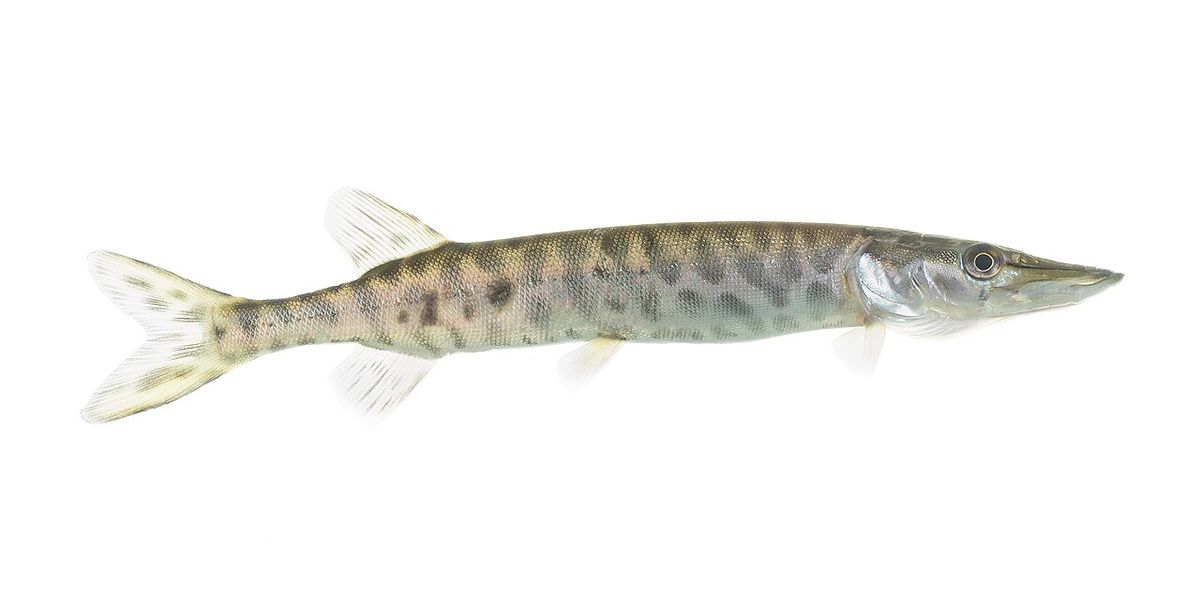
Embryos hatch within two weeks if they avoid predation by fish, insects, or crayfish. The larvae initially survive on their yolk sac until their mouths are fully developed, at which point they begin feeding on copepods and other zooplankton. They transition to preying on fish soon after. Juveniles grow rapidly, typically reaching about 30 centimetres in length by their first November. The muskellunge's life history is characterized by a low reproductive rate and slow growth, which makes populations particularly sensitive to overharvest. This vulnerability has prompted extensive artificial propagation programs to maintain fishing opportunities.
Conservation, Angling, and Management
The muskellunge's popularity as a trophy fish, combined with its vulnerable life history, necessitates careful fisheries management. Its slow growth and low reproductive rate render populations highly vulnerable to overfishing and habitat destruction. Consequently, many jurisdictions have implemented strict regulations, including size and catch limits, and operate artificial propagation and stocking programs to maintain sustainable fisheries. In areas where muskies are not native, such as Maine, anglers are often encouraged not to release caught fish due to their potential negative impact on native trout and other species.
The International Game Fish Association (IGFA) world record for muskellunge is a 30.5-kilogram fish caught by Cal Johnson in Lac Courte Oreilles, Wisconsin, on July 24, 1949. The fish measured 153 centimetres in length with a girth of 84 to 86 centimetres. The pursuit of such large specimens drives a dedicated angling community across Canada and the northern United States. Management strategies must balance this angling demand with the biological limits of the species, often focusing protection on large, mature fish that are critical for spawning.
- Primary Threat: Overfishing due to slow growth and low reproduction.
- Management Tools: Size limits, catch limits, seasonal closures, habitat protection.
- Population Support: Widespread artificial stocking and propagation programs.
- Non-Native Impact: Potential predator on native fish species where introduced. Release discouraged in places like Maine.
- Angling Status: Prized as a challenging trophy fish. Subject to specific trophy regulations.
- World Record: 30.5 kg (67 lb 8 oz), 153 cm long, caught July 24, 1949 in Lac Courte Oreilles, Wisconsin.
- Notable Canadian Catch: 27.8 kg (61.25 lb) muskie caught in Georgian Bay, November 2000.
Predators and Population Dynamics
Adult muskellunge sit at the top of the aquatic food web, with few natural predators. Only humans and, on rare occasions, large birds of prey like bald eagles pose a threat to a full-grown muskie. The dynamic shifts dramatically for juveniles, which are consumed by a wider range of species including other muskies, northern pike, bass, trout, and birds of prey. This high juvenile mortality is a natural population control, but it also means that successful recruitment of adults is limited. The species' status as an apex predator also means its presence or absence can significantly influence the overall fish community structure in a lake or river system.
This predator-prey structure is a key reason why sustainable fishing practices are critical. Heavy angling pressure on adult fish can quickly deplete a population that is already naturally limited by low reproductive success. The muskellunge's low reproductive rate and slow growth combine with this predation pressure on juveniles to create a population dynamic that requires active management to prevent collapse. Artificial propagation programs are a direct response to this vulnerability, attempting to maintain fishable populations where natural reproduction is insufficient to support angling effort.
Attacks and Human Interactions
Documented attacks on humans by muskellunge are exceptionally rare. While the fish is a large, powerful predator capable of taking sizable prey like ducks and muskrats, incidents involving people are largely anecdotal and often greatly exaggerated. The primary ecological concern regarding human interaction is the intentional or accidental introduction of muskies into non-native waterways. In these introduced ecosystems, they can negatively impact populations of native fish like trout, which is why fisheries managers in places like Maine advise anglers not to release them. The muskellunge's role is firmly established as a dominant aquatic predator, but its threat is ecological rather than direct to human safety.
Questions about Muskellunge
What is a muskellunge?
The muskellunge, or muskie, is a large freshwater predatory fish and the biggest member of the pike family (Esocidae) native to North America. It is characterized by an elongated body, a flattened head, and fins set far back, adapted for ambush hunting. The fish is highly sought after by anglers as a prestigious trophy due to its size and challenging nature. Its name originates from the Ojibwe word 'maashkinoozhe', meaning 'ugly pike'.
Where can you find muskellunge in Canada?
In Canada, muskellunge are found throughout the Great Lakes basin, most of the St. Lawrence River drainage, and the inland lakes of northwestern Ontario and southeastern Manitoba. They also inhabit the Red River drainage in the Hudson Bay basin. The species has been introduced to the Saint John River system in New Brunswick, where it has since spread to connected waterways. They prefer clear lakes and large rivers with vegetated edges or structural features like rock outcrops.
How can you tell a muskellunge from a northern pike?
The most reliable method to distinguish them is by counting the sensory pores on the underside of the mandible. A muskellunge will have seven or more pores per side, while a northern pike never has more than six. Colouration also differs, as muskellunge typically have a light silver, brown, or green body with dark vertical stripes or spots, whereas northern pike have dark bodies with light markings. The lobes of the muskellunge's tail fin come to a sharper point compared to the more rounded lobes of the pike, and muskellunge lack scales on the lower half of their gill covers.
What is a tiger muskie?
A tiger muskellunge is a sterile hybrid produced by crossing a true muskellunge with a northern pike. These fish are often artificially bred and stocked for angling because they exhibit faster early growth rates than pure muskies. However, they do not live as long or achieve the same ultimate size as their purebred relatives. Tiger muskies may display a barred pattern, hence the 'tiger' name, and are a popular management tool in fisheries where pure muskie reproduction is limited.
What is the world record muskellunge?
The all-tackle world record muskellunge recognized by the International Game Fish Association (IGFA) weighed 30.5 kilograms (67 pounds, 8 ounces). It was caught by Cal Johnson in Lac Courte Oreilles (Lake Courte Oreilles) near Hayward, Wisconsin, on July 24, 1949. The fish measured 153 centimetres (60.25 inches) in length and had a girth of 84 to 86 centimetres. Large Canadian specimens have also been recorded, such as a 27.8-kilogram muskie caught in Georgian Bay, Ontario, in November 2000.
Are muskellunge dangerous to humans?
Attacks on humans by muskellunge are extremely rare and largely anecdotal. While the fish is a large, powerful apex predator capable of taking sizable prey, incidents involving people are greatly exaggerated. The primary danger associated with muskies is ecological, particularly to other fish species. In ecosystems where they are introduced outside their native range, they can negatively impact populations of native fish like trout, which is why release is discouraged in some areas.
Sources and further reading
- Muskellunge (Wikipedia)
- Muskallonge Lake State Park (tahquamenoncountry.com)
Checked by the Your Space Hamilton desk. Last updated 2026-10-20.