Lake Superior agate
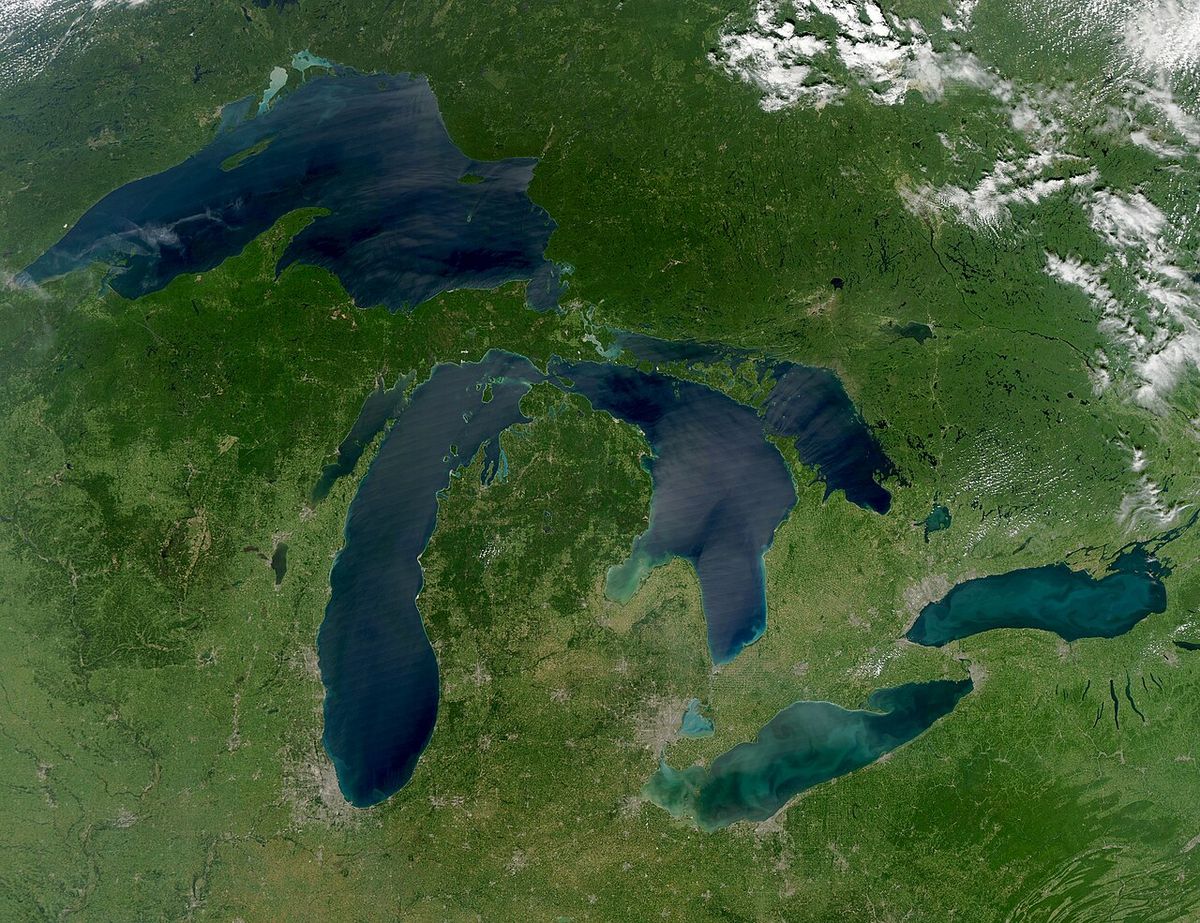
The Lake Superior agate is a distinctive and ancient gemstone originating from the volcanic basalt of the Lake Superior basin, known for its bands of red, orange, and white. Formed roughly 1.1 billion years ago during the Midcontinent Rift, these agates are considered among the world's oldest and were designated as Minnesota's official state gemstone in 1969. Their widespread distribution across the upper Midwest and central North America is the result of glacial transport during the Pleistocene ice ages, scattering them far from their original source. Today, hunting for these colourful stones is a popular recreational activity along the shores of Lake Superior and in glacial deposits, with communities like Moose Lake, Minnesota, celebrating the agate through annual festivals and its status as the self-proclaimed 'agate capital of the world'.
Geological Origins and Formation
The Lake Superior agate's story begins approximately 1.1 billion years ago during the Mesoproterozoic era, a period marked by the massive geological event known as the Midcontinent Rift. As the North American continent began to pull apart, a rift valley over 2,000 kilometres long formed, stretching from present-day Lake Superior southwest towards Kansas. Volcanic activity along this rift spewed forth iron-rich lava flows, which solidified into layers of basalt. Within these flows, bubbles of water vapour and carbon dioxide became trapped, creating cavities known as vesicles. In the eons that followed, silica-rich groundwater, laden with iron oxides, seeped into these empty spaces. This gel slowly crystallised, depositing microscopic layers of chalcedony and iron in concentric rings, ultimately forming solid agate nodules. The distinctive red and orange banding that defines these agates is a direct result of the iron content in the percolating fluids, with different oxidation states creating the varied hues.
For nearly a billion years, most of these agates remained locked within their host basalt. Their liberation came during the Pleistocene ice ages, when massive glaciers advanced south from Canada. These continental ice sheets scoured the landscape, crushing the softer basalt and plucking out the much harder agate nodules. The glaciers acted as immense conveyor belts, transporting the agates across vast distances before depositing them as part of the glacial till, the unsorted mixture of clay, sand, gravel, and boulders left behind as the ice retreated. The final glacial period, which ended roughly 10,000 years ago, was particularly instrumental in shaping the modern distribution of agates, with lobes like the Superior lobe carrying them into Minnesota and beyond. This glacial history explains why Lake Superior agates can be found far from their point of origin, embedded in gravel deposits across several states and provinces.
Varieties and Classification
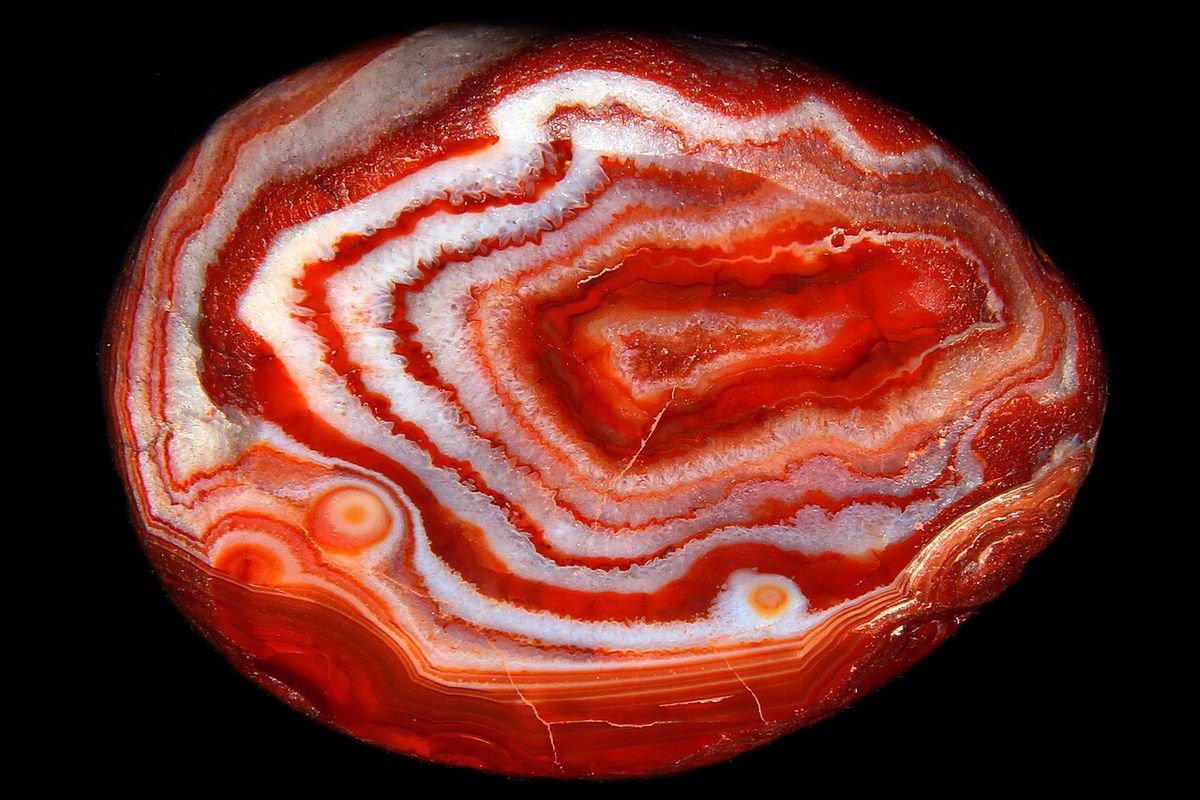
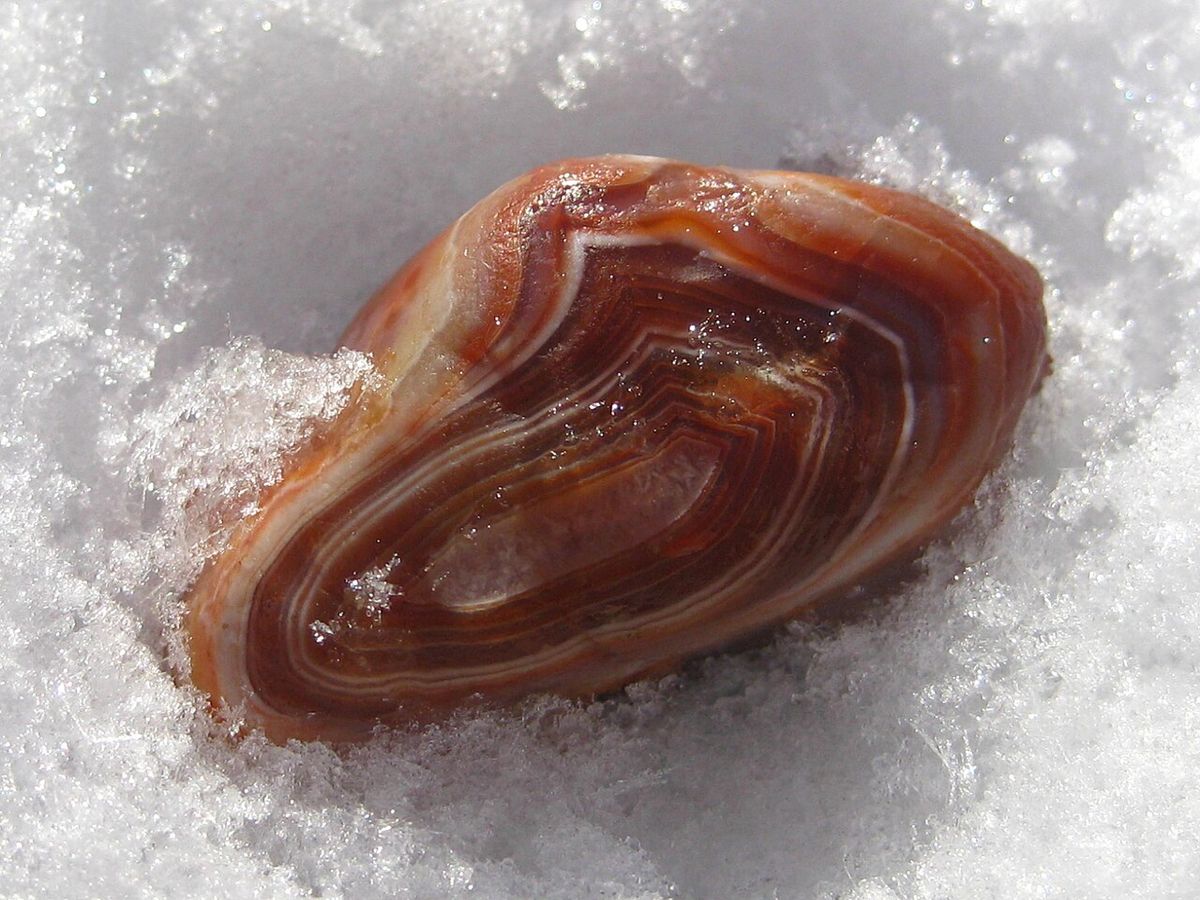
Lake Superior agates exhibit a remarkable diversity in appearance, leading collectors and geologists to classify them into numerous varieties based on their internal patterns, inclusions, and formation history. The value and desirability of a specimen can vary dramatically depending on its type, with some common forms being widely collected and others considered rare treasures. The most fundamental characteristic is the presence of banding, created by the rhythmic deposition of minerals within the stone's cavity. Among the most common and recognizable types is the fortification agate, named for its concentric bands that resemble the aerial view of a fortress. These typically feature alternating colours like red and white. Water-level agates, with straight, parallel bands formed under the influence of gravity, are also frequently encountered.
Other common varieties include moss agates, which contain dark, dendritic, fern-like patterns of iron oxides, and tube agates, which feature tunnel-like structures formed around needle-shaped mineral inclusions. Surface-stained agates have colouration only on their exterior from contact with iron-rich groundwater, while banded quartz agates contain significant portions of visible, crystalline quartz. Uncommon and rare varieties are highly prized by collectors. Eye agates feature one or more circular, concentric 'eyes' on their surface, which are hemispherical structures that formed on the agate's husk. Paint agates have opaque, vividly coloured bands in shades like pink, blue, or tan and are often found still within their host rock. Sagenitic agates contain delicate, radial sprays of needle-like zeolite crystals. The rarest and most valuable variety is the copper replacement agate, found almost exclusively in the Keweenaw Peninsula of Michigan. In these unique stones, bands of pure native copper alternate with cream-coloured chalcedony, a result of the region's rich copper mineralization.
- Fortification Agate: Concentric, fortress-like banding. A widely recognized variety.
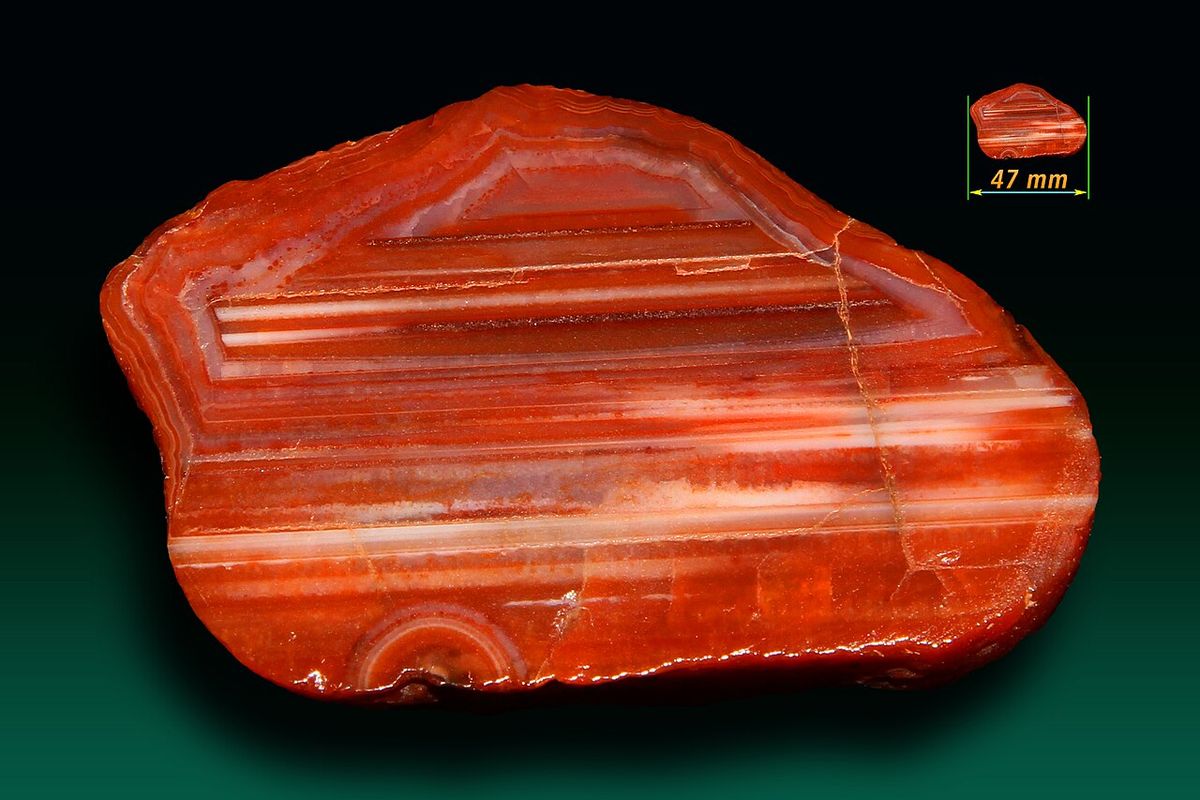
- Water-level Agate: Straight, parallel bands formed by gravitational settling.
- Eye Agate: Features circular 'eye' patterns on the surface. A collector favourite.
- Paint Agate: Opaque, brightly coloured bands. Often found in host rock.
- Copper Replacement Agate: Bands of native copper. Exceptionally rare and valuable.
- Sagenitic Agate: Contains radial sprays of needle-like zeolite crystals.
- Moss Agate: Contains dark, dendritic, moss-like inclusions of iron oxide.
- Agate Geode: Hollow centre lined with quartz crystals. Uncommon in Lake Superior types.
Distribution and Hunting Locations
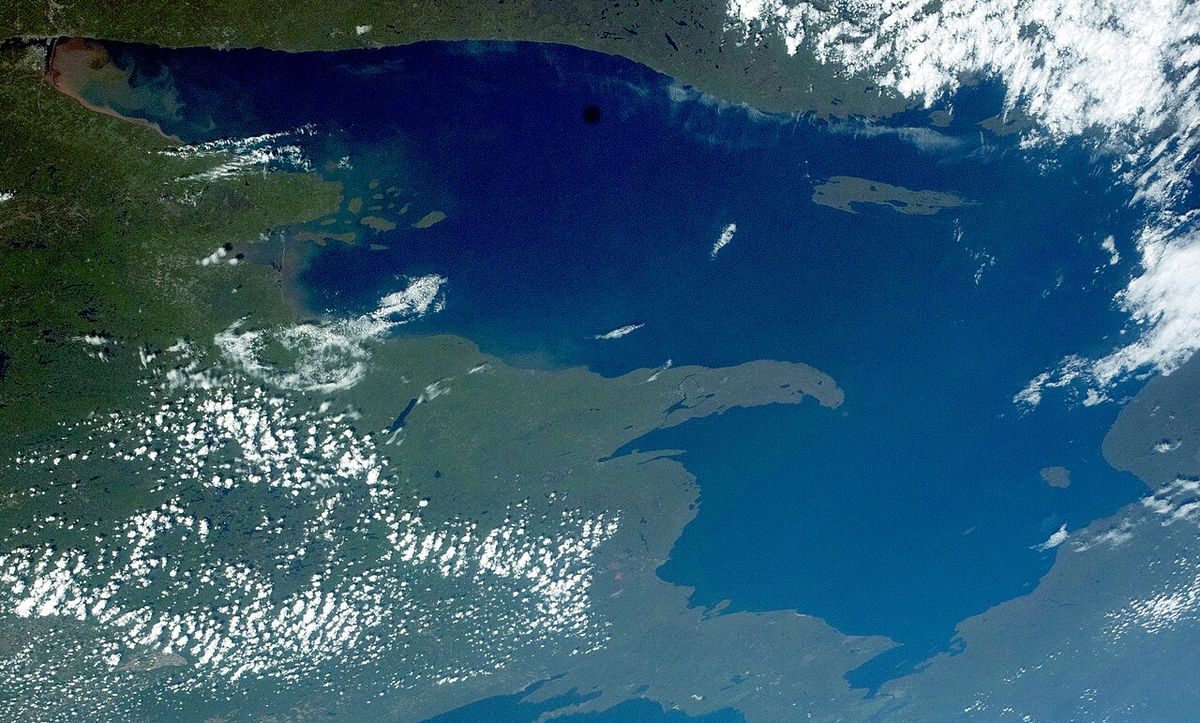
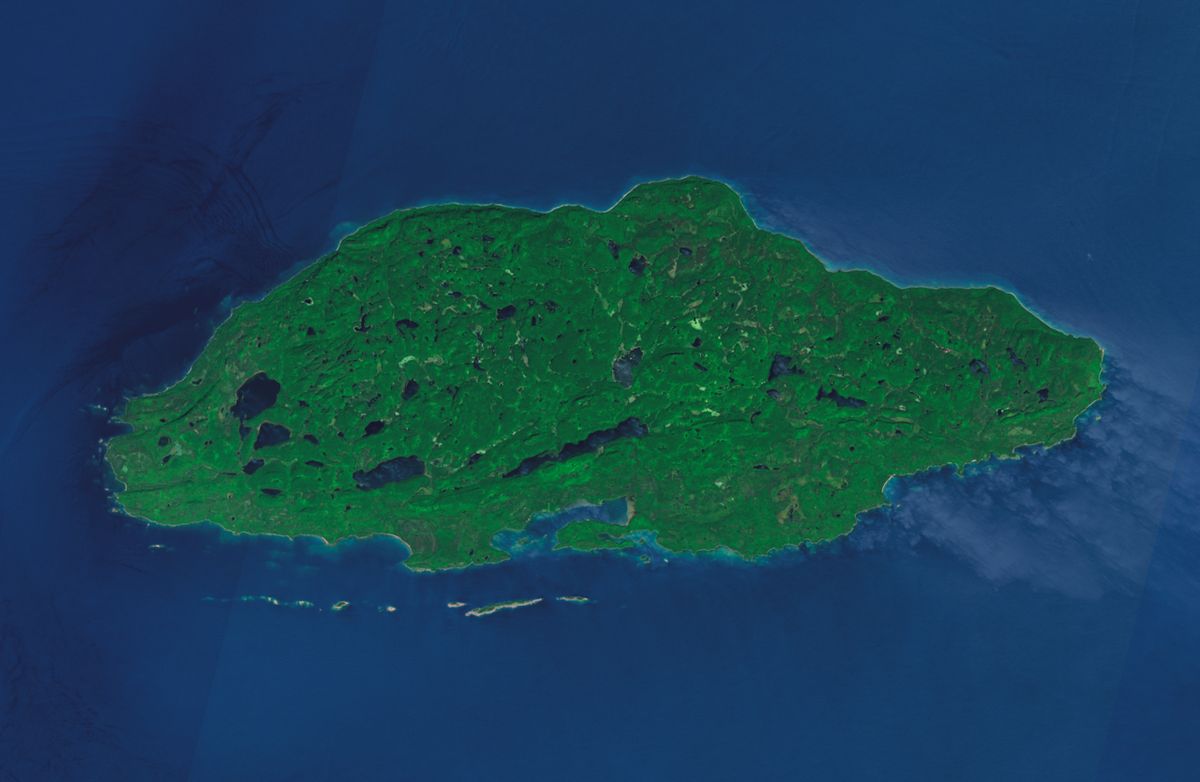
The original source of Lake Superior agates is the volcanic bedrock surrounding the lake, specifically within the North Shore Volcanic Group in Minnesota, the Portage Lake Volcanic Group in Michigan, and the Osler Volcanics on Michipicoten Island in Ontario. Agates can still be found in place within these basalt outcrops. However, glacial action has created a much broader secondary distribution, scattering agates across the landscape in deposits of glacial till. The greatest concentrations are found around Lake Superior itself, in eastern Minnesota, and in northwestern Wisconsin. Their range extends far to the southwest, with agates carried by glaciers into central Iowa, eastern Nebraska, northeastern Kansas, and northern Missouri. Isolated specimens have even been found in gravels along the Mississippi River basin as far south as Arkansas and Louisiana.
For modern rockhounds, agates are most commonly discovered in areas where this glacial gravel is exposed. Prime hunting grounds include the pebbly shores of Lake Superior, such as the well-known Agate Beach in Gooseberry Falls State Park, Minnesota, and the shores near Crisp Point Lighthouse in Michigan. Inland, riverbanks and gravel bars, the beds of dry streams, active and abandoned gravel pits, and even gravel roads and farm fields can yield specimens. After a storm on Lake Superior, waves often churn up and deposit a fresh supply of stones onto beaches, making it an ideal time for hunting. The town of Moose Lake, Minnesota, styles itself as the 'agate capital of the world' and is a central hub for collectors, home to the largest recorded Lake Superior agate on display at the First National Bank.
Uses, Value, and Lapidary Arts
The human connection to Lake Superior agates spans centuries, with evidence of Native American peoples using them for jewelry and ceremonial objects long before European contact. The modern era of agate appreciation began with formal geological description in the early 20th century and was cemented by Minnesota's official designation of the stone as its state gemstone in 1969. Today, agate collecting is a widespread hobby, driven by the stone's natural beauty and the thrill of the hunt. The value of an agate is subjective but can range from a few dollars for common specimens to hundreds or even thousands for exceptional stones with rare features like copper bands, vivid colours, or perfect eye formations. Only a small percentage of found agates are considered gem-quality.
High-grade specimens are characterized by sharp, brightly coloured banding, high translucency, minimal visible quartz, and an absence of cracks or fractures. Lower-quality stones with muddy colours, excessive quartz, or fractures are often used as tumbling rough for polishing or as decorative garden stones. The field of lapidary arts transforms raw agates into polished gems. Large nodules may be sliced with diamond saws into slabs to reveal internal patterns, then shaped and polished into cabochons for jewelry. Tumbling in rotating drums with progressively finer grit is a popular method for polishing smaller stones. A simpler technique involves applying a thin coat of mineral oil to enhance the stone's natural colour and shine, a preferred method for preserving the original surface features of a fine specimen.
Cultural Significance and Events
The Lake Superior agate holds a special place in the cultural and community life of the region, particularly in Minnesota where it is an official state symbol. This status recognises not only the stone's geological uniqueness but also its role in outdoor recreation and local heritage. The agate inspires an annual community celebration in Moose Lake, Minnesota, which has built a significant identity around the stone. The community hosts Agate Days, a festival scheduled for July 18 and 19 in 2026, which features a gem and mineral show, agate hunting activities, art vendors, and family-friendly events. This festival highlights the stone's importance as a draw for tourism and a focus for local artisans and collectors.
Beyond festivals, the agate is a centrepiece for education and appreciation of natural history. The Minnesota Department of Natural Resources provides public resources on agate identification and geology. Museums like the Gitche Gumee Agate and History Museum in Grand Marais, Michigan, dedicate space to displaying agates and other Lake Superior minerals. The act of agate hunting itself is a cherished pastime that connects people to the landscape, encouraging exploration of beaches, riverways, and forests across the upper Midwest. The stone's enduring appeal lies in its combination of ancient origin, aesthetic beauty, and the accessible adventure of finding a piece of geological history.
Identification and Hunting Tips
Identifying a Lake Superior agate among ordinary beach stones requires knowledge of its key physical characteristics. The most telling feature is its banding, though on a rough stone this may not be immediately visible. Agates are composed primarily of quartz in the form of microcrystalline chalcedony, which gives them a distinctive waxy lustre and a degree of translucency. A useful field test is to hold a candidate stone up to sunlight or shine a flashlight through it. True agates will often glow with a warm, translucent light, especially around the edges. Their typical colours are derived from iron, manifesting as shades of red, orange, yellow, and white. In terms of feel, agates are exceptionally hard and dense, often feeling heavier than other stones of a similar size due to their lack of porosity.
Successful hunting is as much about location and timing as it is about a keen eye. The best hunting often occurs after environmental disturbances that expose new material. A strong storm on Lake Superior can wash away sand and deposit a fresh layer of gravel onto beaches, significantly improving find rates. Similarly, spring meltwater or erosion along riverbanks can uncover new gravel beds. When searching, focus on areas where waves or water action have sorted the stones by size, as agates will typically be found among other pebbles of similar dimension. Patience is essential, as is respecting land ownership and local regulations. Always seek permission to hunt on private property and adhere to rules in parks, noting that some areas like Agate Island in Ontario now discourage removal of stones to preserve the natural beach.
| Characteristic | Description | Field Test |
|---|---|---|
| Banding | Concentric or parallel layers, often red/white. | Look for patterns on broken faces or edges. |
| Translucency | Light passes through the stone, especially at thin edges. | Hold up to sun or use a flashlight. |
| Lustre | Waxy, glossy appearance when wet or polished. | Wet the stone with water from the lake. |
| Hardness | Very hard (7 on Mohs scale), resistant to scratching. | Cannot be scratched by a steel knife. |
| Weight | Feels dense and heavy for its size. | Compare with other similar-sized rocks. |
Questions about Lake Superior agate
Why is it called a Lake Superior agate?
The name originates from its primary geological source region around Lake Superior, where the agates formed within billion-year-old basaltic lava flows. Although glaciers later distributed them across much of the midwestern United States and central Canada, they remain intrinsically linked to the Lake Superior basin. The term distinguishes this specific, iron-rich variety of banded agate from other types found around the world. Minnesota solidified this connection by designating the Lake Superior agate as its official state gemstone in 1969.
Where is the best place to find Lake Superior agates?
The best public locations are typically pebbly beaches along Lake Superior, such as Agate Beach in Gooseberry Falls State Park, Minnesota, or the shores near Grand Marais, Michigan. Inland, gravel pits, riverbanks, and gravel roads in regions covered by glacial till, particularly in Minnesota and Wisconsin, are productive. The town of Moose Lake, Minnesota, is a famous hub for agate hunters. Success is often highest after storms or during periods of erosion, which expose new gravel. Always verify public access or obtain permission before hunting on private land.
What is the most valuable type of Lake Superior agate?
The most valuable and sought-after variety is the copper replacement agate, found almost exclusively in the Keweenaw Peninsula of Michigan, where bands of native copper alternate with chalcedony. Other high-value types include eye agates with perfect circular patterns, paint agates with brightly coloured bands, and sagenitic agates with well-formed mineral inclusions. Value is determined by the sharpness and brightness of banding, rarity of colours like blue or green, overall size, and the absence of flaws. Exceptional specimens can be worth hundreds or even thousands of dollars.
How old are Lake Superior agates?
Lake Superior agates are approximately 1.1 billion years old, forming during the Mesoproterozoic era. They crystallised within gas bubbles in lava flows associated with the Midcontinent Rift, a period when the North American continent began to split apart. This immense age makes them among the oldest agates known in the world. They remained embedded in volcanic rock for most of their history until being released and transported by glaciers during the Pleistocene ice ages, which ended roughly 10,000 years ago.
What is Agate Days in Moose Lake?
Agate Days is a community festival held in Moose Lake, Minnesota. The event is scheduled for July 18 and 19 in 2026. It features activities such as agate hunting and a gem and mineral show. The festival is organized by the Moose Lake Area Chamber of Commerce.
How can you tell if a rock is a Lake Superior agate?
Identify a Lake Superior agate by looking for a waxy lustre, especially when the stone is wet, and a feeling of density and hardness. The most definitive test is translucency. Hold the stone to a bright light to see if it glows, particularly around thinner edges. While banding in shades of red, orange, or yellow is a key identifier, it may not be visible on the surface of an uncut stone. Agates are also resistant to scratching due to their quartz composition. Familiarizing yourself with common look-alikes and using a guide can significantly improve identification success in the field.
Sources and further reading
- Lake Superior agate (Wikipedia)
- Hunting Lake Superior Agates (lakesuperiorcircletour.info)
- Agate Days & Art in the Park, Moose Lake Area Chamber ... (mooselakechamber.com)
- Where to Find Lake Superior Agate in Michigan (rockhoundr.com)
- Lake Superior Agate: Nature Snapshots from Minnesota DNR (dnr.state.mn.us)
Checked by the Your Space Hamilton desk. Last updated 2026-10-25.