Lake Joseph
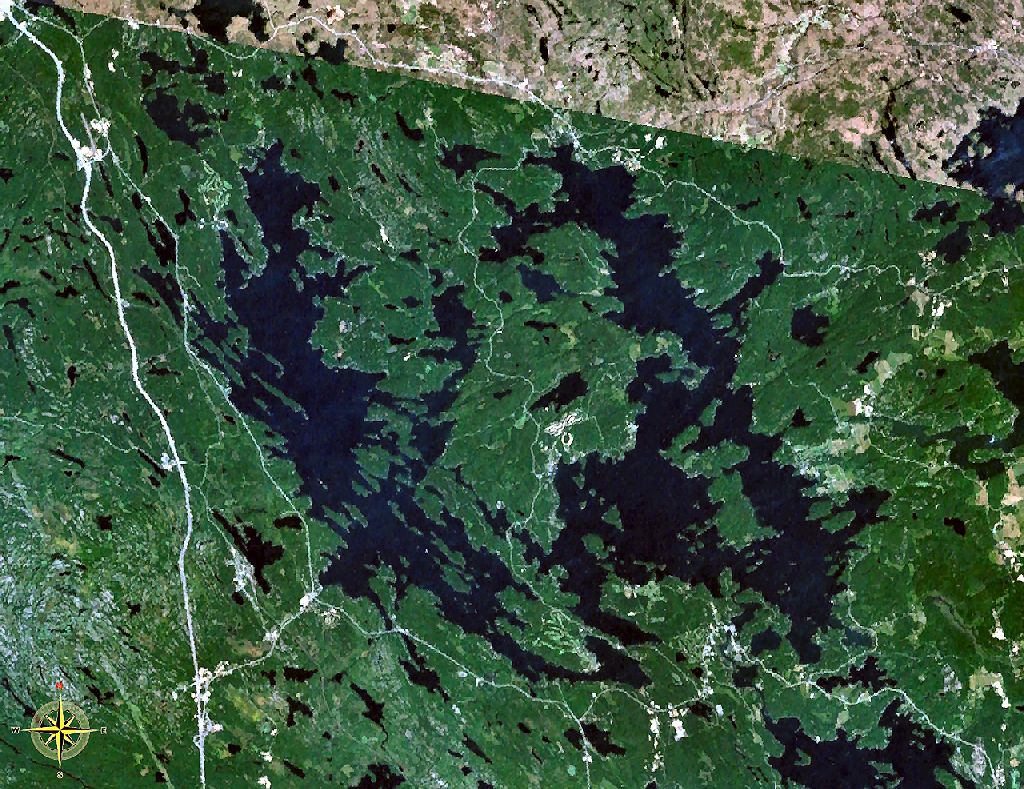
Lake Joseph is a prominent lake located within the Township of Seguin in the Muskoka region of Ontario. Situated on the rugged Canadian Shield, it is one of the three major interconnected lakes in the area, along with Lake Rosseau and Lake Muskoka. The lake is historically significant for its early cottage development, which began on its northern islands in the 1870s. It remains a central hub for recreational tourism and seasonal residences, connected to Lake Rosseau through the narrows at Port Sandfield and the Joseph River.
Geography and Geology
Lake Joseph is situated within the geological formation known as the Canadian Shield, characterized by exposed Precambrian bedrock and a thin layer of glacially deposited sandy soil. The lake's current basin was shaped by the recession of the continental ice sheet approximately ten thousand years ago, which was followed by the presence of the massive proglacial Lake Algonquin. This ancient lake, a precursor to modern Lake Huron, covered much of the Muskoka region and left behind the distinctive sandy substrates and rocky shorelines visible today. The lake's physical connection to neighbouring Lake Rosseau is through the narrow Joseph River at Port Sandfield, creating a continuous navigable waterway that is central to the area's identity. The topography features numerous islands, bays, and sheltered inlets that contribute to its appeal for boating and cottage placement. The underlying geology of the Canadian Shield meant the soil was poorly suited for the agricultural ambitions of early European settlers, directly influencing the region's shift toward tourism.
History and Traditional Territory
The lands surrounding Lake Joseph are the traditional territory of several Indigenous Nations, a fact acknowledged by modern treaty agreements. For centuries prior to European contact, the southern Muskoka region was home to the Wendat people between approximately 1300 and 1650 AD. The area is also within the ancestral lands of the Anishinaabeg, including the Ojibwe, Odawa, and Potawatomi Nations of the Three Fires Confederacy, as well as the Haudenosaunee. These territorial relationships are formally recognized through historic agreements including the J. Collins land purchase of 1785, the Robinson-Huron Treaty of 1850, and the Williams Treaties of 1923. European settlement ambitions were formally initiated by the provincial government with the Free Grants and Homestead Act of 1868, which aimed to attract immigrants for agricultural development. This policy was based on a significant overestimation of the agricultural potential of the Canadian Shield's rocky terrain, leading to its eventual failure as a farming initiative. The difficult terrain and poor soil conditions meant that the vision of creating an agricultural society in Muskoka was not viable, forcing settlers and investors to seek alternative economic foundations.
Development and Tourism
The initial infrastructure of roads, railways, and steamboat routes, originally built to support logging and farming, was repurposed to accommodate visitors from southern Ontario and the United States. Cottage development began in the 1870s, first on the lake's northern islands before spreading along its mainland shores. This established the pattern of seasonal residence that defines the lake to this day. The growth of tourism quickly became the primary economic driver for Lake Joseph and the wider Muskoka region, solidifying its reputation as a premier summer retreat. The lake's name originates from William Robinson, a Commissioner of Public Works and former member of the House of Assembly for Upper Canada from 1830 to 1840, who named both Lake Joseph and Lake Rosseau after his friend, Joseph Rousseau. The repurposing of transportation networks was essential for delivering building materials for cottages and providing reliable access for wealthy families from urban centres, cementing the lake's status as a vacation haven.
Community and Advocacy
Lake Joseph is home to several active community associations dedicated to representing the interests of shoreline residents and stewarding the lake's environment. The oldest and largest of these groups is the Muskoka Lakes Association (MLA), founded in 1894 to advocate for property owners on Lakes Joseph, Rosseau, and Muskoka, along with many smaller surrounding lakes. The MLA plays a continuous role in addressing issues of water quality, navigation, and land use policy. A more localized organization, the Lake Joseph North Association, was established in 1996 to specifically represent residents at the northern end of Lake Joseph and those on adjacent Portage Lake. These associations work collaboratively with municipal and provincial authorities on matters affecting the lake community. The advocacy groups engage in a wide range of activities focused on preservation and safety, which have evolved since the MLA's founding in the era of steamboats to address modern concerns like invasive species and watershed management.
Key initiatives typically undertaken by these lake associations include representing the interests of lakeshore residents on Lake Joseph and surrounding lakes. These associations engage with all levels of government on issues important to their members. They organize community initiatives focused on matters like water quality and safety. Their work helps maintain the character of the lake for residents and visitors alike. The oldest of these groups, the Muskoka Lakes Association, has been active since 1894.
- Monitoring and reporting on water quality and invasive species such as spiny water flea.
- Advocating for responsible shoreline development and septic system regulations to protect water health.
- Organising community safety programs, including boating education and speed limit enforcement.
- Liaising with the Township of Muskoka Lakes on planning, zoning, and bylaw enforcement.
- Hosting annual meetings and social events for member engagement and information sharing.
- Representing resident interests in consultations regarding provincial policy on natural resources.
- Maintaining navigational aids and advocating for safe passage through connecting channels like Port Sandfield.
The sustained efforts of lake associations have been instrumental for over a century. These efforts help maintain the ecological health and communal character of Lake Joseph. The work of groups like the Muskoka Lakes Association, founded in 1894, provides a model for lake stewardship. This model is relevant for other cottage country regions across Canada. Their advocacy addresses issues important to shoreline residents and the broader community.
Recreation and Landmarks
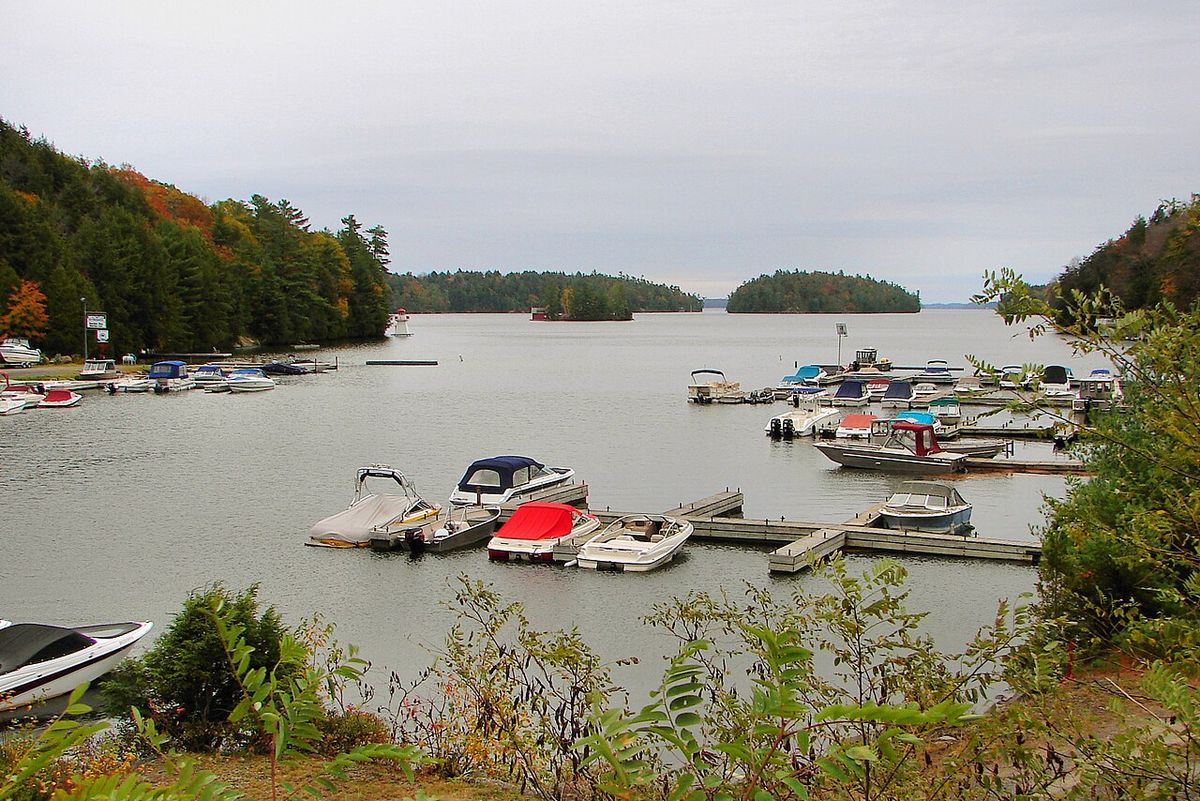
Lake Joseph is renowned for its recreational opportunities, which centre on its clear waters and scenic, forested shores. The lake is a major destination for boating, sailing, fishing, and swimming during the summer months. Its connection to Lake Rosseau allows for extensive exploration by watercraft, making it a favourite for cruising and canoeing. The historic village of Port Sandfield, with its manually operated bridge, serves as a charming and functional landmark between the two lakes. While the lake is predominantly private cottage country, there are several notable camps and resorts that have operated along its shores for generations, contributing to its cultural fabric. The presence of these institutions highlights the lake's long standing role as a place of gathering and leisure for families across Ontario and beyond. The lake's geography, with its many protected bays and deep, clean water, is particularly well-suited for motorboating and sailing regattas, activities promoted by the Muskoka Lakes Association since its inception. The network of historic resorts and camps, some dating back to the early tourism era, provides structured recreational opportunities and contributes to the local economy.
Environmental and Cultural Stewardship
The management of Lake Joseph involves a continuous balance between recreational use, residential development, and environmental protection. The lake's ecology is directly influenced by its geology, with the thin, sandy soils of the Canadian Shield providing limited natural filtration for runoff. This makes the lake sensitive to pollutants and nutrient loading from shoreline activities, a primary concern for resident associations. The historical context of the land, covered by the Robinson-Huron Treaty and Williams Treaties, informs ongoing dialogues about shared stewardship and respect for Indigenous rights and title. The failure of the 1868 Free Grants and Homestead Act demonstrated the limitations of the land, which in turn preserved large tracts of forest and rock that now contribute to the area's wilderness aesthetic. Modern stewardship efforts focus on preserving water clarity, controlling shoreline erosion, and protecting fish habitats to ensure the lake's health for future generations of residents and visitors alike. The community associations actively participate in scientific monitoring and advocate for policies that limit phosphorous inputs and prevent the introduction of new invasive aquatic species.
Questions about Lake Joseph
How did Lake Joseph get its name?
William Robinson named Lake Joseph. He was a member of the House of Assembly for Upper Canada from 1830 to 1840 and later Commissioner of Public Works. He named Lake Joseph and neighbouring Lake Rosseau after his friend Joseph Rousseau. Joseph Rousseau was the father of a fur trader in the area.
Where is Lake Joseph located?
Lake Joseph is located in Seguin Township, Ontario. It is situated within the Muskoka region, which lies on the Canadian Shield. The lake is connected to neighbouring Lake Rosseau through the narrows at Port Sandfield and the Joseph River. The area features bedrock exposures and a veneer of glacially derived sandy substrate. It was historically covered by proglacial Lake Algonquin following glacial recession around 10000 years ago.
When did people start building cottages on Lake Joseph?
Cottage development on Lake Joseph began in the 1870s, starting on the lake's northern islands. This development quickly spread to other sections of Lake Joseph and the other larger Muskoka lakes. The Free Grants and Homestead Act of 1868 had initially aimed to attract European immigrants for agriculture, but this was overestimated for the Canadian Shield. By the late nineteenth century, existing road, rail and steamboat infrastructure was repurposed to support tourism, which became a key economic driver for the lake and region.
What is the Muskoka Lakes Association?
The Muskoka Lakes Association is the largest community group based on Lake Joseph. It was founded in 1894 to represent the interests of lakeshore residents. The association specifically represents residents on Lakes Rosseau, Joseph and Muskoka, as well as many smaller surrounding lakes. It is one of several community groups active on Lake Joseph. The group's establishment reflects the long history of organized resident advocacy in the Muskoka region.
What Indigenous territories is Lake Joseph on?
Lake Joseph is located within the traditional territory of multiple Indigenous Nations. The region is the traditional territory of the Anishinaabeg, which includes the Ojibwe, Odawa, and Potawatomi Nations, collectively known as the Three Fires Confederacy. It is also the traditional territory of the Wendat and the Haudenosaunee Nations. Southern portions of Muskoka were specifically the traditional territory of the Wendat between AD 1300 and 1650. The region is covered by historical treaties including the J. Collins land purchase of 1785, the Robinson Huron Treaty of 1850 and the Williams Treaties of 1923.
What is the Lake Joseph North Association?
The Lake Joseph North Association is a community group established in 1996. It was formed to represent the interests of shoreline residents at the north end of Lake Joseph. The association also represents residents living on Portage Lake. It is one of many community groups active on Lake Joseph, alongside larger organizations like the Muskoka Lakes Association. This group focuses specifically on advocacy for residents in the northern part of the lake.
Sources and further reading
- Lake Joseph (Wikipedia)
- Lake Joseph Attractions | Muskoka | Ontario (lakejosephclub.ca)
- Lake Joseph, History & Information (findingyourmuskoka.ca)
- Parks, Beaches and Picnic Areas (muskokalakes.ca)
- Muskoka's Big 3: Everything To Know About Lake Joseph (storeys.com)
Checked by the Your Space Hamilton desk. Last updated 2026-10-31.