Isle of Demons
The Isle of Demons is a phantom island that appeared on European maps from the early 16th to the mid-17th century, purportedly located off the coast of Newfoundland. It was often depicted as two islands and was said to be inhabited by evil spirits and wild beasts, deterring sailors from approaching. The island gained notoriety through its association with the marooning of the French noblewoman Marguerite de La Rocque in 1542, a story that intertwined exploration with legend. Today, it remains a compelling piece of Canada's early cartographic and folkloric history, with its name attached to remote locations like Quirpon Island.
Cartographic History and Origins
The Isle of Demons first entered the European geographical imagination on the 1508 world map created by the German cartographer Johannes Ruysch. On this map, the island was depicted as two landmasses situated in the North Atlantic near the coast of Newfoundland. Scholars believe Ruysch may have relocated and renamed the much older legendary island of Satanazes, which appeared on 15th-century Portuguese charts in the mid-Atlantic. The island continued to be a fixture on maps for over a century, appearing prominently in works like the 1556 map 'La Nueva Francia' by the Italian Giacomo Gastaldi. Gastaldi's map showed a large island labelled 'Isola de Demoni' encompassing much of northern Newfoundland, complete with illustrations of flying demons. This cartographic tradition persisted until the mid-17th century when improved knowledge of the North American coastline finally led to the Isle of Demons being erased from official nautical charts.
The Legend of the Demons
Mariners' accounts described the Isle of Demons as a place haunted by evil spirits and tormented by wild beasts. Sailors reported hearing strange, frightening noises emanating from the island, which fueled a widespread fear of approaching its shores. This reputation likely served as a supernatural deterrent, keeping ships away from potentially hazardous, uncharted waters or treacherous coastlines. Some historians suggest the legend may have originated from translations or misunderstandings of First Nations stories. Indigenous peoples in the region sometimes avoided areas where a person had died, believing them to be inhabited by spirits, and European explorers may have interpreted these accounts as tales of demons. The persistent legend transformed the island from a mere cartographic feature into a place of peril and mystery in the European psyche, a blank space on the map filled with the fears of early transatlantic travel.
The Story of Marguerite de La Rocque
The phantom island is inextricably linked to one of the most dramatic survival stories from the age of Canadian exploration. In 1542, French noblewoman Marguerite de La Rocque accompanied her relative, Jean-François de La Roque de Roberval, the Lieutenant General of New France, on a voyage to the colony. During the journey, Marguerite began a romantic relationship with a young sailor on the ship. Disapproving of the affair, Roberval marooned Marguerite, her handmaid Damienne, and the sailor on a desolate island, leaving them with some basic supplies and firearms. According to the account published by the French cosmographer André Thevet in 1575, this island was the Isle of Demons. Marguerite gave birth to a child on the island, but her lover, her handmaid, and the infant all perished. She survived alone for two years by hunting wild game before being rescued by Basque or French fishermen. Thevet's sensational account, which placed her ordeal on the demon-infested island, cemented the story in popular legend and forever tied the historical figure to the cartographic myth.
Historical Analysis and Thevet's Recantation
Modern scholarship has scrutinized the connection between Marguerite's marooning and the Isle of Demons. Notably, cartographers before Thevet, such as Gerardus Mercator in 1569, depicted two separate islands: the 'Île de la Demoiselle' (likely the site of the marooning) in the Gulf of St. Lawrence and the Isle of Demons off Newfoundland. This suggests Thevet may have conflated the two for dramatic effect. In a significant development highlighted by Canadian map curator Alban Berson, Thevet himself later recanted his earlier claim. In an unpublished manuscript titled *Grand insulaire*, Thevet renamed the island where Marguerite was abandoned the 'Île de Roberval' and explained that the young woman, terrified by her isolation, had suffered hallucinations on an island that was actually quite hospitable. This revision indicates that the demonic elements were likely a literary embellishment, separating the historical event of survival from the older, pre-existing cartographic legend.
Modern Interpretations and Candidate Locations
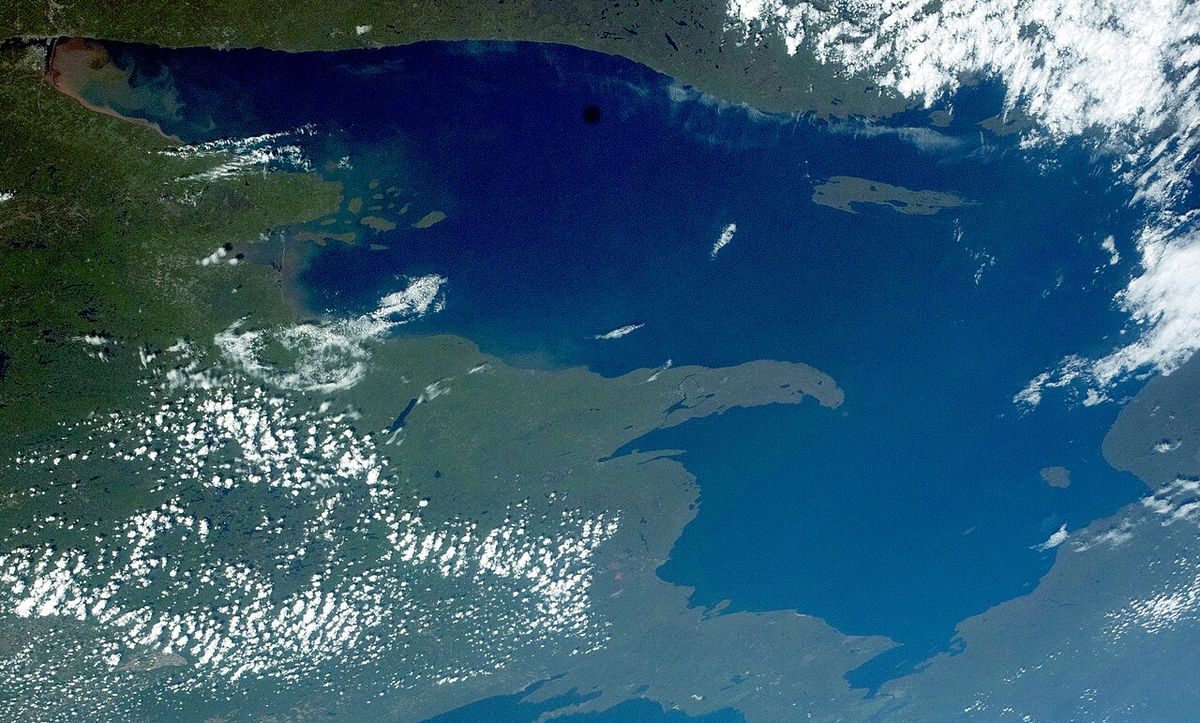
Despite its disappearance from maps, the Isle of Demons continues to capture the imagination, with several real locations in eastern Canada proposed as its inspiration or actual site. The most commonly cited candidates are Quirpon Island, off the northern tip of Newfoundland, and Harrington Harbour, an island in the Gulf of St. Lawrence near Quebec. Quirpon Island is locally known as the Isle of Demons and offers a remote, rugged landscape that aligns with the legendary descriptions. Harrington Harbour is linked specifically to the Marguerite de La Rocque legend, where a local tradition holds that she found shelter in a small rocky cave, now known as Marguerite's Cave. Other theories suggest Belle Isle, situated in the Strait of Belle Isle, as a possible correlate. The enduring mystery lies in the fact that the phantom island was a composite of sailor's fears, cartographic errors, and sensationalized history, making its definitive identification with any single modern location an ongoing subject of local folklore and academic interest.
Several modern locations in Canada are associated with the legend of the Isle of Demons. These include Quirpon Island, located off the northern tip of Newfoundland. Another is Harrington Harbour, an island in Quebec within the Gulf of St. Lawrence. Belle Isle in the Strait of Belle Isle is also sometimes identified with the phantom island. These real places are linked to the historical stories and cartographic myths surrounding the Isle of Demons.
- Quirpon Island, Newfoundland and Labrador: A remote island off the northern Newfoundland coast, locally referred to as the Isle of Demons.
- Harrington Harbour, Quebec: An island in the Gulf of St. Lawrence, proposed as the actual marooning site of Marguerite de La Rocque.
- Belle Isle (Strait of Belle Isle): A large island sometimes identified as a possible geographical counterpart to the phantom isle.
- St. Paul River area (Gulf of St. Lawrence): The location Mercator labelled as 'Île de la Demoiselle' on his 1569 map.
Cultural Legacy
The Isle of Demons persists as a potent symbol in Canadian cultural memory, representing the intersection of early exploration, mapmaking, and folklore. The story of Marguerite de La Rocque has been retold by numerous historians, novelists, poets, and singers, ensuring its place in the canon of Canadian historical narratives. In contemporary times, the legend maintains a presence in popular culture and local tourism. For instance, Quirpon Island promotes a hiking experience called the 'Isle of Demons Trek,' capitalizing on its association with the legendary and rugged landscape. The tale also appears in modern performances, such as a play titled *Isle of Demons* staged at the Greek Theatre at Guild Park. The scholarly work of cartographic historians like Alban Berson, whose book *L'île aux démons et autres mirages cartographiques de l'Amérique du Nord* examines such geographical phantoms, continues to analyse the island's role in the history of North American exploration. This ongoing interest demonstrates how a cartographic error and a dramatic survival story can fuse to create a lasting piece of Canada's mythological geography.
Questions about Isle of Demons
What is the story of Marguerite de La Rocque and the Isle of Demons?
In 1542, French noblewoman Marguerite de La Rocque was marooned on a remote island by her relative, explorer Jean-François de Roberval, allegedly due to a romantic affair. According to the 1575 account by André Thevet, this island was the Isle of Demons. She survived for two years after her companion, handmaid, and newborn child died, and was later rescued. Later research suggests Thevet placed her story on the Isle of Demons to sensationalize it, and the actual island may have been elsewhere in the Gulf of St. Lawrence.
Can you visit the Isle of Demons today?
You cannot visit the mythical Isle of Demons, as it was a cartographic fiction. However, you can visit locations associated with its legend. Quirpon Island, off Newfoundland, is locally called the Isle of Demons and offers hiking tours. Harrington Harbour, Quebec, is linked to the Marguerite de La Rocque story and features a site known as Marguerite's Cave. These real places connect visitors to the historical and folkloric narratives.
Where was the Isle of Demons located?
The Isle of Demons was a phantom island allegedly located somewhere off the island of Newfoundland, Canada. It was generally shown as two islands on maps from the early 16th to mid 17th centuries. Although fictional, it is sometimes identified with real locations in the region. These include Belle Isle, Quirpon Island off Newfoundland's northern tip, and Harrington Harbour in Quebec. Cartographers like Johannes Ruysch in 1508 and Giacomo Gastaldi in 1556 depicted it in the North Atlantic near the Newfoundland and Labrador coast.
Is the Isle of Demons a real place?
No, the Isle of Demons is not a real place but a phantom island. It began appearing on maps in the early 16th century and disappeared from cartographic records by the mid 17th century as knowledge of the region improved. The island is likely fictional, originating from sailor rumours and legend. It may be a relocated version of the older mythical island Satanazes from 15th century maps. Some researchers also suggest the name came from a misinterpretation of First Nations stories about spirits in certain areas.
Why was it called the Isle of Demons?
It was called the Isle of Demons due to legends that it was populated by demons and wild beasts which would torment and attack passing ships or visitors. Mariners reported hearing strange noises and believed evil spirits inhabited the island. The name may have originated from a translation of First Nations beliefs, as they often avoided areas where a person had died, considering them haunted by spirits. The terrifying reputation served as a supernatural warning for sailors exploring the North Atlantic near Newfoundland.
Sources and further reading
- Isle of Demons (Wikipedia)
- The Elusive Isle of Demons | Worlds Revealed (blogs.loc.gov)
Checked by the Your Space Hamilton desk. Last updated 2026-10-24.