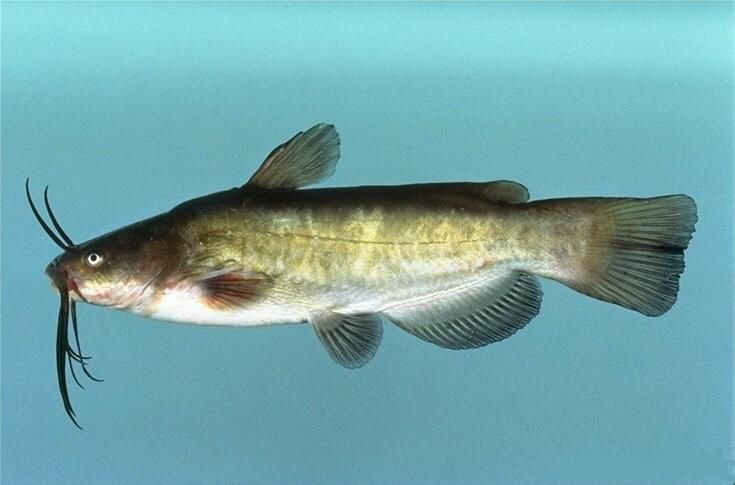
Brown bullhead
The brown bullhead (Ameiurus nebulosus) is a widely distributed species of catfish native to North America, commonly known as the mud pout or hornpout. It is an omnivorous bottom-feeder found in a variety of freshwater habitats across Canada, from Nova Scotia to Saskatchewan. The fish holds cultural significance for the Ojibwe people as one of the original clan symbols. Tolerant of poor water quality, the brown bullhead is a resilient species that supports small-scale fisheries and faces few conservation threats.
Physical Description and Identification
The brown bullhead is a medium-sized, scaleless catfish with a distinctive colouration and body shape. Its dorsal surface is a dark brown-green, fading to lighter green and yellow on the sides, with an off-white or cream belly. The entire body is speckled with darker brown-black markings. The fish possesses eight barbels around its mouth, with those on the chin being black to yellowish brown, a key feature for distinguishing it from related species. Its dorsal and pectoral fins bear sharp spines, with the pectoral spines having five to eight serrated teeth on their posterior edge. The tail fin is only slightly notched, and the anal fin has between 21 and 24 rays. The brown bullhead's mouth is terminal or slightly subterminal, meaning the upper jaw projects slightly past the lower, an adaptation for bottom feeding. Adults typically range from 200 to 500 mm in length and can be distinguished from black and yellow bullheads by their chin barbel colour, the absence of a light bar at the tail base, and their higher anal fin ray count. Juvenile bullheads are often a more uniform solid colour compared to the speckled adults. The species is ectothermic, heterothermic, and bilaterally symmetrical, and it can be further distinguished from flathead catfish by the absence of lateral posterior extensions on the tooth patch of its upper jaw.
Native and Introduced Range
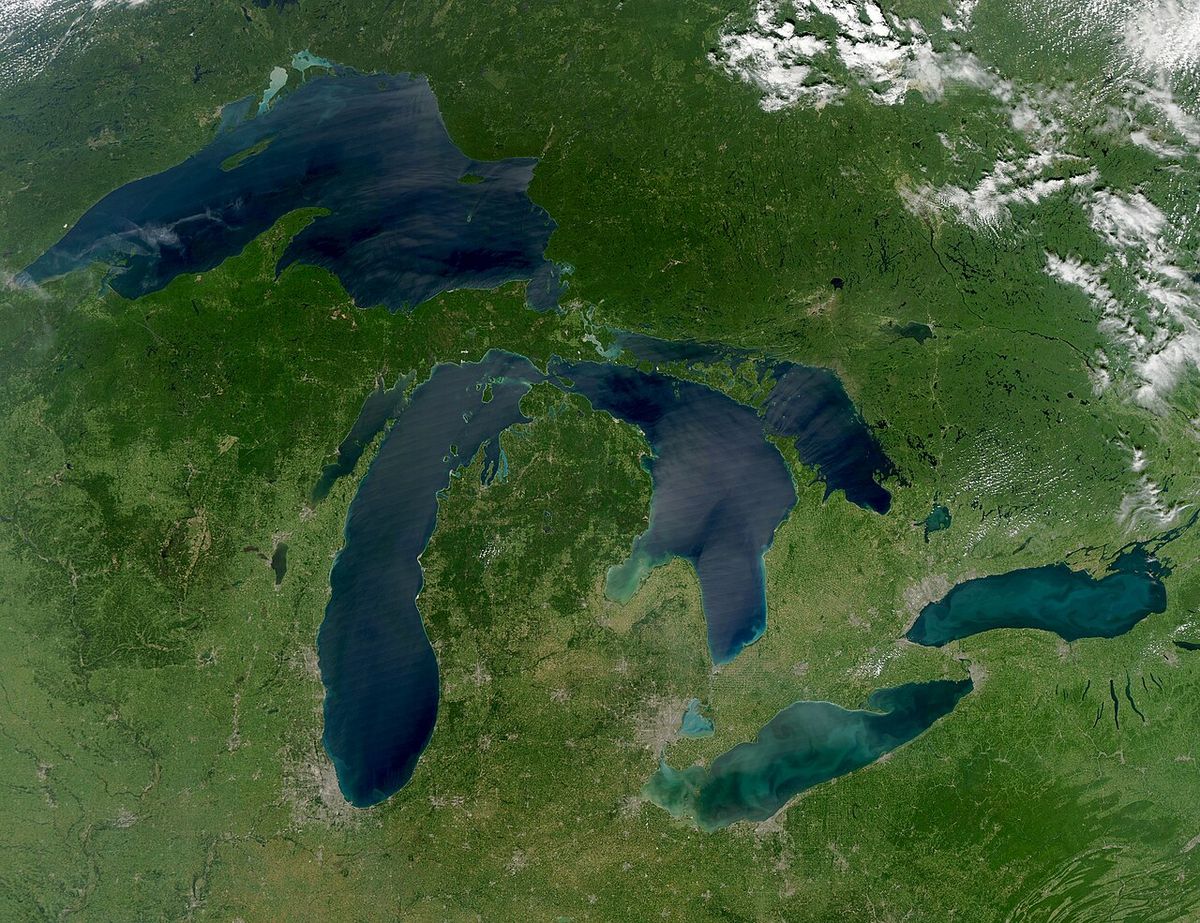
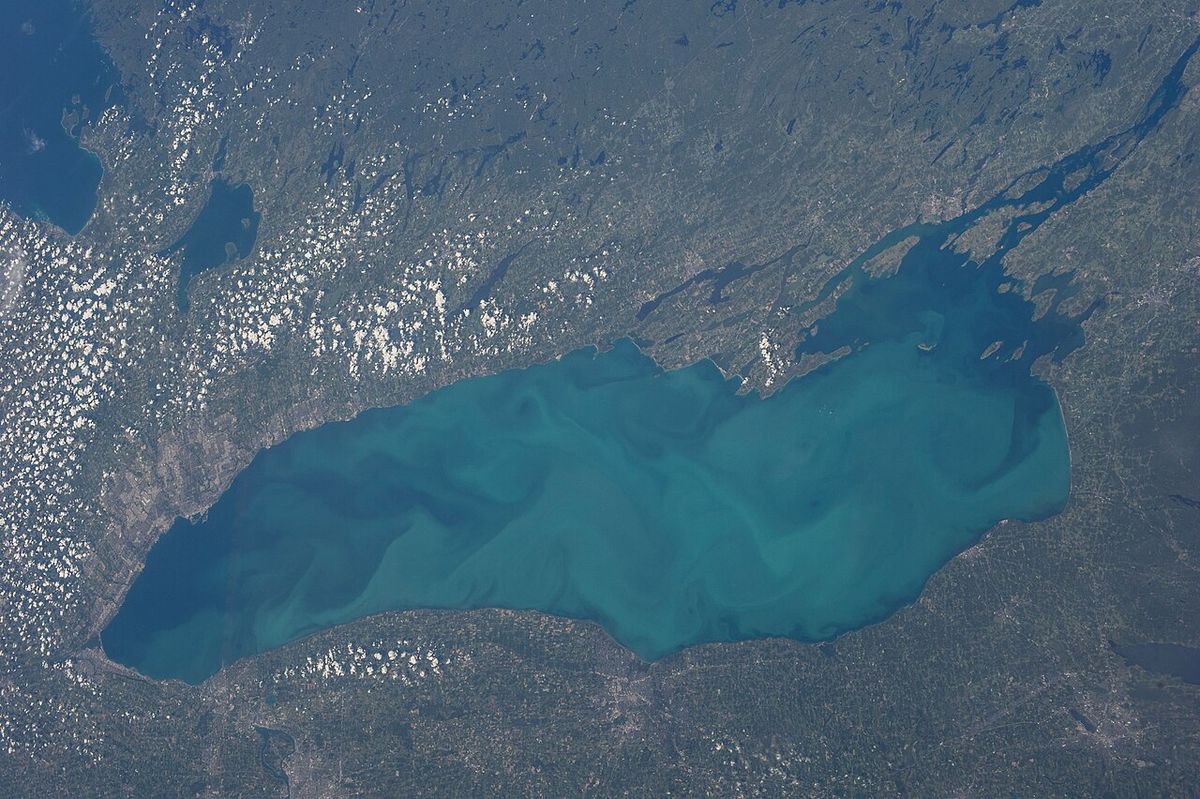
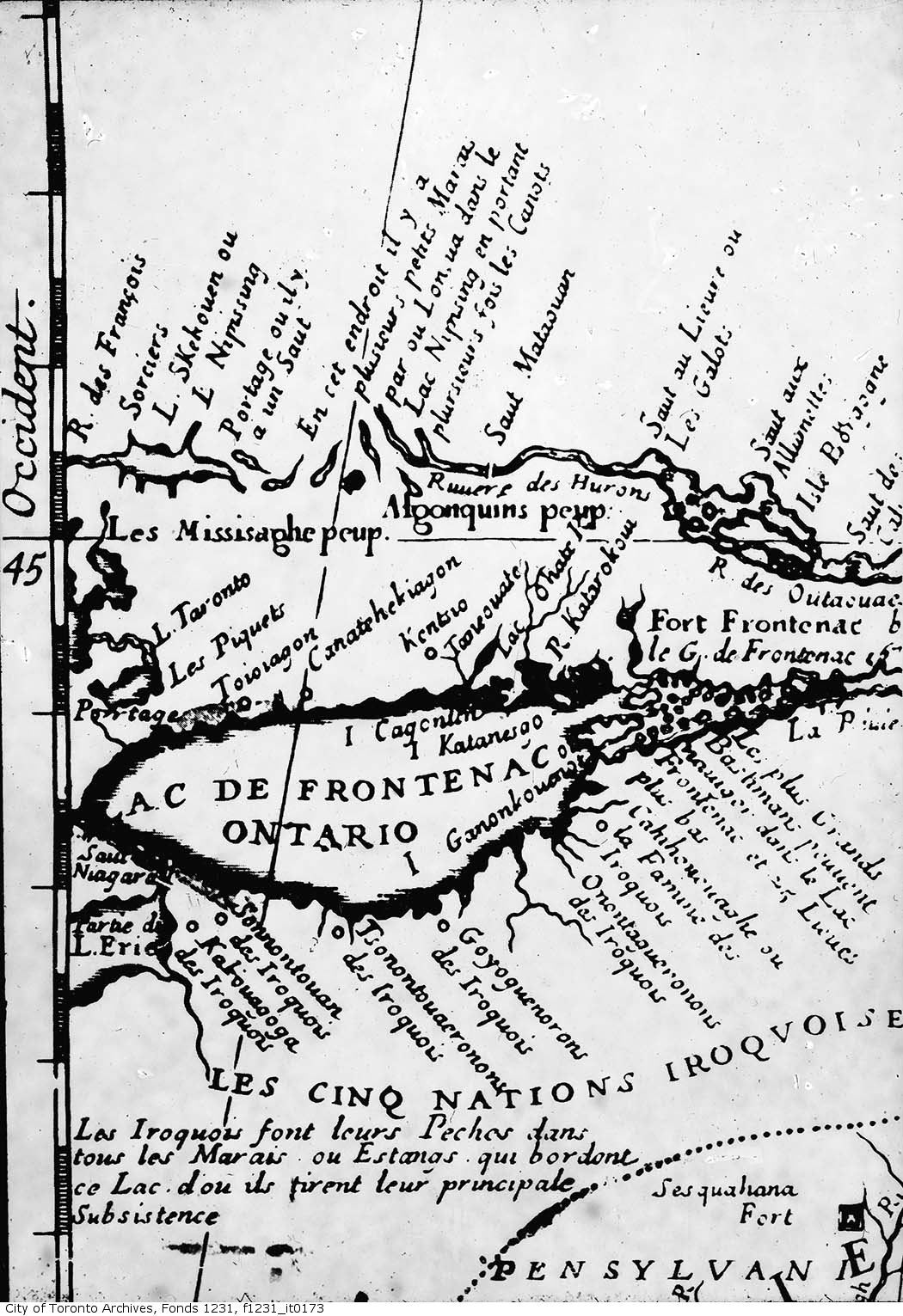
The native range of the brown bullhead spans much of eastern and central North America. In Canada, it is found from Nova Scotia and New Brunswick westward through Quebec, Ontario, and into Saskatchewan. Its range extends south through the Great Lakes and Mississippi River basins to the Gulf of Mexico, historically absent from parts of the Gulf Coast between the Apalachicola and Mississippi Rivers. The species has been widely introduced outside its native range for food and sport fishing. These introductions have established populations in numerous American states, including Washington, Oregon, California, Nevada, and Colorado. It has also been introduced to several European countries such as Germany, Sweden, Poland, and Croatia, as well as to Chile, Puerto Rico and New Zealand. In some introduced regions, such as Iran and Turkey, the brown bullhead has been reported to cause adverse ecological effects. Within its range, it is a social, non-migratory fish known to form schools. The specific native drainages include the Atlantic and Gulf Slope systems from Mobile Bay, Alabama, northward, and the species is abundant in the Hudson Bay basin as well.
Habitat and Environmental Tolerance
The brown bullhead is a highly adaptable species that thrives in diverse freshwater environments. It is commonly found in lakes, ponds, and slow-moving streams, often favouring areas with muddy substrates and submerged structures like logs or rocks. A key to its success is an exceptional tolerance for poor water conditions that would stress or kill other fish. The brown bullhead can survive in waters with very low dissolved oxygen levels, as low as 0.2 parts per million, and can withstand heavy industrial and domestic pollution. This tolerance makes the species less vulnerable to winterkill events where oxygen levels drop under ice. They are typically nocturnal, becoming more active at night to forage along the bottom, though daytime feeding has been observed. Their preferred spawning occurs when water temperatures reach approximately 27 degrees Celsius, though cooler temperatures are required to trigger spawning in more northern latitudes like the northern United States and Canada. The fish can be found in a wide variety of habitats, from large lakes to murky ponds and even drainage ditches, and they are known to be scarce during daylight hours. Their ability to withstand a wide range of water temperatures further contributes to their ecological success across different climates.
Diet and Feeding Behaviour
As omnivorous benthic feeders, brown bullheads have a broad and opportunistic diet. They forage primarily along the bottom, using their sensitive barbels to locate food in murky conditions where their eyesight is poor. Their diet includes a wide variety of plant and animal matter. Common food items are algae, aquatic insects, worms, leeches, mollusks, crustaceans, and crayfish. They will also consume smaller fish species, fish eggs, and even plant material like corn, which is sometimes used as bait. This generalist feeding strategy allows them to exploit available resources in their habitat effectively. They are known to eat almost anything that fits into their mouths, contributing to their success in varied and sometimes degraded environments. Brown bullheads are typically nocturnal feeders, searching the bottom of a lake or river for food after dark, but diurnal feeding has been reported. Their reliance on barbels for locating prey is critical given their poor visual acuity in the often turbid waters they inhabit.
Life Cycle and Reproduction
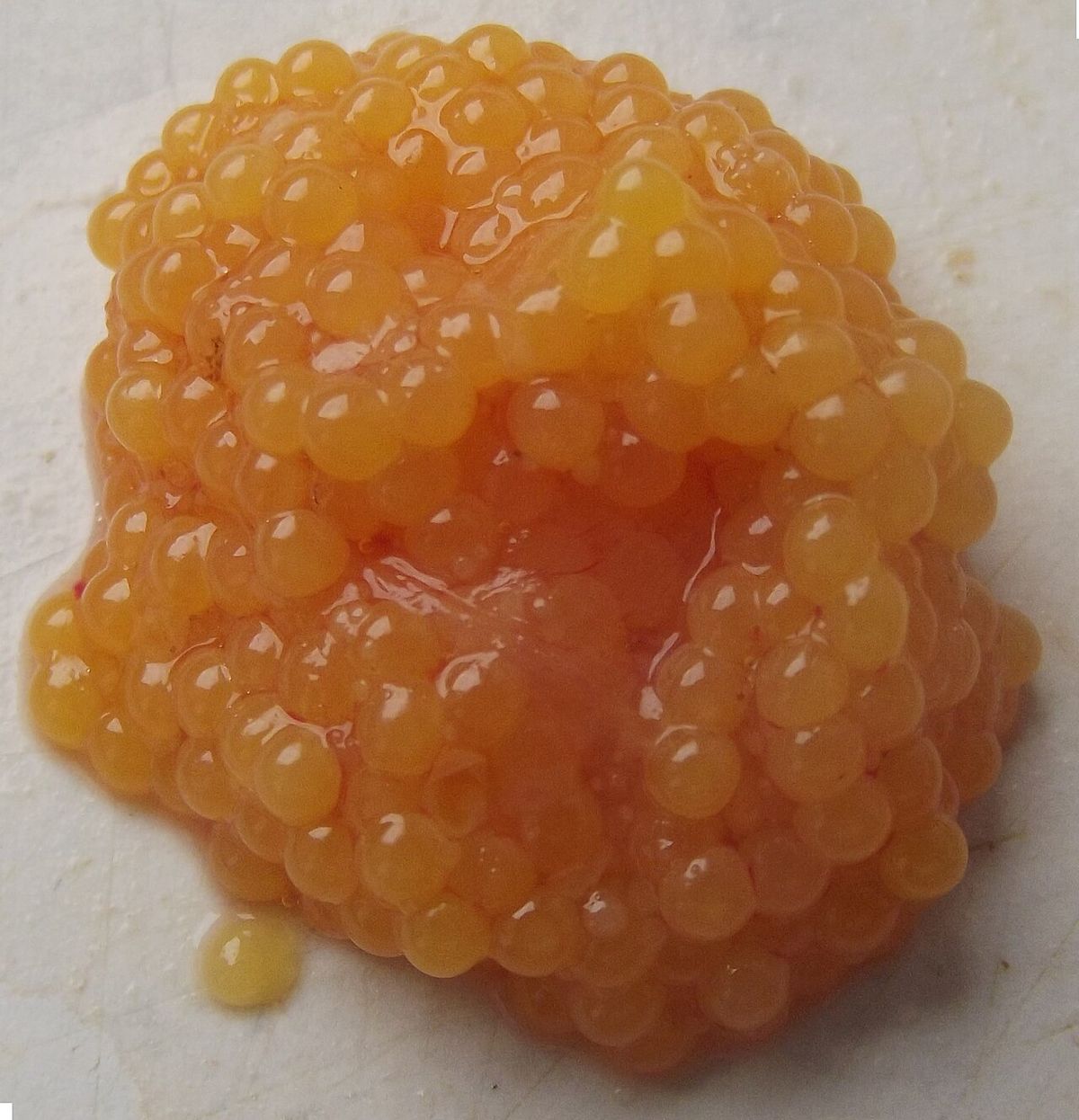
The brown bullhead typically lives six to eight years in the wild, though individuals in captivity have reached fifteen years. They reach sexual maturity around three years of age. Spawning occurs from April to June, with females being monogamous for each breeding season. Females select dark, sheltered sites such as under rocks or inside submerged logs to lay their eggs. The male then fertilizes the egg cluster externally while the pair faces opposite each other. A single nest may contain anywhere from 50 to an extraordinary 10,000 eggs. The eggs usually hatch within six days but can take up to thirteen days depending on conditions. Both parents exhibit care for the offspring, guarding the nest and later the school of fry. After hatching, the young are tended by a parent and kept in a tight school for up to one month. They remain schooling fish as juveniles. On rare occasions, brown bullheads have been recorded cannibalizing their own eggs. There are no consistent behaviours of mate attraction observed in the species. Nests are primarily created by the females, but the protection of the eggs is a shared duty between both sexes for the duration of the incubation period.
Predators and Defences
Brown bullheads are most vulnerable to predation during their early life stages, particularly as eggs and small fry. A variety of native predators feed on them. Common predators include northern pike, muskellunge, largemouth bass, walleye, yellow perch, and sunfish. Reptilian and avian predators such as snapping turtles, water snakes, and green herons also prey on bullheads. For adult bullheads over about ten centimetres in length, predation by other fish becomes less of a threat, with human fishing activity posing a greater risk. The species has evolved several effective defence mechanisms. Their mottled brown coloration provides protective camouflage against muddy bottoms. Their most notable physical defence is a sharp, serrated spine on the leading edge of both their dorsal and pectoral fins. When attacked, the bullhead can lock this spine erect, making it difficult for a predator to swallow. Simultaneously, the spine can release a mild venom that causes a stinging sensation, further discouraging the predator. This combination of a physical impediment and a chemical irritant is a highly effective survival adaptation against a wide range of aquatic predators.
Fishing and Human Use
Brown bullheads are a popular target for recreational anglers in many areas, particularly where they are abundant. They are easily caught using simple tackle and natural baits such as worms, cut bait, or chicken livers fished on or near the bottom. While they put up a scrappy fight, they are not considered unusually powerful game fish. In regions like the Oneida Lake area of Upstate New York, they are a celebrated seasonal catch and featured on local restaurant menus in the spring. The flesh is considered quite edible and delicious, especially when caught from clear, cold water where it is firm and pinkish. The current all-tackle world record, as recognized by the International Game Fish Association, is a fish weighing 3.3 kilograms. Beyond recreation, brown bullheads are used for small-scale commercial fishing and scientific research. They also hold cultural importance. For the Ojibwe people, the bullhead, or wawaazisii, is one of the six original beings that emerged from the sea to form the foundational clans. In most areas, catches will not exceed two pounds in weight, making the record specimen a notable outlier. The species is less renowned as a food fish compared to its cousins the channel catfish and blue catfish, but it remains a valued catch in specific localities.
Brown bullheads are easily caught by anglers using natural baits such as worms and chicken livers. They are often caught by fishing off the bottom. When caught in very clear water, the flesh is firm and reddish to pinkish, making the fish quite edible and delicious. The current International Game Fish Association world record for brown bullhead is 7 pounds 6 ounces or 3.3 kilograms. In most areas, brown bullheads will not exceed two pounds in weight. Their genial cousins, the channel catfish and blue catfish, are better known for their use as food.
- International Game Fish Association all-tackle world record: 7 pounds 6 ounces (3.3 kg).
- Common baits: worms, chicken livers, cut bait, and corn.
- Popular fishing method: bottom fishing with simple tackle.
- Peak culinary season: spring, particularly in regions like Upstate New York.
- Typical size caught: often under 1 kg (2 pounds), though larger specimens are possible.
- Cultural significance: Clan symbol (wawaazisii) for the Ojibwe people.
- Fight quality: described as scrappy but not unusually strong.
- Edibility: best when caught from clear, firm-fleshed water.
Conservation Status and Threats
The brown bullhead is a common and resilient species with a stable population across most of its range. It holds no special conservation status on the global IUCN Red List, under the United States Endangered Species Program, or under CITES treaties. Its remarkable tolerance for pollution and low oxygen levels has allowed it to persist and even thrive in habitats degraded by human activity where other species decline. In many lakes and streams across the continent, it is often the most abundant fish species. However, localized threats exist. In Missouri, for example, the brown bullhead is listed as a Species of Conservation Concern. Its habitat in the Missouri Bootheel, particularly swamps, is threatened by drainage and conversion to agricultural farmland. The species' adaptability generally buffers it from widespread decline, but habitat destruction remains a key concern in specific regions. A notable health issue identified in 2026 is a clonally transmissible form of melanoma found in brown bullhead populations in Lake Memphramagog, located on the Quebec-Vermont border. The species has few natural predators and is not universally popular with anglers, which also contributes to its ability to thrive in many water bodies without significant population pressure from fishing.
Comparison with Related Bullhead Species
Several key characteristics differentiate the brown bullhead from its close relatives, the black bullhead and the yellow bullhead. Accurate identification is important for anglers and biologists. The most reliable distinguishing feature is the colour of the chin barbels. In the brown bullhead, they are black to yellowish brown, whereas the yellow bullhead has white or yellow chin barbels, and the black bullhead's are black or grey. The black bullhead often has a distinct, pale vertical bar at the base of its tail fin, a feature absent in the brown bullhead. While all three species share a similar body shape and bottom-feeding ecology, these specific physical traits allow for clear identification in the field. The brown bullhead was originally described as Pimelodus nebulosus by Charles Alexandre Lesueur in 1819 and is also referred to in scientific literature as Ictalurus nebulosus, sharing the same taxonomic family, Ictaluridae, with its relatives.
Introduced Populations and Ecological Impact
The brown bullhead has been introduced to many regions far beyond its native North American range, often through stocking for food or sport. In Europe, established populations are reported in countries including Poland, Germany, Sweden, Norway, Finland, Romania, Estonia, Hungary, Serbia, and Croatia. Introductions have also occurred in western North American states like Arizona, Hawaii, Idaho, and New Mexico, as well as in Chile and Puerto Rico. The ecological impact of these introductions varies. In some areas, the species has integrated without major disruption, but in others, adverse effects have been noted. Countries like Iran and Turkey have specifically reported negative consequences from the brown bullhead's introduction. The fish's generalist diet, high reproductive output, and tolerance for poor water quality can allow it to outcompete native species in certain ecosystems. Its success as an introduced species in diverse environments highlights its inherent adaptability and resilience, traits that serve it well in its native habitat but can pose challenges when it is introduced to new environments without natural checks on its population.
Questions about Brown bullhead
Where can you find brown bullheads in Canada?
Brown bullheads are native to a broad swath of Canada. Their range extends from the Maritime provinces of Nova Scotia and New Brunswick, westward through Quebec and Ontario, and into the prairie province of Saskatchewan. They inhabit the Great Lakes basin, the Hudson Bay drainage, and the Canadian portions of the Mississippi River watershed. They are commonly found in lakes, slow-moving rivers, and ponds across these regions, forming schools in these freshwater habitats.
What do brown bullheads eat?
Brown bullheads are omnivorous bottom feeders with a varied diet. They consume algae, aquatic insects, worms, leeches, mollusks, crustaceans like crayfish, and smaller fish species along with fish eggs. They are opportunistic and will eat plant matter, including corn used as bait. Using their sensitive barbels to locate food in murky water, they are primarily nocturnal feeders but are sometimes active during the day, searching the bottom for almost anything that fits in their mouths.
How do you identify a brown bullhead?
Identify a brown bullhead by its dark, speckled body, eight barbels around the mouth, and its yellowish-brown to black chin barbels. It lacks scales and has a slightly notched tail. Key distinctions from other bullheads include 21 to 24 rays in the anal fin and the absence of a light-coloured bar at the base of the tail fin. Its dorsal and pectoral fins have sharp, serrated spines. The mouth is terminal or slightly subterminal, with the upper jaw projecting slightly past the lower.
Why are brown bullheads so resilient?
Brown bullheads are exceptionally resilient due to their physiological tolerance for extreme environmental conditions. They can survive in water with very low dissolved oxygen levels, as low as 0.2 parts per million, and can withstand heavy pollution that would kill many other fish species. This adaptability allows them to thrive in degraded habitats and makes them less susceptible to events like winterkill, contributing to their abundance. They also have few natural predators as adults and protective spines for defence.
Are brown bullheads good to eat?
Yes, brown bullheads are edible and can be delicious. When caught in very clear water where the flesh is firm and reddish to pinkish, the hornpout is quite edible and delicious. Nevertheless, its genial cousins such as the channel catfish and the blue catfish are better known for their use as food. In most areas, they will not exceed two pounds in weight. The species is not popular with anglers in most areas but is very popular in some such as the Oneida Lake area of Upstate New York, where it is featured each spring by local restaurants. This catfish is easily caught with natural bait such as worms and chicken livers.
What is the world record brown bullhead?
The current International Game Fish Association world record for brown bullhead is 7 pounds 6 ounces, which is equivalent to 3.3 kilograms. This record weight represents an extreme case from the typical size range for the species. Adult brown bullheads generally range in size from 200 to 500 mm and weigh between 0.5 kg and 3.6 kg. In most areas, they will not exceed two pounds in weight. The species is easily caught with natural bait and is a target for recreational fishing, though it is not popular with anglers in most regions.
Sources and further reading
- Brown bullhead (Wikipedia)
- Brown Bullhead | Missouri Department of Conservation (mdc.mo.gov)
- Brown Bullhead (peiinvasives.com)
- Melanomas in brown bullhead from the Lake Magog, Quebec (healthywildlife.ca)
Checked by the Your Space Hamilton desk. Last updated 2026-10-23.