American eel
The American eel (Anguilla rostrata) is a facultative catadromous fish native to the eastern coast of North America, with a range extending from Venezuela to Greenland and including significant populations in Canadian waters. This species is known for its remarkable and complex life cycle, which begins with spawning in the distant Sargasso Sea before juveniles migrate thousands of kilometres to grow in freshwater and estuarine habitats. Historically an abundant and culturally significant species, the American eel has seen severe population declines due to habitat fragmentation, pollution, and overfishing, leading to significant conservation concerns. In Canada, its presence in major river systems like the St. Lawrence and Ottawa Rivers has dwindled, making it a focal point for recovery efforts and ecological study.
Physical Description and Identification
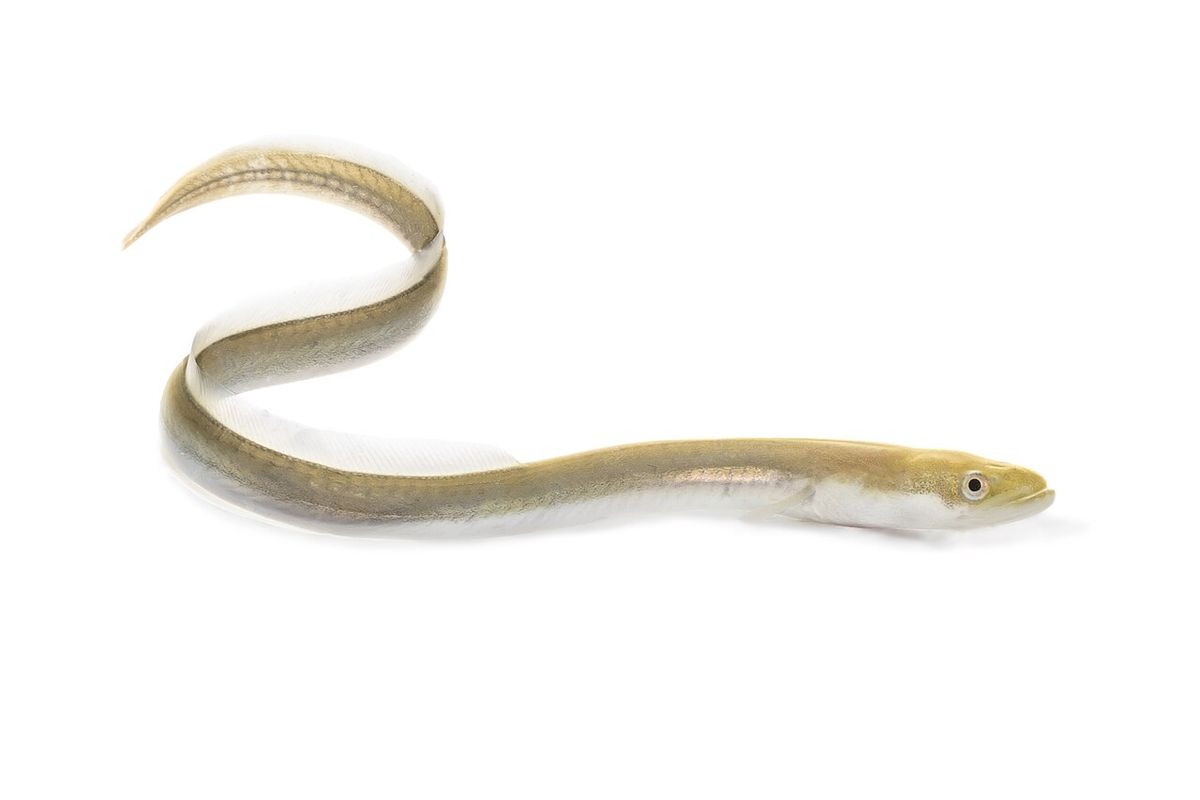
The American eel possesses a distinctive, slender, snake-like body covered in a protective mucus layer, giving it a naked and slimy appearance despite the presence of minute, embedded scales. Its dorsal and anal fins are continuous with a rudimentary caudal fin, and it lacks pelvic fins while having relatively small pectoral fins located near the midline. Coloration is variable, ranging from olive green or brown on the back to a greenish-yellow or light gray and white on the belly, with eels from clear water typically being lighter than those from dark, tannic streams. Females are generally larger and lighter in colour than males, with smaller eyes and higher fins, and the species can be identified by several persistent morphological characteristics through all life stages. These key identifiers include a mean total vertebrae count of 107.2, a mean myomere count of 108.2, and the distance from the dorsal fin origin to the anus averaging 9.1 percent of total body length. The scales are cycloid, rudimentary, and arranged irregularly, often in a pattern resembling parquet flooring rather than overlapping rows, and they develop much later than in other bony fishes, not appearing immediately after the larval stage.
Distribution and Habitat
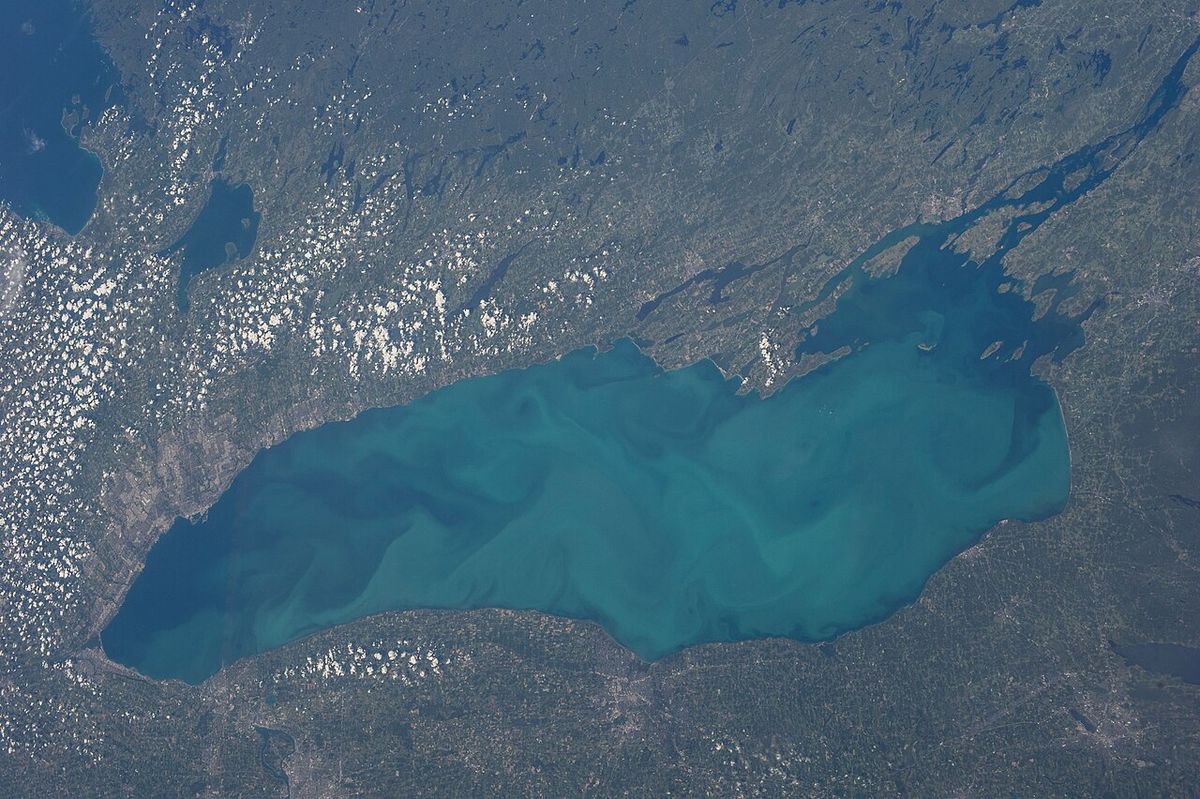
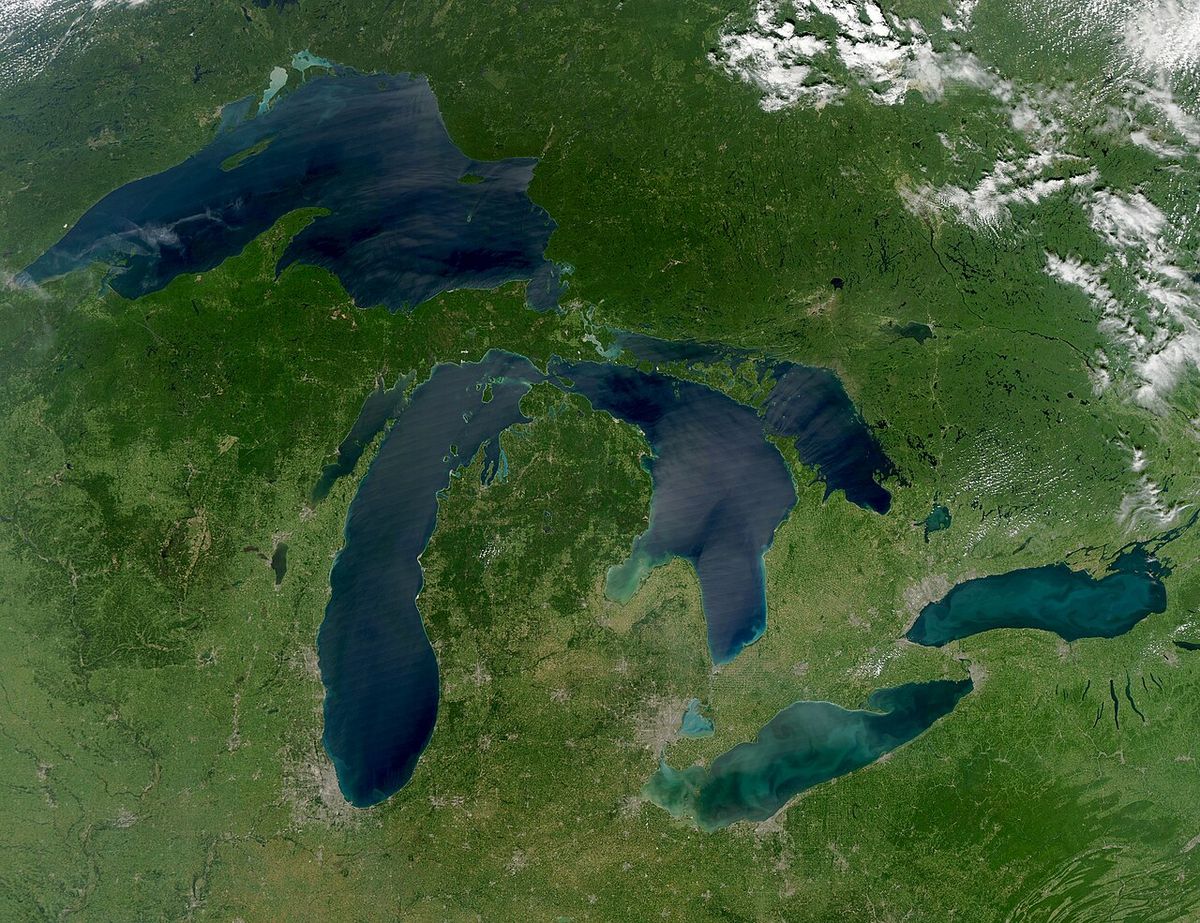
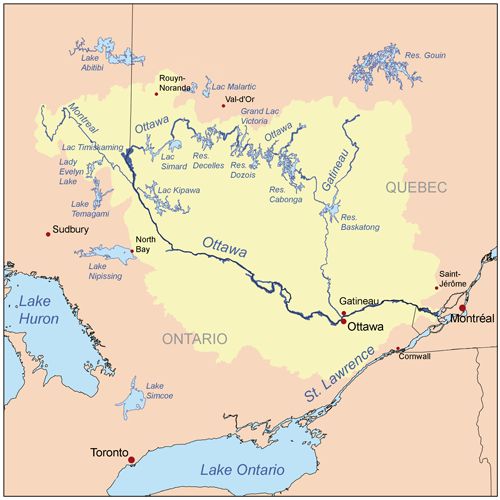
The American eel has an exceptionally broad geographic range across accessible freshwater, estuaries, and coastal marine waters from 5 to 62 degrees north latitude. Its natural distribution encompasses the western North Atlantic coastline from Venezuela to Greenland and Iceland, extending inland into the Great Lakes and the Mississippi River system as far upstream as Minnesota and Wisconsin. In Canada, historically significant populations have been found in the St. Lawrence River, Ottawa River, and Lake Ontario, though these have dramatically declined. Non indigenous occurrences have been recorded in places like Lake Mead on the Colorado River and in California, where stocking attempts in the late 1800s did not result in established populations. This species is a highly adaptable bottom dweller, utilizing a wide variety of shelters including burrows, snags, plant masses, and tubes during its freshwater yellow eel stage, while also using oceanic waters, coastal bays, and estuaries at other life stages. Eels exhibit considerable plasticity in habitat use, occasionally migrating between fresh, salt, and brackish waters, and they are extremely mobile, capable of using small watercourses or moving through wet grasses to access habitats. Small eels under 100 mm can climb and surmount vertical barriers, but during winter, they typically burrow into mud and enter a state of torpor when water temperatures fall below 5 degrees Celsius, though they may remain sporadically active. Habitat availability is critically reduced by barriers like hydroelectric dams, which block upstream migration for larger eels and cause mortality via turbines during downstream migration, alongside broader habitat deterioration from pollution and other factors.
Life Cycle and Reproduction
The life cycle of the American eel is a remarkable semelparous and panmictic journey that begins and ends in the Sargasso Sea, a process first detailed by scientist Marie Poland Fish in 1926. Spawning takes place far offshore, where a single female can lay up to 4 million buoyant eggs, and in larger individuals, as many as 8.5 million eggs, after which she dies. The eggs hatch within a week into transparent, laterally compressed larvae called leptocephali, which possess a small, pointed head and large teeth. These larvae are passively transported by the Gulf Stream on a journey lasting 7 to 12 months towards the coastal waters of North America. Upon reaching the continental shelf, leptocephali metamorphose into transparent glass eels, which then become progressively pigmented as elvers when they approach shore. The elver stage, where the eels are still sexually undifferentiated, lasts from three to twelve months and involves upstream migration into freshwater systems, influenced by temperature, flow, and tidal cycles. In freshwater, they develop into yellow eels, the sexually immature adult stage where they feed and grow for approximately 10 to 25 years before the final transformation into silver eels. The silvering process includes a colour shift to greyish with a whitish belly, degeneration of the digestive tract, enlargement of pectoral fins, expansion of eye diameter, and thickening of the skin, all adaptations for the long oceanic migration back to the Sargasso Sea to spawn and complete their life cycle.
Diet and Ecological Role
The American eel is a nocturnal, generalist benthic omnivore with a keen sense of smell that it relies on to locate food. Its diet is extremely diverse, reflecting its wide habitat colonization, and includes worms, small fish, clams and other mollusks, crustaceans like soft shelled crabs, and a vast array of aquatic insects. A specific gastric examination study found that macroinvertebrates, predominantly insects, were eaten by 99 percent of feeding eels, with the stonefly Acroneuria being the single most numerically dominant taxon, occurring in 67 percent of stomachs that contained food. Prey selection varies with the eel's body size, as eels less than 40 cm captured in streams primarily consume aquatic insect larvae, while larger eels shift to feeding predominantly on fishes and crayfishes. Feeding activity is strongly linked to season and temperature, decreasing or stopping entirely during winter months when eels become torpid, and ceasing altogether as silver eels physiologically prepare for their spawning migration. As both predator and prey, the American eel plays a significant role in aquatic food webs, with elvers and small yellow eels known prey for species like largemouth bass and striped bass, though they are not a major dietary component. Leptocephali, glass eels, and small yellow eels are likely eaten by various predatory fishes, and older yellow eels are known to prey on incoming glass eels. The species also falls prey to bald eagles, gulls, other fish eating birds, other eel species, and comprises the entire diet of adult rainbow snakes, which lends the snake one of its common names, the eel moccasin.
Commercial Fishery and Economic History
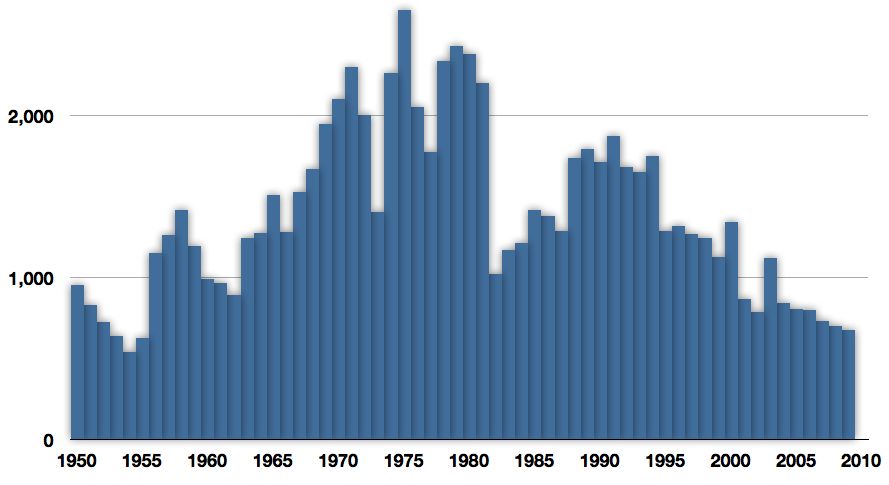
The American eel was once a species of significant commercial importance, particularly in Canada where during the 1980s and early 1990s, it ranked among the top three species in commercial value for Ontario's fishing industry. At its peak, the eel harvest was valued at $600,000, and in some years, eel accounted for nearly half of the total value of the commercial fish harvest from Lake Ontario, with the primary market for United States landings of yellow and silver eels being the European Union. This commercial prominence has sharply declined due to population drops, with the commercial catch in relevant areas falling dramatically from approximately 223,000 kilograms in the early 1980s to just 11,000 kilograms by 2002. In response to conservation concerns, the province of Ontario cancelled the commercial fishing quota for American eel in 2004 and also closed the eel sport fishery, reflecting the severe downturn in a fishery that was once a major part of the regional fishing economy.
Conservation Status and Threats
The International Union for Conservation of Nature classifies the American eel as being at a very high risk of extinction in the wild due to major threats including habitat fragmentation from hydroelectric dams, which block essential migrations and have locally extirpated eels from many watersheds, such as the St. Lawrence and Ottawa Rivers in Canada. The species is also highly sensitive to low dissolved oxygen levels often found below dams, and it faces bioaccumulation of toxins like heavy metals, dioxins, chlordane, and polychlorinated biphenyls from non point source pollution, which reduce productivity and cause dangerous toxicity. In the United States, the Fish and Wildlife Service reviewed the species' status in 2007 and again in 2015, concluding both times that protection under the Endangered Species Act was not warranted, while in Canada, the Committee on the Status of Endangered Wildlife in Canada reported the species as threatened in 2012. As of August 2023, Anguilla rostrata was under consideration for protection under the federal Species at Risk Act, but on December 2, 2025, the Government of Canada decided not to list the American eel, stating that the population's abundance across the country had remained stable over the preceding two decades. Conservation efforts are ongoing and include initiatives to improve eel passage around hydroelectric dams on the St. Lawrence River and the development of innovative mitigation strategies such as the use of specially designed LED lights to guide eels away from dangerous paths like turbine intakes during migration. The environmental organization Greenpeace International added the American eel to its seafood red list in 2010, advising consumers to avoid it due to sustainability concerns linked to its declining populations and the impacts of fishing and habitat loss.
Key Life Stages and Their Characteristics
The American eel's life cycle begins far offshore in the Sargasso Sea with semelparous and panmictic reproduction. The eggs hatch into leptocephali, which are transparent larvae that drift with ocean currents for 7 to 12 months before reaching North America. These larvae then metamorphose into transparent glass eels, which become pigmented elvers as they enter freshwater systems. In freshwater, they grow as yellow eels for 10 to 25 years before undergoing a silvering metamorphosis into silver eels, which migrate back to the Sargasso Sea to spawn and die.
- Leptocephalus: The initial larval form after hatching in the Sargasso Sea. Transparent, with a laterally compressed body, a small pointed head, and large teeth. Transported by ocean currents for 7-12 months.
- Glass Eel: The juvenile stage following metamorphosis from leptocephalus upon reaching continental waters. Transparent and possesses the typical serpentine eel shape. Begins migration into estuaries and freshwater.
- Elver: The developing stage where glass eels become pigmented as they approach shore. Lasts 3-12 months. Eels are still sexually undifferentiated and engage in upstream migration.
- Yellow Eel: The sexually immature, growing adult stage spent in freshwater habitats. Colour ranges from olive green to yellow brown. This benthic feeding stage lasts 10-25 years.
- Silver Eel: The mature, migrating adult stage. Undergoes silvering metamorphosis with a greyish back and whitish belly, enlarged pectoral fins, expanded eyes, and a degenerated digestive tract in preparation for the return migration to the Sargasso Sea to spawn and die.
Major Threats to American Eel Populations
The American eel is at very high risk of extinction in the wild according to the International Union for Conservation of Nature. The construction of hydroelectric dams has blocked their migrations and locally extirpated eels in many watersheds. They are very sensitive to low dissolved oxygen levels, which are often found below dams. Contaminants like heavy metals and polychlorinated biphenyls can bioaccumulate within their tissues, causing toxicity and reduced productivity.
- Hydroelectric Dams: Block essential upstream and downstream migrations, leading to local extirpations in watersheds like the St. Lawrence and Ottawa Rivers.
- Pollution and Bioaccumulation: Toxins including heavy metals, dioxins, chlordane, and polychlorinated biphenyls (PCBs) accumulate in eel tissues, causing toxicity and reduced productivity.
- Overfishing: Historical commercial pressure, particularly in Lake Ontario during the 1980s and 1990s, contributed to population declines.
- Low Dissolved Oxygen: The species is very sensitive to low oxygen levels commonly found in waters below dams.
- Habitat Deterioration: General degradation of freshwater and estuarine habitats reduces available shelter and feeding grounds.
- Turbine Mortality: Downstream migrating silver eels are often killed when passing through hydroelectric turbine intakes.
Population Trends and Catch Data
The decline of the American eel is clearly illustrated by historical commercial catch data, particularly from the Lake Ontario fishery which was once highly productive, and the following table shows the dramatic reduction in harvest over two decades. By 2004, the commercial catch fell to zero kilograms after Ontario cancelled the commercial fishing quota and closed the sport fishery in response to the conservation crisis. This precipitous drop in landings was a primary driver for conservation assessments and management actions, and the commercial value followed a similar trajectory, falling from a peak valuation of $600,000 during the 1980s and early 1990s to virtually nothing after the quota cancellation. While the Canadian government's 2025 decision noted a stable overall population abundance over the prior twenty years, the data from core historical fisheries like Lake Ontario reveals a severely diminished local and regional presence of this once abundant species.
| Period | Approximate Commercial Catch | Key Context |
|---|---|---|
| Early 1980s | 223,000 kg | Peak of commercial fishery. Eel among top three species in value for Ontario. |
| 2004 | 0 kg (quota cancelled) | Ontario cancels commercial fishing quota and closes sport fishery. |
Key Conservation and Management Actions
- 2004: The Canadian province of Ontario cancelled the commercial fishing quota for American eel.
- 2004: Ontario closed the eel sport fishery.
- 2007: The U.S. Fish and Wildlife Service completed a status review and found Endangered Species Act protection was not warranted.
- 2010: Greenpeace International added the American eel to its seafood red list.
- 2012: The Committee on the Status of Endangered Wildlife in Canada (COSEWIC) reported the species was threatened.
- 2015: The U.S. Fish and Wildlife Service completed a second status review and again found protection was not warranted.
- 2025 (December 2): The Government of Canada chose not to list the American eel on the Species at Risk registry.
- Ongoing: Efforts to improve eel passage at hydroelectric dams on the St. Lawrence River, including research into using LED lights to guide eels away from turbines.
Questions about American eel
Why is the American eel endangered?
The American eel is at very high risk of extinction. The construction of hydroelectric dams has blocked their migrations and locally extirpated them. They are very sensitive to low dissolved oxygen levels below dams. Contaminants like heavy metals and polychlorinated biphenyls bioaccumulate, causing toxicity. Greenpeace International has added the American eel to its seafood red list.
Where do American eels spawn?
American eels spawn in the Sargasso Sea in a semelparous and panmictic reproduction. The female can lay up to 4 million buoyant eggs and dies after egg-laying. The eggs hatch within a week. The leptocephali larvae are passively transported by currents to the eastern coast of North America, a journey lasting 7 to 12 months.
What do American eels eat?
American eels are nocturnal, generalist benthic omnivores with a diverse diet. They feed on worms, small fish, clams and other mollusks, crustaceans like soft shelled crabs, and a wide variety of aquatic insects. Studies show insect larvae, particularly stoneflies, are a major component for smaller eels, while larger eels shift to eating more fish and crayfish. Their feeding activity decreases in winter and stops entirely when they prepare for their spawning migration.
Where is the American eel found in Canada?
The American eel is found along the Atlantic coast including the tributaries of the Saint Lawrence River. Its natural range includes the western North Atlantic Ocean coastline from Venezuela to Greenland and Iceland, extending inland into the Great Lakes. The species was once abundant in the St. Lawrence and Ottawa Rivers, but these vast numbers have dwindled, largely due to the construction of hydroelectric dams which have blocked migrations. Its distribution encompasses all accessible freshwater streams and lakes, estuaries, and coastal marine waters across a latitudinal range of 5 to 62 N.
Is the American eel protected in Canada?
As of December 2025, the government of Canada chose not to list the American eel on the Species at Risk registry. This decision was based on a finding that the population's abundance across Canada has remained stable over the past two decades. However, the Committee on the Status of Endangered Wildlife in Canada reported the species was threatened in 2012. The Canadian province of Ontario cancelled the commercial fishing quota in 2004 and closed the eel sport fishery. The species remains under consideration for protection under the Canadian Species at Risk Act as of August 2023.
How big can an American eel get?
American eels can grow to 1.22 m in length and to 7.5 kg in weight. Females are generally larger than males, and they are typically lighter in color with smaller eyes and higher fins. The body is elongate and snake like, covered with a mucus layer and minute, rudimentary scales that are often difficult to see without magnification. These scales are not arranged in overlapping rows like many other fish but are distributed irregularly, sometimes resembling parquet flooring.
Sources and further reading
- American eel (Wikipedia)
- American eel, Kouchibouguac National Park (parks.canada.ca)
- American Eel (hww.ca)
- American Eel found in Lowville Park! (donatepoints.aircanada.com)
- American Eel in the Park (algonquinadventures.boardhost.com)
Checked by the Your Space Hamilton desk. Last updated 2026-10-22.