Kitsilano
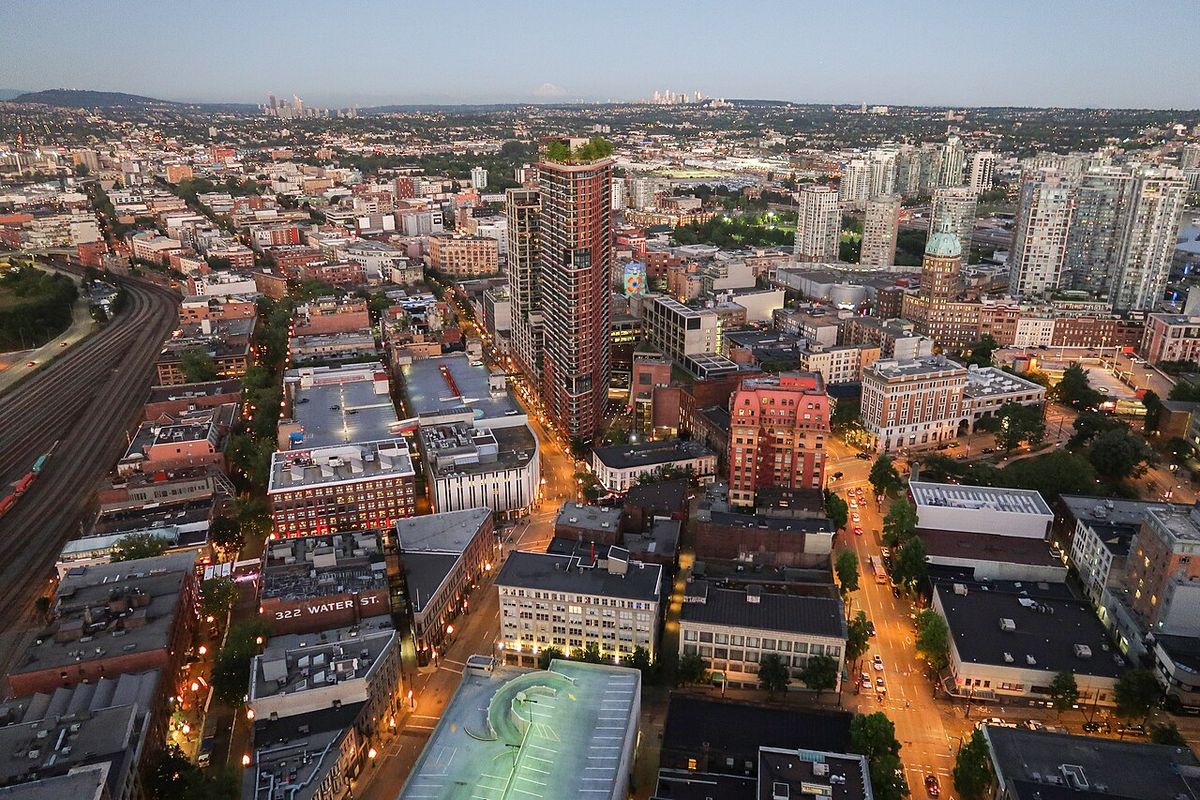
Kitsilano is a historic and highly sought-after residential neighbourhood on the southern shore of English Bay in Vancouver, British Columbia. Named after Squamish Chief August Jack Khatsahlano, the area is bounded by Burrard Street to the east, Alma Street to the west, and 16th Avenue to the south. Known locally as 'Kits', the neighbourhood is celebrated for its scenic Kitsilano Beach, active commercial streets like West 4th Avenue, and its deep cultural history. Its unique combination of beachfront access, strong community amenities, and proximity to downtown Vancouver makes it one of the city's most recognizable and desirable residential communities.
History and Indigenous Land
The area now known as Kitsilano has been part of the shared traditional territory of the Squamish, Musqueam, and Tsleil-Waututh peoples for thousands of years. These nations moved throughout the territory, using its resources for fishing, hunting, trapping, and gathering. A significant village site known as Senakw (or Snauq) was located at the foot of the Burrard Street Bridge. In 1869, the colonial government established the False Creek Indian Reserve No. 6 on this site, which included a large longhouse for families and ceremonies, an orchard, cherry trees, and important fishing weirs made of vine maple fencing and nettle fibre nets. The federal government's 1911 amendment to the Indian Act allowed for the unsettling of reserves near cities with populations over eight thousand, leading to the forced relocation of the Squamish people to reserves on the north shore of Burrard Inlet in what is now North and West Vancouver. The majority of the Kitsilano reserve was formally surrendered to the government in 1946, though part was used by the Canadian Pacific Railway. After decades of legal disputes, the Squamish Nation successfully reclaimed a portion of this land through a BC Court of Appeals ruling in August 2002, which upheld a lower court's decision in their favour.
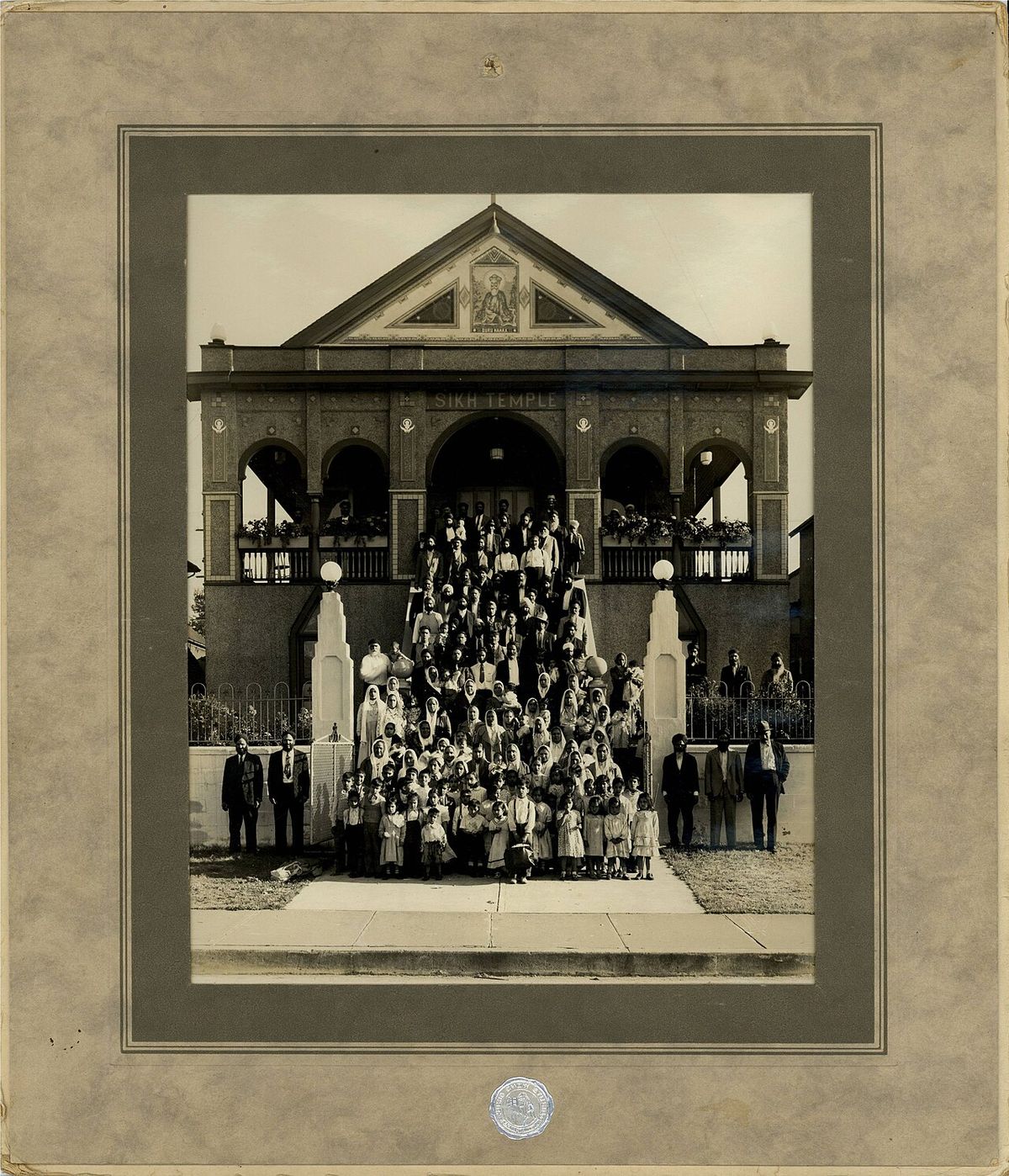
Jerry Rogers began logging at Jerry's Cove, later Jericho, in 1867. Sam Greer pre-empted 160 acres on the waterfront in 1882, though this land was later included in a 6,000-acre grant to the CPR in 1891. The name Kitsilano was officially adopted in 1901, suggested to the railway company by postmaster Jonathan Miller as they considered building a hotel at the beach. Streetcar expansion by the British Columbia Electric Railway in 1905 to Greer's Beach and along 4th Avenue to Alma Street in 1909 spurred rapid residential development north of 4th Avenue. The neighbourhood also became an early centre for immigrant communities, hosting the second Sikh temple in Canada, which opened in 1908 to serve approximately 2000 South Asian mill workers, and a growing Greek community that established itself around a church at 7th and Vine Street by the 1930s, with the community growing from about 3000 in the early 1960s to an estimated 13,000 by 1973.
Urban Development and Character
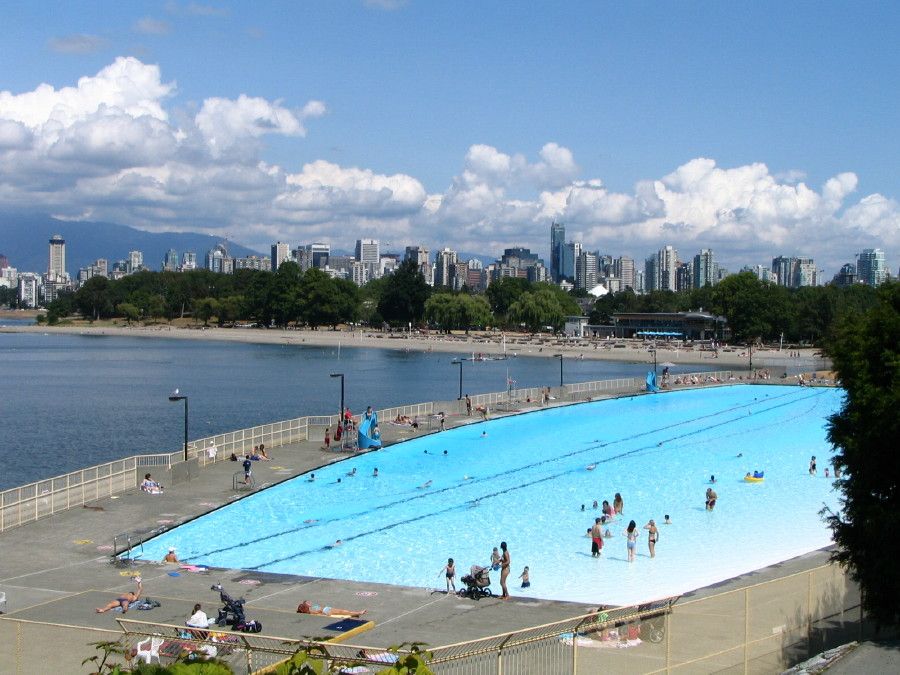
Kitsilano's development accelerated in the mid-20th century with zoning changes in the 1950s that permitted low-rise apartments and the conversion of many larger houses to rooming houses. Residents successfully fought for zoning changes from one- to two-family districts. In the 1960s and 1970s, its relatively low cost and proximity to downtown made it a hub for counterculture and the hippie movement, alongside Gastown. This era left a lasting mark with venues like the Soft Rock Cafe, an all-ages coffee house and music venue near 4th and Maple that operated from 1976 to 1984, Rohan's Rockpile, and the enduring Naam vegetarian restaurant at 4th and Macdonald. Residents actively resisted overdevelopment, forming human chains in 1974 to protest high-rises after houses were demolished at Balsam Street and 3rd Avenue, and successfully lobbying for a three-storey height limit along the waterfront in 1972. The City of Vancouver opened an area planning office at 2384 West 4th Avenue in response to demands for community input into neighbourhood development.
The neighbourhood's architectural character is defined by its mix of early 20th-century Craftsman houses, particularly on and near Macdonald Street, and a variety of low-rise apartment buildings. According to the architectural guide Exploring Vancouver, these developer-built houses from the 1910s and 1920s have wider proportions, broad verandahs, and wood brackets inspired by the California bungalow style. Many historic structures have been repurposed, such as the Kitsilano Neighbourhood House, which combines a 1909 house and a 1930 Greek Orthodox church, and St. James Community Square on 10th Avenue, which incorporates a former church. The area is known for its walkable, leafy streets and a less formal atmosphere compared to other prestigious West Side neighbourhoods. The recent completion of the Broadway Subway extension in 2025, with the Broadway-City Hall Station at its eastern edge, has significantly enhanced Kitsilano's transit connectivity to the rest of the region, supplementing the strong bus connections on 4th Avenue and Broadway.
The real estate market in Kitsilano is consistently strong, characterized by high demand and limited supply. Property values reflect the neighbourhood's desirability, with a notable range across its sub-areas. The most coveted addresses are along the waterfront from the Burrard Bridge to Alma Street, where Point Grey Road was converted to a pedestrian and cycling promenade in 2014. Detached homes here, particularly those with north-facing water views, command prices in the $4 million to $8 million range. Cornwall Avenue, one block inland, offers similar prestige. West 4th Avenue is the commercial spine, flanked by a mix of character houses converted to duplexes, 1970s and 1980s lowrise condos, and newer strata units. Condos in this area range from $620,000 for a well-located one-bedroom to over $1.3 million for a larger two-bedroom. The quieter residential blocks south of 8th Avenue attract families with detached homes typically priced from $2.5 million to $3.8 million. The eastern edge near the Burrard Bridge and Arbutus Greenway offers the most accessible entry points, with older lowrise condos from the 1970s and 1980s starting around $600,000. The average price across all property types in Kitsilano is approximately $1.4 million.
Demographics and Community Life
According to the 2016 census, Kitsilano had a population of 43,045 people. The neighbourhood has a relatively young to middle-aged demographic, with 40.1% of residents between 20 and 39 years old and 32.8% between 40 and 64. Only 13.3% are under 20, and 13.8% are 65 or older. English is the first language for 74.2% of residents, while 5.6% speak a Chinese language, 2.6% speak French, and 0.2% speak hən'q'əmin'əm'. The median household income is $72,839, with 14.7% of the population living in low-income households and an unemployment rate of 5.2%. Kitsilano has the second-highest percentage of third-or-higher-generation residents in Vancouver, after Grandview-Woodland, indicating deep-rooted families.
Community life is anchored by institutions like the Kitsilano Neighbourhood House and the Kitsilano Community Centre, which offer a wide range of programs from childcare and seniors' lunches to fitness and arts. The Fall 2026 recreation guide from the community centre promotes programs in fitness, yoga, dance, tennis, sports, arts, music, and cooking for all ages. The neighbourhood has a strong tradition of activism and environmentalism. Greenpeace held meetings at Kits Neighbourhood House in 1974 to 1975 when it shared an office on 4th Avenue and Maple with the Society Promoting Environmental Conservation. The Green Party of British Columbia held its first membership meeting at the Museum of Vancouver in 1983, and its first office was located in the home of longtime leader Adriane Carr on Trafalgar Street. Seasonal events and markets, such as a Diwali celebration on November 7, 2026, and the Kits House Holiday Market in October 2026, foster ongoing community connection.
Parks, Recreation, and Culture
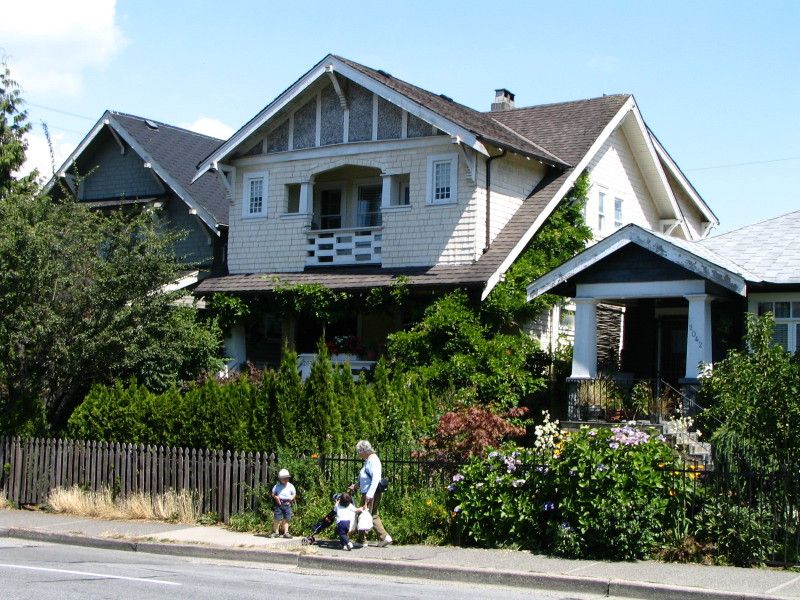
Kitsilano is renowned for its access to green space and waterfront activities. The neighbourhood contains 17 parks, six playgrounds, an off-leash dog park, and the famous Kitsilano Beach. The beach park features a saltwater pool, tennis courts, a franchise restaurant, and the historic Kitsilano Showboat. This open-air amphitheatre, operating since 1935 with the ocean and mountains as a backdrop, hosted free performances from local bands and dance groups until it was damaged by fire in 2023. Its longtime president was Beatrice Leinbach, known as Captain Bea, who was involved since the mid-1940s. Vanier Park is a major cultural hub, housing the Museum of Vancouver, the H.R. MacMillan Space Centre, the Vancouver Maritime Museum, the Vancouver Archives, and the Vancouver Academy of Music, as well as public art installations like 'Gate to the Northwest Passage' and 'Freezing Water #7'. It is also the summer home of the Bard on the Beach Shakespeare festival, which runs from June to September.
Kitsilano is home to a number of Vancouver's annual festivals and events. Each June, Greek Day is an annual street festival celebrating Greek culture and cuisine along several blocks of Greek West Broadway. Vanier Park is home to Bard on the Beach, the outdoor Shakespeare festival running from June to September. The Celebration of Light fireworks competition is held mid-summer on the waters of English Bay. The Khatsahlano Street Party is held on 4th Avenue on a July Saturday.
- Greek Day, held each June along several blocks of West Broadway.
- The Khatsahlano Street Party, taking over West 4th Avenue on a Saturday in July.
- The Celebration of Light fireworks competition, held on English Bay in mid-summer.
- Bard on the Beach, the outdoor Shakespeare festival in Vanier Park from June to September.
- The Kitsilano Showboat free summer performance series, running from 1935 until 2023.
- The Tourism Passport Challenge, run by the Kitsilano BIA from April 18 to May 31, 2026.
As of September 2018, there was an attempt to reconcile with the Indigenous communities by renaming beaches and parks. Stuart Mackinnon, park board chairman, was going to work with the Musqueam, Squamish, and Tsleil-Waututh Nations to rename those areas after their original Indigenous names. However, the Indigenous community replied by saying the original areas were not named previously because they were only forests before colonization. As of today no beaches or parks, including Kitsilano Beach, have been renamed in the hən'q'əmin'əm' or Skwxwú7mesh Snichim languages.
Notable Landmarks and Institutions
Kitsilano features a collection of significant cultural, educational, and architectural landmarks. The Museum of Vancouver and the adjacent H.R. MacMillan Space Centre in Vanier Park are premier destinations for history and science, with the museum holding several pieces of Northwest Coast Indigenous art. The St. Roch National Historic Site, a Royal Canadian Mounted Police schooner, is preserved at the Vancouver Maritime Museum. Kitsilano Secondary School is a well-regarded public institution within the neighbourhood, and the area also includes the Prince of Wales Mini School and strong French Immersion elementary options. The Bessborough Armoury on Burrard Street is a prominent military building, and the area contains two of Vancouver's first neighbourhood pubs, Bimini's and Darby D. Dawes, both on 4th Avenue.
Landmark buildings in Kitsilano include the Museum of Vancouver and H. R. MacMillan Space Centre. Among many original structures repurposed is Kitsilano Neighbourhood House at 7th Avenue and Vine Street. It combines the 1909 Hay House and a former Greek Orthodox church built in 1930. Another repurposed church building is at 3rd Avenue and Vine Street, built in 1910-11 as Kitsilano Presbyterian Church.
- The Hollywood Theatre (1935) on Broadway, renovated in 2020 as a film and music venue.
- The Russian Community Centre at 2114 West 4th Avenue, originally the Kitsilano Theatre (1913).
- The former Canadian Imperial Bank of Commerce at 4th and Yew, built as the Eastern Townships Bank in 1911.
- Arbutus Coffee at 6th Avenue, located in a former grocery store built in 1907.
- The 1932 Imperial Gasoline service station on Cornwall at Yew, now home to restaurants.
- Kitsilano Presbyterian Church at 3rd and Vine (built 1910-11), later apartments from 1985.
Government and Representation
Kitsilano is represented at multiple levels of government. Federally, the neighbourhood is split between the electoral districts of Vancouver Quadra and Vancouver Granville. As of 2026, these ridings are held by Liberal Party Members of Parliament Wade Grant and Taleeb Noormohamed, respectively. At the provincial level, Kitsilano falls within the British Columbia legislative ridings of Vancouver-Point Grey, Vancouver-Fairview, and Vancouver-False Creek. These seats are held by BC NDP members David Eby, Christine Boyle, and Brenda Bailey. This political representation reflects the area's engagement in civic and broader governmental processes, with community events like a provincial candidates meet-and-greet at Kitsilano Neighbourhood House scheduled for October 22, 2026.
Notable Residents
Kitsilano has been home to many prominent individuals from various fields. Its namesake, Squamish Chief August Jack Khatsahlano, is a foundational figure in the area's history. The neighbourhood has attracted numerous cultural figures, including authors William Gibson and Philip K. Dick, and actors Ryan Reynolds, Jason Priestley, and Joshua Jackson. Environmentalist David Suzuki has been a resident, as have hockey players Trevor Linden and Ryan Kesler, and comedian Brent Butt. Other notable residents include performers who started at the Kitsilano Showboat, such as Alan Young and Barbara Parkins. The concentration of such notable residents highlights the neighbourhood's enduring appeal as a place to live and work.
Questions about Kitsilano
What are the boundaries of the Kitsilano neighbourhood?
Kitsilano is bounded by Burrard Street to the east, which separates it from the Fairview neighbourhood, and Alma Street to the west, bordering West Point Grey. Its southern boundary is 16th Avenue, and its northern edge is the shoreline of English Bay. Within these boundaries, the area includes Vanier Park, Kitsilano Beach, and the commercial corridors of West 4th Avenue and West Broadway. The original city limits at incorporation in 1886 were at what is now 16th Avenue to the south and Trafalgar Street to the west.
Why is it called Kitsilano?
The neighbourhood is named after August Jack Khatsahlano, a Squamish chief. His Squamish name, X̱ats'alanexw, was anglicized to 'Kitsilano'. The name was officially adopted in 1901 after being suggested to the Canadian Pacific Railway by postmaster Jonathan Miller as the company considered building a hotel at the beach. The chief lived in the village of Senakw, which was located on the False Creek Indian Reserve at the foot of the Burrard Street Bridge.
What is the average home price in Kitsilano?
As of 2026, the average price for all property types in Kitsilano is approximately $1.4 million. The market is segmented, with entry-level older condos from the 1970s and 1980s near the Burrard Bridge starting around $600,000. Condominiums in the active areas near West 4th Avenue typically range from $620,000 for a one-bedroom to over $1.3 million for a larger two-bedroom. Detached homes in family-oriented areas south of 8th Avenue are generally priced between $2.5 million and $3.8 million, while waterfront homes on Point Grey Road can command prices from $4 million to $8 million.
What are the main attractions in Kitsilano?
The premier attraction is Kitsilano Beach, with its outdoor saltwater pool, tennis courts, and mountain views. Vanier Park is a major cultural hub containing the Museum of Vancouver, the H.R. MacMillan Space Centre, and the Vancouver Maritime Museum, and it hosts the Bard on the Beach Shakespeare festival. The commercial heart of the neighbourhood is West 4th Avenue, known for its independent shops, restaurants like the Topanga Cafe, and cafes. Annual events like the Khatsahlano Street Party, Greek Day, and the Celebration of Light fireworks competition also draw large crowds.
What is the demographic makeup of Kitsilano?
According to the 2016 census, Kitsilano had a population of 43,045. The largest age group is 20 to 39 years old, making up 40.1% of residents, while 32.8% are aged 40 to 64. English is the first language for 74.2% of the population, with 5.6% speaking a Chinese language and 2.6% speaking French. The neighbourhood has a high proportion of multi-generational Canadian families, ranking second in Vancouver for residents whose parents were also born in Canada. The median household income is $72,839, and the unemployment rate is 5.2%.
How has transit access to Kitsilano improved recently?
The completion of the Broadway Subway extension in 2025 significantly improved transit access to Kitsilano. The new Broadway-City Hall SkyTrain station is located at the neighbourhood's eastern edge near the intersection of Broadway and Ash Street. This provides a rapid rail connection to downtown Vancouver and beyond, supplementing the existing bus network that serves the 4th Avenue and Broadway corridors. The area is also well-served by protected cycling routes along Cornwall Avenue, the Arbutus Greenway, and the seawall, connecting it to downtown without needing a car.
Sources and further reading
- Kitsilano (Wikipedia)
- Kitsilano Neighbourhood House (kitshouse.org)
- Fall 2026 Recreation Guide Online (kitscc.com)
- Living in Kitsilano, Vancouver: 2026 Guide | Harry Kramm (vancouverlistingpages.ca)
- Living in Kitsilano: The Complete 2026 Neighbourhood Guide ... (denisemai.com)
Checked by the Your Space Hamilton desk. Last updated 2026-10-24.