Foghorn
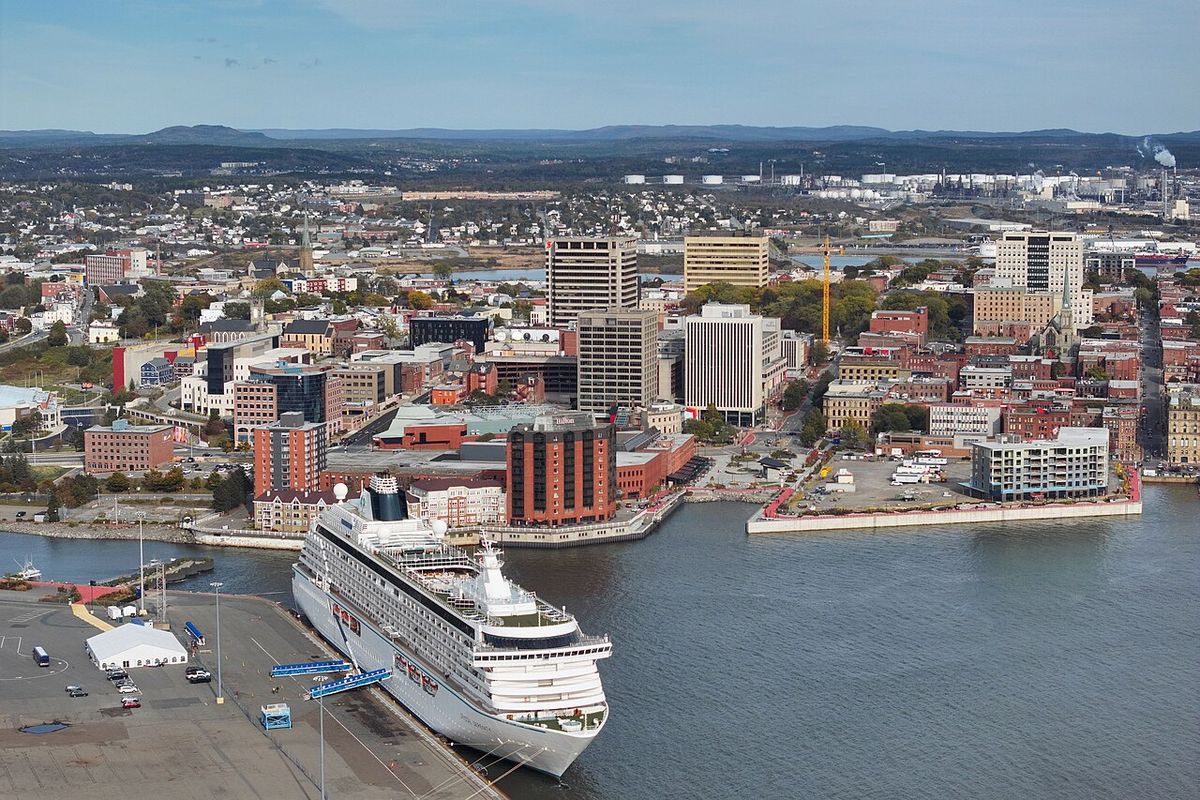
A foghorn, or fog signal, is an audible warning device used primarily in marine transport to alert vessels to navigational hazards such as rocky coastlines, headlands, or other ships during periods of low visibility. These devices produce a powerful, low-frequency sound that can penetrate fog and travel over long distances, serving as a critical safety aid when visual markers like lighthouses are obscured. The invention of the first automated steam-powered foghorn is credited to Scottish-Canadian inventor Robert Foulis in Saint John, New Brunswick, in the mid-19th century, marking a significant development in maritime safety technology. While largely rendered obsolete by modern electronic navigation systems like GPS, foghorns remain a memorable part of coastal heritage and soundscapes.
Technical Operation and Design
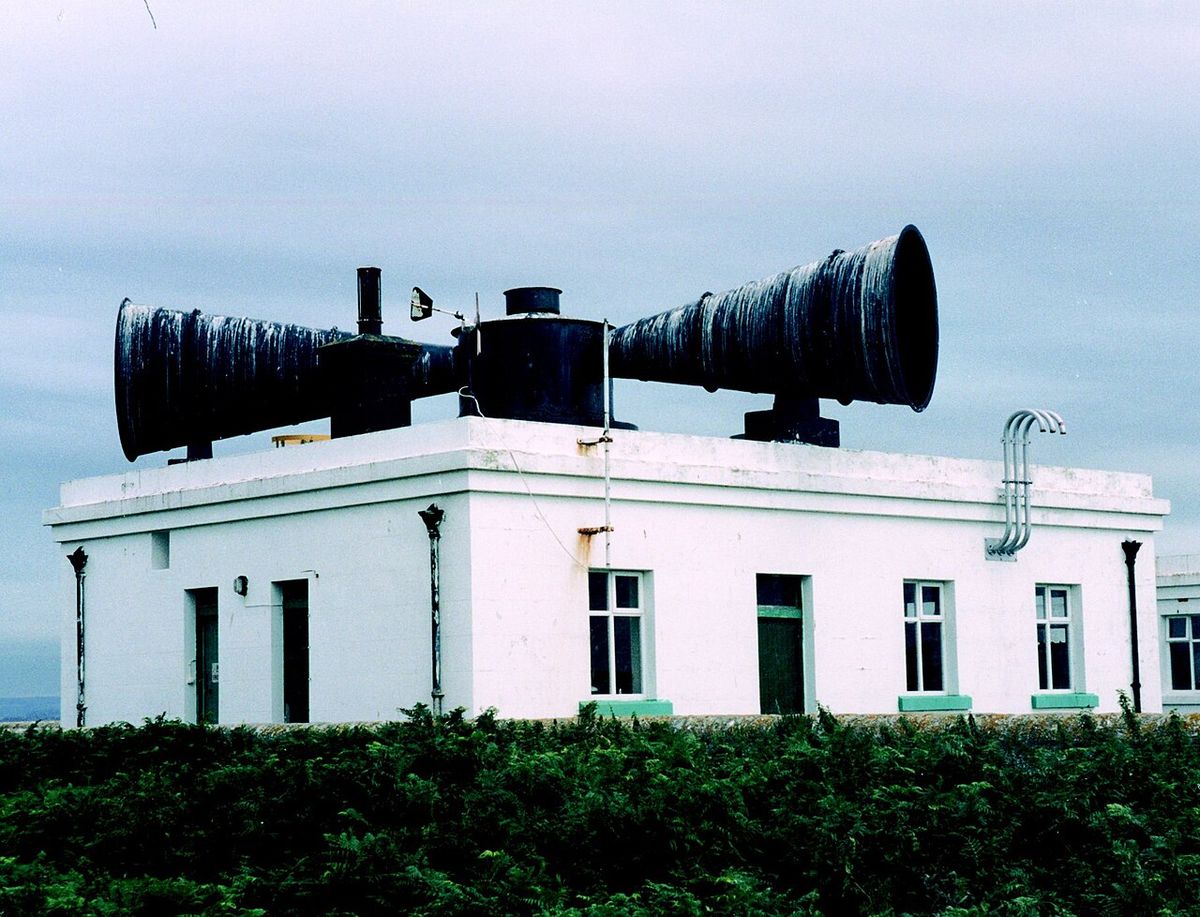
The fundamental principle of all foghorns is the creation of sound through a vibrating column of air, though the methods for generating this vibration have varied historically. Early designs, such as the Daboll trumpet, utilized vibrating metal plates or reeds, a concept similar to that of a modern electric car horn. Other systems, like sirens, operated by forcing air through holes in a rapidly rotating cylinder or disk. To allow for identification by mariners, foghorns were often operated semi-automatically using clockwork mechanisms known as coders. These devices would sequentially open valves to admit air, giving each horn a unique timing pattern for its blasts. The sound produced was intentionally low-frequency, as lower notes were found to travel further and penetrate fog more effectively than higher-pitched sounds.
The specific sound characteristics of a foghorn were its identifying feature. Each signal station was assigned a distinct pattern, such as a single blast every thirty seconds or a group of two blasts every minute. Mariners carried charts that listed these coded patterns, allowing them to determine their position acoustically when no visual references were available. This coding system transformed the foghorn from a simple noise into a navigational instrument. The machinery required to produce these signals was often substantial, involving boilers for steam, compressors for air, and large trumpets or horns to direct the sound seaward.
Historical Development of Audible Signals
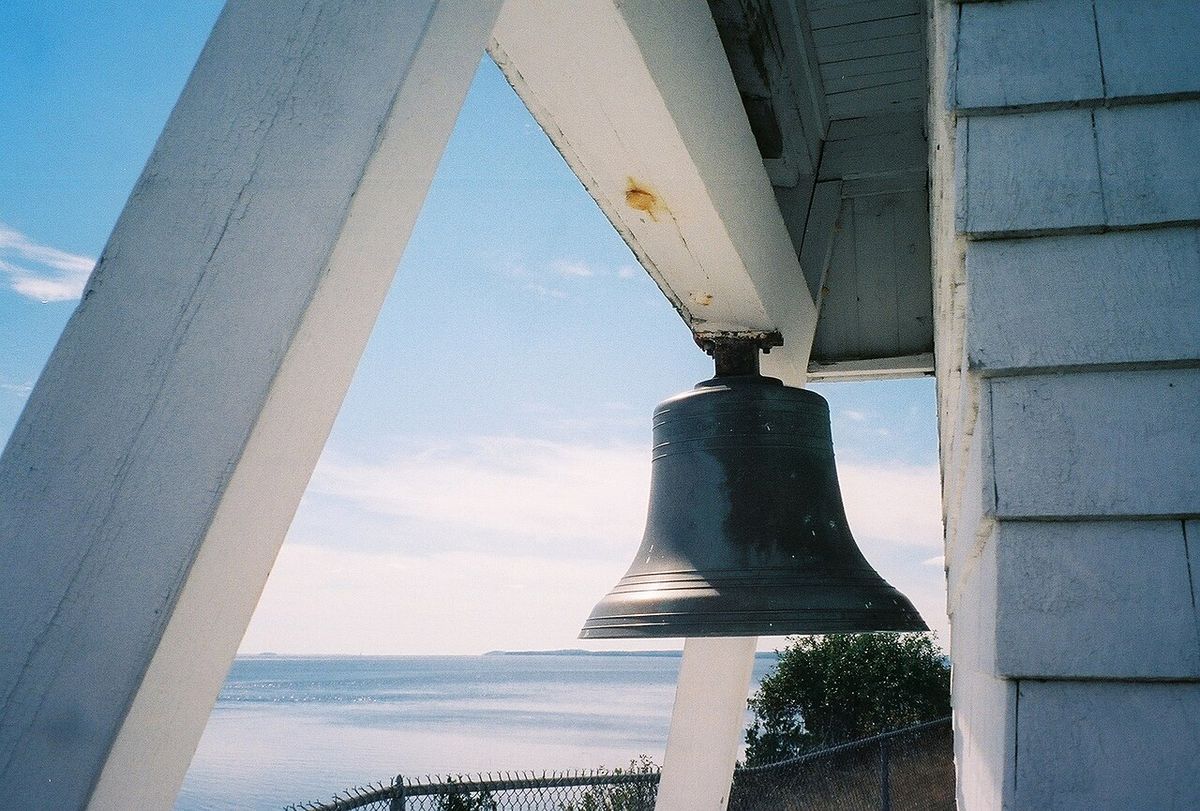
For centuries, mariners used simple audible signals to warn of danger in fog, beginning with manually operated devices like conch shell horns, bells, or gongs. Some locations even employed small cannons fired at intervals, though this method was both dangerous and labour-intensive. In the 19th century, significant efforts were made to automate these signals. In the United Kingdom, Trinity House developed an electrically fired gun-cotton charge system called the Signal, Fog, Mk I, though it required manual reloading after each blast. Clockwork systems were also perfected for automatically striking large bells. An unusual exemption existed in maritime regulations of the time, as Turkish ships were not required to carry bells due to Islamic prohibitions on their use. The quest for a more reliable and powerful signal drove innovation on both sides of the Atlantic throughout the 1800s.
Early automated bell systems represented a major step forward in reliability. One of the first was the Stevens Automatic Bell Striker. Later, some particularly innovative installations placed bells underwater in dangerous areas. For example, at White Shoal Light in Michigan, an underwater bell would sound a predictable code, such as the number 23, and the sound would carry further and reverberate through a ship's hull. This underwater technique was an early precursor to the modern RACON radar transponder system. These developments show the continuous experimentation aimed at making audible warnings more effective and reliable before the advent of electronic sound generation.
- Early manual signals included seashell horns, fog bells, and manually struck gongs.
- Small cannons were periodically fired at some lighthouses as a fog warning.
- The Stevens Automatic Bell Striker was one of the first automated fog bell mechanisms.
- In 1837, a large triangle with four-foot sides was used as a fog signal in Maine.
- Underwater fog bells were used at locations like White Shoal Light in Michigan.
- Turkish ships were historically exempt from carrying fog bells due to religious doctrine.
The Canadian Invention and the Foulis Controversy
The invention of the first automated steam-powered foghorn is a central chapter in Canadian maritime history, attributed to Robert Foulis, a Scottish immigrant to Saint John, New Brunswick. The inspiration reportedly came when Foulis, on a foggy night, heard his daughter playing piano and noted the lower notes carried more clearly. He designed a device to produce a powerful low-frequency sound and a coded signalling system. Despite his persistent presentations to the Commissioners of Light Houses for the Bay of Fundy for installation on Partridge Island, his plans were initially rejected. In a controversial turn, his detailed plans were given to another engineer, T. T. Vernon Smith, who submitted them as his own. The horn was built on Partridge Island in 1859 and known as the Vernon-Smith horn.
Following a protest by Foulis and a legislative inquiry, Foulis was rightfully credited as the true inventor, though he never received a patent or financial profit from his groundbreaking work. The affair highlights the challenges faced by independent inventors in the 19th century. Meanwhile, in England, Captain James William Newton also claimed to have invented the technique of using loud, low notes for fog signalling. The Partridge Island installation demonstrated the practical value of automated steam signals, setting the stage for wider adoption and further technological refinement across the maritime world. This Canadian innovation directly addressed the perilous fog conditions common in the Bay of Fundy and the broader North Atlantic shipping lanes.
Technological Advancements and Global Experimentation
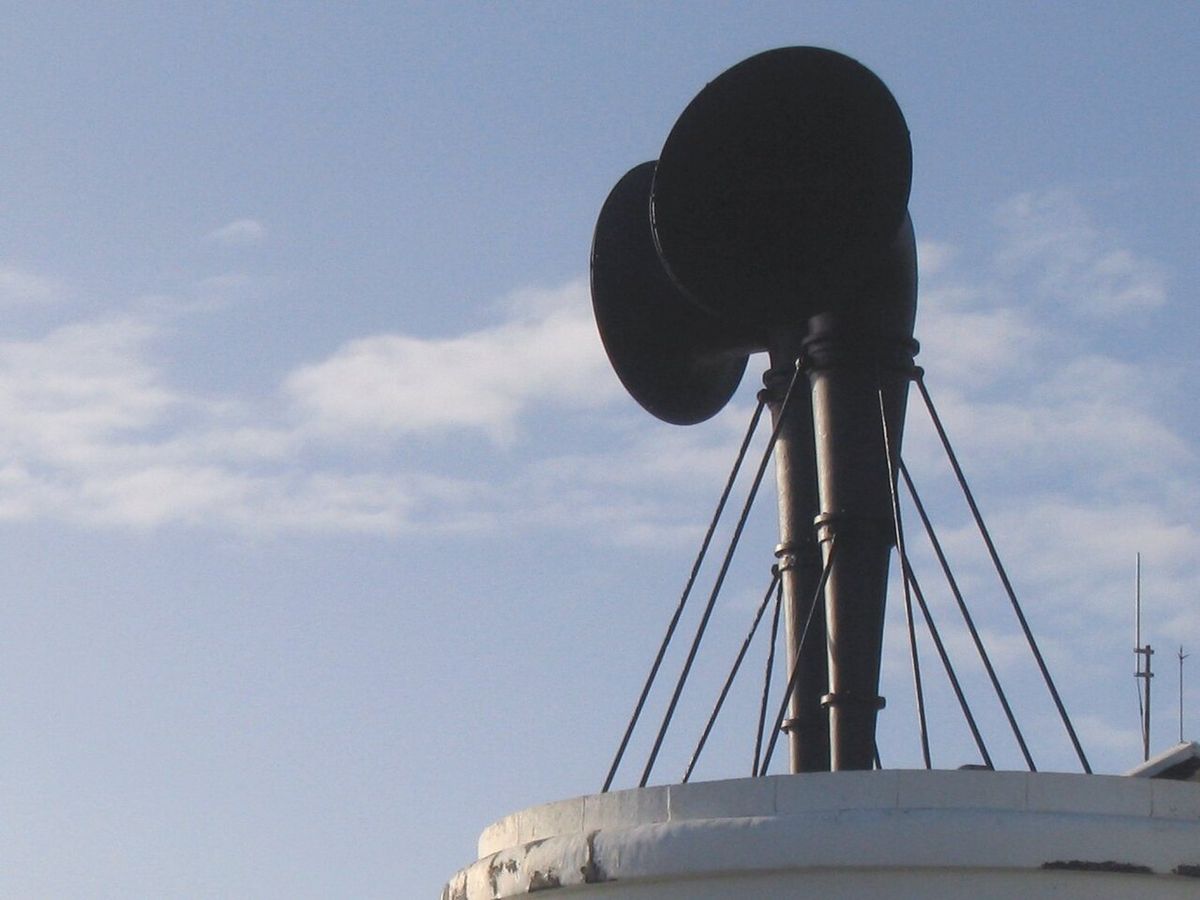
Following Foulis's invention, fog signal technology advanced rapidly through experimentation by scientists and engineers. In the United States, Celadon Leeds Daboll developed a coal-powered trumpet for the American lighthouse service, though it was not universally adopted. A few Daboll trumpets remained in use until the mid-20th century. In Britain, extensive research was conducted for Trinity House by prominent physicists including John Tyndall and Lord Rayleigh. Rayleigh's work culminated in a powerful siren with a large trumpet designed for maximum sound propagation, which was installed at Trevose Head Lighthouse in Cornwall in 1913. A contemporary reporter described the sound of a steam siren as having a screech like an army of panthers that lowered into the roar of a thousand mad bulls.
The major breakthrough of the early 20th century was the diaphone. Originally invented as a pipe organ stop by Robert Hope-Jones, the diaphone was adapted and developed as a fog signal by John Northey of Toronto. Powered by compressed air, diaphones could emit extremely powerful and low-pitched blasts, becoming the standard apparatus for new foghorn installations worldwide for decades. The musical connection of foghorns was highlighted in a 1982 live radio concert by Dutch broadcaster VPRO, which mixed sounds from foghorns at ports like Emden, Calais, and Scheveningen with studio music by sound artist Alvin Curran. This event framed the foghorn not just as a tool, but as an instrument with cultural resonance.
- Celadon Leeds Daboll invented the coal-powered Daboll trumpet in the 19th century.
- John Tyndall and Lord Rayleigh conducted fog signal experiments for Trinity House in the UK.
- A steam siren designed by Lord Rayleigh was installed at Trevose Head Lighthouse, Cornwall, in 1913.
- The diaphone was invented as an organ stop by Robert Hope-Jones.
- John Northey of Toronto developed the diaphone into a standard fog signal apparatus.
- The VPRO radio foghorn concert aired in 1982, featuring signals from Emden, Calais, Nieuwpoort, Scheveningen, Den Helder, Lelystad, Urk, Marken, and Kornwerderzand.
Installation, Operation, and Automation
Foghorns were installed at lighthouses and other coastal stations, often with unique sound patterns or codes to allow mariners to identify their location. Operation evolved from manual labour to sophisticated automation. Early automated systems used clockwork mechanisms to control the timing of blasts. The process at early stations could be arduous, for example at Portland Bill where fog signals sounded every five minutes, requiring keepers to lower the horns, insert two new gun-cotton charges, and raise the horns again every five minutes during fog. This intense labour drove the push for more self-sufficient systems.
In the modern era, activation became fully automated using environmental sensors, eliminating the need for constant human monitoring. A typical system involves a laser or photo beam projected out to sea. If fog or precipitation reflects the beam back to the sensor, a signal is sent to activate the horn. This method ensured the horn sounded only when needed, conserving energy and reducing noise pollution during clear weather. The complexity of maintaining the older machinery, which often required steam boilers or large air compressors, was a primary reason for their removal once simpler, electrically powered diaphragm horns became available. These modern horns, while less powerful than diaphones, were adequate for the remaining need as electronic navigation took precedence.
Obsolescence and Cultural Legacy
The widespread automation of lighthouses in the 1960s and 1970s began the decline of traditional foghorn installations. Their complex machinery was expensive to maintain, and many were replaced with simpler electric diaphragm or compressed air horns. The advent of advanced electronic navigation aids, particularly the Global Positioning System (GPS) and radar, has rendered long-range foghorns largely unnecessary for commercial shipping, according to the International Association of Lighthouse Authorities. Consequently, most classic foghorns have been decommissioned and removed. Their powerful sounds, once a constant presence for coastal communities, have largely fallen silent.
Despite their practical obsolescence, foghorns maintain a strong cultural presence. They are remembered for their distinctive, mournful sound, which became a characteristic element of coastal life. Their story is explored in works like Jennifer Lucy Allan's 2021 book "The Foghorn's Lament: The Disappearing Music of the Coast," which itself is based on her 2019 PhD thesis titled "Fog tropes: A social and cultural history of the foghorn." The sound has been archived and celebrated in radio documentaries and sound art, preserving its acoustic signature for future generations. The foghorn's journey from essential safety device to historical artifact reflects the broader technological transformation of maritime navigation.
- Most older foghorn installations were removed during lighthouse automation in the 1960s and 1970s.
- Modern replacements are typically electrically powered diaphragm or compressed air horns.
- The International Association of Lighthouse Authorities considers large foghorns unnecessary due to GPS.
- Jennifer Lucy Allan published "The Foghorn's Lament: The Disappearing Music of the Coast" in 2021.
- Allan's book is based on her 2019 PhD thesis from the University of the Arts London.
- A BBC Radio 4 program titled "The Foghorn: A Celebration" aired in 2011.
Questions about Foghorn
How does a foghorn work?
Foghorns work by creating a powerful sound through a vibrating column of air. Historical methods included vibrating metal reeds, like in the Daboll trumpet, or forcing air through holes in a rotating siren disk. The most effective standard apparatus, the diaphone, used compressed air to create a deep, low-frequency blast. These sounds are low-pitched because lower frequencies travel further and penetrate fog better than high-pitched sounds, providing a more effective warning over distance.
Are foghorns still used today?
Traditional, large foghorns have been largely decommissioned and are rarely used for primary navigation. The automation of lighthouses and the universal adoption of electronic navigation systems like GPS and radar have made them mostly obsolete for commercial shipping. Some smaller, electrically powered signals may remain in limited use. Modern activation, when used, is fully automated, typically triggered by a sensor that detects fog by reflecting a laser or light beam back to its source.
What is a diaphone foghorn?
The diaphone was the standard foghorn apparatus for most of the 20th century. It was an adaptation of a pipe organ stop, originally invented by Robert Hope-Jones and developed as a maritime fog signal by John Northey of Toronto. Powered by compressed air, the diaphone was capable of producing an extremely powerful and characteristically low-pitched blast. Its efficiency and reliability made it the preferred choice for new foghorn installations around the world for decades.
Who invented the foghorn?
The first automated steam powered foghorn was invented by Robert Foulis, a Scotsman who emigrated to Saint John, New Brunswick, Canada. Foulis was inspired after noticing low musical notes from a piano were more audible on a foggy night. He designed a device to produce a low frequency sound and a code system for it. His plans were submitted to lighthouse commissioners by another engineer, T. T. Vernon Smith, and the horn was constructed on Partridge Island in 1859. After a legislative inquiry, Foulis was credited as the true inventor, though he never patented or profited from his work.
Why did foghorns have different sound patterns?
Foghorns had different sound patterns to help mariners identify them when visual navigation aids were obscured. Semi automatic operation used a clockwork mechanism or coder to sequentially open valves, giving each horn its own timing characteristics. This allowed ships to distinguish between different navigational hazards like rocky coastlines, shoals, or headlands based on the audible signal. The distinct patterns functioned as identifiable audible landmarks in foggy conditions, which was crucial for maritime safety before modern electronic navigation.
What role did Canada play in foghorn history?
Canada played a key role in foghorn history through two major inventions. Later, the diaphone, which became the standard foghorn apparatus worldwide in the early 20th century, was developed as a fog signal by John Northey of Toronto. Northey adapted the diaphone from an organ stop originally invented by Robert Hope Jones. These Canadian contributions significantly advanced maritime safety technology during the age of coastal and transatlantic shipping.
Sources and further reading
- Foghorn (Wikipedia)
- Sounding the Alarm, The Foghorn and its Building (communitystories.ca)
- Foghorn (sumburghhead.com)
- The Foghorn (sheringhamlighthouse.ca)
- Behold as a mechanical foghorn in Shetland awakes from its ... (aeon.co)
Checked by the Your Space Hamilton desk. Last updated 2026-10-23.