Moose Jaw
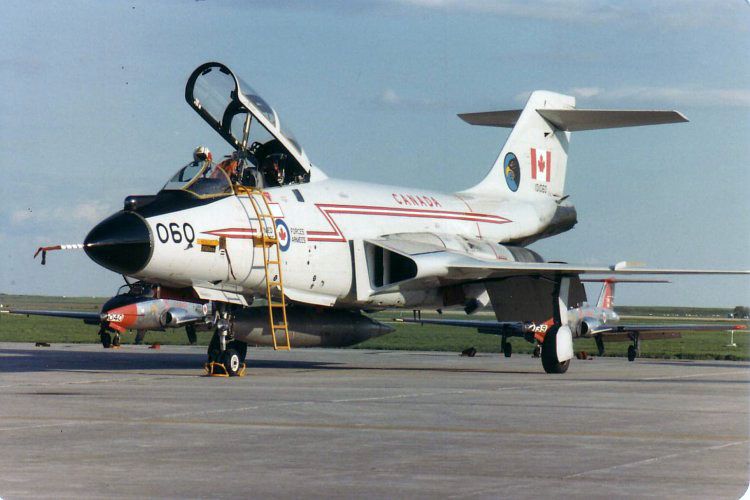
Moose Jaw is the fourth-largest city in Saskatchewan, Canada, located on the Moose Jaw River in the south-central part of the province. It is a significant industrial centre and a critical railway junction for the region's agricultural produce, situated on the Trans-Canada Highway approximately 77 kilometres west of Regina. The city is home to CFB Moose Jaw, a NATO flight training school and the base for Canada's military aerobatic team, the Snowbirds. Known for its quirky charm and rich history, Moose Jaw markets itself as Canada's Most Notorious City, capitalizing on stories from its Prohibition-era past.
History and Settlement
The area that became Moose Jaw was historically used as a winter encampment by Cree and Assiniboine peoples, who were drawn to the sheltered valley and its warm breezes. The first permanent settlement, known as "the turn," was established by fur traders and Métis buffalo hunters at what is now Kingsway Park. The modern city's founding is inextricably linked to the Canadian Pacific Railway, which selected the confluence of the Moose Jaw River and Thunder Creek as a division point in 1881 due to the vital water supply for steam locomotives. Settlement began in earnest in 1882, and Moose Jaw was officially incorporated as a city in 1903. The origin of the city's distinctive name is debated, with theories suggesting it derives from the Plains Cree term "moscâstani-sîpiy," meaning "a warm place by the river," or from the shape of the river as it passes through the city. A dam was constructed on the river in 1883 to ensure a reliable year-round water source, solidifying the community's growth.
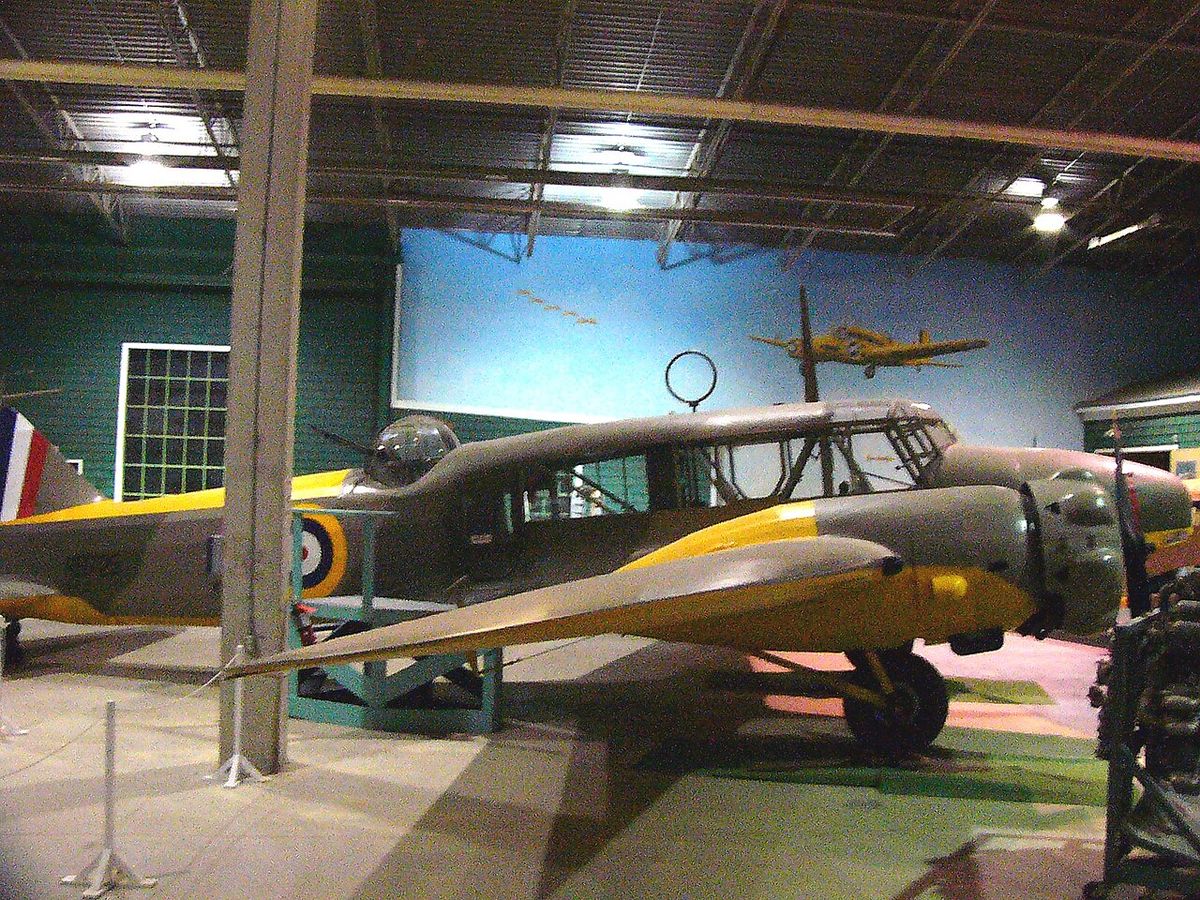
The railways were fundamental to Moose Jaw's early development, with both Canadian Pacific and Canadian National railways establishing stations in the city. This transportation hub status fostered its role as a major centre for processing and shipping agricultural goods from the surrounding prairies. The city experienced a tragic event on April 8, 1954, when Trans-Canada Air Lines Flight 9 was involved in a mid-air collision near Moose Jaw. The community's strategic importance was further cemented during the Second World War with the establishment of RCAF Station Moose Jaw in 1940 as part of the British Commonwealth Air Training Plan. This facility evolved into CFB Moose Jaw in 1968, becoming Canada's primary military flight training centre.
Economy and Industry
Moose Jaw's economy has long been anchored by its function as a transportation and industrial hub for southern Saskatchewan's agricultural sector. The city lies at the intersection of the Trans-Canada Highway and Highway 2, facilitating the movement of goods. Large concrete grain terminals have largely replaced the familiar wooden grain elevators that once dotted the landscape, reflecting advances in harvest and transport technology. The area is also home to various processing plants and producers of salt, potash, urea fertilizer, anhydrous ammonia, and ethanol, all benefiting from easy access to major transportation routes. An early and short-lived foray into automobile manufacturing occurred in 1917 when local residents built 25 cars under the name Moose Jaw Standard, though production ended after the initial batch.
Tourism is a significant and growing component of the local economy, driven by the city's unique historical narrative and attractions. Key sites include the Temple Gardens Mineral Spa, which utilizes natural geothermal waters, and the Tunnels of Moose Jaw, a restored Prohibition-era network that forms the centrepiece of the city's "notorious" branding. Other major draws are the Western Development Museum's transportation history branch, Casino Moose Jaw, and the Moose Jaw Museum & Art Gallery. The city's strategic plan for 2026 to 2029 prioritizes sustainable infrastructure, fiscal responsibility, and economic growth, with specific infrastructure renewal projects planned, including the replacement of approximately 1.9 kilometres of cast iron water main in 2026.
Arts, Culture and Community
Moose Jaw has an active and diverse cultural scene supported by several key institutions. The Moose Jaw Museum & Art Gallery, located in downtown Crescent Park, hosts community, travelling, and permanent collection exhibits alongside a heritage gallery focused on local history. The Moose Jaw Art Guild is a community association dedicated to exhibiting and fostering appreciation for visual arts. The city is also home to one of four branches of the Saskatchewan Western Development Museum, which specializes in the history of transportation and features a Snowbirds gallery. Another unique museum is the Sukanen Ship Pioneer Village and Museum located south of the city, which displays a ship built by a Finnish homesteader and a collection of pioneer artifacts restored by the local car club.
The city has an active 2SLGBTQ community with a documented history of advocacy. In 1978, approximately 85 people marched in response to a visit by anti-gay campaigner Anita Bryant. The first official Pride Week proclamation and flag raising at city hall occurred in 2008, and annual pride parades resumed in 2015. The organization Moose Jaw Pride, incorporated in 2014, worked to promote the city as a safe destination and installed community symbols like a rainbow bench and a historical mural before closing in 2022. The service gap was addressed in 2025 with the launch of Prism Community Services. Major cultural festivals include the four-day Saskatchewan Festival of Words every July, which highlights Canadian writers, and the free three-day Sidewalk Days Festival on Main Street held the weekend after Canada Day.
- Moose Jaw Museum & Art Gallery: Located in Crescent Park, features rotating art and history exhibits.
- Western Development Museum: Focuses on transportation history and the Snowbirds.
- Sukanen Ship Pioneer Village and Museum: Features a hand-built ship and pioneer village south of the city.
- Saskatchewan Festival of Words: A four-day literary festival held each July.
- Sidewalk Days Festival: A free three-day street festival drawing tens of thousands.
- Moose Jaw Trolley Company: Offers historical and ghost story tours on a vintage trolley.
Major Attractions and Tourism
Tourism in Moose Jaw is built around its distinctive history, geothermal spa, and family-friendly attractions. The Tunnels of Moose Jaw, which opened as a tourist attraction in June 2000, offers two themed tours: "Passage to Fortune," which dramatizes the experiences of early Chinese immigrants, and "The Chicago Connection," which explores the city's rum-running history during American Prohibition. While the tours incorporate historical context, they also circulate fictionalized stories, including unverified anecdotes about visits by American mobster Al Capone. The Temple Gardens Mineral Spa Resort is a major draw, featuring pools fed by natural geothermal springs. The city's downtown is adorned with large hand-painted murals and is home to Casino Moose Jaw.
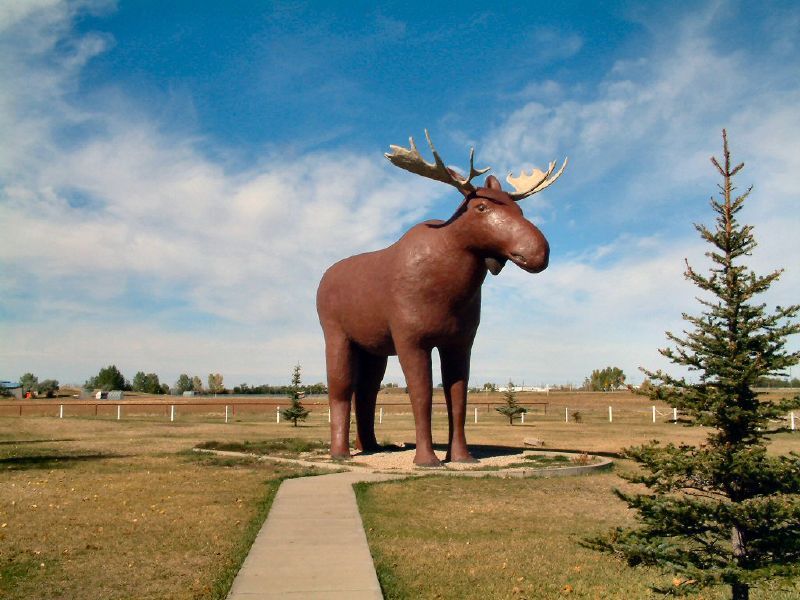
Outdoor recreation is centred on the city's extensive park system. Crescent Park in the downtown core offers an outdoor pool, water park, playgrounds, and an amphitheatre. Wakamow Valley follows the Moose Jaw River and provides a natural oasis with trails for hiking and cycling, picnic areas, and the Lorne Calvert Campground. Founded in 1927, this campground is considered the longest-running in North America and offers canoe and kayak rentals. Nearby recreational lakes include Buffalo Pound Lake, 28 kilometres north, which has a provincial park on its south shore, and Old Wives Lake, a saline lake 30 kilometres southwest of the city. The large roadside statue known as Mac the Moose greets visitors at the tourist information centre along the Trans-Canada Highway.
Sports and Recreation
Sports have a deep history in Moose Jaw, with hockey and baseball being particularly prominent. The city won a territorial baseball championship as early as 1895, and a Moose Jaw junior all-star team won a Canadian championship and a game at the Little League World Series in 2004. The city is home to several active sports teams, including the Moose Jaw Warriors of the major junior Western Hockey League, the Moose Jaw Miller Express of the Western Canadian Baseball League, and the Moose Jaw Mustangs lacrosse team. The community also hosts significant sporting events, such as the 2023 World Para Ice Hockey Championships and the upcoming 2025 World Men's Curling Championship. The city has two curling clubs, the Moose Jaw Curling Centre and the Temple Gardens Centre.
Recreational opportunities extend beyond organized sports. The Moose Jaw Rotary Track Club supports track and field and cross country, while the Lil Chicago Roller Derby league fields the Moose Jaw Jaw Breakers women's flat track roller derby team. The city's extensive network of parks and the trails in Wakamow Valley provide ample space for running, cycling, and walking. The defunct Moose Jaw airshow, which featured the Snowbirds based at CFB Moose Jaw, was a summer staple and was slated to return in 2019. The city's sporting history includes several now-defunct teams, such as the Moose Jaw Canucks junior hockey team that operated from 1935 to 1984 and the Moose Jaw Diamond Dogs professional baseball team from 1995 to 1997.
| Active Team | League/Sport |
|---|---|
| Moose Jaw Warriors | Western Hockey League (Hockey) |
| Moose Jaw Miller Express | Western Canadian Baseball League |
| Moose Jaw Mustangs | Prairie Gold Lacrosse League |
| Moose Jaw Jaw Breakers | Women's Flat Track Roller Derby |
Education and Infrastructure
The city's education system includes five high schools and 15 elementary schools operated by the Prairie South School Division and the Holy Trinity Catholic School Division. French-language education is available through École Ducharme, a francophone school offering preschool to grade 12, and École fransaskoise de Moose Jaw, which offers French immersion from preschool to grade 9. Post-secondary education is provided through a campus of Saskatchewan Polytechnic. For health care, the primary facility is the Dr. F.H. Wigmore Regional Hospital, located in the city's northeast end. This hospital replaced the former Moose Jaw Union Hospital, which had served the community since 1948 and closed in 2015.
City governance is conducted by an elected mayor and six city councillors, with council meetings held at City Hall on the second floor of the historic former post office building. Provincially, the city is represented by two Members of the Legislative Assembly (MLAs), and federally by one Member of Parliament (MP). The city is surrounded by the Rural Municipality of Moose Jaw No. 161, which includes CFB Moose Jaw and serves a smaller rural population. Infrastructure renewal is a ongoing priority, with the 2026 capital program including significant water main replacement projects. The city also maintains an extensive parks system, with neighbourhoods divided into four community associations: South Hill, East Side, North West, and Sunningdale/VLA/West Park.
Royal Connections and Military Presence
Moose Jaw has a longstanding connection with the Canadian Royal Family, having hosted numerous royal visits over the past century. Edward, Prince of Wales (later King Edward VIII) visited in 1919, 1924, and 1927. His brother, Prince Albert (the future King George VI), visited in 1926, and King George VI and Queen Elizabeth (the Queen Mother) toured the city in 1939. Queen Elizabeth II first visited in 1959 and returned on several subsequent occasions. In 2003, Prince Edward, Earl of Wessex, became Colonel-in-Chief of the Saskatchewan Dragoons, a reserve armoured regiment based in Moose Jaw, and inaugurated the Queen's Jubilee Rose Garden during his visit. The city's royal links are also reflected in school names such as King George School and the former King Edward Elementary School.
The military presence is a defining feature of the city, centred on CFB Moose Jaw, located south of the city in Bushell Park. The base, whose primary lodger unit is 15 Wing, is Canada's main military flight training centre and the home of the Snowbirds, the Canadian Forces' 431 Air Demonstration Squadron. The base typically holds an annual Armed Forces Day event. The Saskatchewan Dragoons, headquartered in an armoury in the city's north end, have contributed to domestic aid during floods and forest fires and have served in international peacekeeping operations in locations such as Cyprus, the Golan Heights, Bosnia, and Croatia. This dual presence of royal patronage and active military institutions highlights Moose Jaw's significant role in national defence and ceremonial life.
Questions about Moose Jaw
Where does the name 'Moose Jaw' come from?
The origin of the city's name is believed to stem from Indigenous Cree words. One leading theory is that it derives from the Plains Cree term 'moscâstani-sîpiy,' which translates to 'a warm place by the river' or 'river of warm breezes,' referring to the protection the valley provides from prairie winds. Another theory suggests the name is a phonetic interpretation of the Cree word rather than a direct translation. A less likely folk tale attributes the name to the shape of the Moose Jaw River as it bends through the city, which some thought resembled a moose's jaw.
What are the main tourist attractions in Moose Jaw?
Key attractions include the Tunnels of Moose Jaw, which offers guided tours through restored Prohibition-era passageways. The Temple Gardens Mineral Spa Resort allows visitors to soak in natural geothermal mineral waters. The Western Development Museum's Moose Jaw branch focuses on transportation history and the Snowbirds. Other major sites are Casino Moose Jaw, the historic downtown with its many murals, and the Moose Jaw Trolley Company for narrated tours. Outdoor highlights include Wakamow Valley for trails and camping, Crescent Park, and the large roadside statue known as Mac the Moose.
Is Moose Jaw home to any major sports teams or events?
Yes, Moose Jaw is home to the Moose Jaw Warriors, a major junior hockey team in the Western Hockey League. The city also hosts the Moose Jaw Miller Express baseball team in the Western Canadian Baseball League. Moose Jaw has been selected to host significant international sporting events, including the 2023 World Para Ice Hockey Championships and the upcoming 2025 World Men's Curling Championship. The city's sports history includes a 2004 junior baseball team that won a Canadian championship and a game at the Little League World Series.
What is the military significance of Moose Jaw?
Moose Jaw is the site of Canadian Forces Base Moose Jaw, a key Royal Canadian Air Force installation. The base, home to 15 Wing, is Canada's primary military flight training centre and operates a NATO flight training program. It is also the permanent home of the Snowbirds, Canada's military aerobatic flight demonstration team (431 Squadron). The base was originally established as RCAF Station Moose Jaw in 1940 under the British Commonwealth Air Training Plan. The city houses the Saskatchewan Dragoons, a reserve armoured regiment with a history of domestic aid and international peacekeeping.
How can I get help planning a trip to Moose Jaw?
Tourism Moose Jaw provides direct assistance for trip planning. You can contact them by phone at 306-693-8097 or by email at [email protected]. Their staff can provide information on tours, accommodations, dining, and events to help organize your visit. The city's official tourism website and social media channels also offer extensive resources, including details on seasonal activities, festival dates like the Saskatchewan Festival of Words in July, and operating hours for major attractions such as the tunnels and the mineral spa.
Why is Moose Jaw called 'Canada's Most Notorious City'?
During this time, the city's tunnel network became a hub for rum running, gambling, and prostitution, with illegal alcohol reportedly warehoused there and shipped to the United States via the Soo Line Railroad. There are longstanding anecdotal claims, though no definitive proof, that American mobster Al Capone visited or had interests in these bootlegging operations. In the 21st century, the city capitalized on this notoriety by restoring the tunnels into the popular Tunnels of Moose Jaw tourist attraction, which opened in June 2000. Tourism Moose Jaw now embraces this colourful past as a central part of its branding, promoting the city's quirky charm and hidden historical gems under the 'Most Notorious' slogan.
Sources and further reading
- Moose Jaw (Wikipedia)
- Tourism Moose Jaw: Home (tourismmoosejaw.com)
Checked by the Your Space Hamilton desk. Last updated 2026-10-29.