Cornwall, Ontario
Cornwall is a city in Eastern Ontario, Canada, and serves as the province's easternmost urban centre. Positioned at the convergence of Ontario, Quebec, and New York State along the St. Lawrence River, it is the seat of the United Counties of Stormont, Dundas and Glengarry but is administered independently. The city functions as a regional hub for logistics, distribution, and call centres, supported by its status as a major port of entry and its location on Highway 401 within the Quebec City-Windsor Corridor. Founded by United Empire Loyalists in 1784, Cornwall has evolved from a frontier settlement into a city with a population of 47,845 as of the 2021 census.
History and Settlement
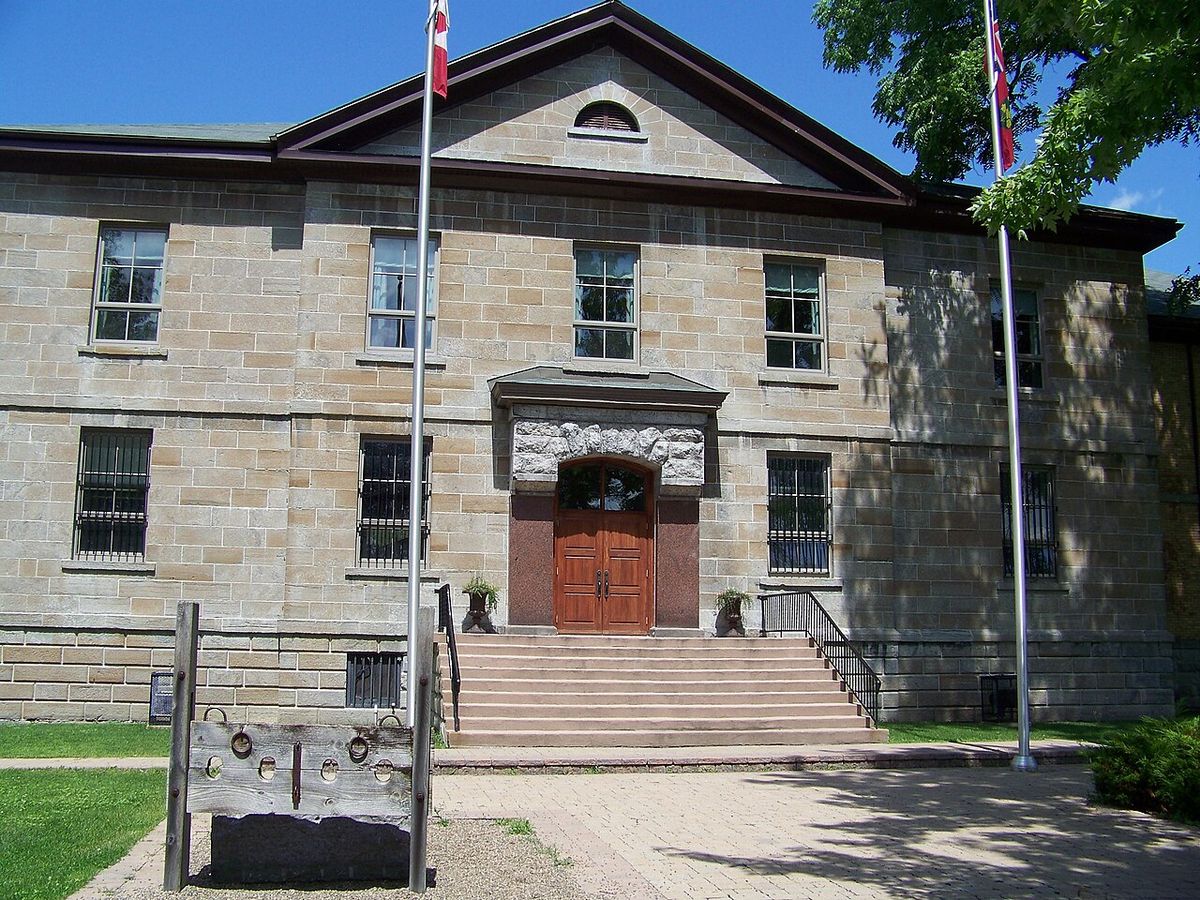
The first documented European settlement at the site of Cornwall was established in 1784 by United Empire Loyalists fleeing the United States after the American Revolution. Led by Lieutenant-Colonel Sir John Johnson, the group of 516 settlers, including soldiers from the King's Royal Regiment of New York, initially named their community New Johnstown. The settlement was renamed Cornwall by proclamation in honour of the Duke of Cornwall, the eldest son of King George III. In 1834, it became one of the first incorporated municipalities in Upper Canada. The community's development accelerated with the construction of the Cornwall Canal between 1834 and 1842, which solidified its role as a regional economic centre. During the War of 1812, the area saw military action at the Battle of Hoople's Creek and the Battle of Crysler's Farm, and Cornwall itself was occupied by the United States Army for two days in November 1813.
Railway expansion in the latter half of the 19th century further cemented Cornwall's regional importance. The Grand Trunk Railway built an east-west line through the city in 1856, followed by the New York and Ottawa Railway with a north-south line and a station built in 1898. These connections linked surrounding rural communities to Cornwall's services, such as high schools and medical care, reinforcing its status as a local entrepot. In 1944, the city was shaken by the magnitude 5.8 Cornwall-Massena earthquake, which caused damage to buildings like the Cornwall Collegiate and Vocational School but resulted in no fatalities.
Demographics and Cultural Integration
According to the 2021 Census, Cornwall had a population of 47,845 people living in 21,386 private dwellings. The city's demographic composition is 84.5% white or European, 9.9% visible minorities, and 5.6% Indigenous. The largest visible minority groups are South Asian (5.1%) and Black (1.7%). In terms of religion, 66.3% of the population identified as Christian, with Catholics making up 50.1% of residents and Protestants 9.8%. The region has a long history of ethnic integration, beginning with its original Mohawk and Ojibwe inhabitants and followed by successive waves of Loyalists, French Canadian and Acadian migrants, and poor Scottish and Irish immigrants. This mixing was facilitated by geographic isolation and a frontier culture that demanded interdependence.
The area was known for its lack of strict social hierarchy and a spirit of collective enterprise. From the 1780s onward, community "bees" were common social events where people of all ranks and backgrounds pooled labour for projects like raising buildings or clearing land. This tradition fostered a culture where former social standing mattered less than cooperation for survival. The region also has a significant connection to the history of slavery in Canada. John Baker, who died in Cornwall in 1871 at age 93, is considered the last Canadian born into slavery. Upper Canada, which included Cornwall, began abolishing slavery in 1793 and declared all slaves free in 1819, preceding the British Empire's wider abolition in 1833. More recently, Cornwall has seen an increase in new immigrants who tend to integrate successfully into the community.
- 2021 Population: 47,845
- Visible Minority Population: 9.9%
- Indigenous Population: 5.6%
- Christian Population: 66.3%
- Largest Visible Minority Group: South Asian (5.1%)
- Historic Figure: John Baker, last Canadian born into slavery, died in Cornwall in 1871.
Economy and Infrastructure
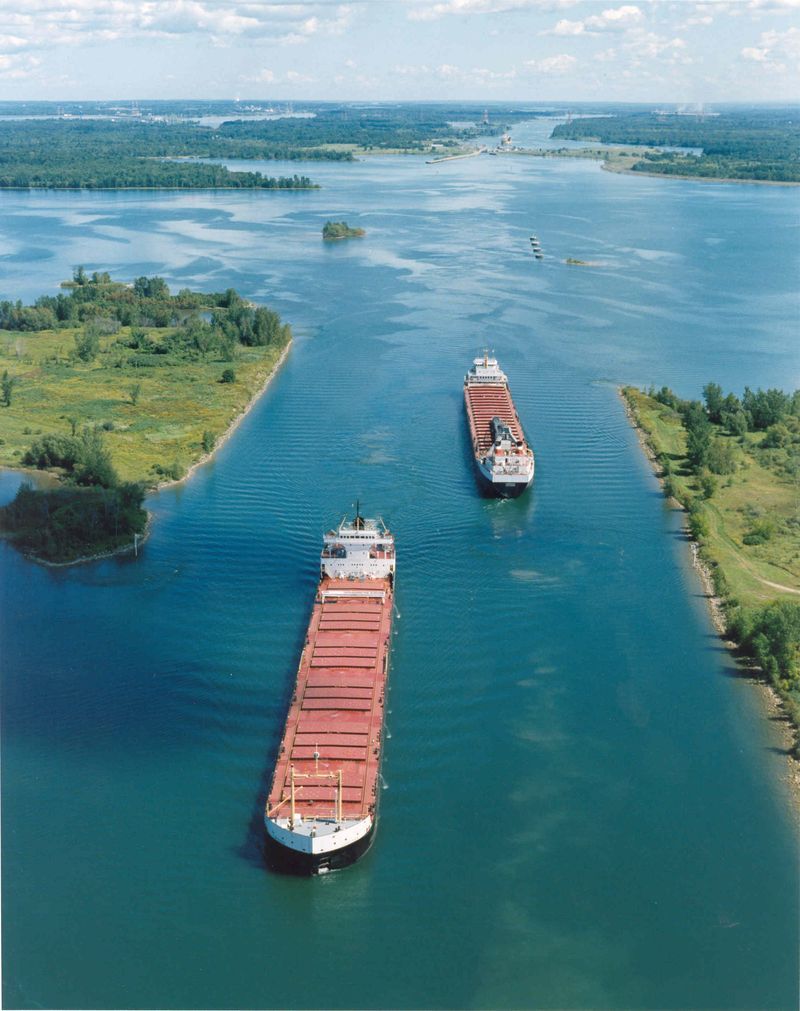
Cornwall's economy is anchored by its strategic location as a transportation and logistics hub. It is home to the St. Lawrence Seaway Management Corporation, which oversees navigation and shipping on the seaway, and serves as a major port of entry from the United States. Key industries include logistics, distribution, and call centres, supported by the city's position on Highway 401 within the vital Quebec City-Windsor Corridor. Historically, the economy was driven by industrial operations such as the Courtaulds rayon fibre plant and the Domtar paper mill, both of which have since closed.
The city has made significant investments in municipal infrastructure and environmental sustainability. In 2014, Cornwall completed a $55.5 million secondary sewage treatment plant, funded jointly by the federal, provincial, and municipal governments. The city also operates Canada's first municipally owned hot water district heating and cogeneration system, launched in 1995, which provides about 4% of the city's daily electrical needs while heating several public buildings. Other initiatives include converting all traffic signals to energy-efficient LEDs in 2002 and developing a Community Carbon Reduction Initiative. The city's draft 2026 operating budget proposes expenditures of $260,020,541, representing a 4.56 percent increase over the previous year.
Environment and Recreation
Cornwall has faced significant environmental challenges due to its industrial past, including riverfront contamination from metals like mercury and zinc, and soil contamination from coal tar. The most visible legacy is "Big Ben," an 80-metre-tall, 18-hectare dumpsite within the city containing demolition waste, paper mill sludge, and asbestos. Despite opposition, the Ontario Ministry of Environment permitted additional dumping of contaminated soils at the site in 2008. The site is used as a ski hill in winter when waste is covered and odours are subdued. Historically, industrial emissions led to public health concerns, with a 1995 Health Canada report showing hospitalization rates for asthma in Cornwall were approximately double those of other Ontario industrial cities.
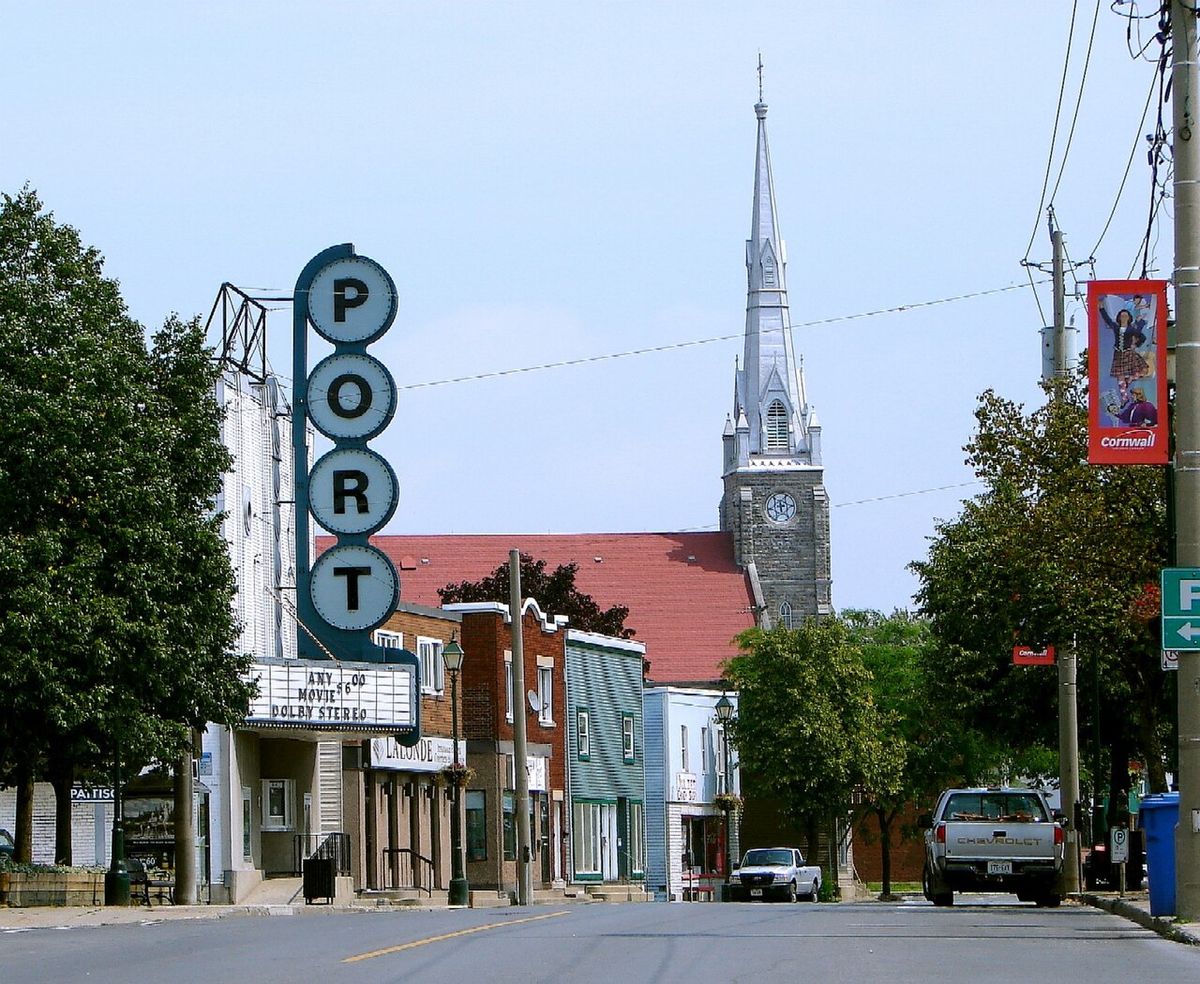
Air quality has improved markedly following the closure of major industrial plants. Recent studies rank Cornwall's air quality first among 29 Ontario communities examined. The city has over 40 kilometres of waterfront trail, including the popular Riverside Trail for cycling. Recreational facilities include the Big Ben Ski Centre, which also hosts seasonal events like outdoor movie nights. Lamoureux Park is a central venue for community events, and the area promotes tourism with attractions like the annual Apples & Art Studio Tour and the Cornwall Summer Night Market. The Cornwall Community Museum celebrated its 70th anniversary in 2026.
- Major Environmental Site: "Big Ben" dumpsite (18 hectares, 80 metres tall).
- Air Quality Ranking: Ranked #1 in a study of 29 Ontario communities.
- Key Infrastructure: Secondary sewage treatment plant completed in 2014.
- Recreation: Over 40 km of waterfront trail, Big Ben Ski Centre.
- Annual Events: Apples & Art Studio Tour, Cornwall Summer Night Market.
- Cultural Institution: Cornwall Community Museum (70th anniversary in 2026).
Governance and 2026 Municipal Election
The City of Cornwall is governed by a mayor and council, operating independently from the United Counties of Stormont, Dundas and Glengarry, for which it serves as the county seat. The city's political structure transitioned for the 2026 election cycle from a council with ten councillors to a new model featuring eight councillors plus the mayor. The next municipal election is scheduled for Monday, October 26, 2026. Polls will be open from 10:00 a.m. to 8:00 p.m., and for the first time, the city will offer online voting as a secure option for casting ballots from home. Traditional advance polling with paper ballots will also be available.
Voter eligibility requires Canadian citizenship, being at least 18 years old, and meeting residency requirements in Cornwall. The city uses the Ontario Permanent Register of Electors to prepare voter lists and distribute Voter Information Letters. A non-partisan initiative called "Our City, Your Vote," led by the Cornwall & Area Chamber of Commerce, aims to increase civic literacy and voter engagement ahead of the 2026 election. This initiative includes a mayoral debate hosted in partnership with local media. Key issues for the election include the city's budget, which for 2026 proposes an operating budget increase of 4.56 percent, and ongoing discussions about council composition and local service delivery.
| Election Detail | Information |
|---|---|
| Election Date | October 26, 2026 |
| Polling Hours | 10:00 a.m. to 8:00 p.m. |
| Council Structure | Mayor + 8 Councillors |
| New Voting Method | Online voting available |
| Voter List Source | Ontario Permanent Register of Electors |
| Key Civic Initiative | "Our City, Your Vote" (Chamber of Commerce) |
Geography and Climate
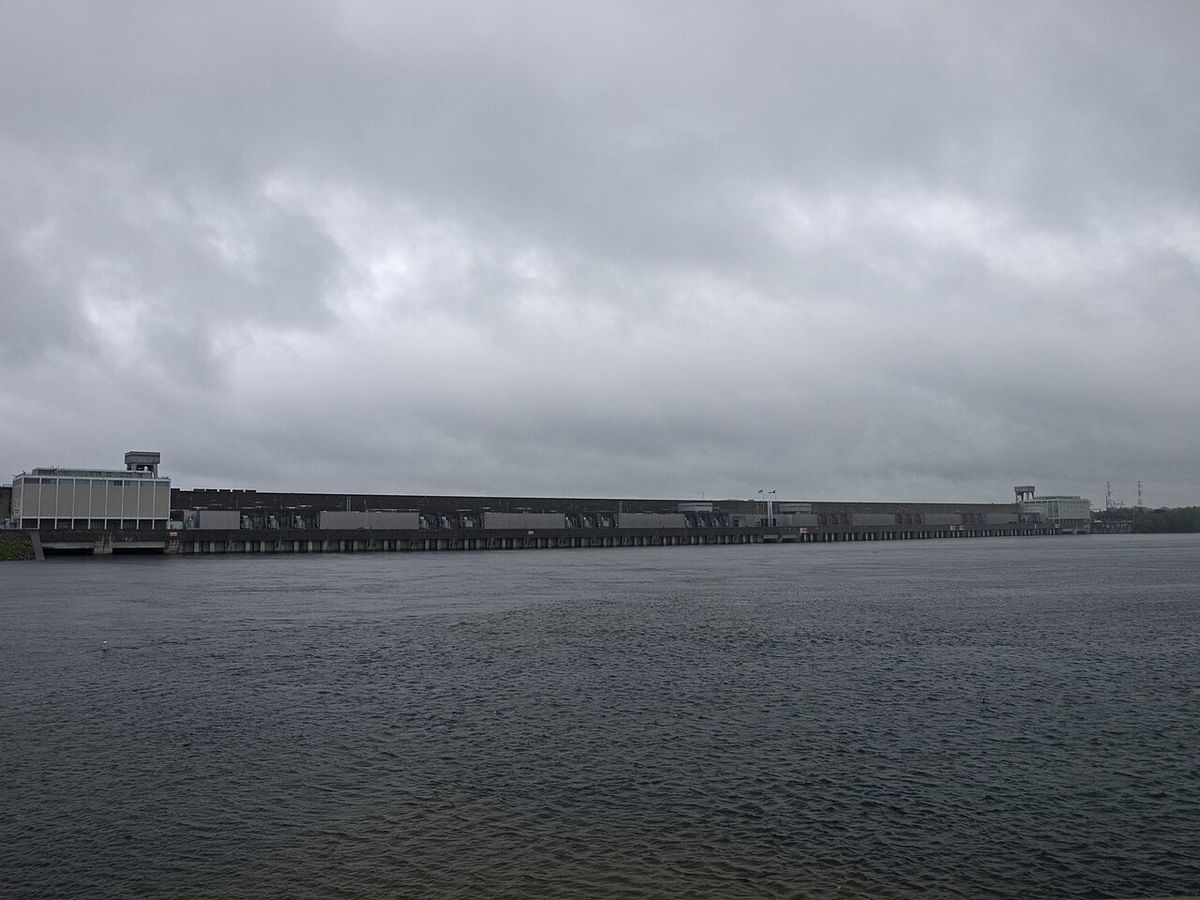
Cornwall is situated in Eastern Ontario on the north shore of the St. Lawrence River, at the point where Ontario, Quebec, and New York State converge. With a land area of 61.5 square kilometres, it is Ontario's easternmost city. The region is part of the St. Lawrence River Valley, and its development has been intrinsically linked to this major waterway. The city lies within the Quebec City-Windsor Corridor and is bisected by Ontario Highway 401, a critical transportation artery.
Cornwall experiences a humid continental climate characterized by cold, snowy winters and warm, humid summers. Precipitation occurs throughout the year, with summer months typically being wetter than winter months. This climate supports a range of seasonal recreational activities, from skiing and snowboarding at the Big Ben Ski Centre in winter to cycling and hiking along the extensive waterfront trails in the warmer months. The city's location on the St. Lawrence River also provides opportunities for boating and fishing, contributing to its appeal as a destination for outdoor enthusiasts.
Questions about Cornwall, Ontario
Where is Cornwall, Ontario located?
Cornwall is located in Eastern Ontario, Canada, on the north shore of the St. Lawrence River. It is Ontario's easternmost city, positioned at the convergence of Ontario, Quebec, and the U.S. state of New York. The city serves as the seat for the United Counties of Stormont, Dundas and Glengarry but is administered independently from the county. Its strategic location on Highway 401 within the Quebec City-Windsor Corridor makes it a major port of entry and a logistics hub.
What is the population of Cornwall?
According to the 2021 Census of Population, Cornwall had a population of 47,845 people. The population density was 778.0 people per square kilometre over a land area of 61.5 square kilometres. Demographically, 84.5% of residents identified as white or European, 9.9% as visible minorities, and 5.6% as Indigenous. The largest visible minority groups are South Asian (5.1%) and Black (1.7%). The Christian population was 66.3%, with Catholics comprising the largest single group at 50.1%.
What is Cornwall known for?
Cornwall is known as a regional economic and service hub, home to the St. Lawrence Seaway Management Corporation. It has a significant industrial history, though major plants like the Domtar paper mill have closed. The city is recognized for its extensive waterfront trails, over 40 kilometres in length, and recreational sites like the Big Ben Ski Centre. Historically, it was one of the first incorporated municipalities in Upper Canada (1834) and was founded by United Empire Loyalists in 1784. The area was also affected by the creation of the St. Lawrence Seaway, which submerged the upstream Lost Villages.
When is the next municipal election in Cornwall?
The next municipal election in Cornwall is scheduled for Monday, October 26, 2026. Polling stations will be open from 10:00 a.m. to 8:00 p.m. For the first time, the city will offer online voting as an option alongside traditional advance polling with paper ballots. The council structure has changed for this election, with voters electing a mayor and eight councillors, down from the previous ten councillors. A non-partisan initiative called "Our City, Your Vote" is actively promoting civic engagement ahead of the election.
What are the major environmental issues in Cornwall?
Cornwall has contended with a legacy of industrial pollution, including contaminated riverfront soil and the "Big Ben" landfill site, an 80-metre-tall dump within the city. Air quality, once a major concern linked to higher rates of respiratory hospitalizations, has improved significantly and was ranked first in a recent study of Ontario communities. The city has invested in environmental projects, such as a secondary sewage treatment plant completed in 2014 and a district heating cogeneration system. Ongoing community initiatives focus on carbon reduction and energy conservation.
What is the history of settlement in Cornwall?
The first documented European settlement was established in 1784 by United Empire Loyalists led by Lieutenant-Colonel Sir John Johnson. Originally called New Johnstown, it was renamed Cornwall by royal proclamation. The settlement was incorporated as a town in 1834. Development accelerated with the Cornwall Canal (1834 to 1842) and later railway connections. The city's ethnic history includes early Mohawk and Ojibwe inhabitants, followed by Loyalists, French Canadian migrants, and Scottish and Irish immigrants. The region was known for its integrated society and community "bees" where residents collaborated on labour projects.
Sources and further reading
- Cornwall, Ontario (Wikipedia)
- City of Cornwall: Home (cornwall.ca)
- Eat, stay, visit and explore Cornwall, Ontario | Cornwall ... (cornwalltourism.com)
- Our City Your Vote | Notre ville votre vote (cornwallchamber.com)
Checked by the Your Space Hamilton desk. Last updated 2026-10-28.