Brandon, Manitoba
Brandon is the second-largest city in Manitoba, Canada, serving as the primary commercial centre for the Westman Region and parts of southeastern Saskatchewan. Located on the banks of the Assiniboine River approximately 214 kilometres west of Winnipeg, the city was incorporated in 1882 following its selection as a junction on the Canadian Pacific Railway. Known as The Wheat City, its economy is historically rooted in agriculture and has diversified into education, health care, and manufacturing. With a population of 51,313, Brandon is home to Brandon University, the Keystone Centre entertainment complex, and the Western Hockey League's Brandon Wheat Kings.
History and Founding
The area around present-day Brandon was historically used by Sioux peoples, including the Bungays, Yellow Quills, and Bird Tails, whose nomadic lifestyle was disrupted by the near-extinction of the Plains Bison in the 1870s. European presence began with fur traders, and the city's name originates from the Brandon Hills, which were named for a Hudson's Bay Company post called Brandon House. The critical juncture in the city's founding occurred in 1881 with the routing of the Canadian Pacific Railway. General Thomas L. Rosser, the railway's Chief Engineer, initially negotiated with settlers in Grand Valley on the north side of the Assiniboine River but, after a failed land deal, chose a site on the higher south bank. This location, on a quarter section claimed by J.D. Adamson, was named Brandon and quickly attracted settlers. Incorporated as a city in 1882 without ever being a village or town, Brandon's growth was cemented when a flood that same year demonstrated the vulnerability of the rival Grand Valley settlement.
Geography and Climate
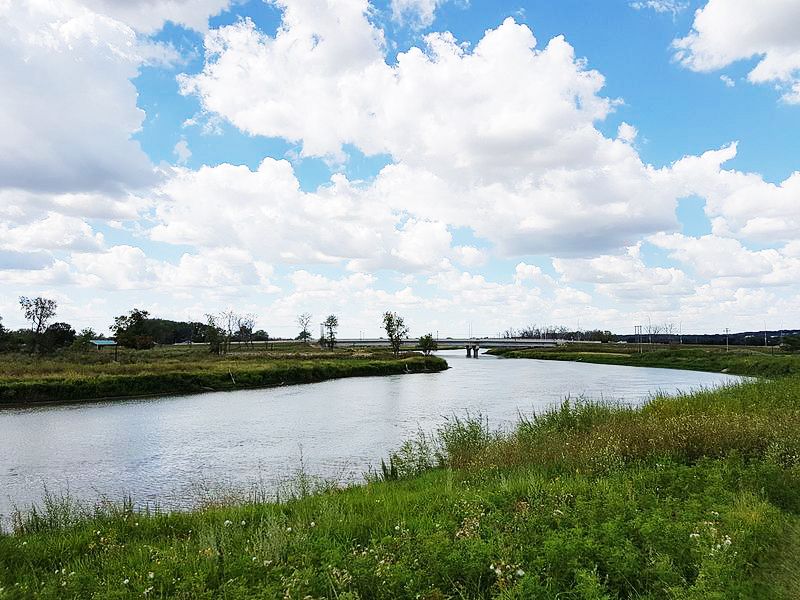
Brandon is situated in the aspen parkland ecoregion of the Canadian Prairies, characterized by generally flat and rolling terrain with a significant river valley. The city lies 120 kilometres east of the Saskatchewan border. Brandon experiences a dry continental climate with warm summers and cold, dry winters, placing it within the Palliser's Triangle region of the prairies. Average July highs reach 24.9 degrees Celsius, while January averages dip to -11.4 degrees Celsius. Extreme temperatures have ranged from a record high of 43.3 degrees Celsius in July 1936 to a record low of -46.7 degrees Celsius in February 1893. Snowfall typically occurs from October through April, though it has been recorded as early as September and as late as May. The climate is classified as Köppen Dfb and the area falls within USDA Plant Hardiness Zone 2b, influencing the types of vegetation that can thrive in the region.
Demographics and Economy
According to the 2021 census, Brandon's population of 51,313 represents a five percent increase from 2016. The city has a relatively young median age of 36.3 years and a high dwelling occupancy rate of 94.1 percent. The median dwelling cost is $264,781, which is below the national average. The unemployment rate was 7.3 percent, slightly below the national average, and the median household after-tax income was $57,008. As of 2016, 88.8 percent of residents were Canadian citizens, with about 5.5 percent being recent immigrants who arrived between 2011 and 2016. Ethnically, the population is 70.1 percent white, 16.3 percent visible minorities, and 13.6 percent Aboriginal. The largest visible minority groups are Latin American at 5.0 percent, Chinese at 3.8 percent, and South Asian at 3.0 percent. English is the mother tongue for 80.6 percent of residents, with Spanish at 4.2 percent, Gujarati at 2.8 percent, and Mandarin at 2.0 percent being the next most common languages. The city's economy, while historically dominated by agriculture, has diversified significantly. Major sectors now include education, food processing, manufacturing, health care, business services, and transportation, supported by its role as a regional service hub for an area of over 190,000 people.
Education and Major Institutions
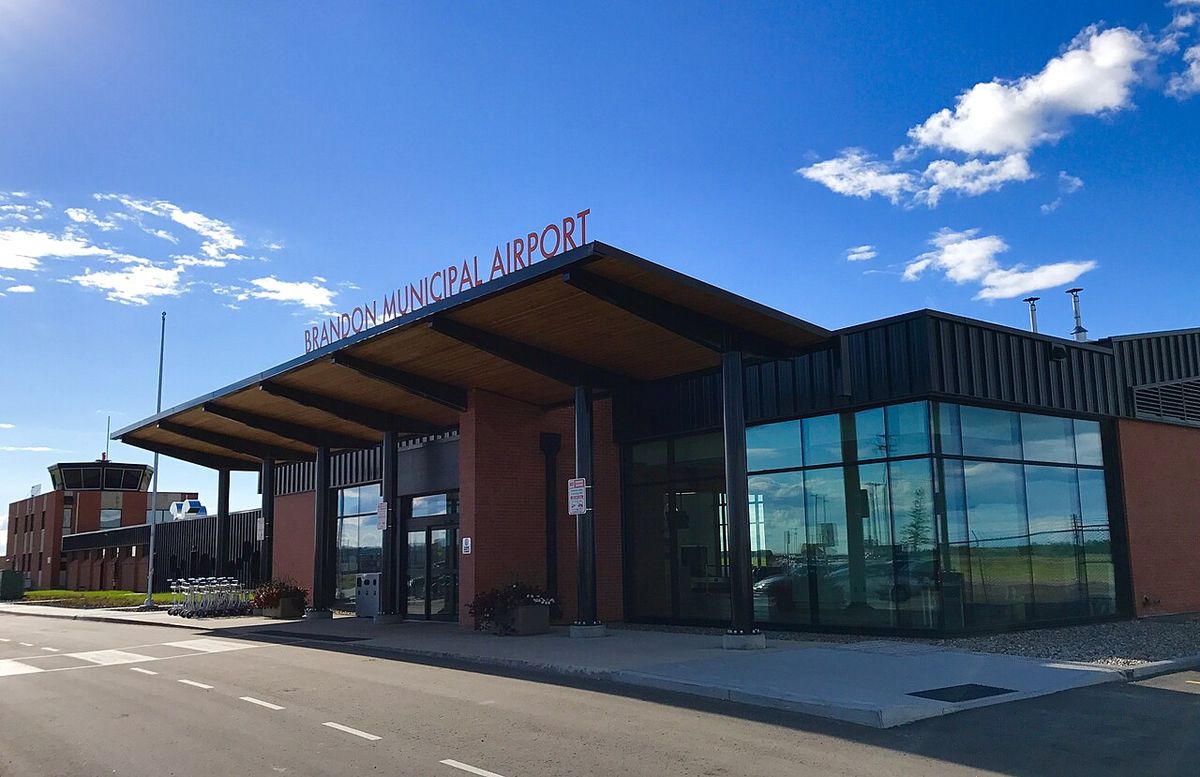
Brandon's public school system is administered by the Brandon School Division, which operates 22 schools for approximately 7,200 students with a budget exceeding $50 million. The division includes four high schools: Vincent Massey High School, Crocus Plains Regional Secondary School, Neelin High School, and Prairie Hope High School, which was formerly known as the BSD Off-Campus program. The city is a significant centre for post-secondary and specialized education in western Manitoba. Brandon University offers undergraduate and graduate programs, while Assiniboine College provides applied and technical education. The Manitoba Emergency Services College trains personnel for fire, emergency medical, and other protective services. Another major institution with close ties to the city is Canadian Forces Base Shilo, located 30 kilometres to the east, which contributes to the local economy and community. The Brandon Regional Health Centre, with 300 beds, is the largest hospital in the Westman Region, providing essential health services. The city also hosts the Commonwealth Air Training Plan Museum, located at the Brandon Municipal Airport, which preserves the history of a major Second World War training program.
Arts, Culture, and Major Events
Brandon hosts a dynamic calendar of arts festivals and cultural events throughout the year. Key annual festivals include the Brandon Festival of the Arts, the Brandon University Jazz Festival, and the Salamander Summer Music Festival. The Brandon University School of Music also presents a professional concert series called the 'Pro Series', which has featured guests like composer George Crumb and the Winnipeg Symphony Orchestra. The city's major arts venues are the Western Manitoba Centennial Auditorium, the Lorne Watson Recital Hall, the Evans Theatre, and the Art Gallery of Southwestern Manitoba. A major component of the city's event scene is the Keystone Centre, a large complex that hosts several major exhibitions and is one of the largest consolidated entertainment, recreation, convention, and agriculture complexes in Canada. The Provincial Exhibition of Manitoba, established in 1872, operates from the Keystone Centre and organizes several flagship events that draw regional and national attention. Other notable past events include the Brandon Folk Music and Arts Festival, held outdoors at the Keystone Centre until 2019, and the 2009 Western Canadian Music Awards. The city also previously hosted the 'Words Alive' literary festival from 2007 to 2010, which featured authors such as Robert J. Sawyer and Maggie Siggins. The Peter Sawatzky Sculpture Park along the Brandon Riverbank presents dynamic wildlife sculptures by the local artist.
- Royal Manitoba Winter Fair (March)
- Manitoba Summer Fair (June)
- Manitoba Livestock Expo (November)
- AgDays, Canada's largest indoor agricultural trade show and program (January)
Sports and Recreation
Brandon has a strong sports tradition, anchored by the Western Hockey League's Brandon Wheat Kings, who play at the Keystone Centre. The Brandon University Bobcats compete in basketball and volleyball in the Canada West Universities Athletic Association. The city has hosted numerous national and international sporting events, demonstrating its capacity as a venue. The Keystone Centre and other facilities like the Brandon Community Sportsplex, Andrews Field, the Ashley Neufeld Softball Complex, and the Canada Packers Sports Complex support a wide range of recreational activities. The city also maintains an extensive network of walking and biking trails along the Assiniboine River corridor and throughout its neighbourhoods. Community running events like the Wheat City Run, offering distances from a half-mile fun run to a half marathon, further promote active living. The city has hosted events like the U-18 Baseball World Cup in 1991 and 1994, the Special Olympics Canada Summer Games in 2006, and the U Sports Men's Volleyball Championship in 2025.
| Event | Year(s) Hosted |
|---|---|
| Canadian Men's Curling Championship (The Brier) | 1963, 1982, 2019 |
| U-18 Baseball World Cup | 1991, 1994 |
| Canadian Women's Curling Championship (Scott Tournament of Hearts) | 1993, 2002 |
| World Curling Championships | 1995 |
| Canadian Olympic Curling Trials | 1997 |
| Canada Winter Games | 1979 |
| Canada Summer Games | 1997 |
| Special Olympics Canada Summer Games | 2006 |
| Memorial Cup (CHL Championship) | 2010 |
| U Sports Men's Volleyball Championship | 2025 |
Infrastructure and Transportation
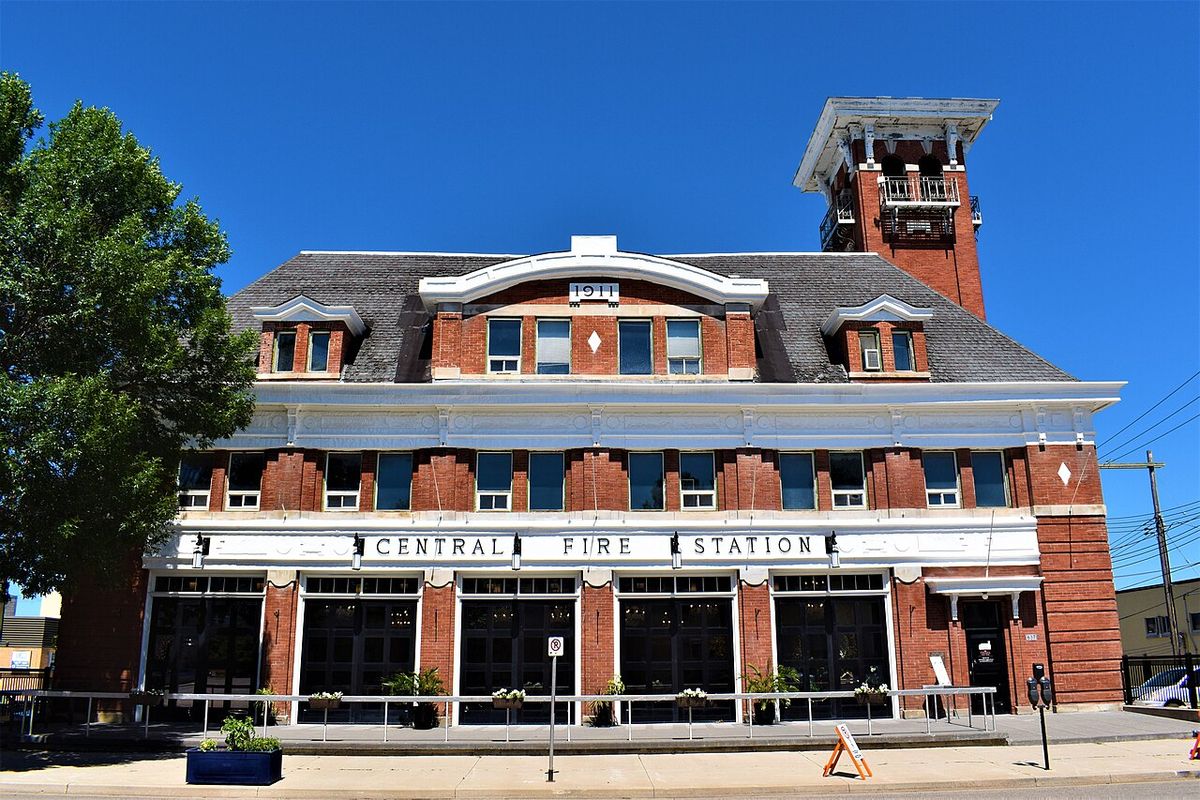
Downtown Brandon features a skyline of early 20th-century brick buildings, with the Scotia Tower and Park Towers being the tallest structures. Notable historic buildings include the old McKenzie Seeds building, the Brandon Central Fire Station, and the Brandon Court House. The city's transportation network includes the Brandon Municipal Airport, which offers daily passenger flights to Calgary. Intercity bus service is provided by Rider Express, which connects Brandon to 70 Canadian locations, while the Brandon Air Shuttle offers direct connections to Winnipeg Airport four times daily. Local public transit is operated by Brandon Transit, which runs 10 bus routes seven days a week. Taxi service is available from several local companies. The Canadian Pacific Railway main line runs through the city, and its station is a historic landmark. The rail services company Cando Rail & Terminals is headquartered in Brandon. For utilities, the city draws and treats water from the Assiniboine River at a plant on McDonald Avenue, with flow regulated by the Shellmouth Dam, and maintains two emergency groundwater wells. Electricity is supplied by Manitoba Hydro and is 98 percent hydro-generated, with the former coal-fired Brandon Generating Station now operating as a natural gas-fueled synchronous condenser for grid voltage regulation in southwest Manitoba.
Governance and Civic Life
The City of Brandon operates under a mayor-council system, with the next general municipal election scheduled for October 28, 2026. This election will select the mayor, city councillors, and Brandon School Division trustees, with an advance poll scheduled for October 22, 2026. The city administration is based at City Hall at 410 9th Street, and council meetings are held regularly, with recent sessions occurring in July, August, September, and October of 2026. Civic engagement is reflected in these public meetings, which are broadcast online. Municipal election rules require candidates to disclose certain criminal convictions, which are published on the city's website. Local media is served by the daily newspaper, The Brandon Sun. The city actively promotes tourism and economic development through Brandon Tourism, which is currently developing a new tourism strategic plan and place brand with the firm UpHouse. Community events like the Wheat City Run and various seasonal festivals contribute to Brandon's civic identity as a growing and hospitable regional centre. The city was also a national finalist in a 2026 competition, highlighting its ongoing development and community initiatives.
Questions about Brandon, Manitoba
What is Brandon, Manitoba known for?
Brandon is known as The Wheat City for its deep historical and economic ties to agriculture. It is the second-largest city in Manitoba and a major commercial and service hub for western Manitoba and parts of Saskatchewan. The city is also recognized for hosting major events like the Royal Manitoba Winter Fair, for being home to the Western Hockey League's Brandon Wheat Kings, and for its post-secondary institutions including Brandon University. Its Keystone Centre is one of the largest consolidated entertainment and agriculture complexes in Canada.
How far is Brandon from Winnipeg?
Brandon is located approximately 214 kilometres, or about 133 miles, west of the provincial capital, Winnipeg. The drive typically takes around two hours via the Trans-Canada Highway. The city is also situated 120 kilometres east of the Saskatchewan provincial border, making it a central point in western Manitoba. Brandon Municipal Airport offers daily flights to Calgary, and shuttle bus service connects to Winnipeg Airport four times a day.
What are the major employers in Brandon?
Major employers in Brandon span several key sectors. Education is a significant driver, with Brandon University, Assiniboine College, the Manitoba Emergency Services College, and the Brandon School Division providing many jobs. Health care is another major sector, centred on the 300-bed Brandon Regional Health Centre. Other important areas include agriculture and food processing, manufacturing, business services, and transportation. Canadian Forces Base Shilo, located 30 kilometres east, also maintains close economic ties with the city.
What is there to do in Brandon for visitors?
Visitors to Brandon can explore the Assiniboine River corridor and its trail system, visit the Art Gallery of Southwestern Manitoba, and see historic downtown architecture like the Brandon Court House. The city hosts major annual events like the Royal Manitoba Winter Fair in March and AgDays in January. Sports fans can watch the Brandon Wheat Kings play at the Keystone Centre. Other attractions include the Commonwealth Air Training Plan Museum at the airport, the Peter Sawatzky Sculpture Park, and the various music and arts festivals held throughout the year, such as the Brandon University Jazz Festival.
What is the population and demographic makeup of Brandon?
As of the 2021 census, Brandon's population was 51,313, a five percent increase from 2016. The population is relatively young, with a median age of 36.3 years. Ethnically, it is 70.1 percent white, 16.3 percent visible minorities, and 13.6 percent Aboriginal. The largest visible minority groups are Latin American at 5.0 percent, Chinese at 3.8 percent, and South Asian at 3.0 percent. English is the mother tongue for 80.6 percent of residents, with Spanish at 4.2 percent and Gujarati at 2.8 percent being the next most common languages. The city's unemployment rate was 7.3 percent in 2021.
When was Brandon founded and how did it get its name?
Brandon was incorporated as a city in 1882, directly following its selection as a townsite for the Canadian Pacific Railway in May 1881. The city's name originates from the Brandon Hills to the southeast. These hills were named after a Hudson's Bay Company trading post called Brandon House, which itself was named for a hill on an island in James Bay where Captain James anchored his ship in 1631. The city's founding is tied to a decisive move by CPR engineer General Thomas Rosser, who chose the south bank of the Assiniboine River over the rival settlement of Grand Valley after a negotiation over land price failed.
Sources and further reading
- Brandon, Manitoba (Wikipedia)
- Home, Brandon Tourism | Brandon, Manitoba (brandontourism.com)
- Election (brandon.ca)
Checked by the Your Space Hamilton desk. Last updated 2026-10-28.