Canadian School Cellphone Bans Show Academic Benefits But Face Enforcement Challenges
Provincial bans on student cellphone use are improving classroom focus but educators report growing difficulties with consistent enforcement across school districts.
Cellphone restrictions in Canadian schools are demonstrating measurable improvements in student focus and engagement, according to education ministers and teachers' unions across multiple provinces. However, educators warn that inconsistent enforcement approaches between districts and waning policy adherence over time threaten the long-term effectiveness of these measures. The debate has sparked strong reactions from parents and educators alike, revealing deep divisions about how to balance digital access with educational priorities.
Provincial Policies Show Varied Approaches
Canada's provincial education systems have taken different paths in addressing classroom cellphone use. Most provinces implemented restrictions over the past three years, with policies tailored to different age groups. Elementary students face comprehensive bans throughout the school day in nearly all jurisdictions, reflecting concerns about younger children's ability to self-regulate device use. For older students, eight provinces permit high schoolers limited access during breaks and lunch periods, acknowledging teens' greater independence while still protecting instructional time.
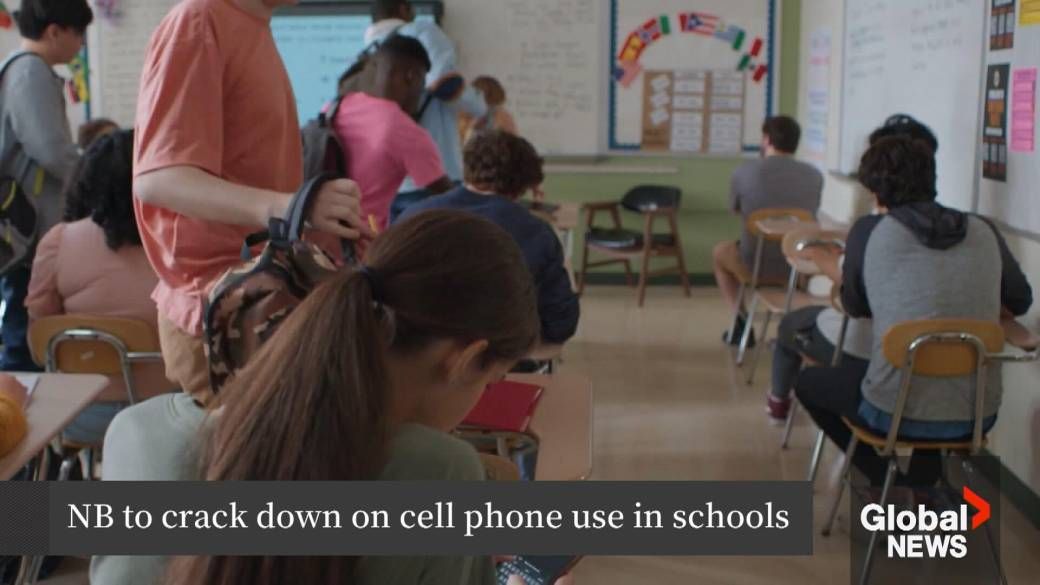
Quebec stands out with its uncompromising all-day ban for all grade levels, while New Brunswick will extend similar restrictions to high school students beginning in the second semester of the upcoming academic year. New Brunswick's policy just took effect this month, joining other provincial frameworks that Manitoba Education Minister Tracy Schmidt credits with producing "happier, healthier kids" who demonstrate improved classroom focus. In Nova Scotia, Education Minister Brendan Maguire reported only 7% of students were caught using phones during class since their ban began, noting that while initial implementation had "some bumps," students now clearly understand behavioral expectations.
Positive Academic Impacts Documented
Teachers across multiple provinces report observable improvements in student behavior and academic engagement since cellphone restrictions took effect. Richard Bergevin, president of Quebec's Fédération des syndicats de l'enseignement, told The Canadian Press that educators observed students participating more actively in lessons and forming stronger peer connections. The shift from screen-focused to face-to-face interaction represents a significant change in classroom dynamics that many teachers welcome.
Nova Scotia Teachers Union president Peter Day shared a particularly poignant observation from one educator who remarked about "seeing her students' eyes for the first time" as they looked up from their devices. This anecdote underscores how pervasive device use had become in pre-policy classrooms. Manitoba's Schmidt emphasized the gratitude expressed by teachers in her province regarding the policy changes, suggesting that the benefits extend beyond academic metrics to include improved teacher morale and job satisfaction.
Implementation Challenges Emerge
Despite early successes, educators report growing difficulties maintaining consistent enforcement of cellphone policies as novelty wears off. Alberta Teachers' Association president Jason Schilling identified a lack of uniformity between school boards regarding rules and consequences as a primary concern. Without standardized approaches, students moving between districts or schools may encounter conflicting expectations, undermining policy effectiveness. Schilling urged boards to collaborate on clear implementation standards to improve compliance.
Day noted particular challenges in Nova Scotia high schools, where initial policy enthusiasm has waned over the two years since implementation. "Many teachers are finding that students aren't following the policy as much as they were when it was first introduced," Day said, emphasizing the need for continuous reminders about device restrictions. This erosion of compliance suggests that maintaining policy impact requires ongoing reinforcement rather than one-time implementation.
Need for Shared Responsibility
Educators stress that successful long-term cellphone policy enforcement requires involvement beyond classroom teachers. "Teachers don't want to be the cell phone police," Day stated, advocating for shared responsibility among parents, administrators, and government bodies. University of Toronto psychology researcher Jay Olson suggested governments could support compliance by providing regular policy reminders to parents, creating a unified message about appropriate school device use.
MediaSmarts research director Kara Brisson-Boivin emphasized the importance of parental modeling in reinforcing school policies. "I can't be on my phone at the dinner table if I want my child to respect that there are moments...to be screen free," she noted. This highlights how consistent digital behavior standards across school and home environments could strengthen policy effectiveness. Without this alignment, students receive mixed messages about appropriate technology use.
Legal and Practical Enforcement Concerns
Public commentary reveals polarized views on enforcement methods, with some advocating strict confiscation policies similar to consequences for exam cheating, while others threaten legal action against schools that seize devices. One parent's online threat to "see you in court" if their child's phone was touched illustrates the confrontational dynamics some educators face. These extreme positions complicate efforts to find balanced enforcement approaches.
Educators caution against technologically aggressive measures like cell jammers, focusing instead on clear communication of rules and appropriate consequences. Schilling stressed the importance of ensuring "that the consequences are clear for students and for parents" to prevent conflicts. The Alberta Teachers' Association president noted that proper support from school boards when teachers enforce policies helps prevent confrontations with students or parents who might challenge disciplinary actions.
The Broader Context of Digital Education
The national experiment with school cellphone restrictions demonstrates that structured digital limitations can meaningfully improve learning environments, but their success depends on sustained commitment from all stakeholders. As device dependence grows among youth, these policies represent a critical opportunity to teach balanced technology use while protecting academic focus. The benefits extend beyond immediate classroom management to include helping students develop essential self-regulation skills for our increasingly digital world.
The enforcement challenges highlight a broader societal tension between digital convenience and developmental priorities. For these policies to achieve lasting impact, schools will need to maintain consistent messaging while fostering home-school collaboration around healthy device habits. This complex but necessary undertaking reflects the evolving nature of education in Canada's digital landscape, where technology policies must balance educational benefits with potential distractions. The current cellphone restrictions offer valuable insights into how schools can handle these challenges while preparing students for both academic success and responsible digital citizenship.