Multiple Canadian Provinces Set to Raise Minimum Wage in 2023 Amid Inflation Pressures
Five provinces and Yukon will increase minimum wages starting April 1, while others plan hikes later this year as inflation drives wage adjustments. The changes highlight regional differences in addressing economic challenges, with some provinces maintaining wage freezes while skilled trades offer alternative high-earning career paths.
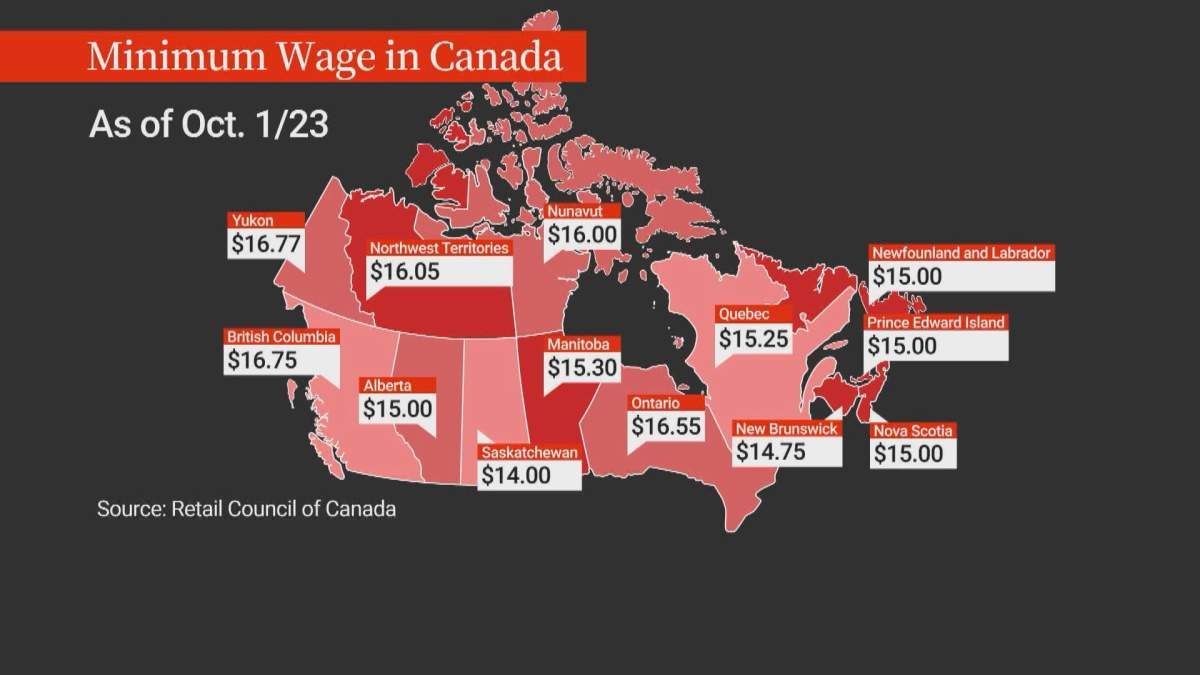
Multiple Canadian provinces and territories are implementing minimum wage increases in 2023, responding to persistent inflationary pressures that have impacted workers' purchasing power across the country. Five jurisdictions - Manitoba, New Brunswick, Nova Scotia, Newfoundland and Labrador, and Yukon - will see their base pay rates rise on April 1, with several planning additional increases later in the year. These adjustments come as policymakers attempt to balance worker protections with business viability during ongoing economic uncertainty.
Staggered Minimum Wage Adjustments
The April 1 increases represent the first wave of minimum wage adjustments across Canada, with some provinces opting for multi-phase approaches to mitigate economic impacts. Newfoundland and Labrador will implement a second raise in October 2023, while Nova Scotia has scheduled an additional increase for October 1. This phased methodology suggests provincial governments anticipate continued inflationary pressures through 2023 and are attempting to provide incremental relief without overwhelming small businesses with sudden cost increases.
Quebec, Saskatchewan and Prince Edward Island have also announced minimum wage hikes for later in 2023, though their implementation timelines vary. The Northwest Territories has taken a different approach by revising its minimum wage calculation methodology rather than implementing a fixed increase. This innovative strategy could provide more automatic adjustments tied to economic indicators, potentially offering a model for other jurisdictions.
Provincial Wage Freezes Raise Questions
Three of Canada's largest provincial economies - Ontario, British Columbia and Alberta - have chosen not to implement minimum wage increases in 2023. Ontario and B.C. both raised their minimum wages in 2022, with Ontario's increase to $15.50 per hour taking effect last October. Alberta's minimum wage has remained frozen at $15 per hour since 2019, representing the longest period without adjustment among major provinces.
Nunavut's decision to maintain its current minimum wage contrasts with Yukon's planned increase, highlighting regional disparities in wage policy approaches. These differences create significant variation in baseline pay standards across Canada, with workers in neighboring jurisdictions sometimes facing substantially different compensation for similar work. The lack of coordination raises questions about national standards for worker protections during periods of economic uncertainty.
Skilled Trades Offer Alternative Paths
While minimum wage debates continue, data reveals substantial earning potential in Ontario's skilled trades sector, providing alternative career paths for workers seeking financial stability. Electricians lead the field with average earnings of $91,635 annually, demonstrating how specialized technical skills can command premium compensation without requiring traditional university education. Painters and decorators average $76,338, showing the value of craftsmanship in today's labor market.
Ontario's current shortage of skilled trades workers creates particularly strong opportunities for those considering career changes. The training timelines for these professions - often shorter than four-year degree programs - combined with immediate earning potential during apprenticeships make them attractive alternatives to minimum wage jobs. This sector's growth reflects broader economic shifts toward valuing hands-on technical skills in Canada's evolving workforce.
Economic Context of Wage Adjustments
The provincial minimum wage adjustments represent targeted responses to Canada's cost-of-living crisis, where inflation reached 6.8% in 2022 according to Statistics Canada. These changes attempt to address the erosion of purchasing power while considering business concerns, particularly for small enterprises facing multiple economic pressures. The staggered increases in some provinces may help mitigate operational challenges for employers while still providing workers incremental relief.
Canada's decentralized approach to minimum wage policy results in significant regional variation, with provinces exercising independent authority over timing and amounts. This creates a natural policy experiment where different jurisdictions test varying approaches to wage adjustments during similar economic conditions. Alberta's prolonged wage freeze offers particular insight into the long-term effects of maintaining nominal wages during inflationary periods.
Workforce Development Considerations
The contrast between minimum wage adjustments and skilled trade salaries underscores complex dynamics in Canada's labor market. While minimum wage increases provide immediate relief to low-income workers, the skilled trades data reveals alternative pathways to financial security that don't necessarily require academic degrees. This dichotomy highlights the importance of comprehensive workforce solutions that address both wage adequacy and skills development.
The current shortage of skilled trades workers in Ontario suggests potential for redirecting labor market participation toward these high-demand professions. Provincial governments may need to consider how minimum wage policies interact with incentives for vocational training and apprenticeship programs. Such coordination could create more pathways to economic stability while addressing critical workforce shortages.
Policy Implications and Future Directions
The provincial variations in minimum wage approaches reflect ongoing debates about the most effective ways to support workers while maintaining business viability. Some economists advocate for automatic inflation indexing of minimum wages to reduce political discretion and provide predictable adjustments. Others caution that such systems might not account for regional economic differences or business cycles.
Alberta's extended wage freeze raises important questions about the appropriate interval between adjustments, particularly during periods of significant inflation. The province's last increase in 2019 preceded several years of substantial price increases, potentially eroding the real value of minimum wage earnings. This situation fuels discussions about whether more frequent, smaller adjustments might better preserve purchasing power without creating sudden cost shocks for employers.
The skilled trades salary data adds another dimension to these discussions by demonstrating how alternative career paths can offer financial stability beyond minimum wage jobs. As provinces address workforce shortages in critical trades, these well-compensated positions may increasingly attract workers seeking alternatives to stagnant entry-level wages. This shift could potentially reshape labor market dynamics and inform future policy decisions regarding workforce development and wage adequacy across Canada.