Texas Prediction Market Activity Sparks Legislative Debate Amid Regulatory Uncertainty
Texas sees surging prediction market volumes as lawmakers and industry stakeholders clash over regulatory oversight ahead of key elections that could shape the industry's future in the state.
Texas continues to assert its outsized influence in the rapidly evolving world of prediction markets, with recent trading volumes demonstrating both the scale of participation and the complex regulatory challenges facing this emerging financial sector. The state's unique position as a hub for prediction market activity was underscored by new data from Aldrin Research revealing that trading volume for last Sunday's NFL matchup between the Dallas Cowboys and New York Giants reached $208 million across US markets. This NFC East showdown on Sunday Night Football not only set a new benchmark for single-game activity but also eclipsed the trading volume of any NFL regular-season game from 2022 on the Kalshi platform.
Texas' Dominance in Football Prediction Markets
The state's prediction market influence extends well beyond professional football into the collegiate arena, where the sport carries near-religious significance in Texas culture. The September 12 Top 5 matchup between the University of Texas and Ohio State generated staggering activity with 50.7 million contracts traded according to Odds Shopper, a prediction market tracking site. This intense market participation occurred just three days before a pivotal legislative hearing in the Texas Senate, illustrating how quickly these financial instruments have become intertwined with policy discussions at the highest levels of state government.
Legislative Scrutiny of Prediction Markets Intensifies
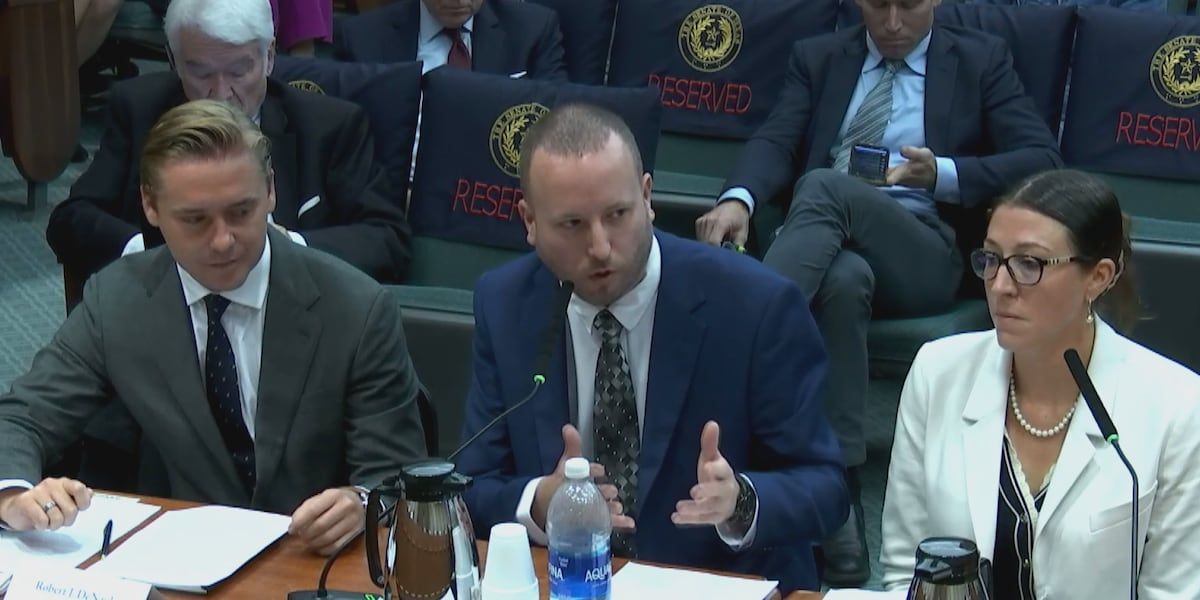
The 62-minute hearing before the Texas Senate Committee on State Affairs, convened by Senator Bryan Hughes, brought together diverse perspectives on the fundamental question of how prediction markets should be classified and regulated under state law. April research from Eilers & Krejcik Gaming revealed that 43% of all US sports-event contract activity originates from just two states - Texas and California. While the exact Texas-specific breakdown remains undisclosed, the disproportionate market participation from these states has clearly captured the attention of lawmakers concerned about the blurring lines between financial markets and gambling activities.
READ MORE: US Senate Rejects Digital Asset Market Clarity Act, Dealing Blow to Crypto and Gaming Industries
Clashing Perspectives from Industry Stakeholders
The hearing featured testimony from American Gaming Association Vice President Tres York alongside Robert DeNault, head of enforcement and legal counsel at Kalshi, presenting starkly contrasting visions for how Texas should approach prediction market regulation. The AGA maintains that event contracts on sports outcomes are substantively equivalent to sports wagers, with York advocating for aggressive state action including geofencing requirements to block Texas access to prediction platforms and pursuing litigation against operators in state courts.
"Prediction markets think they can mess with Texas," York told lawmakers. "I hope you prove them wrong.DeNault countered that CFTC-regulated markets provide critical consumer protections lacking in offshore alternatives, warning that prohibitive measures would simply drive activity to less regulated platforms while depriving Texans of safer market options.
Election-Year Politics Complicate Regulatory Outlook
The hearing unfolded against a charged political backdrop with significant implications for the future of prediction markets in Texas. Governor Greg Abbott, now in his third term, faces re-election in November alongside Lieutenant Governor Dan Patrick, who serves dual roles as Senate president and has consistently opposed sports betting legalization since the 2018 PASPA decision. The open Attorney General race between state Senators Mayes Middleton and Nathan Johnson adds another layer of uncertainty, with the outcome potentially influencing enforcement priorities. Senator Bob Hall (R-District 2) captured the skepticism of some lawmakers with his colorful analogy dismissing distinctions between prediction markets and sportsbooks:
"They're different costumes on gambling. Some have high heels and a tiara and others have on miniskirts or a bikini.
Consumer Protection Concerns Take Center Stage
Problem gambling expert Brianne Doura-Schawohl presented concerning data about market participation trends that raised red flags for legislators. One study she cited found that 52% of Generation Z respondents incorporate sports betting and prediction markets into their long-term financial plans, suggesting a fundamental shift in how younger demographics view these activities. She specifically criticized a Kalshi competitor for allowing minors over 17 to link investment accounts to trade event contracts, describing this practice as
"very dangerous"for vulnerable youth populations. These consumer protection concerns gain added significance given Texas's strict gambling prohibitions despite generating disproportionate prediction market volume that suggests strong consumer demand.
Tribal Partnership Marks Industry Milestone
While Texas debates regulation, Kalshi made history by becoming the first prediction market to partner with a federally recognized sovereign nation. The Tunica-Biloxi Tribe of Louisiana announced a tribal prediction market app powered by Kalshi through their newly established SaltTrade Derivatives subdivision. Chairman Marshall Pierite framed this development as part of a longstanding tradition of economic adaptation, stating
"For generations, the Tunica-Biloxi people have adapted, traded and built relationships that allowed our Nation to prosper. This initiative carries that tradition into the modern economy.This groundbreaking partnership demonstrates how prediction markets are evolving beyond traditional financial centers and engaging with new types of institutional participants.
Legal Setbacks and Regulatory Uncertainty
The tribal market announcement coincided with unsuccessful discussions between Indian Gaming Association leaders and CFTC Chair Michael Selig, as well as a significant Ninth Circuit Court ruling in Blue Lake Rancheria v. Kalshi. The court determined that Kalshi's contracts constitute unauthorized gaming under the Indian Gaming Regulatory Act when accessed on tribal lands, with IGA Chair David Bean declaring the decision reinforces that
"when sports wagering occurs on Indian lands, federal Indian gaming law matters.These developments create additional complexity for market operators handling an increasingly fragmented regulatory landscape where state, federal and tribal jurisdictions often impose conflicting requirements.
Elections to Shape Texas' Regulatory Future
As the Texas legislative session concluded without clear resolution on prediction markets, stakeholders are left watching the November elections that will shape the state's approach to these financial instruments. The outcomes of races for governor, lieutenant governor, attorney general and US Senate will likely determine whether Texas moves toward accommodation or stricter prohibition of prediction markets. With the Ninth Circuit's Blue Lake Rancheria decision adding complexity to tribal market operations and federal regulators showing limited appetite for clarifying the legal status of these instruments, the debate over prediction markets' place in the financial and gaming ecosystems appears destined to continue evolving across multiple jurisdictions in the coming years.