Hurricane Irene
Hurricane Irene was a large and destructive tropical cyclone that affected the Caribbean and the eastern United States in late August 2011. As the first hurricane and major hurricane of the 2011 Atlantic season, it caused significant damage and loss of life. The storm's path brought heavy rain and strong winds to eastern Canada, particularly Quebec and Atlantic Canada, leading to flooding, power outages, and an estimated $130 million in damages. Irene's impact highlighted the vulnerability of Canadian regions to the remnants of powerful Atlantic hurricanes.
Meteorological history and development
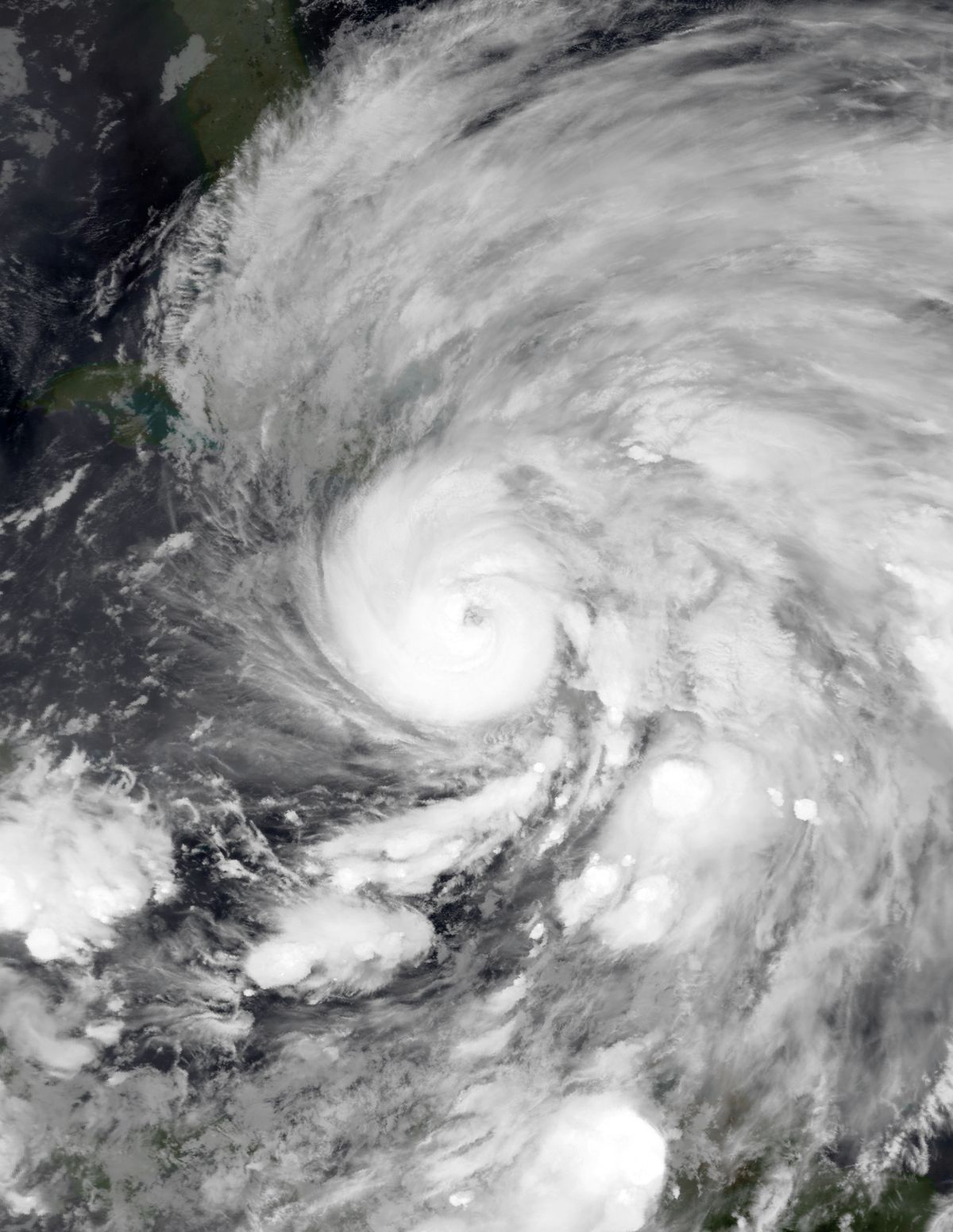
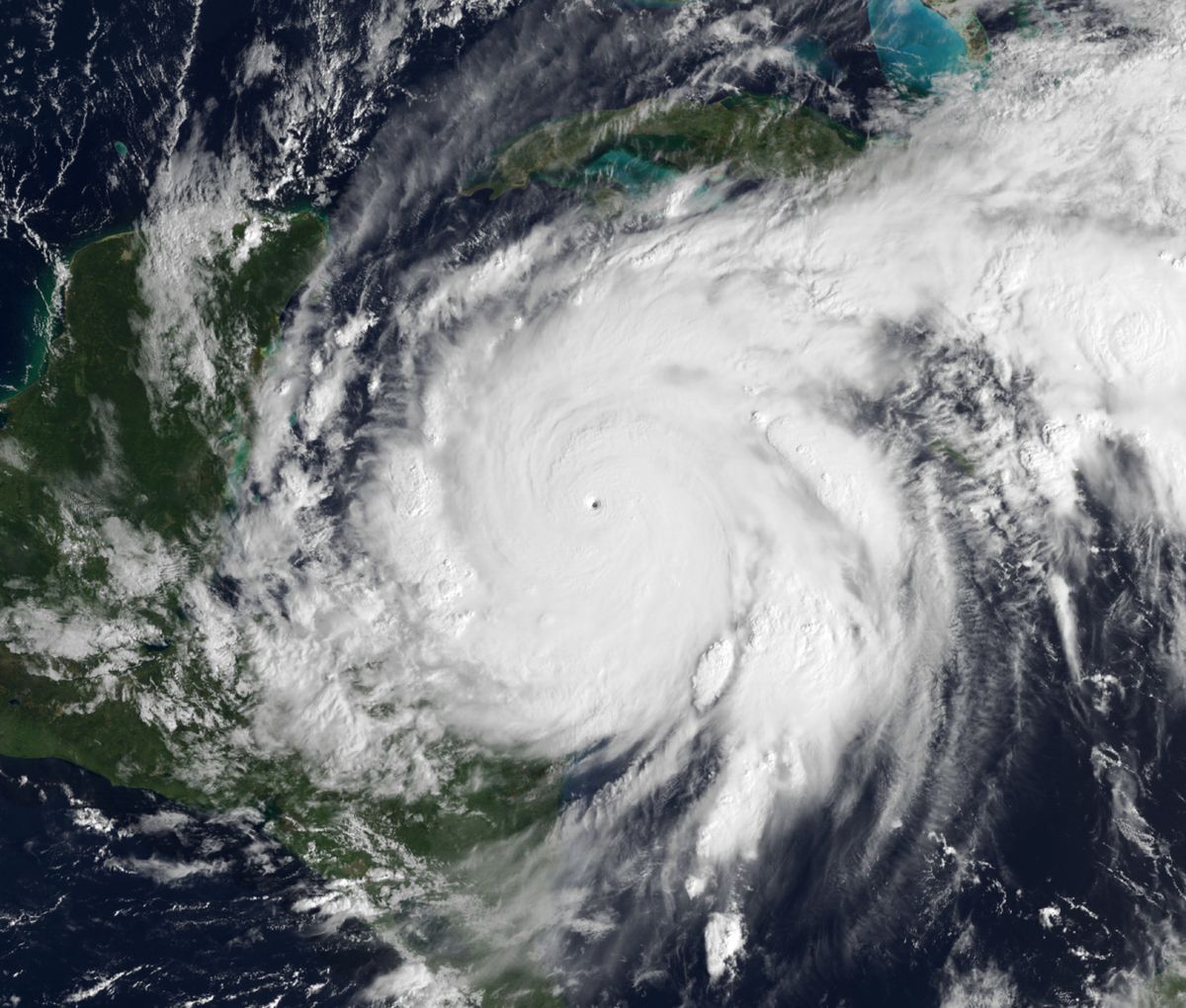
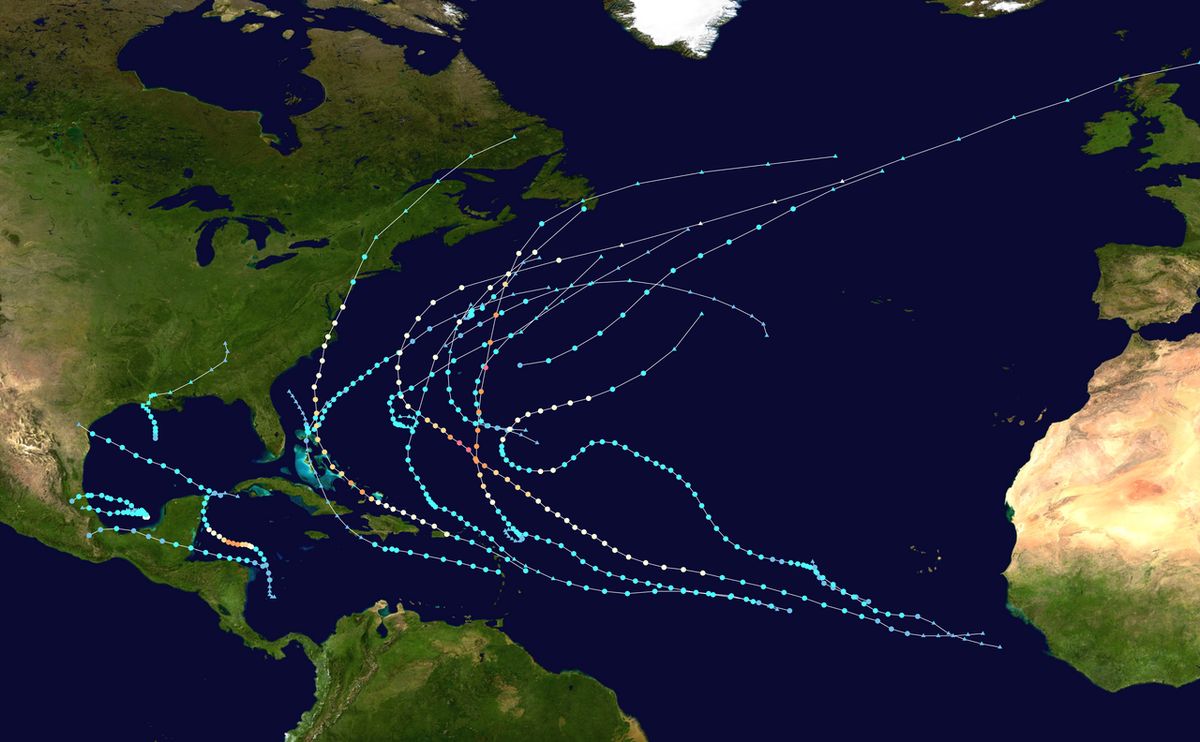
Hurricane Irene originated from a tropical wave that moved off the coast of West Africa on August 15, 2011. The system moved westward across the Atlantic, showing increased organization as it approached the Lesser Antilles. By August 20, reconnaissance aircraft confirmed a closed circulation, leading the National Hurricane Center to designate the system as Tropical Storm Irene. The storm was located about 190 miles east of Dominica at the time of naming. It tracked west-northwestward through the eastern Caribbean, influenced by a weakening high-pressure system over the central Atlantic. On August 21, Irene made its first landfall on St. Croix as a strong tropical storm and a second landfall in Puerto Rico near Punta Santiago. While crossing Puerto Rico, the storm intensified into a Category 1 hurricane, marking the first hurricane of the 2011 season.
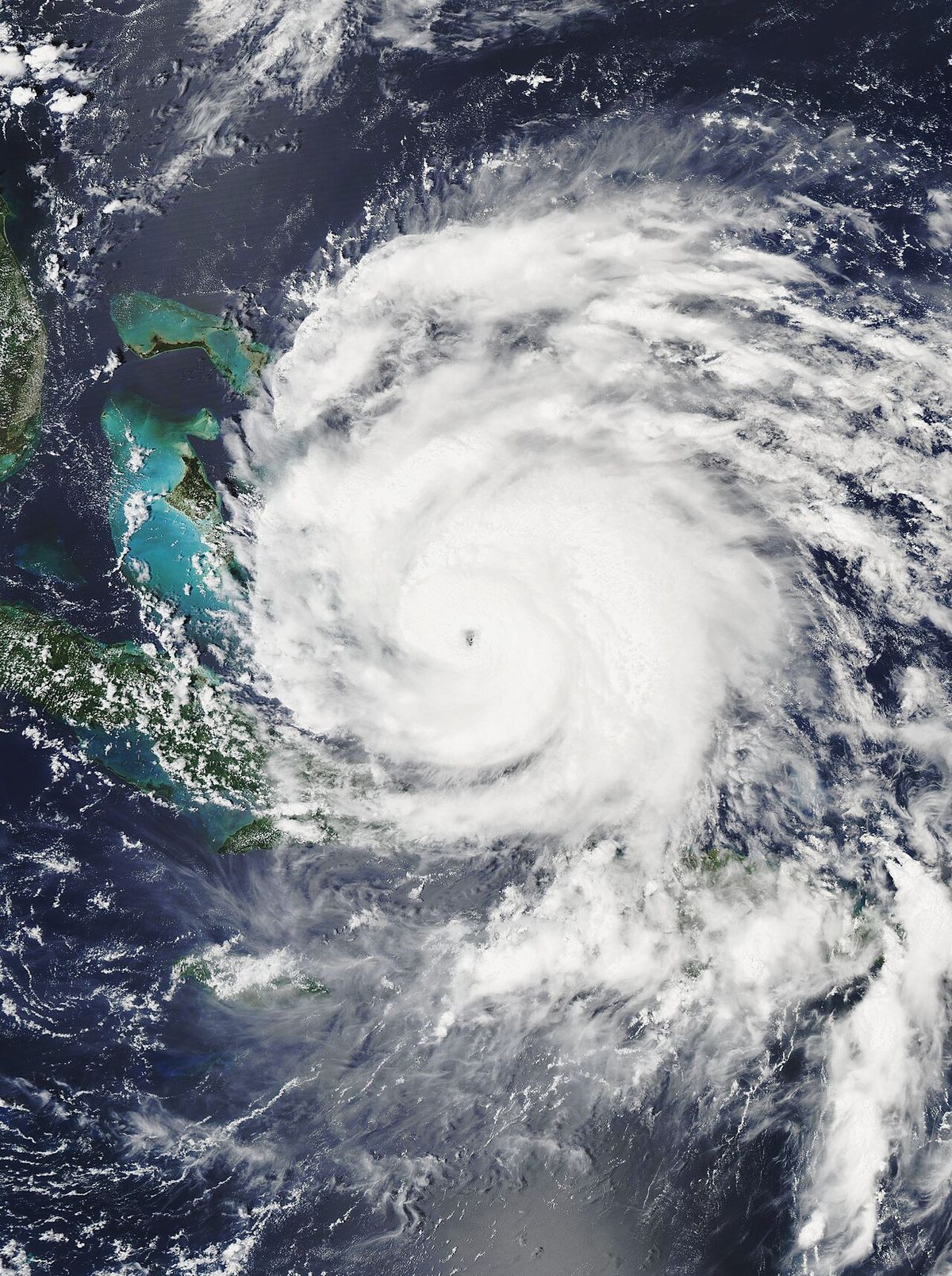
The hurricane paralleled the northern coast of Hispaniola, where its intensification was slowed by interaction with land. After moving away from the island, Irene entered a more favourable environment over the warm waters of the southeastern Bahamas. Irene then underwent an eyewall replacement cycle, which halted further strengthening as it curved northwestward through the Bahamas. The storm made four separate landfalls in the Bahamas as a major hurricane before beginning a gradual weakening trend as it turned northward, moving away from Grand Bahama.
As Irene approached the southeastern United States, it weakened to a Category 1 hurricane. At 7:30 am EDT on August 27, the hurricane made landfall near Cape Lookout on the Outer Banks of North Carolina with winds of 85 mph. Despite the Category 1 wind speed, the storm's central pressure was an unusually low 951 mbar, typical of a much stronger hurricane. Irene tracked over land for roughly 10 hours before re-emerging into the Atlantic Ocean near False Cape, Virginia, later that evening. The system continued to weaken over water, dropping to tropical storm strength early on August 28. At 5:35 am EDT that day, Irene made another landfall at Brigantine, New Jersey, near Atlantic City with 70 mph winds. Roughly three and a half hours later, the storm made its final landfall in the Coney Island area of Brooklyn, New York, with winds of 65 mph.
Impact on the Caribbean
Hurricane Irene caused significant damage across multiple Caribbean islands during its early stages. The storm's first landfall on St. Croix in the U.S. Virgin Islands brought strong tropical storm conditions, prompting authorities to close air and seaports and open public shelters. In Puerto Rico, Irene made landfall as a strengthening storm, bringing hurricane-force winds and heavy rainfall that led to widespread power outages and flooding. The hurricane's path then took it near the northern coast of Hispaniola, impacting both the Dominican Republic and Haiti. While the mountainous terrain of Hispaniola disrupted the storm's core, it still brought torrential rains that raised concerns for flooding and mudslides, particularly in Haiti. The storm's most intense period in the region occurred as it traversed the Bahamas. Irene reached its peak intensity as a Category 3 hurricane during this time, making four separate landfalls across the archipelago. The combination of high winds, storm surge, and heavy rain caused substantial property damage and coastal erosion on several islands. Total monetary losses across the Caribbean region from Hurricane Irene were estimated at $830 million.
Preparations and evacuations in the United States
With forecasts indicating a likely strike on the U.S. East Coast, extensive preparations were undertaken from the Carolinas to New England. Over 65 million people were estimated to be at risk. Governors in numerous states, including North Carolina, Virginia, Maryland, New Jersey, and New York, declared states of emergency. Hurricane and tropical storm warnings were issued for a vast coastal area. Mandatory evacuation orders were a critical component of the response, affecting hundreds of thousands of residents and tourists. In North Carolina, evacuations were ordered for Ocracoke Island, Hyde County, Carteret County, and all of Dare County. Virginia officials issued evacuation orders for low-lying areas of Hampton Roads, with the city of Poquoson ordering a mandatory evacuation for all citizens. In New Jersey, Governor Chris Christie ordered the first-ever evacuation of Atlantic City, along with all of Cape May County and communities on barrier islands. New York City Mayor Michael Bloomberg ordered a mandatory evacuation for residents in coastal flood zones.
The scale of the preparations was unprecedented for many areas. The United States Navy ordered ships, including several aircraft carriers, to leave port in Virginia to avoid the storm. Mass transit systems took extraordinary measures, with the New York City Metropolitan Transportation Authority shutting down all subway, bus, and commuter rail service at noon on August 27. This was the first pre-storm shutdown in the system's history. Major sporting and cultural events were canceled or postponed, including Broadway shows, Major League Baseball games, and the dedication ceremony for the Martin Luther King Jr. Memorial in Washington, D.C. Public shelters were opened across the threatened region, and National Guard troops were deployed in several states to assist with emergency operations. These widespread actions reflected the serious threat posed by the large and powerful hurricane.
Damage and aftermath in the United States
Hurricane Irene caused widespread destruction along the East Coast, with total damage in the United States estimated near $13.5 billion, making it one of the country's costliest hurricanes. The storm caused at least 49 fatalities. In North Carolina, the initial landfall area suffered from storm surge, beach erosion, and wind damage, particularly on the Outer Banks. Extensive flooding occurred inland as the storm's heavy rains fell on already saturated ground. Virginia and Maryland experienced significant coastal flooding and widespread power outages. The mid-Atlantic region was severely affected by freshwater flooding from torrential rainfall. In New Jersey and New York, storm surge combined with high tides caused record-breaking flooding in some areas, submerging coastal communities and inundating subway tunnels in New York City. The Passaic and Ramapo rivers in New Jersey overflowed, causing severe flooding in towns like Manville.
New England faced catastrophic inland flooding from Irene's remnants, even after the storm had weakened to a tropical storm. Vermont experienced its worst flooding in nearly a century, with numerous rivers, including the White River, overflowing and washing away roads and bridges. The state's infrastructure suffered immensely, isolating several communities. Similar river flooding occurred in parts of New Hampshire, Massachusetts, and upstate New York. The widespread nature of the flooding, far from the coast, was a defining characteristic of Irene's impact. Recovery efforts were massive and prolonged, involving federal agencies like the Federal Emergency Management Agency. The storm exposed vulnerabilities in infrastructure and emergency planning, particularly concerning inland flood risk from tropical systems.
Impact on Canada
While no longer a tropical cyclone, the remnants of Hurricane Irene brought significant weather to eastern Canada on August 28 and 29, 2011. The system transitioned into an extratropical cyclone as it moved over New England and into southern Quebec. The primary impact in Canada was from heavy rainfall, which led to serious flooding in several regions. This resulted in flooded roadways, damaged infrastructure, and forced evacuations in some communities. The province of New Brunswick also experienced heavy rain and strong winds, leading to localized flooding and numerous power outages. In Atlantic Canada, particularly Nova Scotia and Prince Edward Island, the system brought gusty winds and rain, contributing to additional power disruptions and minor coastal effects. The financial impact in Canada was substantial, with total monetary losses estimated at $130 million, accounting for damage to homes, businesses, public infrastructure, and agricultural losses from flooded fields.
The storm highlighted how the remnants of a major hurricane can still pose a serious threat to Canadian provinces, especially through inland flooding. Emergency management officials in affected regions activated response plans, and utility crews worked to restore power to thousands of customers. The event served as a reminder for Canadian communities to prepare for the secondary impacts of Atlantic hurricanes, which can travel far north and retain considerable moisture and energy. The damage in Canada, while less than in the United States, was a significant part of the storm's total global impact of nearly $14.2 billion.
Records and meteorological significance
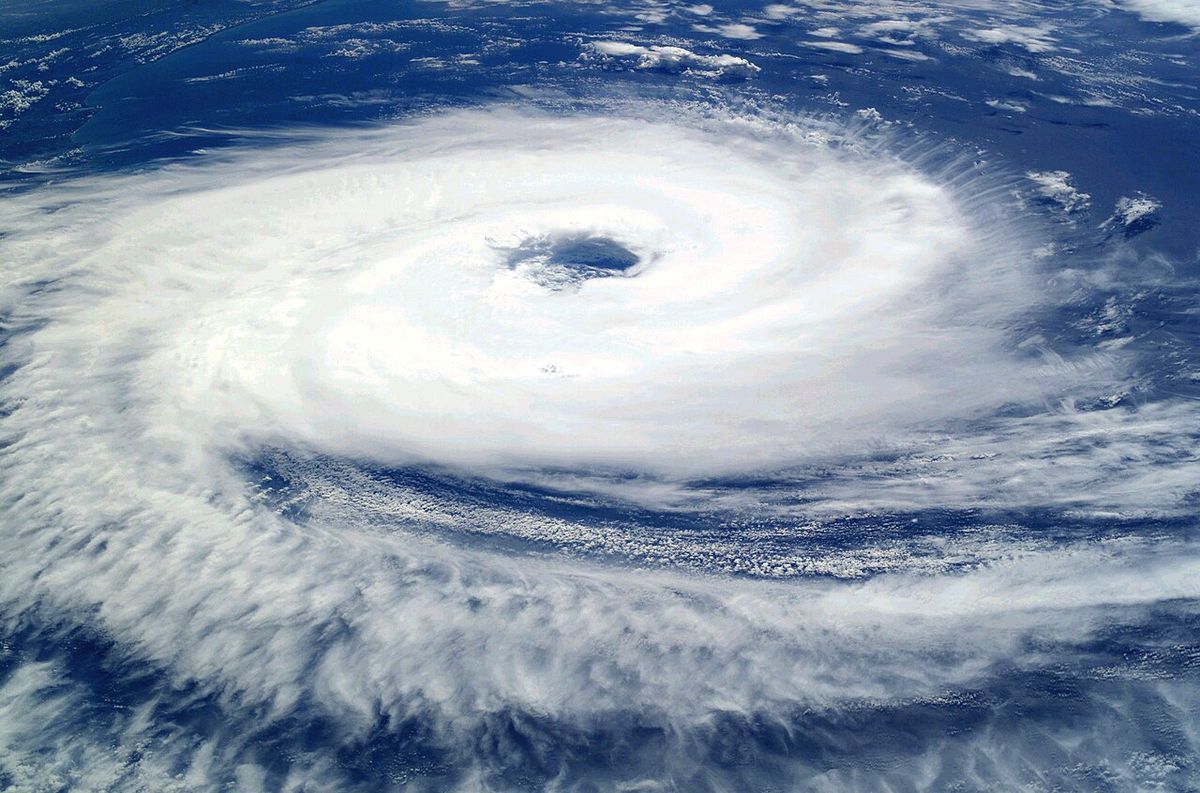
Hurricane Irene set several records and was notable for its meteorological characteristics. It was the first hurricane to make landfall in the continental United States since Hurricane Ike in 2008, ending a three-year period without a U.S. hurricane landfall. Irene was also the first major hurricane, defined as Category 3 or higher, of the 2011 Atlantic hurricane season. The storm exhibited an unusually large wind field, which contributed to its widespread impacts over a long stretch of coastline. A particularly notable meteorological feature was its central barometric pressure at U.S. landfall. When Irene came ashore in North Carolina as a Category 1 hurricane with 85 mph winds, its central pressure was measured at 951 mbar. This pressure is more typical of a strong Category 3 hurricane, indicating that Irene was a much larger and more powerful system in terms of pressure gradient than its maximum wind speeds suggested.
The storm's impact was also record-breaking in several sectors. The pre-emptive shutdown of the entire New York City subway system was a historic first. Irene caused the first mandatory evacuation in the history of Atlantic City, New Jersey. The storm's total damage cost of nearly $14.2 billion globally ranked it among the top ten costliest Atlantic hurricanes at the time. Irene's path of destruction from the Caribbean to Canada demonstrated the far-reaching effects a single tropical cyclone can have across multiple countries and climatic zones.
Notable preparatory actions and event cancellations
The approach of Hurricane Irene prompted extensive preparations across the eastern United States. Over 65 million people from the Carolinas to northern New England were estimated to be at risk. States of emergency and hurricane warnings were declared for much of the East Coast. Hundreds of thousands of people evacuated near coastal areas, and hundreds of shelters were prepared. Many gasoline stations in the region reported shortages due to the preparations. Several Major League Baseball games, a National Football League preseason game, and three Major League Soccer games were postponed.
- Mandatory evacuation of all of Atlantic City, New Jersey, the first in the city's history.
- Complete shutdown of all New York City subway, bus, and commuter rail service at noon on August 27.
- Evacuation of multiple U.S. Navy ships from Norfolk, Virginia, including the aircraft carriers USS Enterprise and USS Dwight D. Eisenhower.
- Cancellation of all Broadway performances for August 27 and 28.
- Postponement of the dedication ceremony for the Martin Luther King Jr. Memorial in Washington, D.C.
- Cancellation or postponement of six Major League Baseball games and one National Football League preseason game.
- Shortening of The Barclays golf tournament in New Jersey.
- Closure of Philadelphia International Airport from August 27 until August 29.
These widespread disruptions showed the severe threat officials perceived from the hurricane. The cancellations affected millions of people and had significant economic repercussions for the tourism and entertainment industries. The decision to halt the nation's largest transit system was particularly consequential, stranding those who did not evacuate and bringing the country's most populous city to a standstill. The scale of these preparatory actions reflected lessons learned from past storms and a commitment to minimizing the loss of life.
Comparative economic impact by region
Hurricane Irene caused widespread destruction and at least 49 deaths throughout its path. Damage estimates throughout the United States are estimated near $13.5 billion. Monetary losses in the Caribbean were $830 million. Monetary losses in Canada were $130 million. This results in a total of nearly $14.2 billion in damage, making Irene one of the costliest hurricanes on record in the United States.
| Region | Estimated Damage |
|---|---|
| United States | $13.5 billion |
| Caribbean | $830 million |
| Canada | $130 million |
The disparity in costs highlights where the storm's most intense winds and heaviest populations intersected. This path included major metropolitan areas, critical infrastructure, and extensive property, driving the cost into the tens of billions. The Caribbean damage, while substantial at over $800 million, was less due to the lower density of development in many affected islands and the storm's fluctuating intensity as it passed through. Canada's costs, stemming from the extratropical remnants, were primarily from flooding rather than wind, but still amounted to a significant sum. These figures collectively cement Hurricane Irene's place among the most economically destructive Atlantic cyclones in history.
Questions about Hurricane Irene
When did Hurricane Irene hit Canada?
Hurricane Irene affected eastern Canada on August 28 and 29, 2011. The storm had already transitioned into an extratropical cyclone early on August 29 while its centre was located near the New Hampshire and Vermont border. This system, which the Free University of Berlin dubbed Ex-Irene, continued moving northeastward, affecting southern Quebec and Atlantic Canada. The primary impacts in Canada were heavy rainfall and strong winds, contributing to the total damage estimate of $130 million in the country.
Why was Hurricane Irene's pressure at landfall so unusual?
Hurricane Irene's central pressure at landfall in North Carolina was unusually low at 951 millibars, which is a pressure typically associated with a Category 3 hurricane. However, Irene made landfall with winds of only 85 mph, classifying it as a Category 1 storm. This discrepancy between a very low pressure and relatively lower wind speeds indicated that Irene was an exceptionally large system with a strong pressure gradient. This large size contributed to its widespread wind field and significant storm surge potential along the coast.
What was the total financial impact of Hurricane Irene in Canada?
Hurricane Irene caused an estimated $130 million in monetary losses in Canada. This figure is part of the storm's nearly $14.2 billion total in damage, which also included $13.5 billion in the United States and $830 million in the Caribbean. The hurricane was one of the costliest on record for the United States. Its path of destruction extended from the Caribbean up the U.S. East Coast and into Canada after it transitioned to an extratropical cyclone. The storm's widespread impact resulted in significant financial costs across multiple regions.
How did Hurricane Irene transition after affecting the United States?
Hurricane Irene transitioned into an extratropical cyclone early on August 29 while striking Vermont. This occurred after the storm remained inland as a tropical cyclone for less than 12 hours. Following this transition, the system, which the Free University of Berlin dubbed Ex-Irene, continued moving northeastward. It reached Iceland on September 2 and eventually stalled south of Iceland. The remnants gradually weakened before being absorbed by another approaching extratropical cyclone to the west on September 6.
What were the key landfalls Hurricane Irene made in the United States?
Hurricane Irene made its first U.S. landfall on the Outer Banks of North Carolina on August 27 as a Category 1 hurricane. Later that same day, it re-emerged into the Atlantic and then made another landfall as a tropical storm in Little Egg Inlet, New Jersey. A few hours later, it made its ninth and final landfall in Brooklyn, New York City. These landfalls contributed to the storm's path of destruction along the East Coast, leading to widespread preparations and evacuations from the Carolinas to New England.
What made Hurricane Irene's path so significant for the U.S. East Coast?
Hurricane Irene's projected path was fixed over much of the United States East Coast, putting over 65 million people from the Carolinas to northern New England at risk. This led to extensive preparations, including states of emergency and hurricane warnings being declared for numerous states and regions. The threat prompted massive evacuations, the closure of major transit systems like New York City's MTA, and the postponement of many major events. Its impact as the first hurricane to make landfall in the U.S. since 2008 added to its significance.
Sources and further reading
- Hurricane Irene (Wikipedia)
- Hurricane Irene: 10 Years Later (weather.gov)
- Tropical Storm Irene Ten Years Later: The Power of Water (clf.org)
Checked by the Your Space Hamilton desk. Last updated 2026-10-19.