Hurricane Bob
Hurricane Bob was a powerful and destructive Category 3 hurricane that struck the northeastern United States and Atlantic Canada in August 1991. The second named storm and first hurricane of the 1991 Atlantic season, it caused widespread damage from North Carolina to New England, becoming one of the costliest tropical cyclones in New England history. For Canadians, the storm's significance lies in its direct impact on Atlantic Canada, where it brought strong winds and heavy rain to New Brunswick and Newfoundland after transitioning into an extratropical cyclone. The hurricane resulted in at least eighteen fatalities and inflicted billions of dollars in damage, leaving a lasting mark on regional disaster preparedness.
Meteorological History
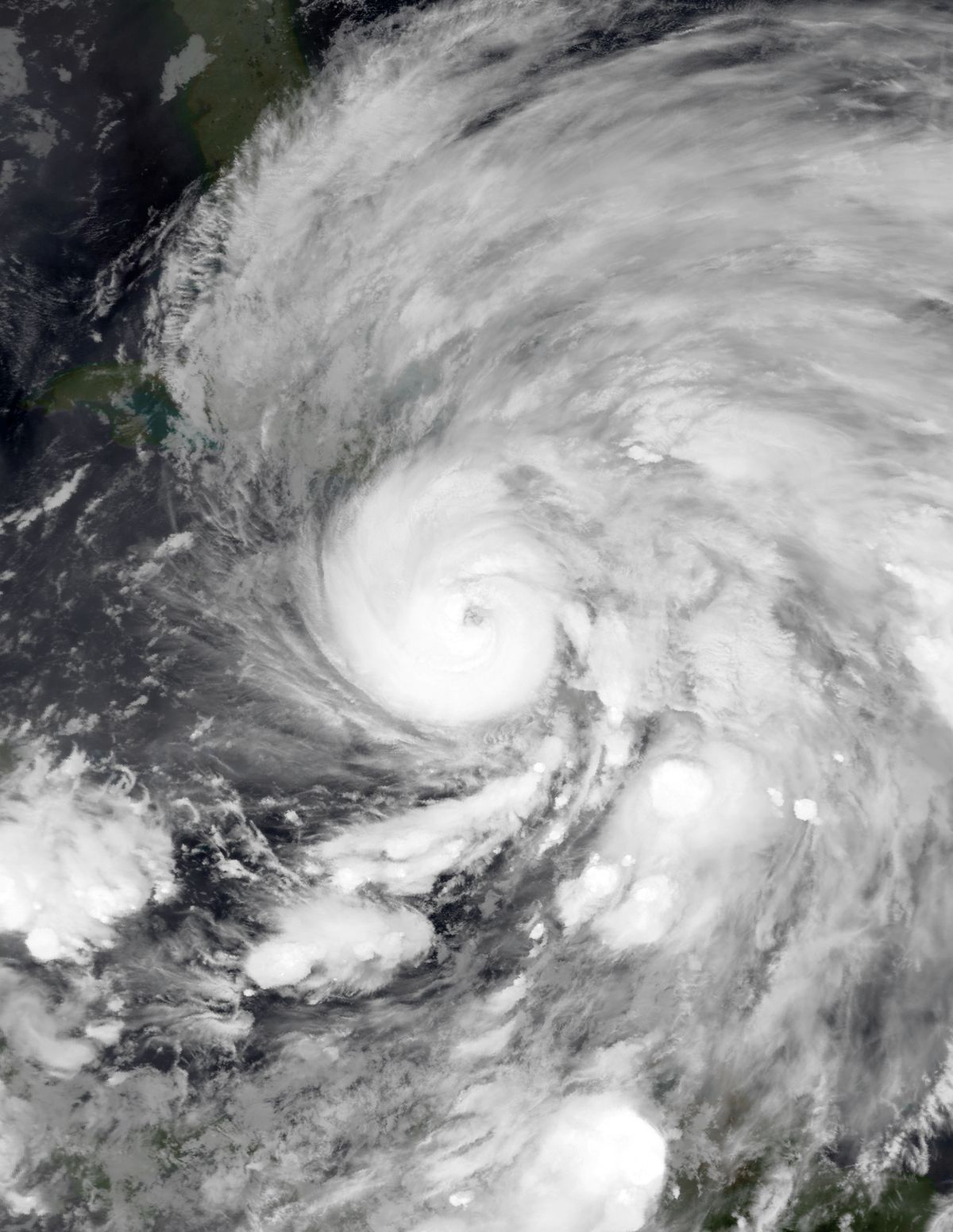
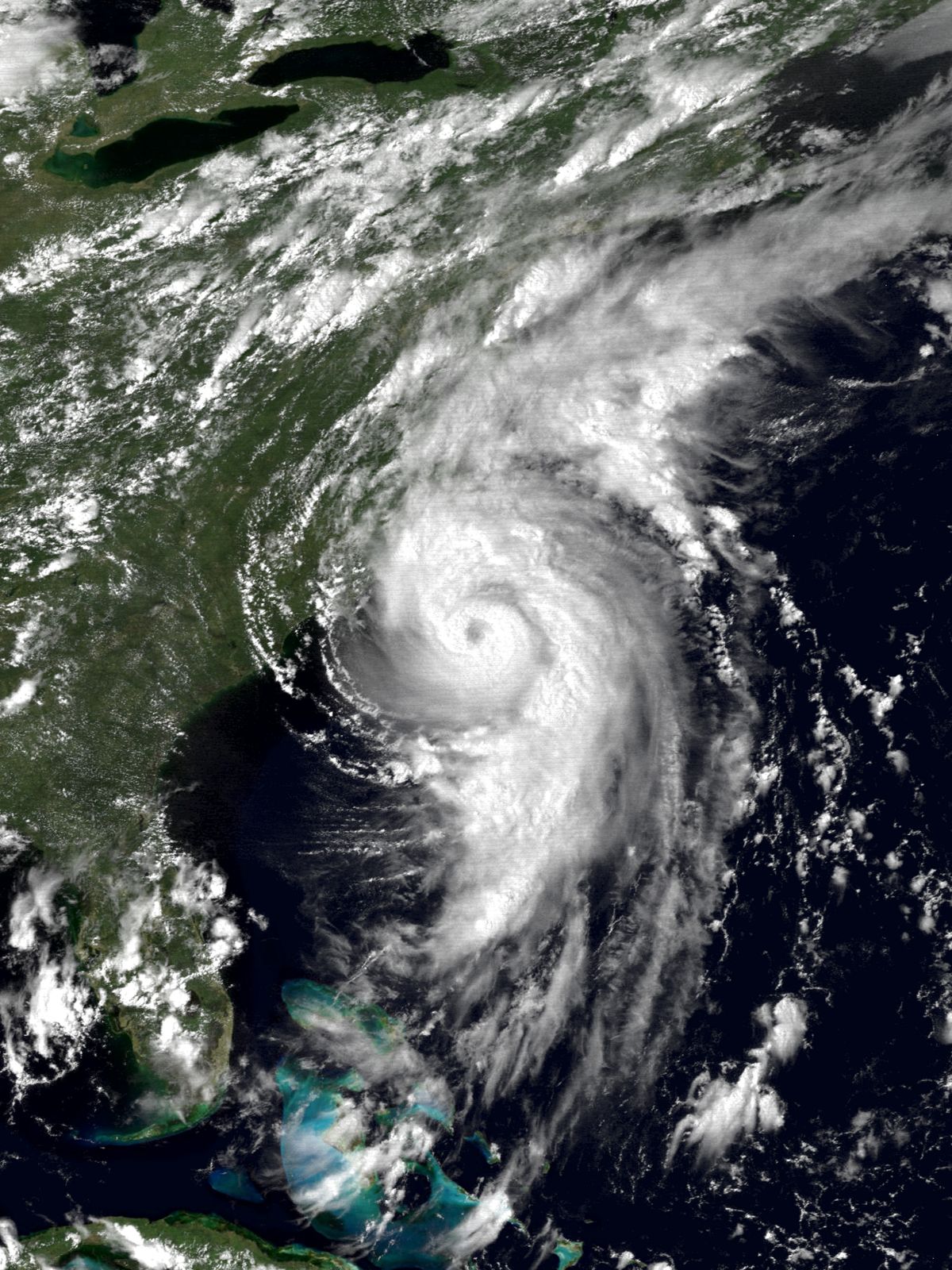
Hurricane Bob originated from the remnants of a frontal trough southeast of Bermuda on August 12, 1991. The system tracked westward and developed into a tropical depression near the Bahamas by 0000 UTC on August 16. Within 18 hours, the National Hurricane Center upgraded it to Tropical Storm Bob, located roughly 140 miles northeast of Nassau. The storm initially moved slowly northwestward before a deepening trough over the eastern United States steered it toward the north. As it moved over the warm waters of the Gulf Stream, Bob began to intensify rapidly. A reconnaissance flight recorded hurricane-force winds at 1719 UTC on August 17, prompting the upgrade to a Category 1 hurricane.
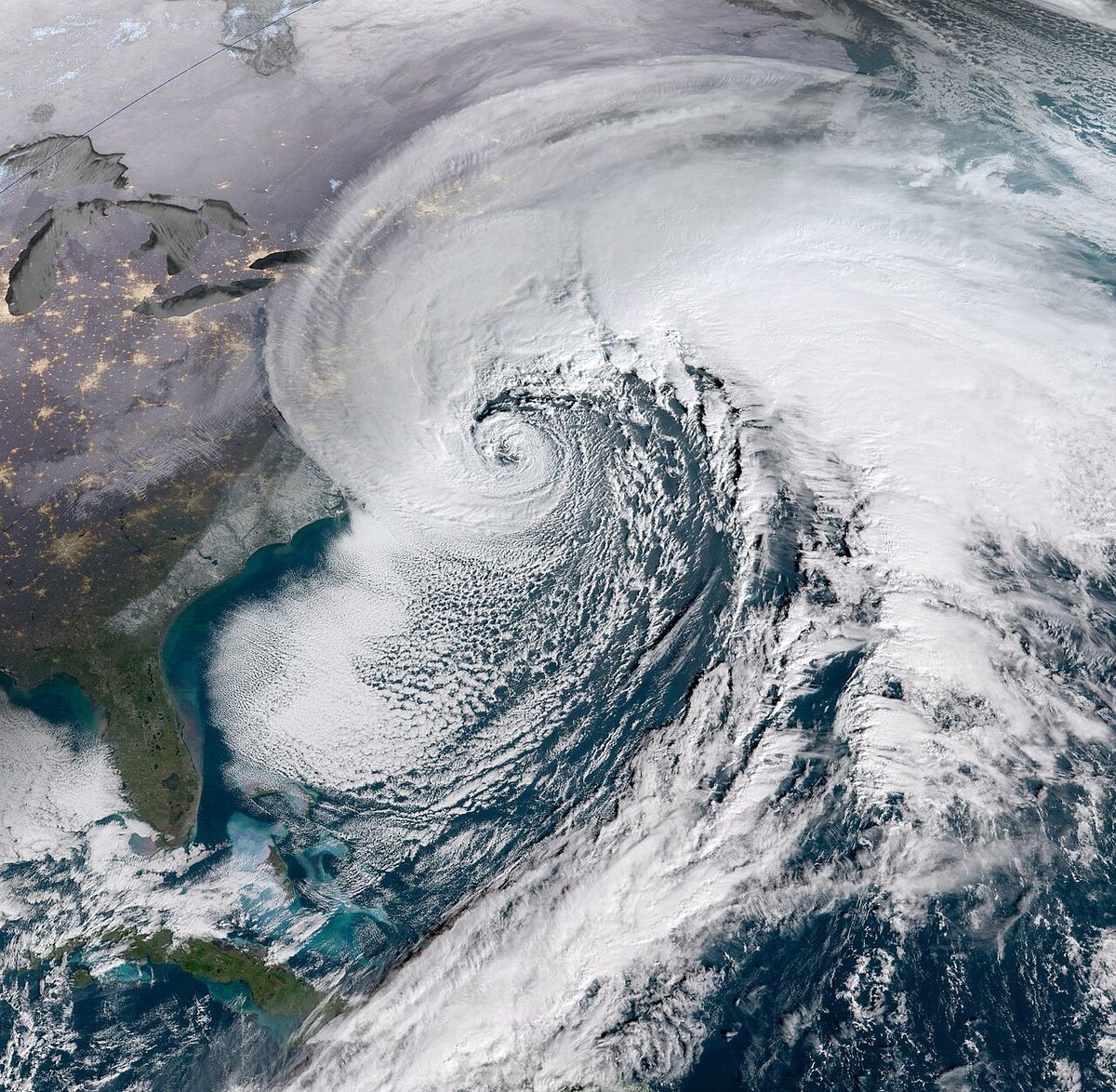
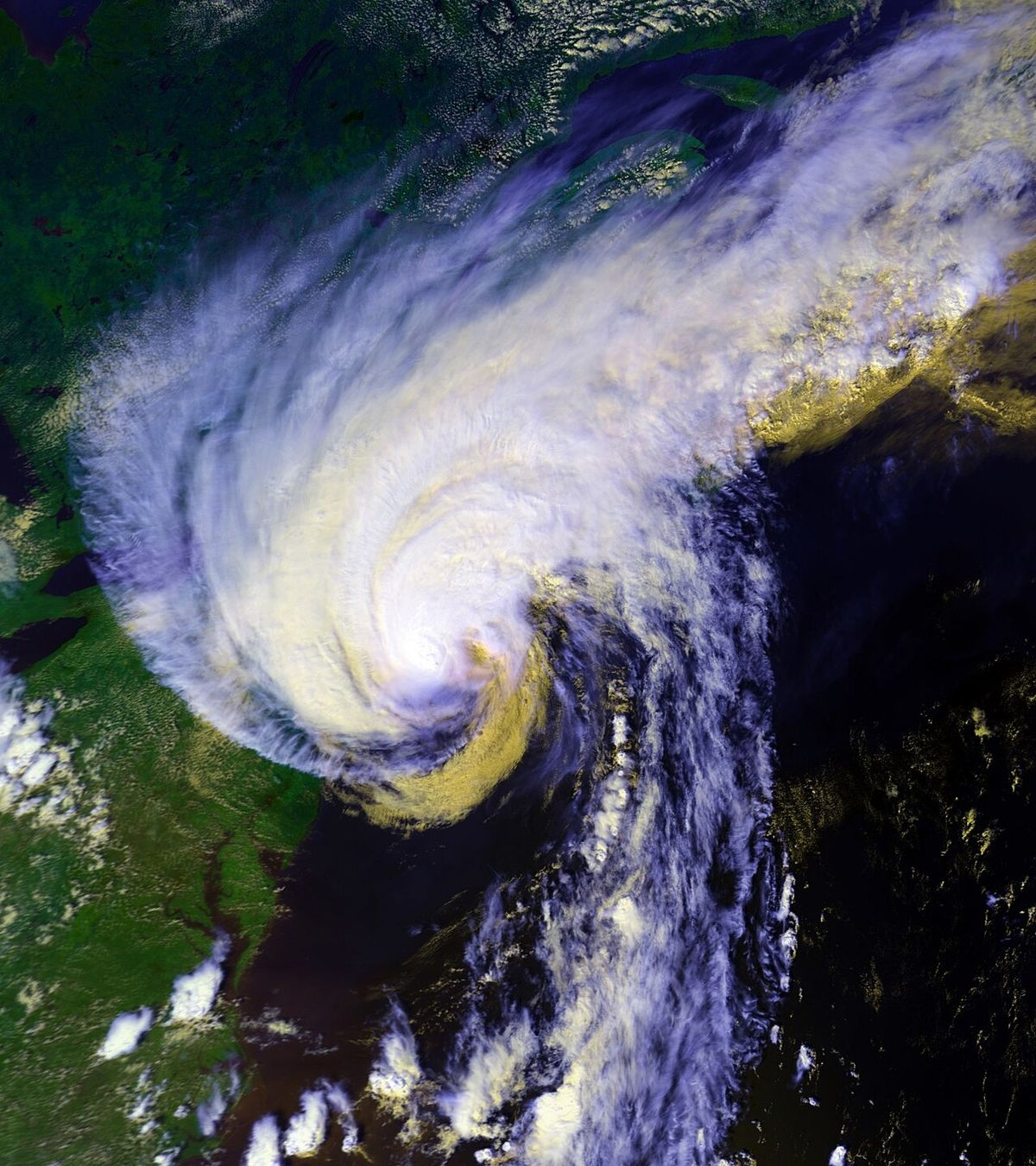
The hurricane continued to consolidate and turn north-northeastward, influenced by a subtropical ridge over the Atlantic. By August 18, an eye became visible on satellite imagery as Bob paralleled the North Carolina coastline, passing about 35 miles offshore. Early on August 19, the storm reached its peak intensity with maximum sustained winds of 115 mph and a minimum central pressure of 950 mbar, classifying it as a major Category 3 hurricane. Cooler sea surface temperatures then initiated a weakening trend as Bob accelerated northeast at 25 mph toward New England. The storm's track in this period was notably similar to the path of the destructive Hurricane Carol in 1954.
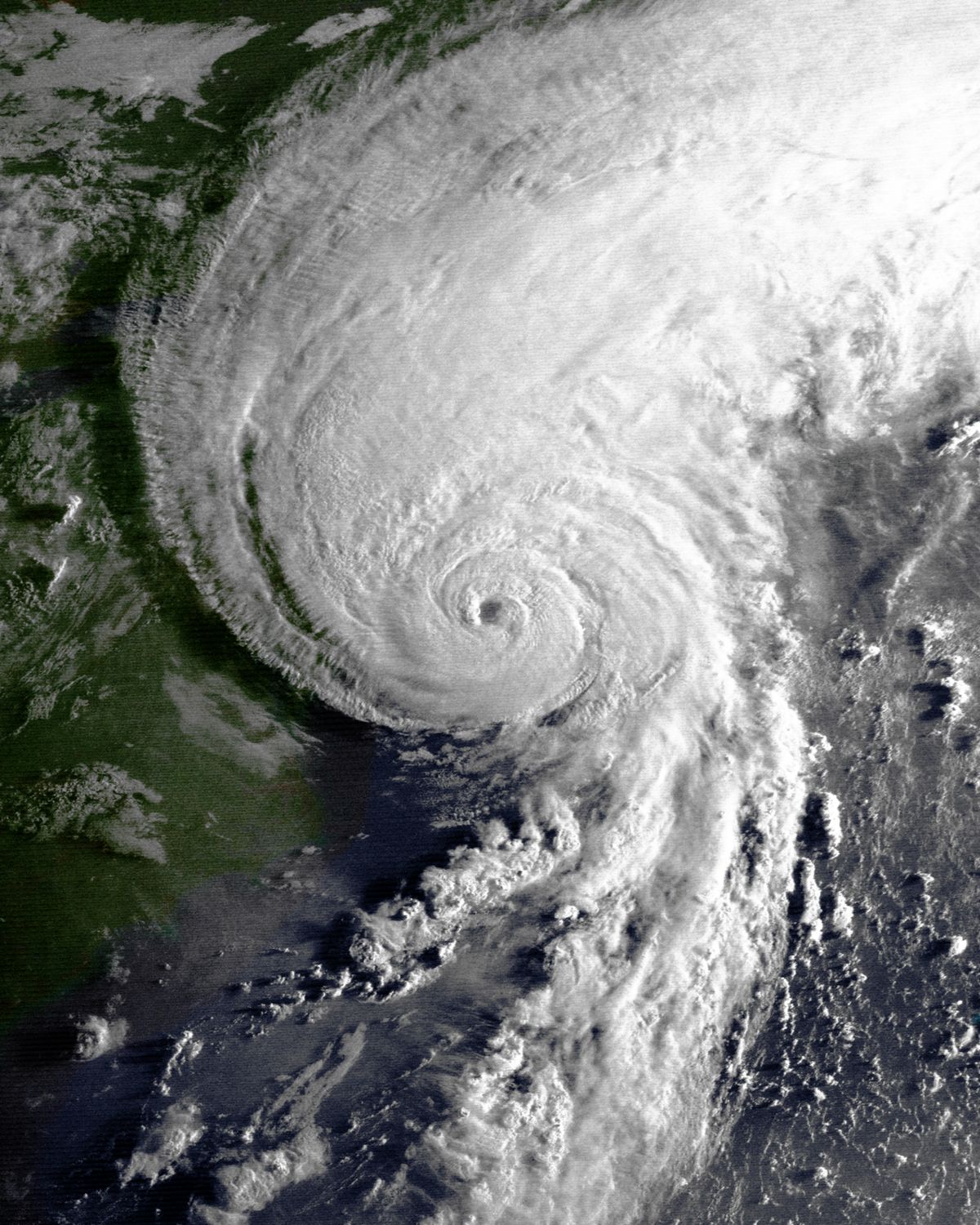
On August 19, the western eyewall brushed the eastern tip of Long Island. Around 1800 UTC, the center of Hurricane Bob made its first United States landfall on Block Island, Rhode Island, followed shortly by a second landfall near Newport. At landfall, maximum sustained winds were estimated at 100 mph, making it a Category 2 hurricane. The storm rapidly weakened as it moved inland through Rhode Island and Massachusetts before entering the Gulf of Maine. It made a final landfall in the United States as a strong tropical storm near Rockland, Maine, around 0130 UTC on August 20. The system then crossed into the Canadian province of New Brunswick, where it transitioned into an extratropical cyclone by 1800 UTC that day.
The remnants of Bob crossed northern Newfoundland early on August 21 before re-emerging into the open Atlantic Ocean. The extratropical system then traveled a long distance eastward across the northern Atlantic Ocean. It briefly weakened to the equivalent of a tropical depression on August 22 before restrengthening to tropical storm-force winds. The system finally dissipated off the coast of Portugal on August 29 after a prolonged journey across the ocean.
Preparations and Warnings
As Bob developed and intensified, a series of watches and warnings were issued along the United States east coast. The Government of the Bahamas issued a tropical storm warning for the northwestern islands on August 16, which was later discontinued as the storm turned north. The National Hurricane Center issued a hurricane watch for parts of the North Carolina coast on August 17, quickly upgrading it to a warning. Warnings were extended northward through the Mid-Atlantic states as Bob paralleled the coastline. By late August 18, an extensive hurricane warning was in effect from Cape Henlopen, Delaware, to Plymouth, Massachusetts, including Long Island and Long Island Sound.
In North Carolina, mandatory evacuation orders for the Outer Banks led an estimated 50,000 to 100,000 people to leave the region, causing significant traffic delays. Bridges were closed and campgrounds were shut down. In Virginia, 125 planes were relocated from Langley Air Force Base, and in Maryland, stores reported a surge in storm preparation sales. In Suffolk County, New York, officials deliberated over evacuation orders, ultimately declaring a state of emergency and opening disaster centers while the American Red Cross opened shelters on Long Island.
Preparations intensified across New England. Officials in Connecticut and Rhode Island declared states of emergency, sent state workers home early, and activated emergency operations centers. The American Red Cross opened 23 shelters in Connecticut and 40 in Rhode Island, with an estimated 3,500 people evacuating in Rhode Island alone. In Massachusetts, thousands evacuated Cape Cod, creating an 11-mile backup on the Sagamore Bridge, and about 50,000 people left their homes statewide. President George H. W. Bush, who was at his home in Kennebunkport, Maine, evacuated by motorcade to Pease Air Force Base in New Hampshire, a move that required closing parts of Interstate 95. Shelters were opened in New Hampshire and Maine, where about 8,600 people evacuated the York County coastline. The Canadian Hurricane Centre issued wind and heavy rain warnings for Nova Scotia, Prince Edward Island, and New Brunswick, urging fishermen in the Bay of Fundy to return to port.
Impact on the United States
Hurricane Bob left a trail of destruction along the United States east coast, with total damage estimated at approximately $1.5 billion in 1991 dollars. The storm caused power outages for 2.1 million people and was associated with six confirmed tornadoes. The financial toll was high due to the densely populated regions it affected, and by 2010 it ranked as the 22nd costliest tropical cyclone to hit the United States mainland. The storm's impacts varied significantly from the Carolinas to New England, with the most severe damage concentrated in the northeast. The following list details key impacts by region.
- Carolinas: One drowning in Myrtle Beach, SC; $8 million damage in NC. Six tornadoes in Dare County.
- New York: 7.18 inches of rain in Bridgehampton; $20 million in crop damage. 477,765 power outages on Long Island.
- Rhode Island: Landfall with 100 mph winds. 200,000 power outages. Over $115 million in damage.
- Massachusetts: 50,000 people evacuated. 11-mile traffic backup on Cape Cod. Widespread structural damage.
- New England-wide: 60% of residents in RI and SE Massachusetts lost power. Sewage overflow into Narragansett Bay.
In the Carolinas and Mid-Atlantic states, effects were relatively moderate. Bob's center passed well east of South Carolina, though large swells caused one drowning in Myrtle Beach. In North Carolina, the storm brushed the Outer Banks, bringing a maximum of 5.30 inches of rain to Cape Hatteras and causing an estimated $8 million in damage. The highest onshore sustained wind recorded in the state was 62 mph at Duck, while a gust of 123 mph was measured at Diamond Shoal Light. Flooding forced the closure of Highway 12, and six tornadoes touched down in the state. Impacts were minimal in Virginia and Maryland, limited to minor beach erosion and street flooding.
The most severe impacts occurred in New England, where Bob made landfall. In Rhode Island, wind gusts reached at least 105 mph on Block Island. A storm surge of 6.6 feet inundated Providence, and the peak storm tide reached 16.5 feet at the mouth of the Sakonnet River. The hurricane caused about 200,000 power outages in the state, leaving 60 percent of residents in Rhode Island and southeastern Massachusetts without electricity. Extensive beach erosion and flooding were reported, and sewage treatment plants spilled over 100 million tons of sewage into Narragansett Bay. Damage in Rhode Island alone totaled over $115 million. In Massachusetts and other New England states, damage was widespread due to high winds and coastal flooding. The storm's rapid movement limited extreme rainfall totals but did not prevent significant structural damage and prolonged power outages. The collective damage across the region solidified Bob's reputation as one of the most costly hurricanes to ever hit New England, with some estimates suggesting total losses could have been as high as $3 billion in 1991 dollars.
Impact on Canada
After transitioning into an extratropical cyclone, the remnants of Hurricane Bob moved into Atlantic Canada on August 20, 1991. The storm brought strong winds and heavy rainfall to parts of New Brunswick and Newfoundland. While the system had weakened significantly from its peak hurricane strength, it still posed a substantial hazard to the region. The Canadian Hurricane Centre had issued appropriate warnings, and fishermen in the vulnerable Bay of Fundy had been advised to return to port ahead of the large swells expected from the storm. The extratropical system crossed through western New Brunswick before entering the Gulf of St. Lawrence. It then passed over northern Newfoundland early on August 21 before moving back into the Atlantic Ocean. The primary impacts in Canada were related to wind and rain, though specific damage totals or casualty figures for the Canadian portion of the storm's track are less documented than for the United States. The event highlighted the routine threat that former tropical cyclones pose to Atlantic Canada, often bringing periods of severe weather long after their initial landfall in the United States. The storm's passage through Canada was relatively swift, and the remnants continued their long journey across the Atlantic. The system's ability to maintain tropical storm-force winds for a time after becoming extratropical demonstrated the persistent energy of these storms. The experience with Bob contributed to ongoing improvements in cross-border coordination between the National Hurricane Center and the Canadian Hurricane Centre for tracking storms that affect both nations.
Records and Historical Context
Hurricane Bob occupies a significant place in the meteorological history of the northeastern United States. It was the only hurricane to make landfall in the contiguous United States during the quiet 1991 Atlantic hurricane season. At the time of its occurrence, Bob was one of the costliest hurricanes in United States history, with initial damage estimates of $1.5 billion. Subsequent analysis suggests the true economic impact may have been closer to $3 billion in 1991 dollars, equivalent to approximately $7.1 billion in 2026. This placed it among the most financially destructive storms of the late 20th century. The storm's track was notably similar to other major hurricanes that have struck New England, most notably Hurricane Carol in 1954. Both storms followed a path that brought them across Rhode Island and into New England, causing widespread damage. Bob is also remembered as the most recent hurricane to directly strike the New England states as a hurricane at the time of its landfall, a distinction it held for many years. The storm's intensity, rapid forward speed, and compact size contributed to its destructive potential, particularly in coastal communities. Bob's impact led to changes in disaster preparedness and response protocols in the region. The extensive power outages, particularly on Long Island and in Rhode Island, revealed vulnerabilities in utility infrastructure. The storm also demonstrated the challenges of coordinating large-scale evacuations, as seen in the traffic backups on Cape Cod and the Outer Banks. In the years following Bob, improvements in forecasting, warning dissemination, and public awareness campaigns have been implemented to better prepare for similar events.
Notable Statistics and Data
Hurricane Bob was a compact but intense storm that produced a range of notable meteorological measurements. It attained its peak intensity as a major hurricane with maximum sustained winds of 115 mph (185 km/h) and a minimum pressure of 950 mbar. The hurricane made landfall in Rhode Island as a Category 2 hurricane with winds of 100 mph (160 km/h). Bob left extensive damage throughout New England, totaling approximately US$1.5 billion in 1991 dollars, and was associated with eighteen reported fatalities.
| Location | Measurement | Value |
|---|---|---|
| Peak Intensity | Maximum Sustained Winds | 115 mph (185 km/h) |
| Peak Intensity | Minimum Central Pressure | 950 mbar |
| Diamond Shoal Light, NC | Peak Wind Gust | 123 mph (198 km/h) |
| Cape Hatteras, NC | Storm Surge | 2.6 to 4.6 ft (0.79 to 1.40 m) |
| Providence, RI | Storm Surge | 6.6 ft (2.0 m) |
| Sakonnet River, RI | Peak Storm Tide | 16.5 ft (5.0 m) |
| North Foster, RI | Peak Rainfall in Rhode Island | 7.13 in (181 mm) |
| Bridgehampton, NY | Peak Rainfall in New York | 7.18 in (182 mm) |
| United States | Total Power Outages | 2.1 million customers |
In addition to these figures, the storm was associated with several tornadoes. A total of six tornadoes were confirmed in association with Bob's outer rainbands, all occurring in North Carolina and ranging in strength from F0 to F1 on the Fujita scale. These tornadoes caused an additional $256,000 in damage in Dare County alone. The storm's financial toll was monumental for its time, and its legacy is reflected in its ranking among costly hurricanes. The event also highlighted specific vulnerabilities, such as the sewage overflow in Narragansett Bay and the extensive crop damage on Long Island, which became focal points for post-storm analysis and mitigation efforts. The storm's key landfalls and transitions are listed below.
- August 16: Upgraded to Tropical Storm Bob near the Bahamas.
- August 17: Became a Category 1 hurricane over the Atlantic.
- August 19: Made landfall on Block Island, RI, and Newport, RI, as a Category 2 hurricane.
- August 20: Made landfall near Rockland, ME, as a tropical storm.
- August 20: Transitioned to an extratropical cyclone over New Brunswick, Canada.
- August 21: Passed over northern Newfoundland.
- August 29: Dissipated off the coast of Portugal.
Questions about Hurricane Bob
When did Hurricane Bob hit Canada?
The remnants of Hurricane Bob entered Canada on August 20, 1991, after making landfall in Maine. The system moved into New Brunswick as a strong tropical storm and transitioned into an extratropical cyclone by 1800 UTC that day. It then passed over northern Newfoundland on August 21 before moving back into the Atlantic Ocean. The Canadian Hurricane Centre had issued wind and heavy rain warnings for Nova Scotia, Prince Edward Island, and New Brunswick in anticipation of the storm's arrival.
How many people died because of Hurricane Bob?
Hurricane Bob was responsible for a total of eighteen fatalities. These deaths occurred along the storm's path from the Carolinas to New England. Causes included drowning from rough seas and strong undertows, accidents related to fallen trees and disabled traffic signals, and other storm-related incidents. The loss of life showed the dangers posed by high winds, flooding, and the indirect consequences of power outages and debris.
Why is Hurricane Bob significant for New England?
Hurricane Bob is historically significant for New England as one of the region's most destructive and costly tropical cyclones. It was the most recent hurricane to directly strike the New England states as a hurricane at the time of its landfall. Its path was reminiscent of the devastating Hurricane Carol of 1954. Bob caused massive power outages, extensive coastal flooding and erosion, and severe damage to infrastructure and agriculture, leading to lasting changes in regional disaster preparedness and response plans.
Did Hurricane Bob produce any tornadoes?
Yes, Hurricane Bob spawned several tornadoes. There were six confirmed tornadoes associated with the storm's outer rainbands, all of which touched down in North Carolina. These tornadoes ranged from F0 to F1 on the Fujita scale and caused additional property damage, including $256,000 in losses in Dare County alone. There were also thirteen unconfirmed tornado reports and two reported tornadoes on Long Island, New York, which contributed to the storm's destructive impact.
What category was Hurricane Bob when it made landfall?
Hurricane Bob made landfall twice in Rhode Island as a Category 2 hurricane on August 19, 1991. It first made landfall on Block Island and then in Newport with winds of 100 mph (160 km/h). Bob had intensified into a major hurricane, Category 3 or greater, over the Atlantic with peak winds of 115 mph (185 km/h). However, it weakened slightly due to cooler sea surface temperatures as it approached the New England coast. This landfall made Bob the only hurricane to make landfall in the contiguous United States during the 1991 Atlantic hurricane season. The storm rapidly weakened after moving inland, deteriorating to a tropical storm as it entered the Gulf of Maine.
How much damage did Hurricane Bob cause?
Hurricane Bob caused extensive damage throughout New England, totaling approximately US$1.5 billion in 1991 dollars, equivalent to US$3.5 billion in 2026. This made it one of the costliest hurricanes in United States history at the time, ranking thirty second as of 2013. Some sources estimate the damage might have been as high as US$3 billion in 1991 dollars, equivalent to US$7.1 billion in 2026. The high cost was due to the storm passing through a densely populated region. The damage included about $700 million through cleanup costs, uninsured losses, and food claims. The loss of life and most damage resulted from high winds and rough seas, with the storm also leaving 2.1 million people without power.
Sources and further reading
- Hurricane Bob (Wikipedia)
- Hurricane Bob, August 18-19, 1991 (weather.gov)
Checked by the Your Space Hamilton desk. Last updated 2026-10-20.