Instant mashed potatoes
Instant mashed potatoes are a packaged convenience food made by industrially cooking, mashing, and dehydrating potatoes into flakes or granules, which are then reconstituted with hot water or milk. They serve as a quick and consistent alternative to homemade mashed potatoes, particularly valued in Canada and the United States for their role in busy household meals and the foodservice industry. Flaked instant mashed potatoes are most commonly found in stores in the United States, Mexico and Canada, as noted in the source text. Key brands available include Smash and Idahoan Foods, as well as other options for Canadian consumers.
History and Development
The concept of dehydrating starchy root vegetables for preservation is ancient, with practices like the Inca production of chuño from freeze dried potatoes predating modern industry. In 1905, Ernest William Cooke applied for a United States patent titled "Dehydrated Potatoes and Process of Preparing the Same", which was granted in 1912. Cooke's method involved cutting, shredding, slightly cooking, and drying potatoes to create a product that could be reconstituted with water, overcoming earlier issues that resulted in an unappetizing starchy paste. This foundational patent established the basic principle of dehydrated potato products and addressed the key problem of lumping during reconstitution.
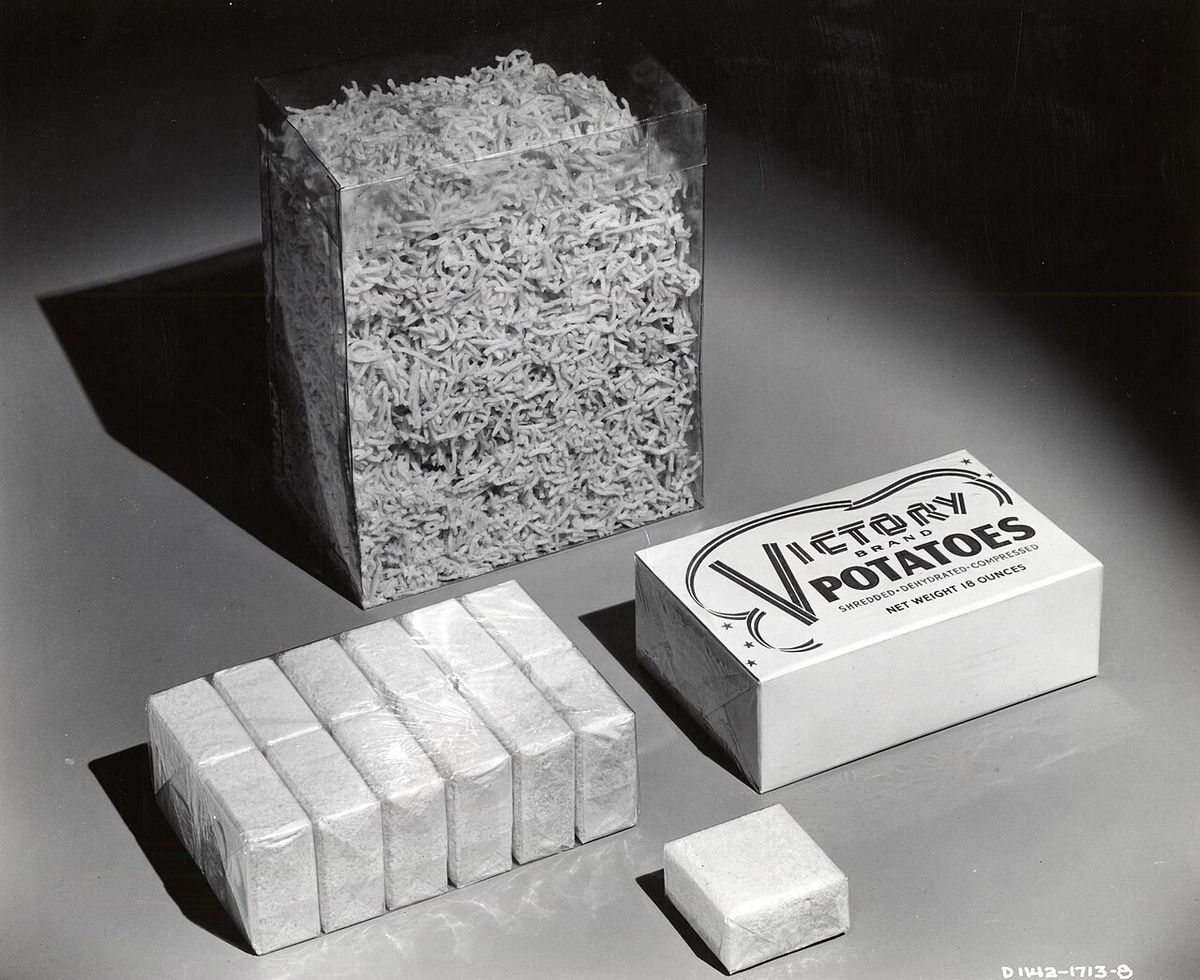
The familiar flake form of instant mashed potatoes emerged decades later through government led research. In 1954, two researchers with the United States Department of Agriculture received U.S. Patent 2,759,832 for "Drum drying of cooked mashed potatoes", which described producing the product as a thin sheet or flake. This innovation created the light, quick dissolving texture that defines most consumer products today and specifically solved the issue of chunkiness. Further refinements to industrial production methods continued, including a significant contribution from Canadian scientist Edward A. Asselbergs, who was granted U.S. Patent 3,260,607 in 1962 for a "Preparation of dehydrated cooked mashed potato". The product's evolution from a basic dehydrated form to a flaked convenience item mirrors broader trends in food technology and post war consumer demand for quick preparation foods.
Production Process and Product Forms
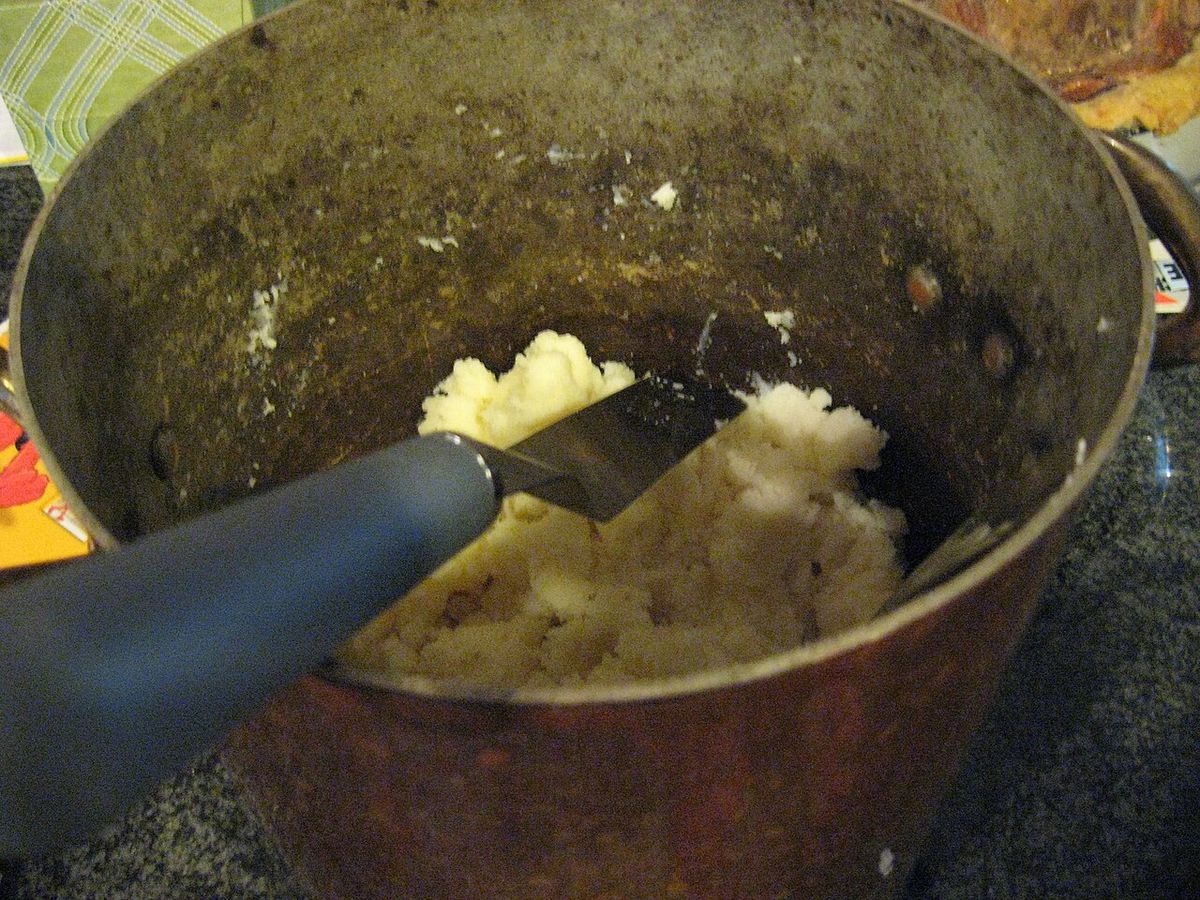
Instant mashed potatoes are produced through a multi stage industrial process that cooks and mashes potatoes before dehydrating them into a stable, dry form. The process begins with raw potatoes that are cooked until soft, then mashed into a smooth puree. This mash is then applied to the surface of a heated drum dryer, where it is spread into a thin film and dried almost instantaneously. The dried potato film is then scraped off the drum and broken into the small, irregular flakes familiar to consumers. This drum drying method, patented in 1954, is crucial for creating a product that reconstitutes quickly and smoothly without the lumpiness associated with simply adding water to potato flour or granules.
The key to a smooth final product lies in the physical form of the dehydrated material. The two primary physical forms are flakes and granules, each serving different market segments. Flaked instant mashed potatoes are the most common form found on retail shelves in grocery stores across Canada, the United States, and Mexico. These thin, light flakes are designed for quick preparation by home cooks and dissolve readily in hot liquid. Granulated forms of instant mashed potatoes are more commonly used in institutional or foodservice settings, such as restaurants, cafeterias, and catering operations. The granulated product often offers different functional characteristics, such as a longer hold time on steam tables and different texture profiles.
The industrial process ensures consistency, a long shelf life, and food safety, which are major advantages for both consumers and commercial users. The dehydration removes most of the water content, inhibiting microbial growth and significantly extending the product's stability compared to fresh potatoes. This logistical advantage reduces spoilage and food waste for both households and commercial establishments. Modern production facilities are highly automated, allowing for the large scale processing necessary to meet global demand, with the United States being the dominant producer and consumer market. Analogous traditional foods exist globally, such as instant poi from taro in Pacific cuisine and instant fufu from yams in West African cuisine, demonstrating a widespread culinary practice of drying starches for convenience.
Nutritional Profile and Health Considerations
The nutritional content of instant mashed potatoes differs in specific ways from that of freshly prepared mashed potatoes, primarily due to the processing involved. On a dry weight basis, instant mashed potatoes are about two thirds starch, with smaller amounts of protein, dietary fiber, and vitamins. The most significant nutritional difference is a substantially higher sodium content in the instant product compared to plain fresh potatoes, as salt is often added during processing for flavour and preservation. There is also a notable reduction in dietary fiber content after processing, which can affect digestive health and satiety. Vitamin C, which is present in fresh potatoes, is largely lost during the high heat dehydration process. Some manufacturers enrich their products with added vitamins and minerals to compensate for these losses. Other vitamins present in smaller amounts include some B vitamins, though these too can be diminished by processing unless specifically added back through fortification.
Consumer trends and health perceptions are pushing the industry towards developing healthier formulations. Key initiatives in product development include creating low sodium versions, guaranteeing gluten free status, and fortifying options with added vitamins and minerals. A significant market challenge is the negative consumer perception that instant foods are less nutritious, highly processed, and contain artificial additives. To counter this, some brands like Bob's Red Mill and 365 by Whole Foods Market emphasize simple, single ingredient lists without added emulsifiers or preservatives. The choice of preparation liquid also significantly impacts the final dish's nutritional profile, with the use of whole milk and butter increasing calories and fat compared to using water alone.
Global Market Analysis and Economic Significance
The global instant mashed potatoes market represents a significant and growing segment of the convenience food industry. Long term forecasts suggest continued expansion, potentially reaching US$2.59 billion by 2033, which represents a compound annual growth rate of 5.763 percent from 2026 to 2033. The market's expansion is supported by the universal need for quick and easy meal preparation across both developed and emerging economies. North America holds a dominant position in the global market, accounting for roughly 27.8 percent of the total share.
Within this region, the United States is the undisputed leader, representing an estimated 37.2 percent of the entire global market in 2025. This indicates a deeply rooted convenience food culture and high per capita consumption. Canada and Mexico are stable secondary markets, contributing approximately 3.2 percent and 2.0 percent to the global total, respectively. The market is characterized by several interconnected drivers and challenges that shape competition and product development. Demand for time saving foods from consumers with fast paced lifestyles, including busy professionals, students, and families, is the primary market driver. Substantial growth in the foodservice industry, including restaurants, catering, and institutional kitchens, fuels bulk commercial sales for use as a consistent, cost effective ingredient.
- The product's extended shelf life and reduced spoilage compared to fresh potatoes offer a logistical advantage that reduces food waste for retailers and consumers.
- Product innovation and premiumization are evident through new flavours like roasted garlic, cheddar cheese, and bacon, plus organic or non GMO options.
- A growing focus on health and wellness leads to low sodium, gluten free, and fortified formulations to improve the product's nutritional image.
- The rise of affordable private label brands from major supermarkets and hypermarkets increases competitive pressure on established national brands.
- Key market restraints include persistent negative health perceptions among consumers and competition from other convenient side dishes like ready to eat rice, pasta, and frozen vegetables.
- Manufacturers face volatility in raw potato prices due to weather, crop diseases, and supply chain issues, impacting production costs.
Consumer Brands, Product Evaluation, and Preparation
A wide variety of brands supply the Canadian retail market with instant mashed potatoes, ranging from widely distributed national labels to store specific private brands. In comparative tastings conducted in 2026 involving seven different plain varieties, Idahoan Original Mashed Potatoes consistently emerged as the clear winner. Reviewers praised its fluffy texture, natural tasting potato flavour, and reliable results when following preparation instructions. It was noted for its widespread availability, even in gas stations, and competitive pricing, often found for around $2.59 for a 13.75 ounce box at major retailers like Walmart. Bob's Red Mill Potato Flakes, made from a single ingredient of potatoes without added emulsifiers or preservatives, was also highly rated for its smooth, velvety texture and slightly sweet, creamy taste.
Its price point is typically higher, near $5.79 for 16 ounces, and it may be less commonly found in standard grocery stores. The 365 by Whole Foods Market Instant Mashed Potatoes was another notable product, also made from just potatoes, yielding a homemade tasting texture suitable for adding personal seasonings like garlic or rosemary. Other widely available brands include Hungry Jack and private label versions from retailers like Aldi (Chefs Cupboard) and Walmart's Great Value line. Tasting evaluations typically assess products based on texture, flavour, ease of preparation, and value for money, with most brands in the 2026 test priced between $3 and $8, though many were around $5.
Proper preparation method is critical to achieving a palatable result from instant mashed potatoes. Most standard instructions involve bringing water to a boil, removing it from heat, and stirring in flakes along with fat like butter or margarine. However, nearly all expert recommendations and consumer tips strongly advise against using water alone. The consensus is to use milk, which can be non dairy milk excluding vanilla flavoured varieties, and to incorporate real butter. A typical enhanced recipe might involve bringing 1.5 cups of water to a boil, removing from heat, adding two tablespoons of margarine and half a cup of milk, then stirring in the potato flakes. This method yields a richer, creamier, and more homemade tasting dish that better approximates traditional mashed potatoes.
| Brand | Key Characteristics | Approx. Price (2026) | Notable Feature |
|---|---|---|---|
| Idahoan Original | Fluffy, natural flavour | $2.59 / 13.75 oz | Widely available, top rated |
| Bob's Red Mill | Single ingredient, creamy | $5.79 / 16 oz | No additives, smooth texture |
| 365 by Whole Foods | Homemade taste | $2.89 / 8 oz | Simple ingredient list |
Culinary and Alternative Uses in Cooking
Beyond their primary role as a quick side dish, instant mashed potato flakes serve several functional and creative purposes in home cooking and food preparation. Their ability to absorb moisture and thicken mixtures makes them a versatile pantry ingredient for modifying recipes. One common alternative use is as a thickening agent for gravies, soups, and sauces, where they can be added incrementally to achieve a desired consistency without imparting a strong foreign flavour. This is particularly useful for creating smooth, lump free gravies or adding body to brothy soups. The flakes can also act as a substitute for bread crumbs or flour in various applications.
They work well as a binding agent in recipes like meatloaf, meatballs, or veggie burgers, helping to hold the mixture together while adding moisture. As a coating for fried foods like chicken cutlets or fish fillets, the flakes create a crisp exterior when pan fried or baked. This use provides a gluten free alternative to traditional breading for those with dietary restrictions. In baking, instant potato flakes are sometimes incorporated into bread and roll recipes to improve moisture retention and create a softer crumb. A more specialised use is in fermentation, where instant potato flakes can serve as a food source for wild yeast and bacteria in sourdough starters.
The starch in the flakes is readily accessible to the microbial culture, helping to establish and maintain an active starter. Home cooks and food enthusiasts have also demonstrated methods for creating custom, shelf stable instant mashed potatoes using home freeze dryers, providing full control over potato variety and added ingredients. This DIY approach allows for personalised flavour profiles and addresses preferences for organic or locally sourced potatoes. The product's simplicity, neutral flavour, and functional properties ensure it remains a versatile culinary tool beyond its intended purpose.
Cultural Role and Consumer Perception
Instant mashed potatoes occupy a specific niche in Canadian and American food culture as a dependable convenience item, particularly during busy weekdays or major holidays like Thanksgiving and Christmas when time is constrained. For many families, products like Idahoan have been a long standing pantry staple, a go to for parents needing a quick and affordable way to get dinner on the table. This has created a sense of nostalgia for some consumers, who associate the product with childhood meals, though taste tests confirm that top rated brands can stand on their own merits beyond nostalgic bias. The product symbolizes the post war shift towards processed convenience foods designed to reduce domestic labour.
Consumer perception of instant mashed potatoes is often mixed, shaped by the trade off between convenience and culinary ideals. On one hand, the product is valued for its consistency, long shelf life, and foolproof preparation, eliminating the variability and potential for failure that can occur with from scratch mashed potatoes. On the other hand, a significant segment of consumers perceives instant foods as inferior, highly processed, and less nutritious than their homemade counterparts. This perception is a key market challenge that manufacturers address through marketing emphasizing natural potato flavour, simple ingredients, and product improvements. The product's role extends into popular culture and online communities, where debates about their merit are common.
Social media platforms and cooking websites feature numerous tutorials and hacks for improving instant mashed potatoes, such as adding roasted garlic, cream cheese, herbs, or shredded cheese. There is also a recognised phenomenon where consumers, even those who initially disdain the product, may develop a taste for it in specific contexts like camping, dormitory cooking, or as a comfort food. This cultural duality, as both a practical solution and a symbol of processed food, ensures instant mashed potatoes remain a topic of discussion and a persistent item on grocery store shelves across Canada. The global market's steady growth, supported by its role in foodservice and household pantries, confirms its enduring place in the modern food supply.
Questions about Instant mashed potatoes
What are instant mashed potatoes made of?
Instant mashed potatoes are made from real potatoes that have been cooked, mashed, and then dehydrated. The primary ingredient is dehydrated potatoes, though many commercial brands also include added emulsifiers like mono and diglycerides to improve texture and prevent separation, along with salt, preservatives, and sometimes milk solids or flavourings. Some premium or simple varieties, such as Bob's Red Mill and 365 by Whole Foods Market, contain only one ingredient: dehydrated potatoes. The dehydration process, typically drum drying, removes most of the water content, resulting in lightweight flakes or granules that have a shelf life of months or even years when stored properly.
How do you prepare instant mashed potatoes properly?
Proper preparation is key to achieving the best texture and flavour. Standard instructions involve bringing water or milk to a boil, removing it from heat, and then stirring in the potato flakes along with fat like butter or margarine. A typical package might instruct you to bring 1.5 cups of water to a boil, remove from heat, add two tablespoons of margarine and half a cup of milk or cold water, and then stir in the flakes. For superior results, nearly all cooking experts and consumer reviews strongly recommend using milk instead of just water and adding real butter. This creates a richer, creamier dish that more closely mimics homemade mashed potatoes. Resisting the urge to eyeball measurements and following package instructions precisely for the first attempt is also advised to avoid a lumpy or watery consistency.
Are instant mashed potatoes healthy compared to fresh?
Instant mashed potatoes provide carbohydrates and some vitamins but differ nutritionally from fresh potatoes in important ways. They typically contain substantially more sodium due to added salt during processing and have much less dietary fibre. Some products are enriched with vitamins to compensate. Consumers seeking healthier options can look for low sodium, gluten free, or organic varieties, and can control added fats and salt during preparation. Brands with single ingredient lists offer a less processed option.
What is the best brand of instant mashed potatoes available in Canada?
Based on comparative tastings in 2026 evaluating seven plain varieties, Idahoan Original Mashed Potatoes was frequently ranked as the best overall brand. It was praised for its natural potato flavour, fluffy texture that hydrated well without stiff lumps, and widespread availability at a competitive price. Bob's Red Mill Potato Flakes, made from a single ingredient with no additives, was also highly rated for its creamy texture and clean, slightly sweet flavour, though it is often more expensive and less commonly found. Other well known national brands include Hungry Jack, and various private label options from major grocery chains like Walmart's Great Value and Aldi's Chefs Cupboard offer affordable alternatives. The best brand can depend on individual taste preferences, budget, and whether one prioritises simple ingredients or specific textures.
Can you use instant mashed potatoes for anything other than a side dish?
Yes, instant mashed potato flakes have several alternative culinary uses due to their thickening and binding properties. They are commonly used as a thickening agent for gravies, soups, and sauces, added gradually to achieve a smooth consistency. The flakes can act as a substitute for bread crumbs in recipes like meatloaf, meatballs, or as a coating for fried foods, offering a gluten free alternative. In baking, they are sometimes used as an ingredient in bread and rolls to improve softness and moisture, or as a component in sourdough starters to feed the yeast culture. Their neutral flavour and high starch content make them a versatile pantry item for modifying textures, extending other ingredients, and experimenting with DIY food preservation, such as making custom freeze dried instant potatoes at home.
How big is the instant mashed potato market and what is Canada's share?
The global instant mashed potatoes market is a multi billion dollar industry with steady growth. Long term forecasts suggest further expansion to around US$2.59 billion by 2033, representing a compound annual growth rate of 5.763 percent from 2026 to 2033. North America, led by the United States, is the largest regional market, accounting for about 27.8 percent of the global total. The United States alone represents an estimated 37.2 percent of the entire worldwide market as of 2025. Canada contributes a stable but smaller share of approximately 3.2 percent to the global market value, reflecting its smaller population but established consumption patterns. Mexico's share is approximately 2.0 percent.
Sources and further reading
- Instant mashed potatoes (Wikipedia)
- The 3 Best Instant Mashed Potatoes of 2026 (We Tried 7) (thekitchn.com)
- Instant Mashed Potatoes Market Analysis 2026 (cognitivemarketresearch.com)
- Spud History: Instant Mashed Potatoes (spudsmart.com)
Checked by the Your Space Hamilton desk. Last updated 2026-10-30.