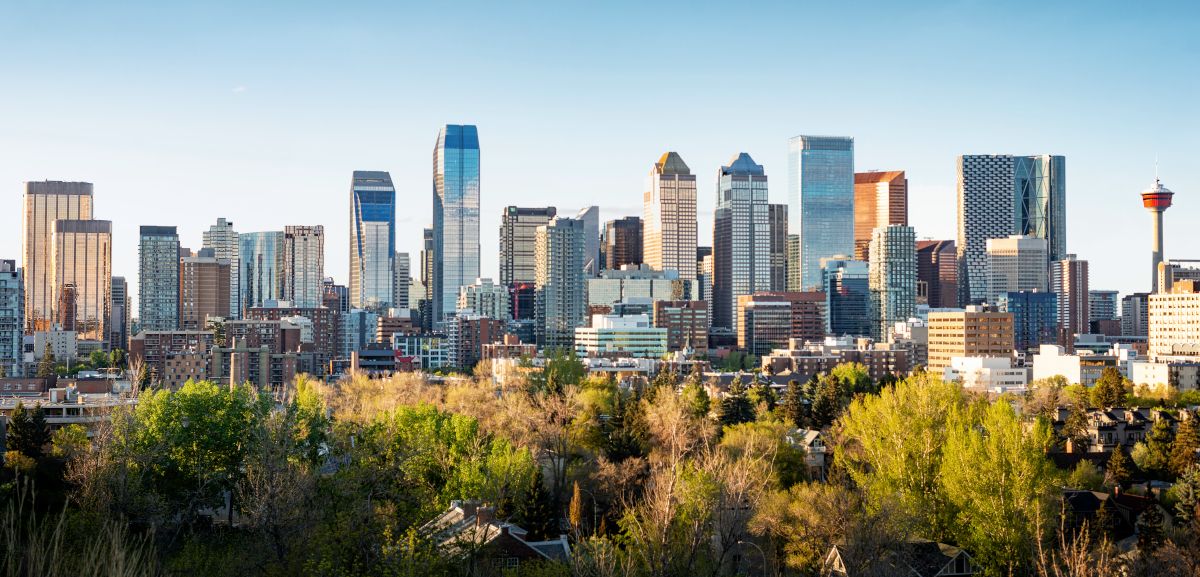
Kitchener, Ontario
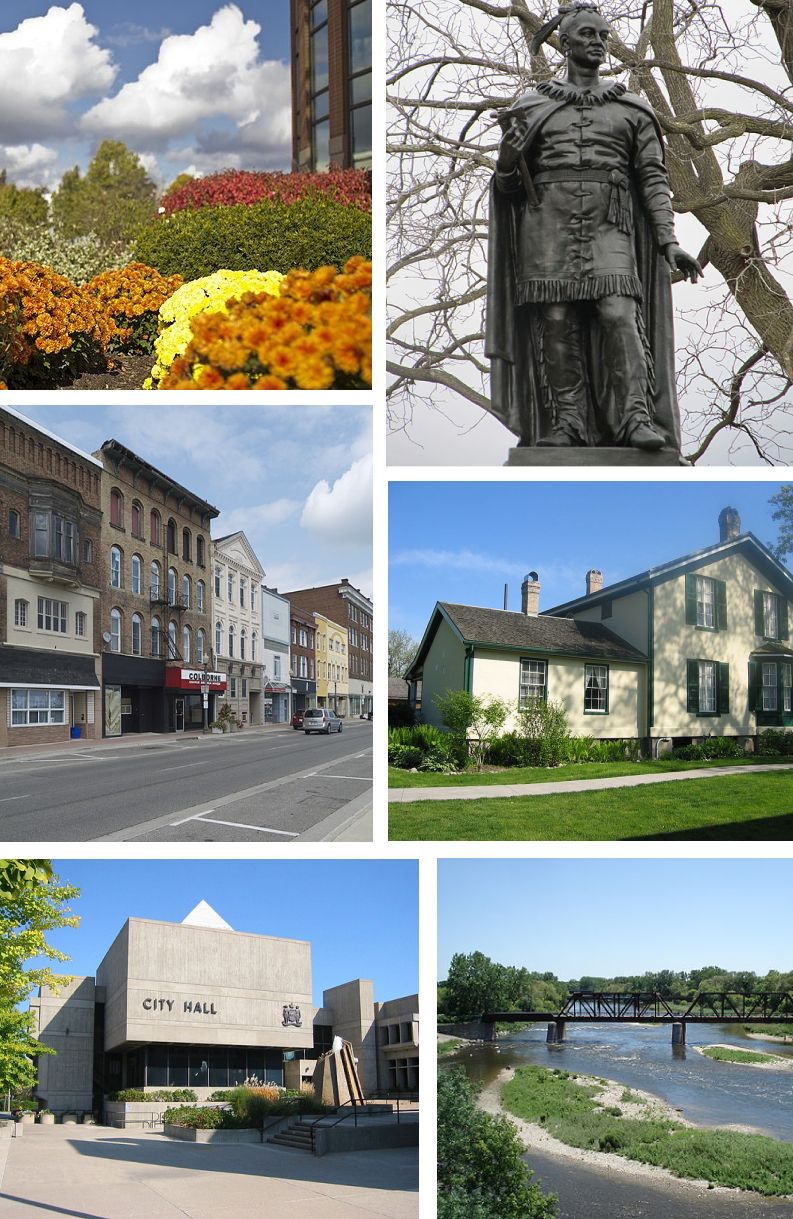
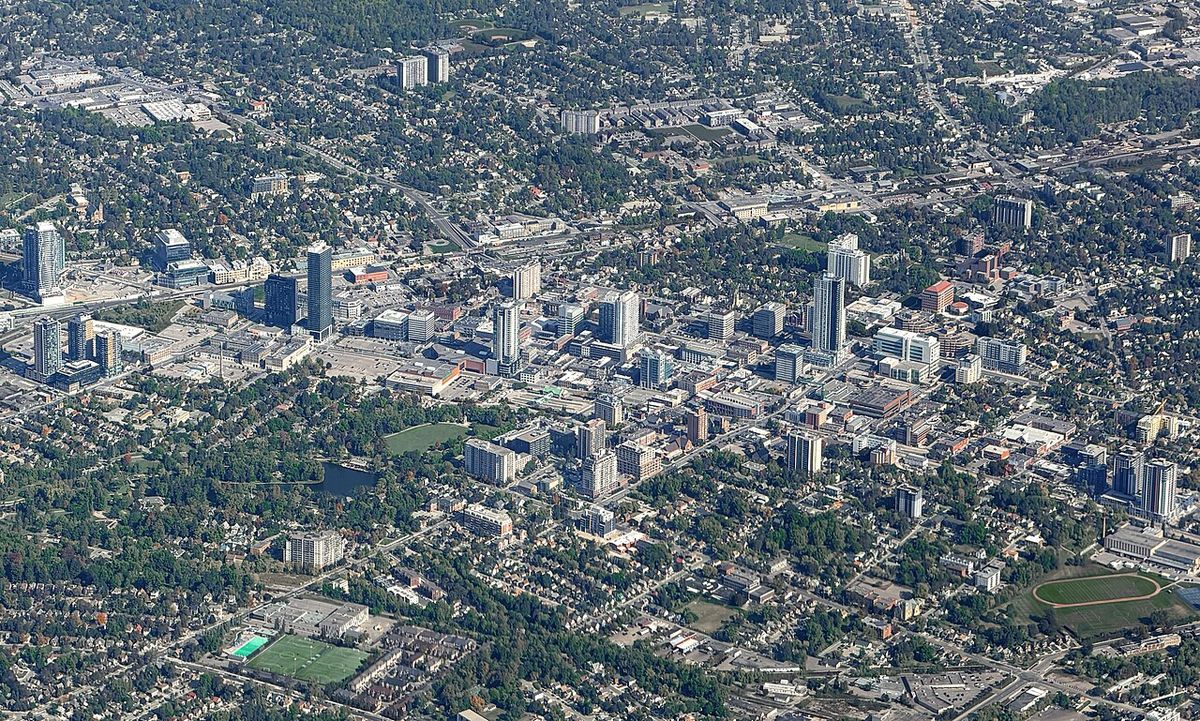
Kitchener is a city in southwestern Ontario, Canada, and the seat of the Regional Municipality of Waterloo. Located approximately 100 kilometres west of Toronto, it forms a twin-city urban area with neighbouring Waterloo, collectively known as Kitchener-Waterloo. Originally settled by Pennsylvania German Mennonites and known as Berlin, the city's name was changed by a 1916 referendum during the First World War. Kitchener is a major economic and cultural hub, known for its strong manufacturing heritage, its annual Oktoberfest celebration, and its growing technology sector.
Indigenous History and Early Land Use
Indigenous peoples have inhabited the area now known as Kitchener for thousands of years. Archaeological evidence indicates nomadic hunter-gatherer communities were present during the Archaic Period, from 8,000 BC to 800 BC, with more than two dozen documented sites in the Waterloo Region including campsites, tool manufacturing sites, and cemeteries. By the 1300s, during the Woodland Period, the Iroquoian-speaking Neutral Nation had expanded into the area. These communities established semi-permanent villages, practicing agriculture with crops such as corn, beans, and squash. A significant village site estimated to be 500 years old was discovered in the Strasburg Creek area in 2010, revealing the remains of longhouses, tools made of bone and stone, and arrowheads. Another Late Woodland Iroquois village site on Fischer-Hallman Road, inhabited from roughly 1300 to 1600, yielded approximately 35,000 artifacts, including a 4,000-year-old arrowhead. In total, more than 18 Late-Woodland village sites have been documented within the Waterloo Region, with artifacts found under the modern city dating back as far as 9,000 years.
European Settlement and the Founding of Berlin
European settlement began on land that was part of the Haldimand Tract, territory purchased by the British Crown from the Mississaugas in 1784 and granted to the Six Nations for their allegiance during the American Revolution. In 1796, Six Nations representative Joseph Brant sold 38,000 hectares to Loyalist Colonel Richard Beasley, who soon faced financial difficulties. This remote land attracted German Mennonite farming families from Pennsylvania seeking religious freedom, and they eventually purchased all of Beasley's unsold land through the German Company, creating 160 farm tracts. The first settlers, Joseph Schoerg and Samuel Betzner Jr., arrived from Franklin County, Pennsylvania in 1800, establishing farms near the Grand River in what is now the Doon area. Their family homes, the John Betzner homestead and the David Schoerg farmstead built around 1830, still stand on Pioneer Tower Road. In 1806, Mennonite bishop Benjamin Eby arrived from Lancaster County, Pennsylvania, and purchased a large tract of land, founding a settlement initially called Ebytown at the south-east side of what would become Queen Street. He encouraged craftsmen to relocate, and a small community grew around Joseph Schneider's 1820 frame house and the rough road he cleared, which became the nucleus of the future town. The name Berlin first appeared on official deeds in a November 1833 transaction when Friedrich Gaukel purchased land along the main street from Joseph Schneider.
The early economy of the area was based on agriculture and milling. The land, which was made up of moraines and swampland interspersed with rivers and streams, was converted into farmland and roads. Wild pigeons, which once swarmed by the tens of thousands, were driven from the area as the land was developed. John Eby introduced apple trees to the region in the 1830s, and several gristmills and sawmills were erected throughout the area. Specific early commercial developments included Joseph Schneider's 1816 sawmill, John and Abraham Erb's grist- and sawmills, Jacob Shantz's sawmill, and Eby's cider mill.
- Joseph Schneider's sawmill, built in 1816.
- John and Abraham Erb's grist- and sawmills.
- Jacob Shantz's sawmill.
- John Eby's cider mill.
- The first road, built by Schneider from his home to the intersection of King and Queen Streets, later extended to Huether Corner in Waterloo with $1,000 raised by settlers.
- Jacob Hoffman's furniture factory, established in 1829 or 1830.
- John Eby's druggist and chemist shop, opened around 1820.
The 1830s also saw the establishment of a village centre by Phineas Varnum, who leased land from Joseph Schneider and opened a blacksmith shop and tavern on the future site of the Walper House. A store opened at the same time, though Ebytown was still considered a hamlet. The community faced a cholera outbreak in 1834, linked to the pandemic that also affected Bridgeport, Guelph, and Brantford, with orphaned children from affected families later adopted by local Mennonites. By 1846, Berlin was described as a village of about 400 principally German inhabitants, with a newspaper called the German Canadian, a Lutheran meeting house, three stores, two taverns, and various trades. The first cemetery in the city was established next to Pioneer Tower in Doon, with the first recorded burial in 1806, while the cemetery at the First Mennonite church contains the graves of Bishop Benjamin Eby, Joseph Schneider, and Rev. Joseph Cramer.
Growth as the County Seat
Berlin's status changed in 1853 when Waterloo County was separated from the United County of Waterloo, Wellington, and Grey. After contentious debate with the larger town of Galt, Berlin was chosen as the new county seat after local merchant Joseph Gaukel donated a small parcel of land he owned at Queen and Weber Streets for a courthouse and jail, which was a requirement for founding. These buildings were constructed within a few months, and the first county council meeting was held in the new facility on 24 January 1853, as the county officially began operations. The Waterloo County Gaol is the oldest government building in the Region of Waterloo, with the Governor's House, home of the gaoler, added in 1878 in a mid-Victorian Italian Villa style, and both have been extensively restored and are on the Canadian Register of Historic Places. The arrival of the Grand Trunk Railway in July 1856, connecting Berlin to Toronto and Sarnia, was a major boon to the community, helping to improve industrialization in the area. Immigrants from Germany, mostly Lutheran and Catholic, dominated the city after 1850, and developed their own newer German celebrations and influences, such as the Turner societies, gymnastics, and band music. By 1869, Berlin had a population of 3,000. The late 19th century saw further transportation development with the Berlin and Waterloo Street Railway opening in 1888 and electrifying in 1895, making it the first electric railway in Berlin, though the Galt and Preston Street Railway had electrified in 1894. This was followed by the construction of the Preston and Berlin Street Railway in 1904, which connected Berlin to Preston to the southeast.
Social History and Civic Institutions
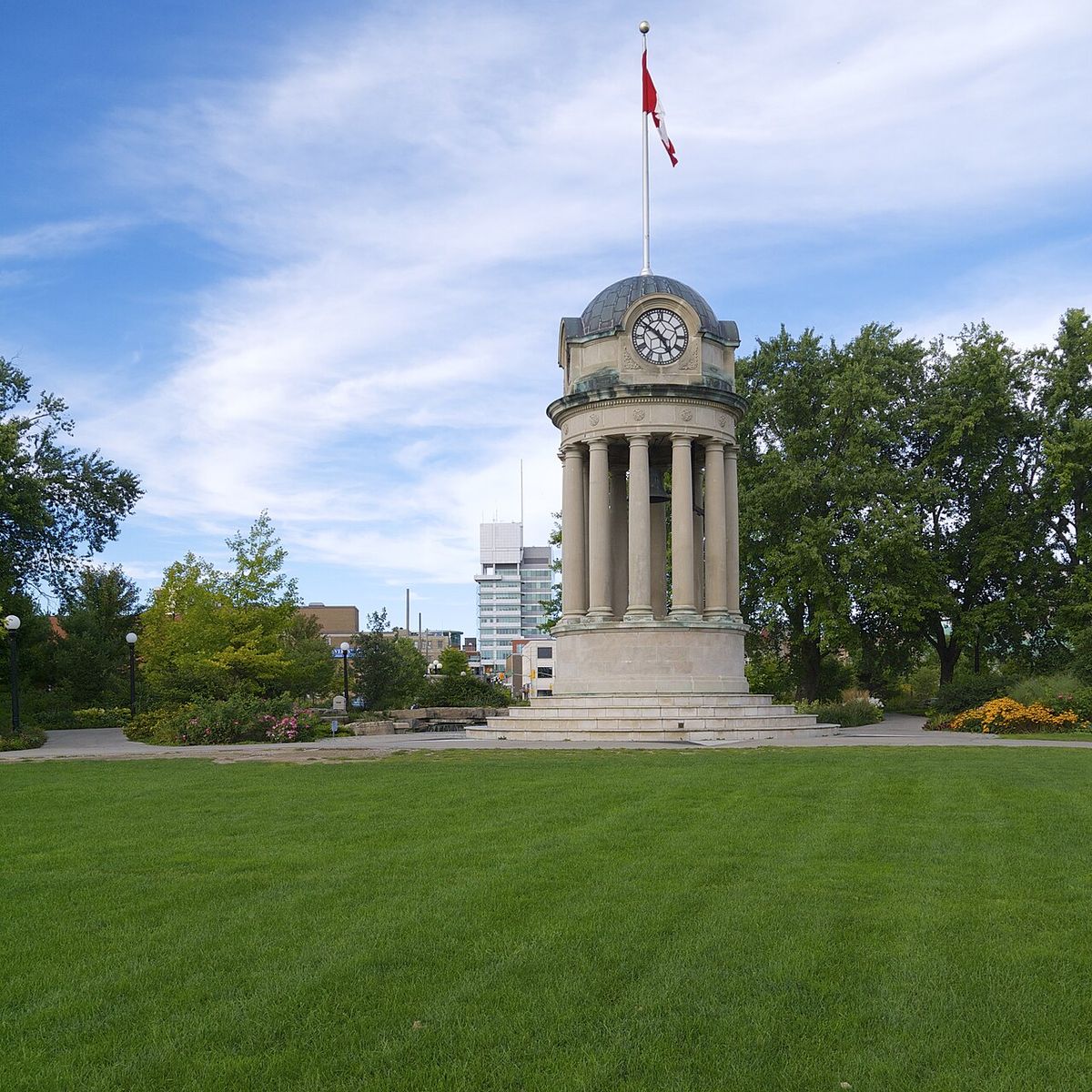
In 1869, the county government constructed the House of Industry and Refuge on Frederick Street, a large poorhouse and farm intended to minimize begging, street living, and incarceration before modern social welfare programs. It operated until 1951, accommodating approximately 3,200 people over its history before the building was demolished, and it was intended to minimize the number of people begging, living on the streets, or being incarcerated at a time before social-welfare programmes. Research indicates its residents, often called inmates, included not only the poor but also those with disabilities, women, and children, including young single mothers who had been servants and became pregnant, and since there were no social services, they were sent to the House. The house provided food and shelter in return for labour in the house and on its attached farm, and also donated food, clothing, and money for train tickets to help the poor reach supportive family. Two cemeteries for the poor were located nearby for those who died at the house. Berlin was officially designated a city on 9 June 1912. Its first city hall was in the two-story building at King and Frederick Streets originally built as the Berlin town hall in 1869 by builder Jacob Y. Shantz, which had also been used as a library, theatre, post office, market, and jail. That building was demolished in 1924 and replaced by a new structure behind it, designed by architects William Schmalz and Bernal Jones, featuring a classical-revival style and a large civic square. That second city hall was demolished in 1973 and replaced by an office tower and the Market Square mall, with its clock tower later erected in Victoria Park in 1995. The current Kitchener City Hall on King Street, designed by architect Bruce Kuwabara, opened in 1993, after the city occupied leased premises on Frederick Street. Kitchener was an early adopter of many municipal governance models in Ontario, beginning with the creation of a parks board under the 1894 Public Parks Act, which transferred management of parkland from a town council committee and led to the creation of Victoria Park.
Name Change and 20th Century Development
During the First World War, anti-German sentiment led to a campaign to change the city's name from Berlin. A 1916 referendum resulted in the adoption of the name Kitchener, in honour of British Field Marshal Lord Kitchener. The twin-city dynamic with Waterloo intensified, with the latter becoming known for its universities and insurance sector. The post-war era saw suburban expansion and the development of major retail and institutional projects. The city also became known for its early adoption of municipal institutions like library boards, planning boards, and conservation authorities, known collectively as agencies, boards, and commissions, which became a characteristic element of Canadian governance.
Demographics and Economy
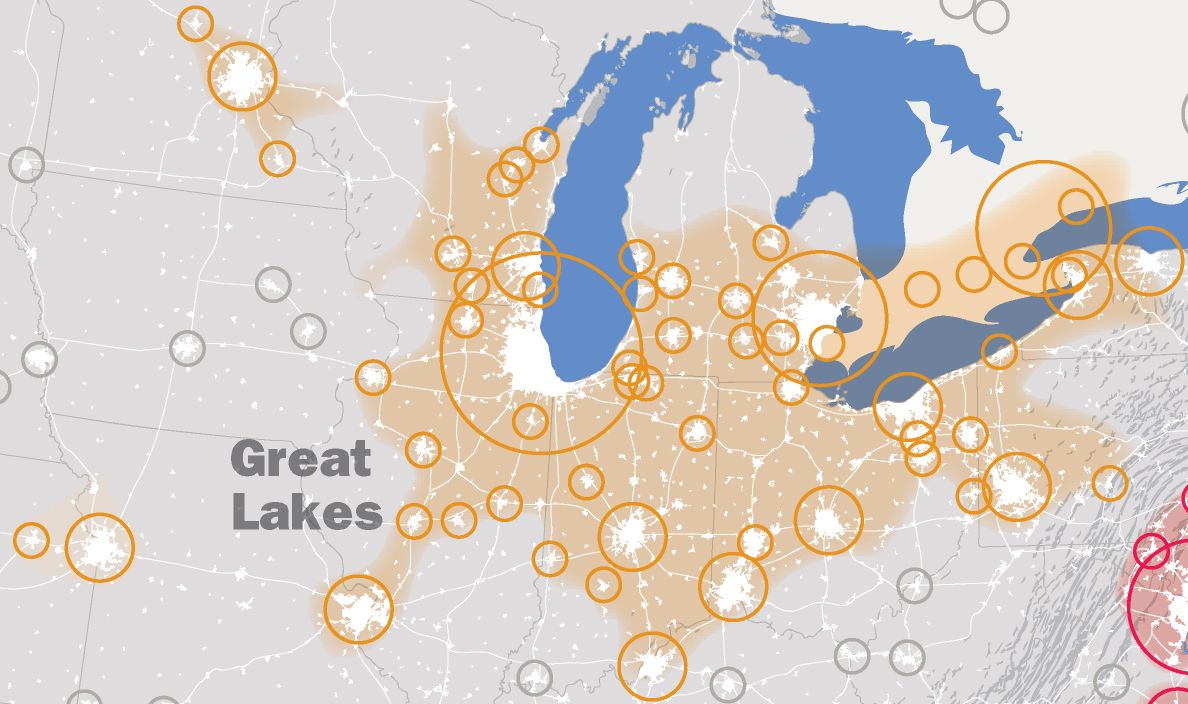
According to the 2021 Canadian census, the City of Kitchener had a population of 256,885. The larger Census Metropolitan Area (CMA) of Waterloo, which includes Kitchener, Cambridge, and Waterloo, had a population of 673,910 as of year-end 2023, ranking it as the tenth-largest CMA in Canada and the fourth-largest in Ontario. Kitchener's economy has historically been driven by manufacturing, with companies like Schneider Corporation and furniture factories playing significant roles from the 19th century. In recent decades, the economy has diversified, with a strong growth in technology and innovation sectors, bolstered by the presence of the University of Waterloo and Wilfrid Laurier University in the neighbouring city. The city's strategic location within the Toronto-Waterloo Region innovation corridor has made it an attractive destination for startups and established tech firms.
Kitchener has experienced steady population growth from its early settlement to the present day. The settlement that would become Kitchener was initially known as Ebytown and later Berlin. In 1841, the population of the Township of Waterloo, which contained Berlin, was 4,424. By 1869, Berlin had a population of 3,000. At the time of the 2021 Canadian census, the City of Kitchener had a population of 256,885. The broader Census Metropolitan Area of Waterloo, which includes Kitchener, had an estimated population of 673,910 at the end of 2023.
| Year | Population or Context |
|---|---|
| 2021 | 256,885 (City of Kitchener) |
| 1869 | 3,000 (Berlin) |
| 1841 | 4,424 (Township of Waterloo) |
The Township of Waterloo had a population of 4,424 in 1841. At that time, the township contained eight grist mills and twenty saw mills. Many residents were Pennsylvania Dutch or immigrants directly from Germany and did not speak English. The city now known as Kitchener covers an area of 136.86 square kilometres. Its development from a small German settlement called Berlin to a major urban centre is reflected in its changing population and economic base.
Questions about Kitchener, Ontario
Why is Kitchener called Kitchener?
The city was originally named Berlin, reflecting its strong German settler heritage. During the First World War, rising anti-German sentiment prompted a campaign for a name change. In a 1916 referendum, citizens voted to rename the city Kitchener, in honour of British Field Marshal Lord Kitchener, who had died earlier that year. The name change was a significant moment in the city's history, marking a shift in its public identity while its German cultural roots remained influential.
What is the oldest building in Kitchener?
The oldest building in Kitchener is the Schneider Haus, a restored 1816 home built by Mennonite settler Joseph Schneider. The house is now a National Historic Site and museum located in the city's core. It represents the early Pennsylvania German architectural style and offers a glimpse into the lives of the first European settlers. Other early structures include the John Betzner and David Schoerg farmsteads on Pioneer Tower Road, built around 1830.
When did Kitchener become a city?
Kitchener, then still named Berlin, was officially designated a city on 9 June 1912. At that time, the city hall was located in a building at King and Frederick Streets that had originally been constructed as the town hall in 1869. This building served multiple civic functions before being demolished in 1924. The current Kitchener City Hall on King Street was designed by architect Bruce Kuwabara and opened in 1993.
What indigenous history is there in Kitchener?
The Kitchener area has a long history of Indigenous habitation dating back thousands of years. Archaeological sites show evidence of nomadic hunter-gatherers from the Archaic Period. By the 1300s, the Neutral Nation, an Iroquoian-speaking people, had established villages in the region. They practiced agriculture, growing corn, beans, and squash. Significant village sites have been discovered, including one in the Strasburg Creek area estimated to be 500 years old and another on Fischer-Hallman Road inhabited from roughly 1300 to 1600, where tens of thousands of artifacts have been found.
What is the relationship between Kitchener and Waterloo?
Kitchener and Waterloo are neighbouring cities within the Regional Municipality of Waterloo. They are often referred to together as Kitchener-Waterloo or K-W due to their contiguous urban area and intertwined economies. While they have separate municipal governments, they function as twin cities. Historically, Kitchener developed as an industrial and manufacturing centre, while Waterloo became known for education, insurance, and later technology, home to the University of Waterloo and Wilfrid Laurier University. The two cities share many services and cultural institutions.
What is the population of Kitchener?
As of the 2021 Canadian census, the City of Kitchener had a population of 256,885. The broader Regional Municipality of Waterloo, which includes Kitchener, had an estimated population of 673,910 at the end of 2023. This makes it the tenth largest census metropolitan area in Canada and the fourth largest in Ontario. Kitchener is one of three cities that make up the Regional Municipality of Waterloo and serves as the regional seat. The city itself covers an area of 136.86 square kilometres. Kitchener and the neighbouring city of Waterloo are often referred to together as Kitchener Waterloo, though they maintain separate municipal governments.
Sources and further reading
- Kitchener, Ontario (Wikipedia)
- City of Kitchener: Home (kitchener.ca)
- Kitchener (destinationontario.com)
- CityNews Kitchener: Breaking News, Top Local Stories (kitchener.citynews.ca)
Checked by the Your Space Hamilton desk. Last updated 2026-10-22.