Canadian Soccer Defender Derek Cornelius Hospitalized After Training Injury Ahead of Key Friendlies
Canada Soccer confirms defender Derek Cornelius suffered a non-contact lower body injury during national team training, adding to roster concerns ahead of upcoming matches against Chile, Peru and the United States.
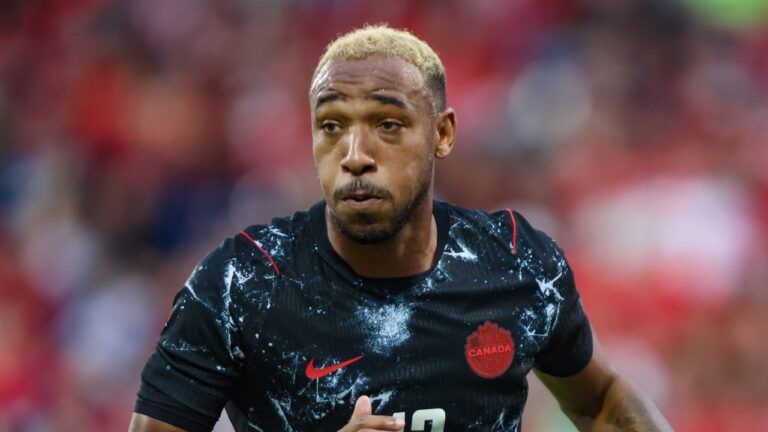
Canadian national team defender Derek Cornelius has been hospitalized after suffering a non-contact lower body injury during training with the men's soccer team on Wednesday. The 28-year-old left back, who currently plays for French Ligue 1 club Olympique de Marseille, was immediately transported to a Toronto-area medical facility where he remains under thorough assessment by team physicians. This development comes at a critical juncture as Canada prepares for three important international friendlies that mark their return to action following the historic 2026 World Cup campaign on home soil.
Nature and Implications of the Injury
Canada Soccer's official statement characterized Cornelius' injury as "non-contact," a term that carries specific implications in sports medicine. Non-contact injuries typically occur during explosive movements, sudden deceleration, or changes of direction rather than from collisions with other players. Common examples include ACL tears, hamstring strains, or ankle sprains. The immediate transportation to hospital suggests medical staff detected potential severity requiring advanced diagnostic imaging. Team officials have maintained a measured approach to public disclosure, stating updates will follow "as appropriate," reflecting standard protocols that prioritize thorough evaluation before releasing detailed information.
Compounding Personnel Challenges
The timing of Cornelius' injury exacerbates existing selection headaches for Canada's coaching staff. Earlier on Wednesday, the national team had already lost midfielder Jeevan Badwal to a hamstring injury sustained during Vancouver Whitecaps' MLS match last Saturday. These back-to-back setbacks test the squad's depth ahead of matches against Chile, Peru and the United States. Injuries to multiple players in the buildup to important fixtures present tactical complications for head coach Mauro Biello, who must now reconsider defensive pairings and midfield combinations while maintaining the team's tactical identity.
READ MORE: Maple Leafs place Steven Lorentz on waivers amid salary cap crunch
READ MORE: Major NHL roster shakeups: Bobrovsky to Leafs, Tkachuk to Panthers, Babcock returns
Critical Upcoming Fixtures
The three upcoming friendlies carry substantial importance for Canada's continued development. The September 26 match against Chile at Toronto's BMO Field offers a chance to test against South American opposition, followed by an October 3 encounter with Peru at Montreal's Saputo Stadium. The October 6 clash against the United States in St. Paul provides a crucial measuring stick against CONCACAF rivals. These matches serve multiple purposes - allowing experimentation with tactics, assessing player readiness for future competitive fixtures, and maintaining momentum following the World Cup. The absence of key players like Cornelius could force earlier-than-planned evaluations of alternative options.
Cornelius' Role and Potential Impact of Absence
Since his national team debut in 2018, Cornelius has evolved into one of Canada's most dependable defenders. His 32 international caps include appearances at both the 2022 and 2026 World Cups, highlighting his importance to the program. The left back's recent transfer to Olympique de Marseille represents a career high point following successful spells in Greece and MLS. Cornelius provides tactical flexibility with his ability to play centrally or wide in defense, combining aerial dominance with progressive passing. His absence would create gaps in both defensive solidity and build-up play that Canada's coaching staff must address through alternative solutions.
Potential Defensive Replacements
Should Cornelius be unavailable, Canada has several options to consider. Kamal Miller of the Portland Timbers offers similar versatility and international experience. CF Montréal's Joel Waterman provides another established presence, while Dominick Zator brings European club experience from Poland's Ekstraklasa. The situation may accelerate integration for younger talents like Fulham academy product Luc de Fougerolles or Colorado Rapids defender Moïse Bombito. Each alternative presents different strengths, requiring adjustments to Canada's defensive structure and playing style to compensate for Cornelius' unique skill set.
Training and Medical Considerations
The occurrence of a non-contact injury during training inevitably prompts examination of workload management. Modern soccer's demanding schedule creates constant tension between preparation and recovery. Canada Soccer's medical team will analyze factors including training intensity, surface conditions, and individual player load management in their review. The organization has emphasized their commitment to comprehensive support for Cornelius' rehabilitation, suggesting they will take a long-term view of his recovery rather than rushing him back for immediate fixtures.
Broader Context for Canadian Soccer
This injury situation emerges during a transformative period for Canadian soccer. The national team's impressive 2026 World Cup performance raised expectations and visibility for the program. Maintaining positive results in upcoming friendlies is crucial for sustaining this momentum. The current injury challenges test the program's depth, highlighting both progress in player development and remaining gaps that must be addressed to compete consistently at international level. How Canada navigates these personnel issues could provide valuable insights into the program's long-term sustainability.
Medical Evaluation and Recovery Timeline
The coming days will be critical for determining the severity of Cornelius' injury and establishing a recovery pathway. Standard protocols suggest medical staff will conduct comprehensive assessments including imaging to evaluate soft tissue and joint integrity. The absence of immediate details suggests the need for further diagnostic clarity before projecting a return timeline. Canada Soccer's medical team will likely adopt a cautious approach given the long-term importance of a player entering his prime years, balancing short-term needs against career longevity considerations.
Team Adjustments and Tactical Implications
Head coach Mauro Biello faces immediate decisions about adjusting training plans and tactical setups. The potential absence of Cornelius may necessitate changes in defensive organization, build-up patterns, and set-piece strategies where his aerial ability is particularly valuable. These friendlies now take on additional importance as opportunities to test alternative defensive configurations ahead of future competitive matches. The coaching staff must balance the desire for positive results with the need to evaluate alternative options that could be needed in future tournaments.
Looking Forward
As the Canadian soccer community awaits updates on Cornelius' condition, attention also turns to how the team adapts to these challenges. The upcoming friendlies against Chile, Peru and the United States represent valuable competitive experiences regardless of personnel availability. Positive performances could help build confidence and demonstrate the program's growing depth. For Cornelius personally, the focus remains on proper rehabilitation to ensure his continued development as one of Canada's most important defenders. The situation underscores the delicate balance between player welfare and competitive demands in international soccer.