CIBC mortgage rates tied to prime rate amid variable-rate risks
The bank's prime rate, currently 4.45 percent, directly influences variable-rate mortgage costs for borrowers.
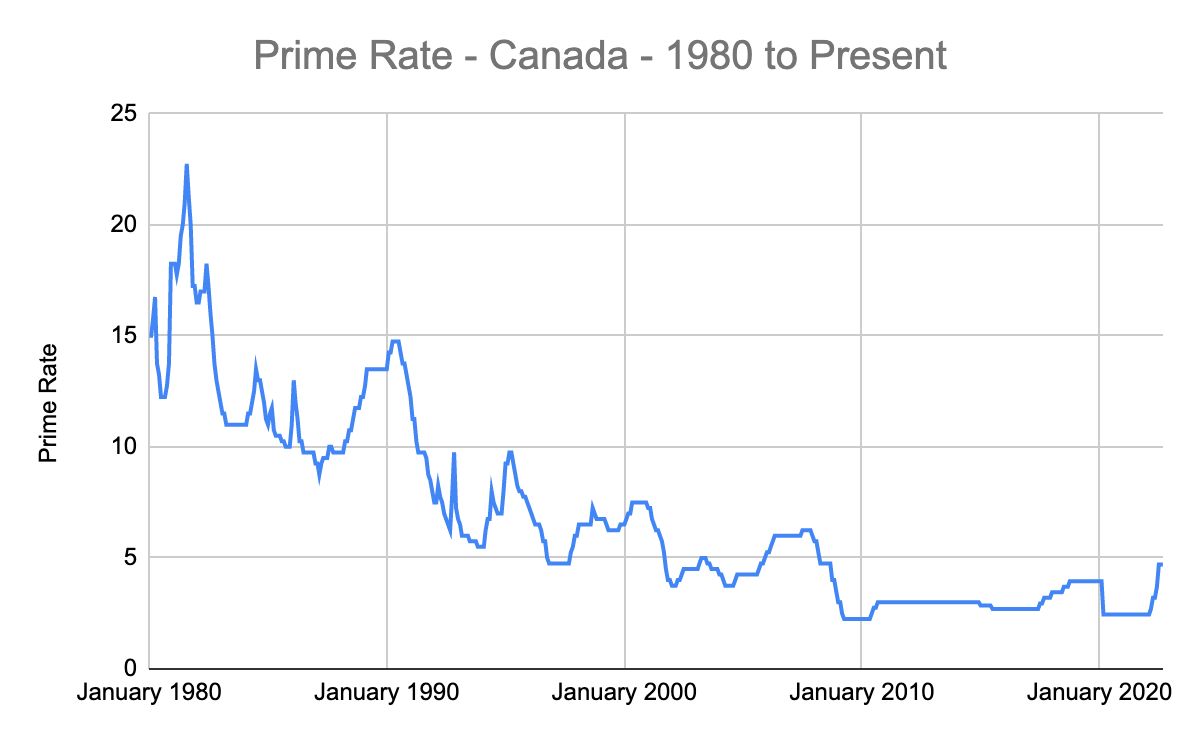
CIBC's prime rate, the basis for its variable-rate mortgages, stands at 4.45 percent as of Oct. 30, 2025.
When the Bank of Canada adjusts its overnight rate, CIBC's prime rate moves by the same amount, affecting borrowing costs for mortgages, credit cards and lines of credit.
The bank, Canada's fifth largest, held a Canadian residential mortgage portfolio of $263 billion in the second quarter of 2023.
READ MORE: Mortgage debt hits $1.97 trillion as delinquencies and fraud risks climb
READ MORE: U.S. mortgage rates hit highest level in almost three years
"You'll probably be offered a posted rate if you walk into a CIBC branch," the bank's guidance states, describing those rates as the beginning of a negotiation.
Posted rates are often higher than the special, or discounted, rates borrowers are typically offered, with theories suggesting the practice either gives borrowers satisfaction from negotiating or allows banks to charge stiffer penalties for breaking a contract.
CIBC advises customers to compare offers from other lenders and not be afraid to negotiate for a lower rate, even if offered a special rate.
A key choice for borrowers is between a fixed or variable mortgage rate.
A fixed-rate mortgage locks in an interest rate for the full term, allowing for predictable monthly payments but potentially missing out if rates fall, as refinancing to take advantage can trigger prepayment penalties.
A variable-rate mortgage fluctuates with the lender's prime rate, meaning payments can rise or fall during the term.
"Variable mortgage rates have generally been lower than fixed rates," the bank notes, but warns they are driven upward by prime rate increases during high inflation.
From March 2022 to July 2023, homeowners with variable-rate mortgages saw their rates increase by 475 basis points, or 4.75 percentage points.
"That's not a common occurrence, but it highlights the risk of taking out a variable-rate mortgage during times of economic uncertainty," the guidance states.
Borrowers must also decide between open and closed mortgages.
An open mortgage allows for increased payments or full repayment at any time without penalty but typically comes with a much higher interest rate.
A closed mortgage imposes annual limits on prepayments.
CIBC also offers a six-month, closed convertible mortgage that can be extended to a longer term without a prepayment penalty, which can be helpful if a borrower expects rates to fall soon.
When comparing rates, the bank recommends using the annual percentage rate (APR), which includes other fees, for a more accurate cost calculation.
To secure the best possible rate, CIBC suggests borrowers raise their credit score, make a larger down payment, lower their debt service ratios, shop around with other lenders and negotiate.
"Don't be afraid to ask a CIBC mortgage advisor if they can improve on the rate they've offered you," the guidance advises. "Let them know you'll be consulting other lenders before making a final decision."
With files from NerdWallet