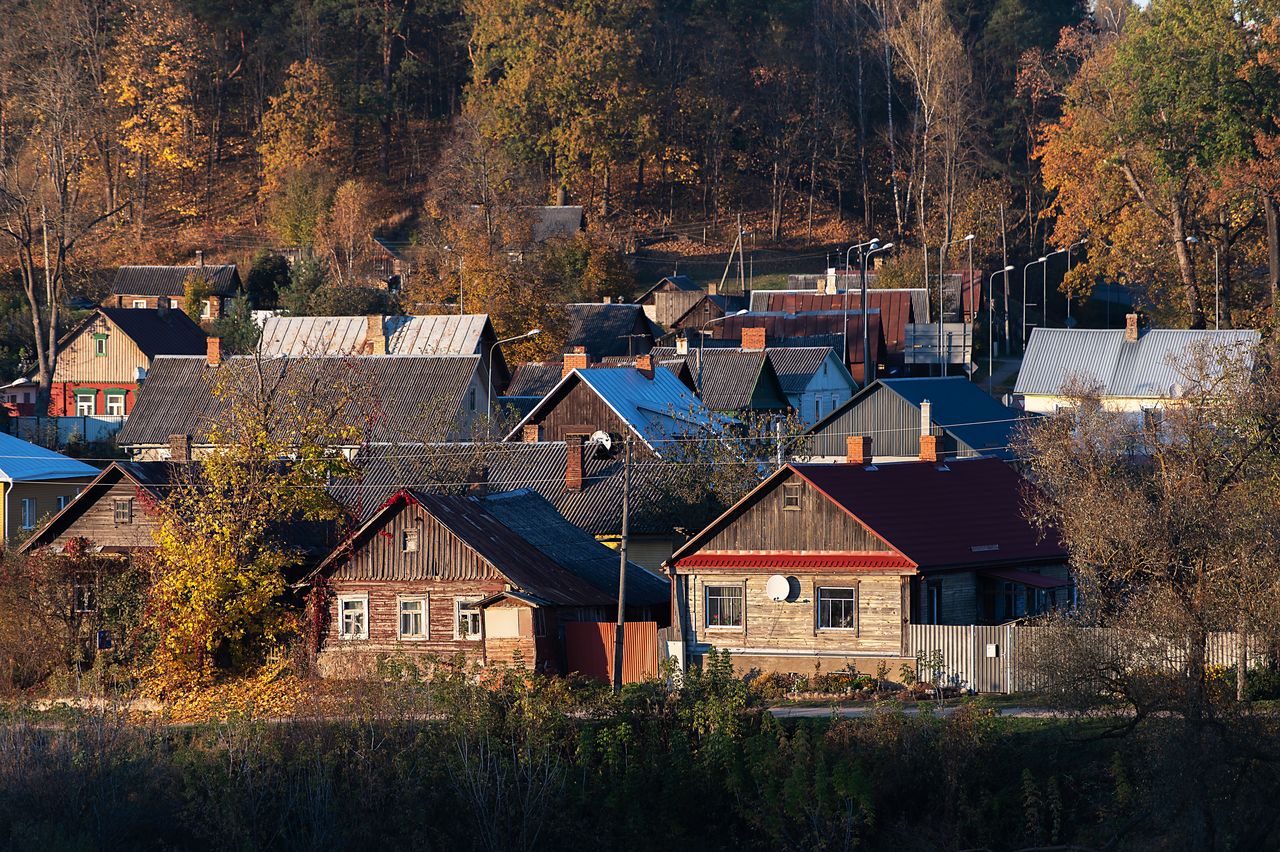
Average asking rent for two-bedroom apartments fell 3.6% in second quarter
The decline in major metropolitan areas signals a shift in the rental market, according to a report.
Average asking rent for a two-bedroom apartment across Canada's major metropolitan areas fell 3.6% year over year in the second quarter.
The decline signals a change in direction for the Canadian rental story, according to a report from The Motley Fool Canada.
"That doesn't mean the housing shortage has disappeared or apartment buildings have suddenly become terrible investments," the report said.
READ MORE: Edmonton home prices dip slightly as market cools and inventory grows
READ MORE: Nova Scotia tops Canada for highest average asking rent for fourth straight month
"It does mean investors shouldn't assume every landlord can keep raising rents at yesterday's pace."
The report suggests looking at a different kind of rent cheque, such as industrial real estate, which does not move in lockstep with apartment asking rents.
Granite Real Estate Investment Trust gives investors exposure to that side of the property market, the report said.
Granite owns 145 logistics, warehouse and industrial properties across North America and Europe, representing roughly 61.5 million square feet.
Its portfolio occupancy currently sits around 98%.
"A tenant may negotiate hard over the rent. Moving an enormous distribution operation is considerably harder than changing apartments after the lease expires," the report noted.
The REIT currently pays $0.30 per unit every month, or $3.55 annually, which is a yield of roughly 4.2%.
The payment increased from $0.28 monthly late last year.
Granite's high occupancy gives it a good starting point, and its geographic diversification also helps, as it spreads properties across six countries.
Interest rates have made things harder, as higher bond yields compete with REIT distributions and raise refinancing costs for landlords.
That pressure can create better entry points for buyers with longer horizons.
Earlier this year, Granite renewed a normal-course issuer bid allowing it to potentially repurchase up to roughly 10% of its public float if management considers the price attractive.
Industrial real estate is not immune to an economic slowdown, as a recession can reduce shipping volumes, manufacturing activity and demand for warehouse space.
Magna International also remains an important Granite tenant, creating concentration risk.
Property values can fall when capitalization rates rise, while refinancing debt at higher rates can eat into cash flow.
"That's why I'd buy gradually when buying stocks in Canada, not treat 98% occupancy as an invisibility cloak," the report advised.
The report concludes that Canadian apartment asking rents can fall while another corner of real estate remains useful.
"I wouldn't abandon residential real estate because rents cooled. I'd simply make sure my entire property investment isn't waiting for the same rent increase," the report said.
With files from The Globe and Mail and The Motley Fool Canada