Trump's $5,000 'Dividend' Proposal Requires Congressional Approval, Says House Speaker
House Speaker Mike Johnson states President Trump's plan to send $5,000 to every American adult needs congressional authorization, even as Trump insists it will happen amid economic concerns.
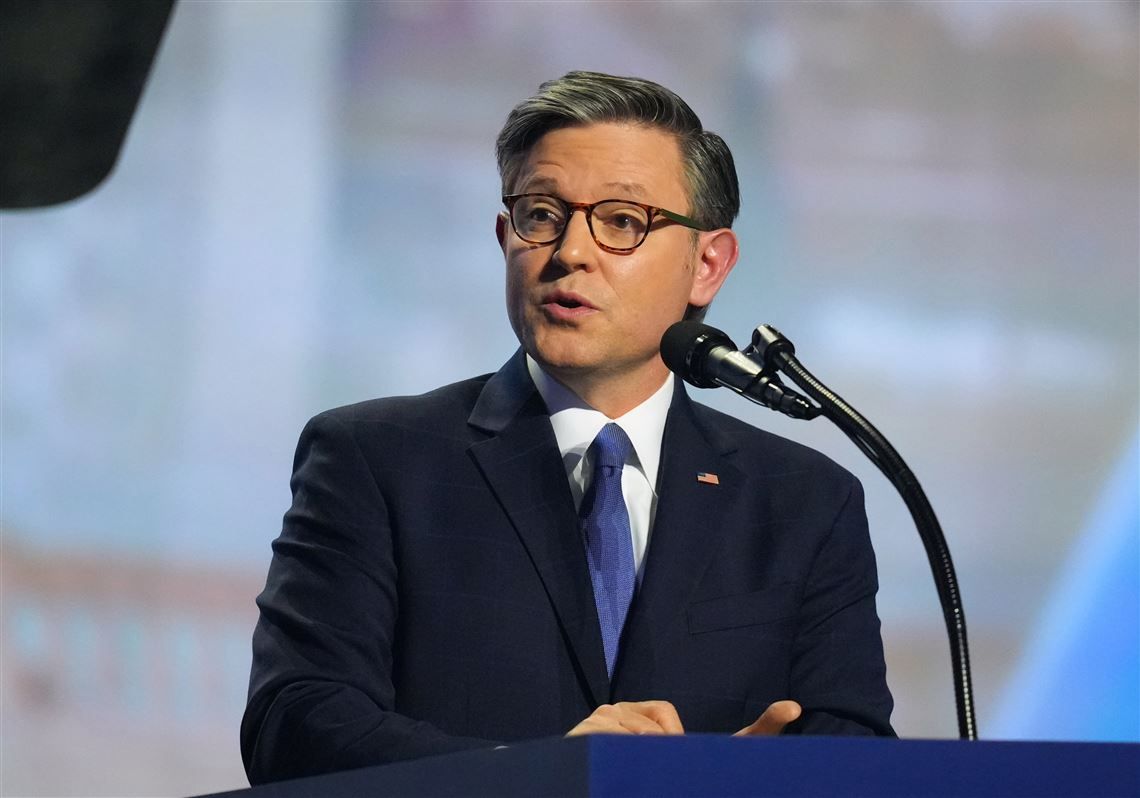
President Donald Trump's unconventional proposal to distribute $5,000 payments to every American adult if Republicans maintain control of Congress after the November election would require explicit congressional approval, House Speaker Mike Johnson clarified Sunday. This statement came as a direct response to Trump's surprise announcement during the GOP's midterm convention in Dallas, where he branded the payments as a "Trump Dividend" reward for voters.
The Proposal's Unprecedented Scale
Trump framed these direct payments as financially viable due to what he described as America's strong economic performance, telling reporters "We can easily handle that because we're taking in so much money. We've never done better." However, the president initially claimed this $1 trillion expenditure wouldn't require congressional authorization, providing no legal justification for bypassing legislative appropriations processes. This trillion-dollar proposal represents one of the largest potential direct cash injections in U.S. history, with each of approximately 200 million American adults receiving $5,000.
Congressional Constraints Emerge
Speaker Johnson immediately countered Trump's assertion about bypassing Congress during appearances on CNN's "State of the Union" and NBC's "Meet the Press." His statement "I would assume, yes, he'd need Congress to act, and that's a creative idea" underscored constitutional spending requirements while diplomatically acknowledging the proposal's novelty. Despite recognizing the legislative hurdles, Johnson committed to pursuing the plan, calling Trump the "big ideas president" and promising to "find consensus on that like they have to do everything else" given the GOP's narrow congressional majority.
Economic Implications and Risks
Economists warn this massive proposed expenditure would significantly strain the federal budget, which already operates with a $1.8 trillion annual deficit. The potential inflationary impact raises particular concern as the economy contends with persistent inflation and rising interest rates. Consumer sentiment remains weak due to multiple factors including gasoline price increases tied to tensions with Iran and wage growth failing to match inflation rates. These economic conditions create a challenging backdrop for such a substantial fiscal intervention that could further destabilize markets.
Political Context and Public Sentiment
The proposal surfaces amid declining presidential approval ratings, with only 33% of U.S. adults approving of Trump's job performance according to July AP-NORC polling data. This represents a drop from 42% at his presidency's start and continues a downward trend from 37% in June. The same poll shows majority disapproval of his handling of key issues like economy and immigration that were central to his 2024 campaign. The timing suggests an election-year strategy to motivate Republican voters ahead of midterms, though its practical implementation remains uncertain given these declining approval numbers.
Trump's Defiant Assurance
Despite mounting questions about feasibility, Trump emphatically reaffirmed his commitment to the payments while in Ireland attending a golf tournament at his resort. His statement to reporters "The 5,000's going to happen, 100%" demonstrated characteristic confidence. He simultaneously predicted gas prices would "drop like a rock" without detailing plans to resolve the Iran conflict affecting energy markets, creating parallel economic promises with unclear pathways to fulfillment as tensions continue in the Strait of Hormuz.
Constitutional and Practical Considerations
The proposal raises fundamental questions about separation of powers, as the Constitution grants Congress authority over federal spending. Legal scholars emphasize that such massive direct payments would typically require legislative appropriation regardless of economic conditions. The practical challenges include handling congressional procedures with slim Republican majorities while addressing concerns from fiscal conservatives about deficit spending, particularly given the existing budget shortfall.
Broader Political Strategy
Political analysts view this proposal as part of a broader midterm strategy to energize Republican voters through direct economic promises. The approach mirrors some pandemic-era stimulus measures but differs fundamentally by tying payments to electoral outcomes rather than economic emergency. This creates a precedent where political results directly determine financial benefits to citizens, potentially reshaping voter expectations and campaign promises in future elections as candidates may feel pressured to offer similar financial incentives.
Economic Reality Check
While Trump cites strong economic performance as enabling these payments, current indicators present a mixed picture. The combination of high inflation, rising interest rates, and global economic uncertainty complicates any massive new spending initiative. Economists note that unlike pandemic stimulus which addressed specific economic shutdowns, this proposal lacks a clear economic trigger or targeting mechanism, potentially magnifying its inflationary impact during an already fragile economic period of slowed wage growth and consumer pessimism.
Implementation Timeline and Process
The conditional nature of the payments, dependent on Republican electoral success in November, creates a compressed timeline for potential implementation. Even if approved, such a massive distribution system would require significant bureaucratic coordination between Treasury, IRS, and other agencies. This raises questions about the practical feasibility of rapid disbursement, especially given historical challenges with large-scale government payment programs and the lack of existing infrastructure for such universal distribution.
Historical Precedents and Comparisons
The proposed $5,000 payments would dwarf most previous direct payment initiatives in U.S. history, exceeding even the largest pandemic relief checks. Unlike those emergency measures tied to specific crises, this proposal represents an unprecedented peacetime transfer with political rather than economic justification. Analysts note this breaks new ground in linking personal financial benefits directly to electoral outcomes, a approach more commonly associated with developing democracies than established Western governments.