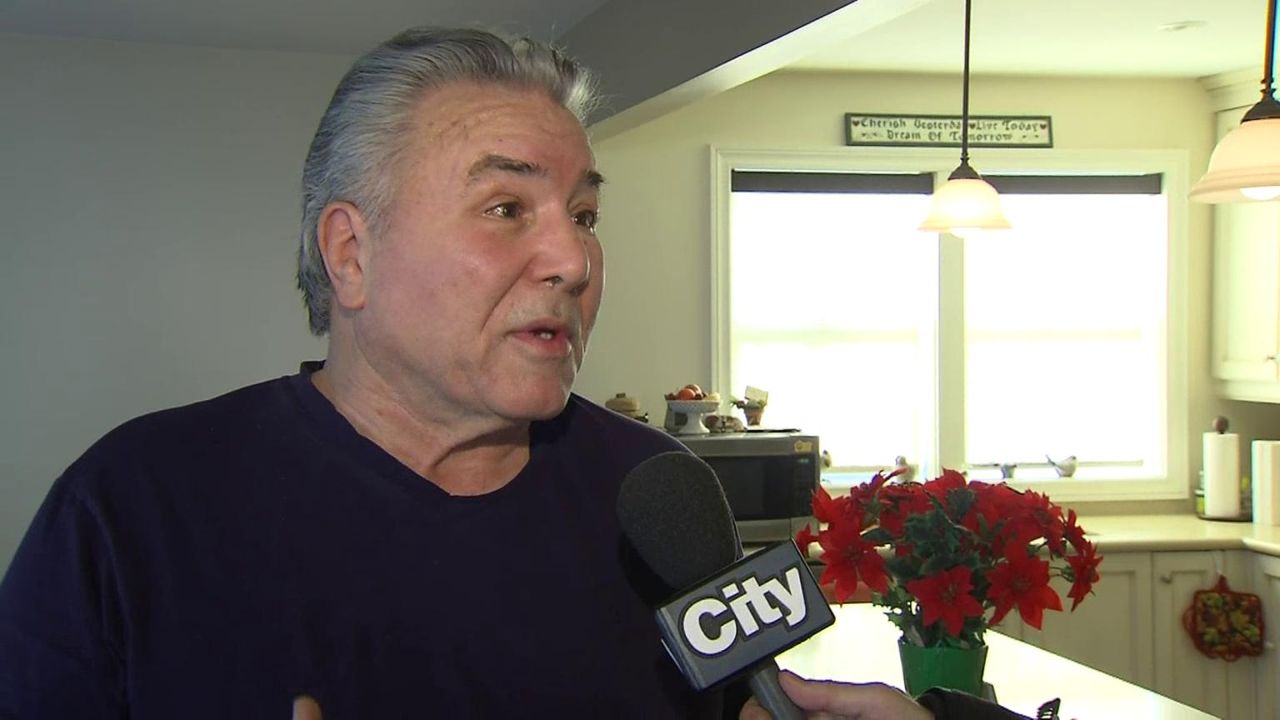
Canadian boxing legend George Chuvalo, the heavyweight who never went down, dies at 89
George Chuvalo, the indomitable Canadian heavyweight boxer who famously fought Muhammad Ali twice and was never knocked down in his 93-fight career, has died at age 89. The Toronto-born fighter became a national icon for his legendary toughness against boxing's greatest champions.
The Iron-Chinned Champion
George Chuvalo, whose granite chin and relentless fighting style made him one of Canada's most celebrated athletes, has died at 89. The Toronto-born heavyweight compiled a remarkable 73-18-2 professional record with 64 knockouts during a career that spanned 22 years from 1956 to 1978. What set Chuvalo apart wasn't just his impressive win total, but his extraordinary durability - he was never knocked down in 93 professional bouts, a statistic that remains unparalleled in heavyweight boxing history.
The World Boxing Council paid tribute to Chuvalo, calling him
"Canada's greatest warrior" with "an indelible legacy in the sweet science, defined by his unrelenting courage and legendary iron chin."WBC President Mauricio Sulaimán extended condolences, noting how Chuvalo's reputation for toughness transcended national boundaries in the boxing world.
Defining Battles With Ali
Chuvalo's career became forever linked to his two epic encounters with Muhammad Ali - first in 1966 at Toronto's Maple Leaf Gardens and again in 1972 at Vancouver's Pacific Coliseum. Though he lost both decisions, Chuvalo earned something more valuable than victories: the respect of boxing's greatest showman. Ali would later call Chuvalo
"the toughest guy he ever fought,"high praise from a man who faced Joe Frazier, George Foreman and Sonny Liston.
The 1966 bout became a masterclass in perseverance as Chuvalo absorbed Ali's lightning-fast combinations for 15 brutal rounds while constantly pressing forward. Chuvalo recalled
"It took all of about 30 seconds for me to realize he was the fastest fighter I'd ever seen,"yet he adapted his strategy to focus on punishing Ali's body in clinches. The fight's aftermath became part of boxing lore - while Ali required hospital treatment for internal bleeding, Chuvalo went dancing with his wife, demonstrating the physical resilience that defined his career.
Rise From Humble Beginnings
Chuvalo's journey to boxing immortality began in Toronto's working-class neighborhoods. The son of a chicken plucker and cattle skinner discovered boxing through The Ring magazine and began training at a local church at age 10. His natural talent became evident when he won the Canadian amateur heavyweight title at just 17 years old. Faced with economic realities, Chuvalo made the pragmatic decision to turn professional rather than compete at the 1956 Melbourne Olympics, noting
"It didn't make economic sense"to remain amateur.
As a professional, Chuvalo dominated Canadian heavyweight boxing for nearly two decades, becoming a five-time national champion during an era when the title still carried significant prestige. His manager Irving Ungerman, whose family owned Royce Poultry Packers where Chuvalo's mother worked, helped guide his career to international prominence.
Against the Golden Age Heavyweights
Chuvalo's resume reads like a who's who of boxing's golden era. Beyond Ali, he faced nine opponents at Madison Square Garden including Joe Frazier, George Foreman and Floyd Patterson. His 1965 bloody war with Patterson earned Fight of the Year honors from The Ring magazine, cementing Chuvalo's reputation as a must-see action fighter. Though he compiled a 3-6 record in those high-profile Garden bouts, Chuvalo took pride in never being knocked down, even when fights were stopped due to cuts against Frazier and Foreman.
Chuvalo often joked about the one great heavyweight who eluded him, telling The Ring
"The only guy I really missed was Sonny Liston, because when I signed to fight him he'd been dead for a week."He also expressed frustration at never getting a Commonwealth title shot against England's Henry Cooper, believing Canadian boxing officials failed to advocate sufficiently for him.
The Final Bell
Chuvalo's career came to a fitting conclusion in 1978 when, at age 41, he defended his Canadian title with a second-round TKO of George Jerome at Toronto's St. Lawrence Market. The $7,500 purse highlighted the financial realities of boxing's journeymen, even for national champions. His matter-of-fact description of the bout -
"It was just another night at the office"- typified his blue-collar approach to the sport.
In retirement, Chuvalo reflected on his career in his 2013 autobiography "Chuvalo: A Fighter's Life," writing
"I'll be remembered as a guy who fought the best of his time, beat a lot of them and lost to some others."He took particular pride in his knockout total surpassing legends like Joe Louis and Jack Dempsey, and in never requiring a referee's count.
Triumph and Tragedy Outside the Ring
Chuvalo's life outside boxing contained both great warmth and unimaginable sorrow. Known for his gregarious personality and storytelling, he became a beloved figure in Canadian sports. Yet he endured personal losses that would have broken lesser men - the deaths of three sons and his first wife Lynne to drugs and suicide. The fighter who withstood Ali's best punches once said
"If you added up every punch I ever took and then multiplied the total by 10,000, it wouldn't begin to equal the pain of losing them."
Channeling his grief into prevention, Chuvalo became a powerful advocate against drug abuse, sharing his family's tragic story with youth groups across Canada. This work added a profound dimension to his public legacy beyond his boxing achievements.
Enduring Legacy
George Chuvalo's significance extends beyond boxing statistics or championship belts. Former heavyweight champion Lennox Lewis perfectly captured his status by simply calling him an
"icon,"while the Canada Sports Hall of Fame noted he
"gave as good as he got, and then some."In an era when heavyweight boxing captured the world's imagination, Chuvalo became Canada's enduring connection to that golden age.
More than just a tough fighter, Chuvalo embodied the resilience that defines both great athletes and survivors of profound personal tragedy. His career stands as a powerful narrative of perseverance - against elite opponents in the ring, against economic disadvantages in his youth, and against life's cruelest blows outside the ropes. While never achieving world champion status, Chuvalo earned something perhaps more lasting - the respect of his peers and the admiration of a nation for his indomitable spirit that refused to stay down, both literally and figuratively.