Iran Claims Strike on US Vessel as Middle East Tensions Escalate
Iran says it hit a US military boat in the Strait of Hormuz, while Israeli strikes in Lebanon killed four and Yemeni forces retook territory from Houthis. The developments mark a dangerous escalation across multiple Middle Eastern flashpoints following weeks of relative calm.
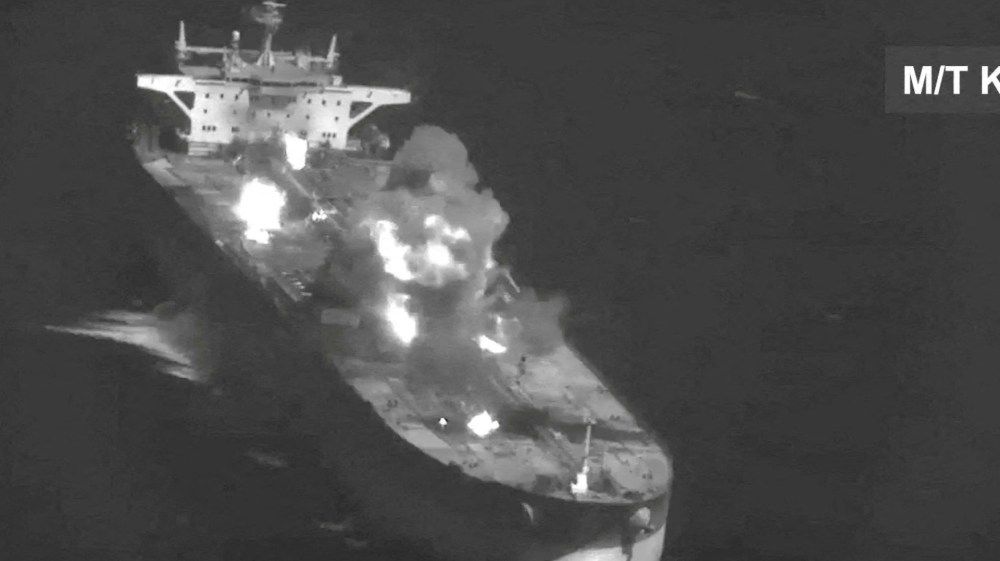
Iran has claimed responsibility for striking an unmanned US military vessel in the strategically vital Strait of Hormuz, marking a significant escalation in tensions between Tehran and Washington after approximately one month of reduced hostilities in the region. This incident occurs amid a broader pattern of renewed violence across multiple Middle Eastern conflict zones, including deadly Israeli airstrikes in Lebanon and intense fighting between Yemeni government forces and Houthi rebels.
Iran Targets US Vessel in Strategic Waterway
Iranian state media reported that their forces struck the unmanned US boat as it allegedly attempted to enter what Tehran considers a restricted area of the Strait of Hormuz on Sunday. This narrow maritime chokepoint, through which approximately 20% of global oil shipments pass, has frequently served as a flashpoint in tensions between Iran and Western nations. The waterway's critical importance to global energy supplies makes any military action there particularly consequential for international markets and geopolitical stability.
US Central Command, responsible for American military operations throughout the Middle East, has not yet confirmed or denied Iran's claims regarding the alleged strike. This reported incident follows US attacks against Iranian oil tankers on Saturday, which Washington characterized as retaliatory measures following Iranian ballistic missile launches targeting Navy warships. The exchange represents a resumption of hostilities after about four weeks of relative quiet in Persian Gulf waters.
Israeli Strikes Kill Four in Southern Lebanon
In a separate but equally volatile theater, Lebanese authorities confirmed that Israeli airstrikes killed at least four individuals and completely leveled a hospital in southern Lebanon on Sunday. The strikes concentrated on two locations: the village of Arabsalim, where two fatalities occurred, and the city of Nabatiyeh near a strategically important hill that Israeli forces secured last Thursday. According to Lebanon's Health Ministry, the attacks wounded at least twenty others, including three children and five women among the casualties.
The Israeli military stated these strikes constituted a direct response to a Hezbollah drone attack targeting Israeli troops earlier that same day. Israeli officials further alleged that Hezbollah had been utilizing the destroyed medical facility as a command center, though Lebanese sources noted the hospital stood vacant at the time of the attack as most civilians had evacuated the area due to persistent conflict conditions. This exchange highlights the fragile nature of the ceasefire between Israel and Hezbollah that has nominally held for over two months, with low-level skirmishes continuing despite the broader reduction in hostilities.
Yemeni Forces Gain Ground Against Houthis
Meanwhile in Yemen, government forces aligned with the Saudi-led coalition announced significant territorial gains against Iranian-backed Houthi rebels on Sunday. The pro-government fighters reported recapturing areas within two strategically vital western coastal provinces - Houdeida and Taiz - which control critical access points to the Red Sea and represent important logistical corridors in Yemen's protracted civil war.
The weekend witnessed particularly intense combat operations along Yemen's coastline, with Houthi forces launching three ballistic missiles at Taiz on Saturday. Yemen's official SABA news agency reported these missiles landed in proximity to civilian areas and police facilities, though initial reports indicated no immediate casualties from these particular strikes. The back-and-forth fighting demonstrates how Yemen's conflict remains deeply entrenched despite various international attempts at mediation, with both sides continuing to pursue military advantages while civilian populations bear the brunt of the violence.
Arab Nations Condemn Israeli Resettlement Proposals
A coalition of eight Muslim-majority nations including Egypt, Saudi Arabia and Jordan issued a strongly worded joint statement on Sunday condemning recent Israeli proposals to encourage Palestinian emigration from Gaza. The foreign ministers characterized these plans as "inflammatory" and warned they would constitute clear violations of international law while simultaneously undermining US-backed diplomatic efforts to de-escalate the Gaza conflict.
This diplomatic rebuke followed Israeli National Security Minister Itamar Ben-Gvir's publication of a detailed plan that included financial incentives for third countries willing to accept Palestinian emigrants. The controversy intensified after Israeli Defense Minister Israel Katz suggested Israel stood ready to facilitate Palestinian departures through various transportation methods. These statements reflect ongoing debates within Israel's political establishment about the territory's long-term future, though previous attempts to promote similar relocation schemes have gained minimal international traction.
Regional Tensions During Jewish High Holidays
As the Jewish High Holiday season commences this Friday - traditionally a period of increased travel for Jewish communities worldwide - Israel has issued updated security advisories cautioning citizens against visiting Muslim-majority nations including neighboring Jordan and Egypt. The warnings specifically advise against public displays of Jewish identity such as wearing religious symbols or speaking Hebrew in open settings while abroad.
Such travel alerts have become standard procedure during periods of raised regional tensions or major Jewish observances. The current warnings reflect security assessments that the convergence of religious holidays with renewed military confrontations across multiple fronts creates potentially heightened risks for Israeli travelers. These precautions underscore how regional conflicts frequently spill beyond immediate combat zones to affect civilian populations and international relations more broadly.
The Broader Strategic Context
The nearly simultaneous escalation of hostilities across multiple Middle Eastern theaters reveals the underlying fragility of recent ceasefire agreements and the persistent potential for regional conflict expansion. While none of the individual incidents represent decisive strategic shifts on their own, their collective occurrence strongly suggests a breakdown in the uneasy stalemate that had prevailed since June.
The alleged targeting of a US vessel by Iran, if verified, would mark a particularly dangerous development in the long-running shadow conflict between Washington and Tehran in the Persian Gulf's strategic waterways. Maritime confrontations in these confined shipping lanes carry inherent risks of rapid escalation given the vital economic interests at stake. Similarly, the renewed violence along the Israel-Lebanon border threatens to unravel the delicate understanding between Israel and Hezbollah that has prevented full-scale war since last summer. These interconnected developments demonstrate how localized conflicts in the Middle East frequently influence and exacerbate one another, creating complex challenges for international diplomacy and conflict resolution efforts.