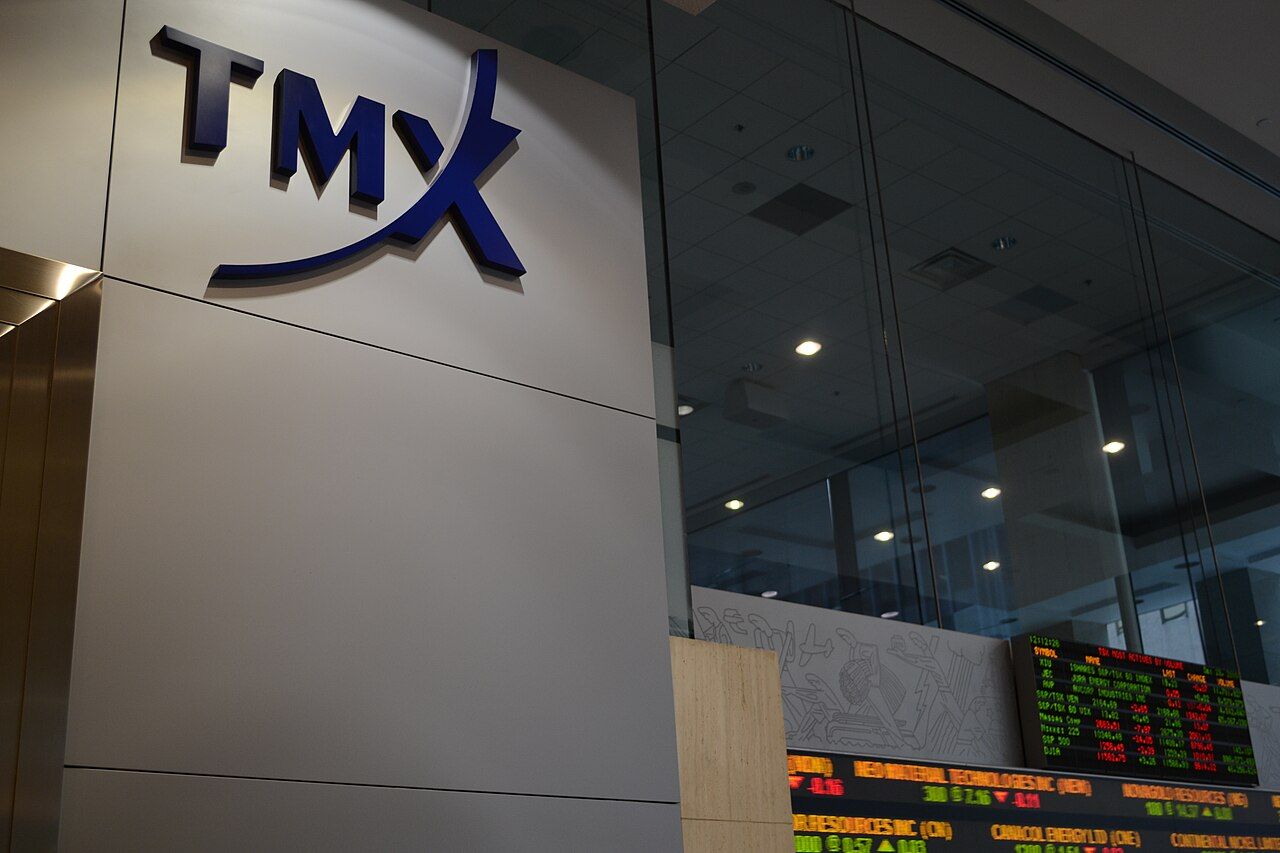
TMX Group considers launching prediction markets in Canada
The Toronto Stock Exchange parent company said client demand would determine its approach to the event-based contracts.
NEW YORK · TMX Group, which owns the Toronto Stock Exchange, is exploring the launch of prediction markets in Canada. Chief Financial Officer David Arnold said the company could replicate products being developed by the US exchange operator Members Exchange (MEMX). He told Bloomberg that client demand would ultimately guide TMX's strategy. "I think that is something that we could replicate in Canada," Arnold said at the Bloomberg Canadian Finance Conference.
MEMX has asked regulators for permission to offer binary contracts based on corporate earnings. These yes-or-no contracts would let traders bet on whether a company will exceed analyst expectations. Arnold suggested these products could serve as a model for TMX if Canadian investors show interest. The potential move would add event-based trading to the offerings of a major established exchange.
TMX is also deepening its connection to MEMX through a planned merger with BOX Options Market. The deal, announced in July, would create a new US exchange group valued at about US$2.3 billion. TMX is expected to own approximately 59 percent of the combined business. The transaction is slated to close in the second half of 2027, subject to regulatory approvals.
READ MORE: SBC Summit Lisbon 2026 opens with record attendance and Michael Jordan keynote
READ MORE: EDGE Markets projects $2 billion in NFL season transactions
As part of the deal, TMX will contribute around US$800 million in cash and its existing stake in BOX. The resulting company would run three US-listed options exchanges, an equities exchange and a market technology business. This investment gives TMX a direct link to US developments in event-based trading products like prediction markets. Access to prediction markets in Canada currently faces a patchwork of provincial regulations. The platform Polymarket is restricted in Ontario, Alberta, British Columbia and Quebec. In Ontario, it agreed to a two-year ban on short-term binary contracts as part of a settlement with the Ontario Securities Commission.
Another platform, Kalshi, entered the Canadian market through a partnership with Wealthsimple, regulated by the Canadian Investment Regulatory Organization. Its Canadian offerings are more limited than in the US, focusing on economic forecasts, environmental outcomes and financial indicators instead of short-term sports or political events. Arnold also commented on potential changes to trading hours, saying TMX could extend sessions if investors demand it. "If there is enough demand, we will be very, very quick to follow suit," he told Bloomberg. He expressed doubt, however, that sufficient demand currently exists for longer trading hours in some Canadian equities. Established financial operators are increasingly looking at prediction markets. In May, Polymarket partnered with Nasdaq Private Market to launch contracts tied to private company events like valuation milestones and initial public offerings. Nasdaq Private Market provides the official data used to settle those contracts.