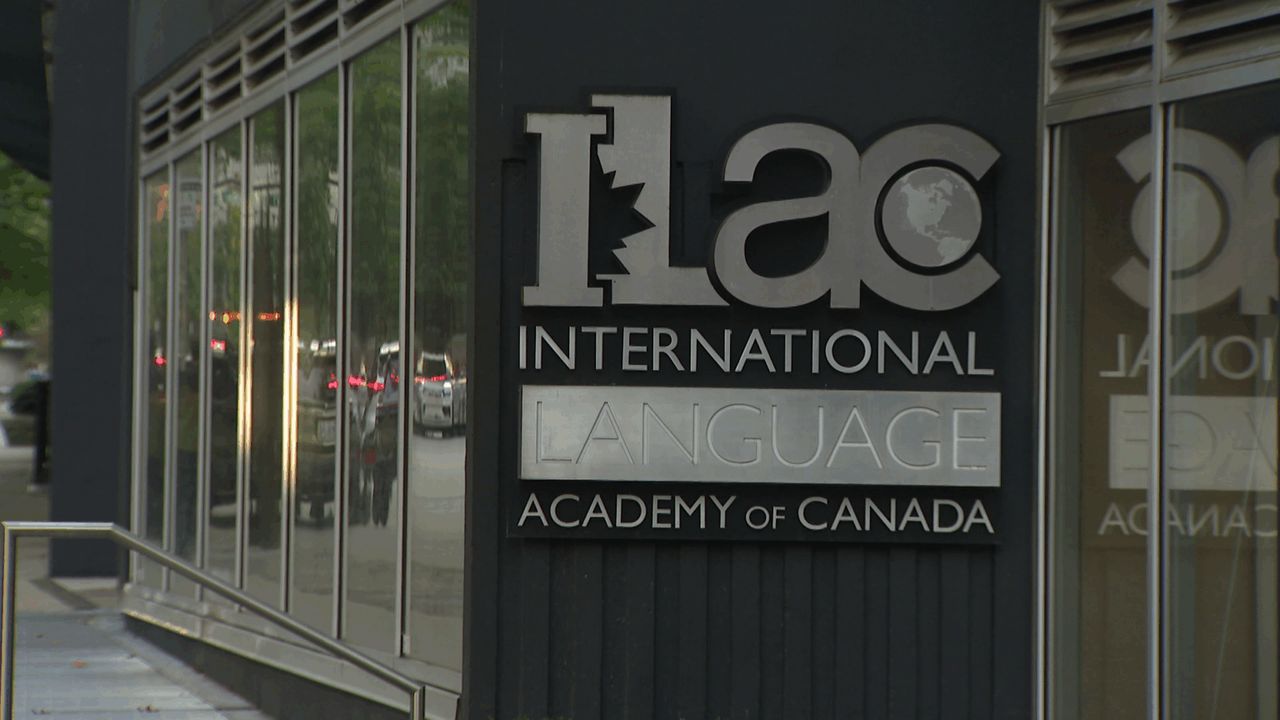
International students left in limbo as Toronto's ILAC school abruptly closes amid bankruptcy
Dozens of international students face uncertainty after the sudden bankruptcy closure of ILAC, a Toronto-based private language school, leaving families out thousands in tuition and without clear education pathways.
The sudden bankruptcy closure of Toronto's International Language Academy of Canada (ILAC) has created an educational crisis for international students who relied on the institution for language training and academic preparation. The private school, which operated multiple campuses across Canada, ceased operations without warning on September 18, citing three years of accumulating financial challenges that ultimately proved insurmountable. This abrupt shutdown has left students stranded mid-program with no immediate path to recover tuition or continue their education.
Student dreams shattered overnight
Nikita Emelinov's story illustrates the human impact of ILAC's collapse. The 17-year-old moved from Russia last year specifically to attend the school, arriving with no English language skills. Through ILAC's programs, he had made significant progress and had just begun Grade 11 when the closure email arrived.
"My feeling was so sad. And actually, I don't know what it will be tomorrow, what I'm doing. I need to go to another school,"Emelinov told CityNews. His educational plans to become a car mechanic in Canada are now in jeopardy, with his family's $20,000 investment potentially lost.
Financial devastation for families
The monetary consequences for international families are severe. For the Emelinovs, the tuition represents an enormous sacrifice. Emelinov's sister Anna explained the Russian context:
"But when you look at the salaries back in Russia, you would understand that that is probably 10 years of work there."Many international students face similar situations where Canadian tuition costs represent life savings or extended family investments. Without ILAC's promised education, these families have limited options to recover funds through the bankruptcy process being managed by trustee KPMG Canada.
READ MORE: Major Canadian Language School ILAC Closes After Bankruptcy Filing
READ MORE: Ajax parents demand action as students endure grueling 2-hour bus commutes to specialized program
Immigration status compounds challenges
International students face unique barriers after ILAC's closure. Unlike domestic students who could transfer to public schools, those on study visas have restricted enrollment options. Emelinov's situation is particularly difficult because without permanent residency or a new school acceptance, he cannot legally attend public school in Ontario. This creates a catch-22 where students need school acceptance to maintain status, but need status to be accepted at schools.
Broken trust in Canadian education
Anna Emelinov, who also attended ILAC before its collapse, expressed the emotional betrayal felt by students and families:
"We had so much trust to it. I was studying there I know a lot of friends and teachers who were also connected to that school but now they just left us with nothing."Many students chose Canada specifically for ILAC's programs, believing in the institution's stability and Canada's reputation for quality education. The sudden closure without contingency plans has damaged this trust.
Policy changes contribute to collapse
ILAC's leadership pointed to federal immigration policy shifts as a factor in their financial troubles. In a statement, the CEO noted
"Limits on international students means fewer people can access the education and opportunities we were built to provide."This refers to Canada's 2026-2028 Immigration Levels Plan that reduced study permits from nearly 300,000 in 2024 to under 115,000 in 2025, with further reductions expected. While intended to address housing and infrastructure pressures, these changes created instability for institutions dependent on international enrollment.
Lack of systemic protections
The ILAC case reveals significant gaps in protections for international students at private institutions. There appear to be no safeguards ensuring continuity of education or tuition protection when schools fail. Students are left to handle complex systems alone, as Anna Emelinov described:
"We're trying to get as much help from immigration agents or from just people who face the same problems in the past."The absence of coordinated government or institutional support compounds the difficulties for displaced students.
Urgent need for solutions
Time is critical for affected students like Nikita Emelinov, whose educational progress and immigration status hang in the balance. His sister articulated the pressing need:
"I wish they could just help us to find a new school, either private or public, enrol him there and give him an opportunity to study because right now when the school is closed, he's just losing his time."Each day without resolution means lost learning opportunities and mounting stress for students and families who invested everything in Canadian education.
Broader implications for international education
ILAC's collapse raises important questions about oversight and accountability in Canada's international education sector. The case demonstrates how private institutions serving global students can fail suddenly without adequate protections for those affected. It also shows how immigration policy changes can have unintended consequences on education providers. As Canada continues to position itself as a top destination for international students, incidents like this threaten its reputation and highlight the need for stronger safeguards.