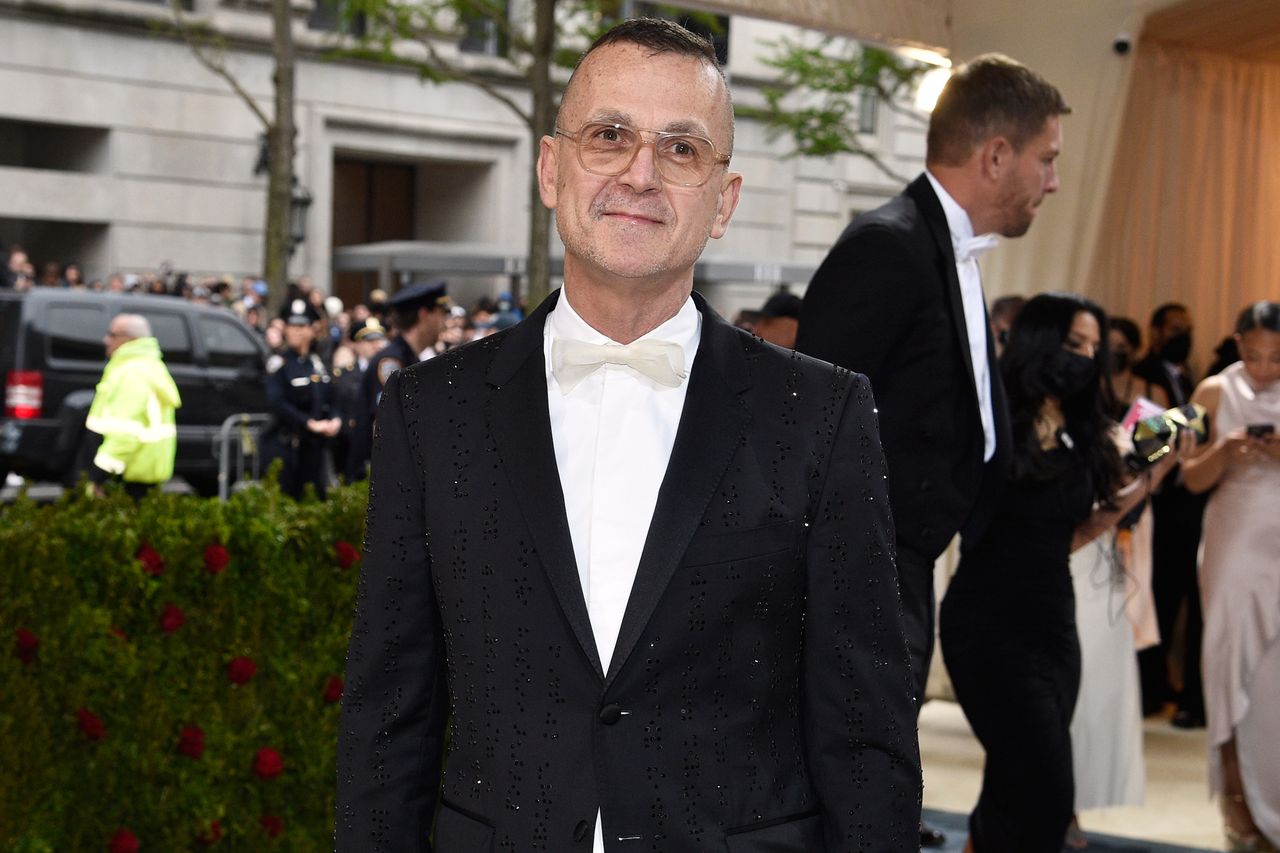
Fashion industry leader resigns after altercation with PETA protesters at New York runway show
Steven Kolb, longtime CEO of the Council of Fashion Designers of America, resigned after video showed him restraining PETA protesters at a New York fashion show, ending his 20-year tenure leading the influential trade organization.
The fashion world was rocked this week by the sudden resignation of Steven Kolb, the longtime chief executive of the Council of Fashion Designers of America (CFDA), following a physical altercation with animal rights protesters at a New York runway show. Kolb's departure marks the end of a two-decade leadership tenure at the industry's primary trade organization, triggered by viral video footage showing his controversial actions during Sunday's Cos fashion presentation.
Details of the runway confrontation
The incident unfolded during the runway show for Cos, a brand owned by retail giant H&M, when two employees of People for the Ethical Treatment of Animals attempted to disrupt the event. Video evidence clearly shows Kolb physically restraining protesters Andrija Barak and Mason Melito, including placing his hands over their mouths while using his arms and legs to block their demonstration. Barak had been shouting slogans protesting the fashion industry's use of wool when Kolb intervened directly to allow the show to continue without interruption.
This unusually physical response from a senior fashion executive rather than security personnel created immediate controversy when the footage began circulating online. The visual of a high-profile industry leader personally silencing protesters proved particularly damaging in an era where such moments spread rapidly across social media platforms.
READ MORE: Ottawa City Council Votes to Rename Trump Avenue Amid Political Tensions
READ MORE: Third Ontario education union schedules strike vote as contract talks stall
Kolb's career and abrupt resignation
Steven Kolb had served as CEO of the CFDA since 2006, making him one of the longest-serving leaders in the organization's history. Under his guidance, the CFDA solidified its position as the most influential trade association in American fashion, overseeing major industry events including New York Fashion Week. In his resignation statement released Friday, Kolb struck a reflective tone:
"I am enormously proud of what we have built together and believe this is the right moment for both me and the organization to begin a new chapter."
The CFDA's official response praised Kolb's contributions, calling him a
"dedicated leader and tireless champion of American fashion"while expressing gratitude for his decades of service. This careful wording suggests an attempt to acknowledge his accomplishments while distancing from the recent controversy.
PETA's evolving response
Moira Colley, PETA's senior director of media relations in New York, provided insight into the animal rights organization's shifting response to the incident. Initially planning to file a police report against Kolb, PETA reconsidered after legal consultation and instead opted for dialogue. The group still intends to meet with Kolb to discuss broader industry issues regarding animal-derived materials.
In their statement following Kolb's resignation, PETA acknowledged his previous role in banning fur from CFDA runway shows while pushing for further progress:
"hopefully others in the industry will meet and take meaningful steps to stop this epidemic of cruelty to animals."This suggests PETA views the incident as an opportunity to advance their agenda rather than simply condemn an individual.
Broader industry implications
The altercation highlights persistent tensions between animal rights activists and fashion leaders over materials like wool, leather, and fur. While Kolb had previously supported removing fur from CFDA events, this incident demonstrates how activists continue pushing for more comprehensive reforms regarding all animal-derived materials.
Kolb's direct physical engagement with protesters represents a departure from standard industry practice, where security teams typically handle disruptions. This personal involvement by a high-ranking executive created particularly damaging optics for an industry that carefully manages its public image.
Organizational challenges ahead
The CFDA now faces a significant leadership transition at a challenging time for the fashion industry. With no immediate successor named, the organization must find a leader capable of handling increasing pressure around sustainability and ethical production while maintaining commercial viability for member designers.
This transition comes as the industry grapples with fundamental questions about material sourcing, environmental impact, and appropriate responses to activist interventions. The next CFDA leader will need to balance these competing demands while restoring stability after this highly publicized incident.
Digital age reputational risks
Kolb's rapid fall from respected leader to resignation within days illustrates how quickly reputational damage can accumulate in the smartphone era. For fashion executives whose roles involve significant public-facing responsibilities, this incident serves as a cautionary tale about physical interactions during protests or disruptions.
The fashion industry's reliance on carefully crafted imagery makes it particularly vulnerable when unscripted moments contradict brand narratives. As activists increasingly target high-profile events, organizations may need to develop clearer protocols for handling disruptions that minimize reputational risk.
Historical context and industry trends
Kolb's tenure at the CFDA coincided with dramatic changes in the fashion landscape, from the rise of fast fashion to increasing scrutiny of production practices. His early support for removing fur from runway shows reflected growing consumer concern about animal welfare, yet this incident shows how activists continue pushing for faster, more comprehensive reforms.
The resignation also comes as many fashion houses reevaluate their relationships with animal-derived materials, with some major brands introducing vegan leather alternatives and synthetic wool replacements. Kolb's departure may accelerate these conversations within the CFDA membership.