Valero posts record ethanol output as Bolivia raises blend mandate and Maersk trials marine fuel
U.S. ethanol production and exports rose last week, while Bolivia will increase its national blend rate in 2026.
Valero Energy Corp. reported record-high ethanol production volumes and a profitable third quarter for its ethanol segment and renewable diesel joint venture. The company released its financial results on Oct. 22. The U.S. Energy Information Administration reported that fuel ethanol production in the United States expanded by nearly 3 percent for the week ending Oct. 16. Ethanol stocks also increased by nearly 3 percent, while exports grew by 9 percent.
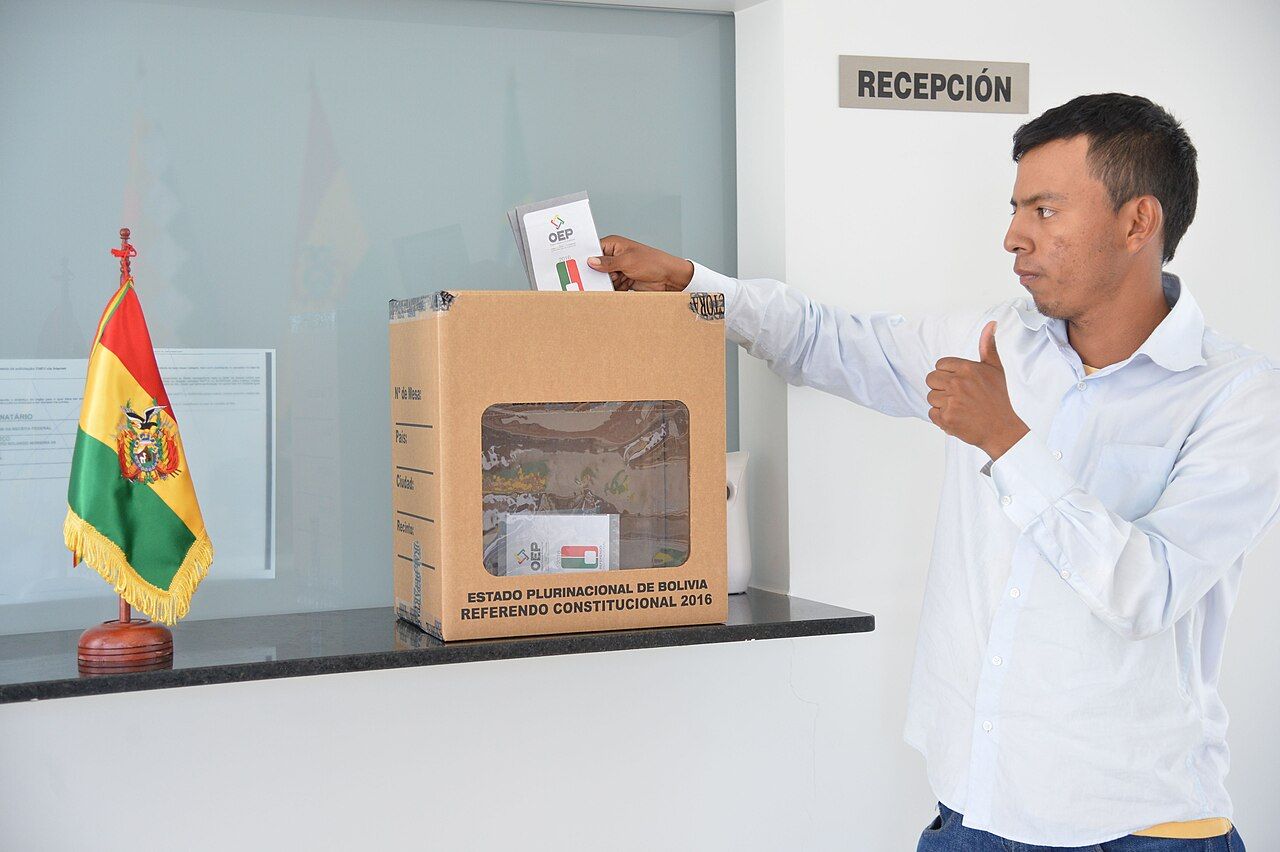
In a separate development, the government of Bolivia announced an agreement to increase the country's ethanol blend rate for gasoline. The blend will rise from the current 12 percent to 15 percent, effective Nov. 1, 2026. A further increase to 18 percent is scheduled for April 1, 2027. The announcement was made on Oct. 19.
Shipping company Maersk announced on the same day the successful ethanol bunkering of the Maersk Halifax in Singapore. The vessel is the company's first retrofitted dual-fuel ship. The operation marks the first time ethanol has been bunkered on a retrofitted vessel in Maersk's fleet. The Renewable Fuels Foundation is now offering scholarships for college students interested in attending the 2027 National Ethanol Conference. That event is scheduled for Feb. 15 to 17 in Las Vegas, Nevada.
READ MORE: B.C. parties offer scant new climate plans as election nears
READ MORE: GTA municipalities lag on climate targets despite 2019 emergency declarations
Several major industry conferences are scheduled for the coming years. The International Biomass Conference & Expo, now in its 20th year, is described as the largest gathering of biomass professionals and academics in the world. It is expected to bring together more than 1,000 attendees, 180 exhibitors and III speakers from more than 25 countries. The conference provides relevant content and unparalleled networking opportunities in a dynamic business-to-business environment.
The event is co-located with the North American Biocarbon Conference, which aims to bring together the full value chain of carbon-negative and carbon-smart technologies. By aligning biocarbon producers, biomass power generators, biochar innovators, carbon-removal buyers, project developers, and equipment providers with the broader biomass industries, this co-located experience creates unmatched cross-sector engagement. The 43rd annual International Fuel Ethanol Workshop & Expo, known as the FEW, is described as the largest, longest running ethanol conference in the world. The FEW provides the ethanol industry with cutting-edge content and unparalleled networking opportunities. The event draws more than 2,300 people from over 31 countries and from nearly every ethanol plant in the United States and Canada.
Other planned gatherings include the Sustainable Fuels Summit, a premier forum designed for producers of biodiesel, renewable diesel, and sustainable aviation fuel to learn about cutting-edge process technologies. The summit aims to push the biomass-based diesel sector beyond its current limitations. A Carbon Capture & Storage Summit will offer a comprehensive look at the economics of carbon capture and storage. The summit will examine the infrastructure required and the financial impacts to producers.
With files from Ethanol Producer Magazine