Canadian journalists reflect on triumphs and regrets 25 years after covering 9/11 attacks
Prominent Canadian journalists share their personal experiences covering the 9/11 attacks, revealing both professional achievements and lessons learned from the unprecedented event that transformed global journalism.
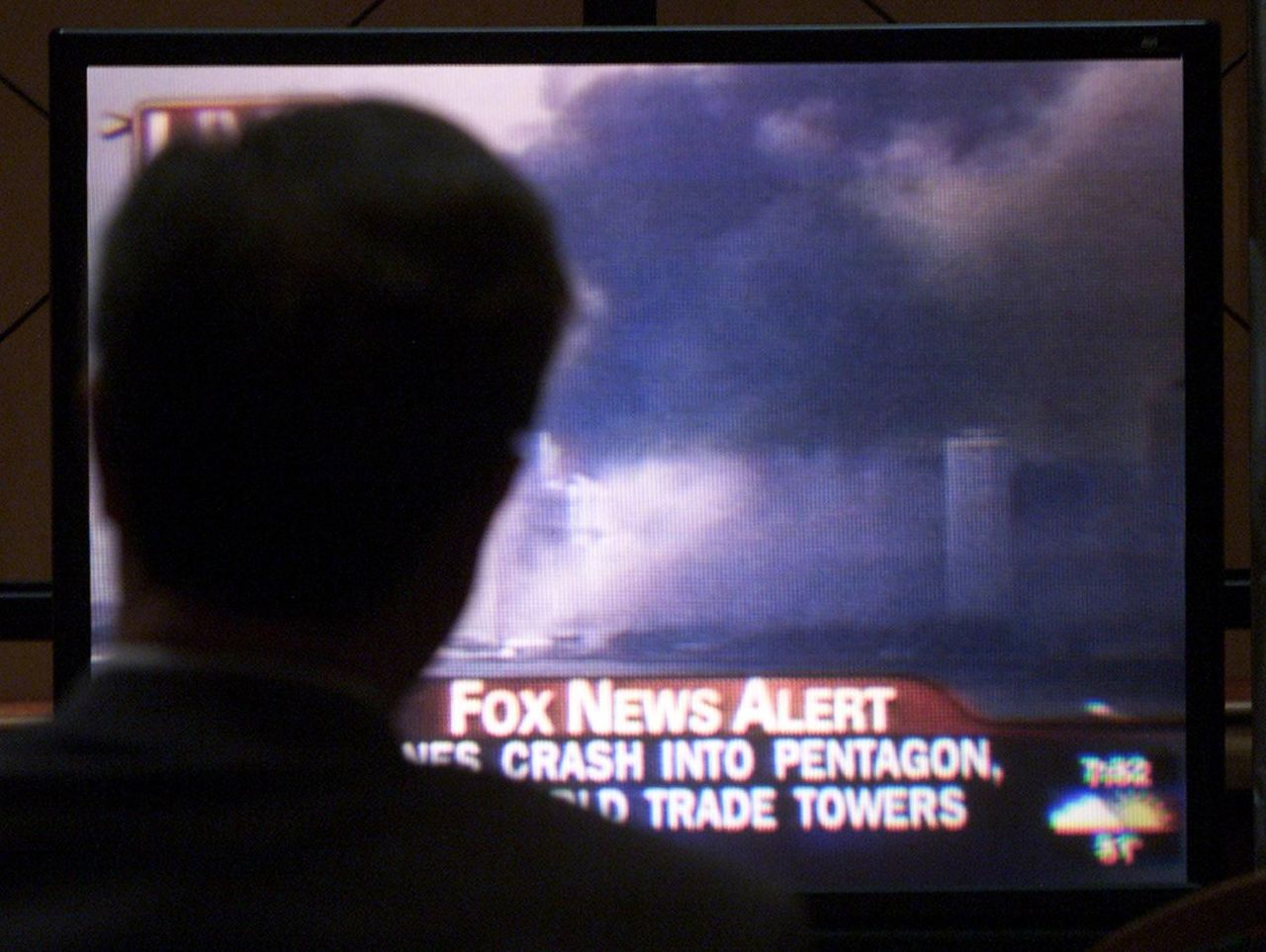
Twenty-five years after the September 11 terrorist attacks reshaped global history and security paradigms, prominent Canadian journalists are reflecting on their experiences covering the unprecedented event. From the chaotic scramble to reach Ground Zero to the lasting impacts on their profession and personal lives, these reporters witnessed history while helping the public comprehend the incomprehensible.
The desperate race to New York
Toronto Star reporter Michelle Shephard found herself among the first wave of Canadian journalists converging on New York after the attacks. As a crime reporter at the time, her instincts kicked in immediately. She barely paused to collect her passport and notebook before rushing to Pearson Airport, only to find flights grounded and television screens dark. With transportation paralyzed, Shephard and her colleagues made the pivotal decision to drive, joining a caravan of journalists and volunteers moving toward the disaster while thousands fled in the opposite direction.
Their makeshift press credentials became unexpectedly valuable. Shephard recalled her laminated Toronto Star pass "looked like it was made in someone's basement," yet this unassuming card convinced an official to grant them access to lanes reserved for emergency responders. The surreal journey culminated in an arrival after dark to a Manhattan rendered unrecognizable. The first image that stopped Shephard cold was a firefighter slumped on the ground, physically and emotionally spent from digging through rubble for survivors. Other sensory memories remain vivid decades later - the blizzard of office documents she initially mistook for a snowbank, the haunting gallery of missing persons posters covering surfaces across the city, and the persistent metallic odor that seemed to permeate everything.
"It was an entire city that was traumatized," Shephard reflected in a recent interview, capturing how the attacks transformed not just physical landscapes but collective psyches. The scale of devastation defied normal reporting protocols and personal coping mechanisms alike.
Reporting through personal and professional chaos
Shephard's experience typified how 9/11 obliterated the boundary between personal and professional lives. Her husband, fellow Star reporter Jim Rankin, had simultaneously rushed to Boston to cover the origins of the hijacked flights. In their urgent departures, neither remembered to arrange care for their new kitten - a small but telling detail about how thoroughly normal concerns were eclipsed. For three straight days, Shephard wore the same clothes, washing off toxic dust each night in hotel sinks and drying them with hair dryers each morning before returning to the devastation.
Despite the physical and emotional toll, Shephard found meaning in bearing witness. "I found solace knowing my reporting was a public service," she said, articulating the sense of mission that sustained many journalists through those harrowing days. Yet hindsight has brought professional reckonings. She acknowledges newsroom pressures to obtain emotionally charged images of grieving families reflected a less sensitive era in trauma reporting. The industry has since developed more thoughtful protocols around retraumatizing sources while still conveying the human impact of tragedy.
Shephard also noted how her early reporting on post-9/11 Islamophobia often landed in obscure newspaper sections before public consciousness caught up to the phenomenon. Her subsequent book "Decade of Fear" explored how national security policies intersected with discrimination, building on lessons from those initial underplayed stories. This arc illustrates journalism's evolving role in surfacing systemic issues that may not be immediately visible amid crisis coverage.
The marathon broadcast
While field reporters grappled with physical dangers at Ground Zero, news anchors faced different but equally daunting challenges. CBC's Peter Mansbridge was at a medical appointment when the attacks began. During his drive to headquarters, the veteran journalist mentally rehearsed core principles: "You're going to hear all kinds of things. There are going to be all kinds of rumours. You have to deal with fact." This discipline would anchor his remarkable 44-hour continuous broadcast.
The emotional magnitude only struck when Mansbridge checked messages during a brief 4 a.m. break. A voicemail from his university-student daughter said simply: "I just want you to know that I'm watching you. And I love you." This ordinary expression of familial connection became extraordinary in context. "Sometimes, when you sit in the studio, it's almost like watching a movie," Mansbridge reflected, describing the surreal disconnect of narrating catastrophe through monitors. His daughter's voice reconnected him to the human reality behind the images.
Mansbridge takes pride in CBC's marathon coverage while acknowledging imperfections. The network consciously avoided speculating about casualty counts and limited replays of plane impacts - ethical choices that seem obvious now but required real-time judgment then. Their reliance on experts to sustain continuous reporting led to one memorable misstep when an analyst presented as a retired pilot was later revealed to have fabricated his aviation credentials. Remarkably, his technical explanations proved accurate, but the incident reinforced core journalism tenets. "It was another reminder of the importance of verification in a chaotic situation," Mansbridge noted.
Ground Zero's immediate aftermath
At The Canadian Press headquarters, editor-in-chief Scott White remembers the newsroom's collective shock as they watched the second plane hit live. "It was a 'holy s, ' moment," he recalled, articulating how visceral disbelief gave way to professional mobilization. Reporters raced south fearing border closures, with the agency even reimbursing a speeding ticket incurred by a journalist rushing through Pennsylvania - a small but telling detail about the all-hands urgency.
In New York, CP journalists confronted scenes that defied preparation. They witnessed rescue workers initially celebrating what appeared to be survivors emerging from rubble, only to realize they were observing last rites. The confusion and rapid emotional whiplash epitomized how the attacks upended all norms. One reporter's panicked flight from a false alarm about another incoming plane marked the first time White genuinely feared for a colleague's life - a sobering moment that underscored the risks journalists accepted alongside first responders.
Journalism transformed
The 9/11 attacks represented a paradigm shift for journalism, testing professionals in unprecedented ways while demanding continuous coverage without playbooks or precedents. Reporters like Shephard and Mansbridge operated under extraordinary physical and psychological strain, making split-second ethical judgments that would later inform industry best practices. Their reflections 25 years later reveal hard-won insights about trauma sensitivity, verification processes, and the journalist's dual role as observer and human witness.
These accounts also demonstrate how crisis reporting has matured - from better supporting journalists' mental health to more thoughtful treatment of victims and complex social repercussions. Perhaps most significantly, this coverage shaped how Canadians understood an event that transformed global politics, security frameworks, and intercultural relations in ways still unfolding. The journalists who conveyed those first terrible images and stories performed an essential democratic service, even as they carried invisible scars from bearing witness to history's rawest moments.