Drones and electric fences deployed in Churchill to protect polar bears and people
The measures are in place as hundreds of polar bears arrive in the Manitoba town, with human-bear interactions on the rise.
CHURCHILL · Hundreds of polar bears are arriving in Churchill, Man., prompting conservationists to deploy drones and an electric fence to prevent dangerous encounters. The nonprofit Polar Bears International marks the first week of November as polar bear week, coinciding with the annual migration to the Hudson Bay coast as the animals await freezing sea ice for hunting. The number of contacts between people and polar bears has increased in recent decades because the bay now takes about one month longer to freeze than it did historically, a change attributed to climate-related sea ice loss. The organization said this delay forces the bears to spend more time on land near the community.
Geoff York, vice-president for science and policy at Polar Bears International, said the goal is to increase tolerance for people who live near the animals while keeping both safe. "One thing we really strive to do is increase tolerance for the people who live, work and recreate around bears, and for polar bears in particular, that means keeping people and bears safe when they have interactions," York said. He explained that cooler weather triggers the bears to return to the coast, leading to heightened activity. "It's pretty shocking to see a large bear, and not just one typically, but several," he added.
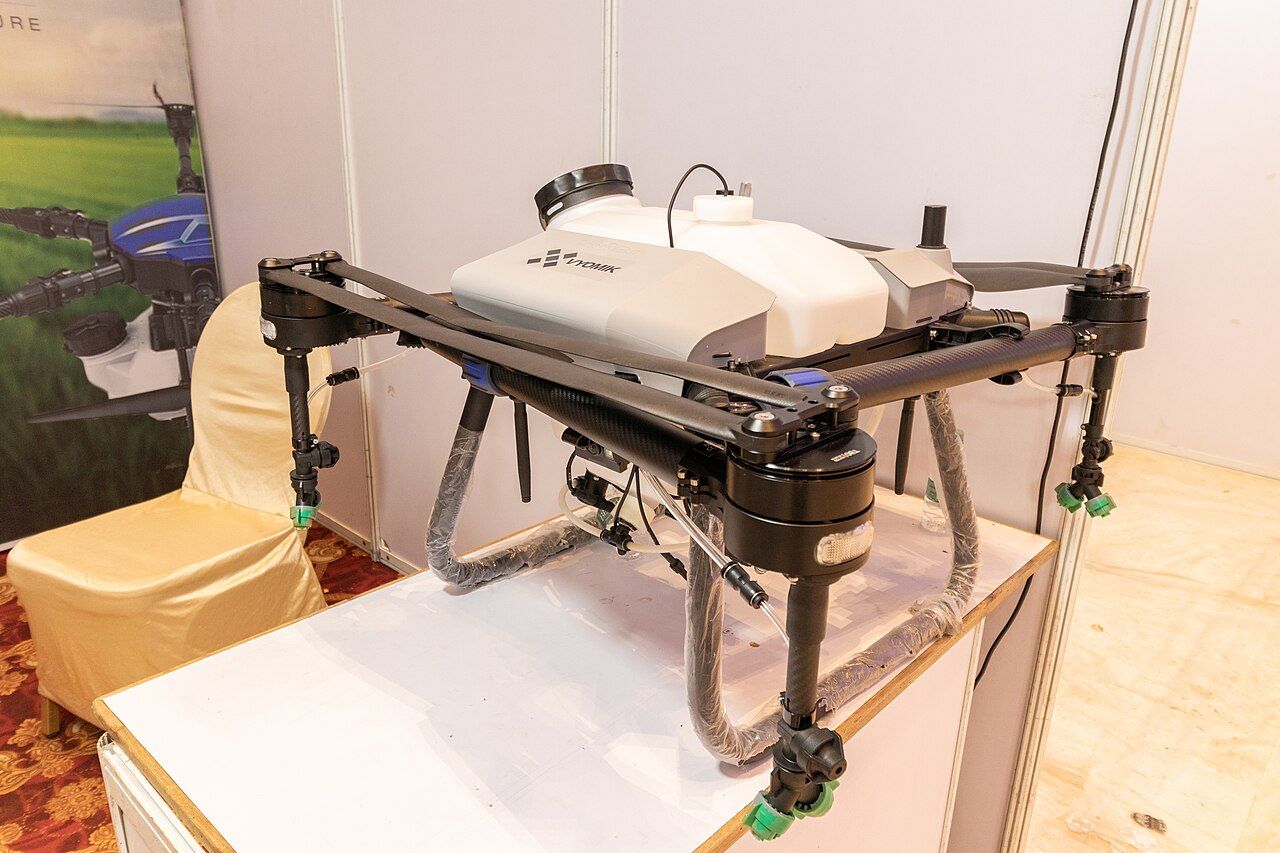
This season, the organization is collaborating with Utah's Brigham Young University to use drones for monitoring and herding bears away from risky areas. Kyle Garrett, a master's student from the university who is in Churchill, said the drone's noise acts as a scare tactic to direct the animals. "(It is) a little bit bigger than the average drone but nothing too big. And with the noise that's caused by the drone we're able to fly it towards the bears and then use the noise as kind of a scare tactic to push them in the direction we want them to go," Garrett said. He noted that based on their work so far, the drones appear to be an effective method for moving the bears.
READ MORE: Youth climate trial opens in Vancouver, arguing federal law violates charter rights
READ MORE: Youth climate trial opens with arguments over constitutional duty
Additional work has focused on the town's waste disposal site, which can attract bears. An electric fence system called "Bear-vision" has been installed, featuring a camera for early detection of polar bears near the facility. The organization described the system in a news release as "a doorbell camera that tells you if a polar bear is outside." York said these non-lethal deterrents are crucial for the long-term conservation of the polar bear population, ensuring more survive encounters with people.
York emphasized the importance of community safety for conservation efforts. "I think for the long-term conservation of any large animal, but especially a large predator, it is incumbent on those of us working in these areas making sure that the people who live with an animal like polar bears can feel safe," he said. "It's through that that we can kind of grow tolerance and make sure we can keep these large predators on the landscape, hopefully for a very long time to come." According to Polar Bears International, the western Hudson Bay polar bear subpopulation near Churchill has declined by almost half since 1979 due to sea ice loss and fewer females getting pregnant.
With files from Global News