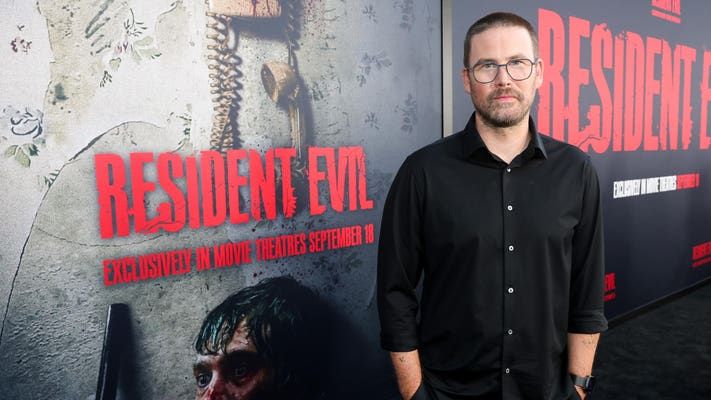
Resident Evil Reboot Shatters Franchise Records with $60 Million Opening Weekend
Zach Cregger's 'Resident Evil' reboot dominates North American box office with franchise-best debut, outperforming seven prior films in the series while revitalizing horror cinema.
Zach Cregger's bold reimagining of the Resident Evil franchise has delivered a jolt to the North American box office, earning a staggering $60 million in its opening weekend from 3,684 theaters across the U.S. and Canada. According to Sunday studio estimates from Sony Pictures, this marks not only the highest debut for any film in the video game-inspired series but also surpasses the total domestic runs of most previous franchise entries. The film's immediate success signals a major revitalization for the 24-year-old franchise and underscores horror's continued box office dominance.
A New Benchmark for the Franchise
The reboot's $60 million opening eclipses the performance of seven prior films dating back to 2002, establishing a new high-water mark for the series. Only 2010's Resident Evil: Afterlife came close with $60.1 million, though that figure hasn't been adjusted for 14 years of inflation. This achievement is particularly notable given the franchise's age and demonstrates how Cregger's fresh take has reinvigorated the property. The film follows medical courier Austin Abrams in a desperate battle against infected creatures in Raccoon City, blending survival horror with the director's signature tension-building techniques that previously propelled Barbarian and Weapons to success.
Critical and Audience Reception
With a 95% critics' score on Rotten Tomatoes, the film represents both a commercial and critical high point for the franchise. Exit polling data from PostTrak reveals key demographics driving this success: 66% male viewers and 75% under age 35, showing strong appeal to the core horror audience. The B+ CinemaScore suggests strong word-of-mouth potential, unusual for a horror property where first-weekend drops are typically steep. These metrics indicate Cregger has expanded the franchise's appeal beyond its core fanbase while maintaining the elements that made the series iconic. Austin Abrams' performance has been particularly praised, marking another successful collaboration with Cregger following their work together on Weapons.
READ MORE: Economists say homeownership bundles two decisions as stocks outpace housing
The Cregger Effect in Horror Cinema
Director Zach Cregger continues to redefine horror economics with his third consecutive box office phenomenon. His 2022 breakout Barbarian achieved a 9.2x return on investment with $46 million from a $5 million budget, while 2024's Weapons delivered $270 million globally against a $38 million budget.
"Zach Cregger is a household name in the world of horror,"said Paul Dergarabedian, Rentrak's head of marketplace trends.
"There are certain directors who become the star of the movie."This director-driven success contrasts with traditional franchise filmmaking where brand recognition typically overshadows creative voices. At a reported $75 million production budget (excluding marketing), this represents Cregger's largest-scale project to date and his first time working with established IP.
Global Horror Resurgence
The film has already justified its budget with $48.3 million from international markets, totaling $108.3 million globally in its first weekend.
"Zach Cregger plus big franchise equals big bucks,"Dergarabedian noted, highlighting how the director's vision transformed existing IP. The film arrives during a banner year for horror, with 2024's genre titles including Obsession and Backrooms contributing to a $1.1 billion domestic haul year-to-date. This performance reinforces horror's status as Hollywood's most reliable theatrical draw amid streaming dominance, particularly notable given the film's R-rating which typically limits audience size compared to PG-13 horror offerings.
Box Office Competition
Other films paled in comparison to Resident Evil's dominance. Practical Magic 2 plummeted 59% to $12.2 million in its second weekend from 4,163 theaters, with its global total reaching $76.8 million after adding $7 million internationally. Spider-Man: Brand New Day clung to third with $6.5 million in its eighth frame, pushing its domestic total to $944.5 million as it approaches the $1 billion milestone. The documentary The History of Concrete by comedian John Wilson earned $90,000 from a single New York screening at the IFC Center - the second-highest single-venue debut after Parasite's $119,407 at the same location in 2019.
Horror's Theatrical Advantage
The success of Cregger's Resident Evil underscores several key trends in contemporary cinema. Horror continues to outperform other genres in cost-to-profit ratios, with the film's $60 million domestic opening representing an 80% return on production budget in just three days. The young demographic turnout (75% under 35) proves horror's enduring relevance to newer generations, while its critical reception raises the genre's artistic standing. In an era where theatrical exclusivity grows rarer, the performance confirms that audiences will prioritize big-screen horror experiences when the creative execution warrants it, especially for films benefiting from a director's distinctive vision.
Industry Implications
Cregger's success demonstrates how visionary directors can breathe new life into aging franchises. By balancing franchise expectations with innovative storytelling, he's created a model for reboots that satisfies both studios and audiences. The film's performance may accelerate greenlights for similar high-budget, auteur-driven genre projects, particularly in the video game adaptation space which has historically struggled with critical reception. As studios increasingly rely on familiar properties to mitigate financial risk, Cregger's approach offers a blueprint: respect the source material while making bold creative choices that attract both existing fans and new audiences. With horror continuing to deliver consistent returns, this success may encourage studios to invest more heavily in original horror concepts from proven filmmakers.
The Future of Franchise Horror
This opening weekend sets several important precedents for the industry. It proves that video game adaptations can evolve beyond niche appeal when handled with creative care, that R-rated horror can achieve blockbuster numbers comparable to superhero films, and that original creative voices can thrive within established IP frameworks. The film's performance also suggests audiences are responding positively to horror that combines franchise familiarity with directorial vision, a formula that could influence how studios approach other dormant properties. With the global box office still recovering from pandemic-era disruptions, Resident Evil's strong start provides encouraging evidence that theatrical moviegoing remains robust for the right projects.