Nine Islamic Schools Nationwide on High Alert After Anonymous Email Threatens 'Slaughter' of Muslims
Police in multiple provinces are investigating hate-motivated threats against Islamic schools after a violent anonymous email targeted nine institutions across Canada, prompting heightened security and community concerns about rising Islamophobia.
Police forces across Canada are mobilizing resources to investigate a disturbing wave of threats targeting Islamic educational institutions this week. Nine schools operated by the Muslim Association of Canada (MAC) in Ontario, British Columbia and Quebec received identical anonymous emails containing explicit threats of violence against Muslim students and communities. The coordinated nature of the threats, arriving within a 24-hour period, has raised alarm among law enforcement agencies about potential organized hate activity targeting religious minorities.
The Nature of the Threats
MAC spokesperson Nabil Sultan, whose own child attends one of the affected schools, provided details about the threatening correspondence to The Canadian Press. The email, signed by a self-proclaimed "Citizen Vigilante," contained inflammatory language vowing to make Canada "Islam free" through violent means. Sultan described the message as containing specific threats of "slaughter" directed at Muslim communities. "This is the first time our schools have been targeted in such a direct and coordinated manner," Sultan noted, emphasizing the unprecedented nature of the threats against educational institutions serving children.
Law Enforcement Response
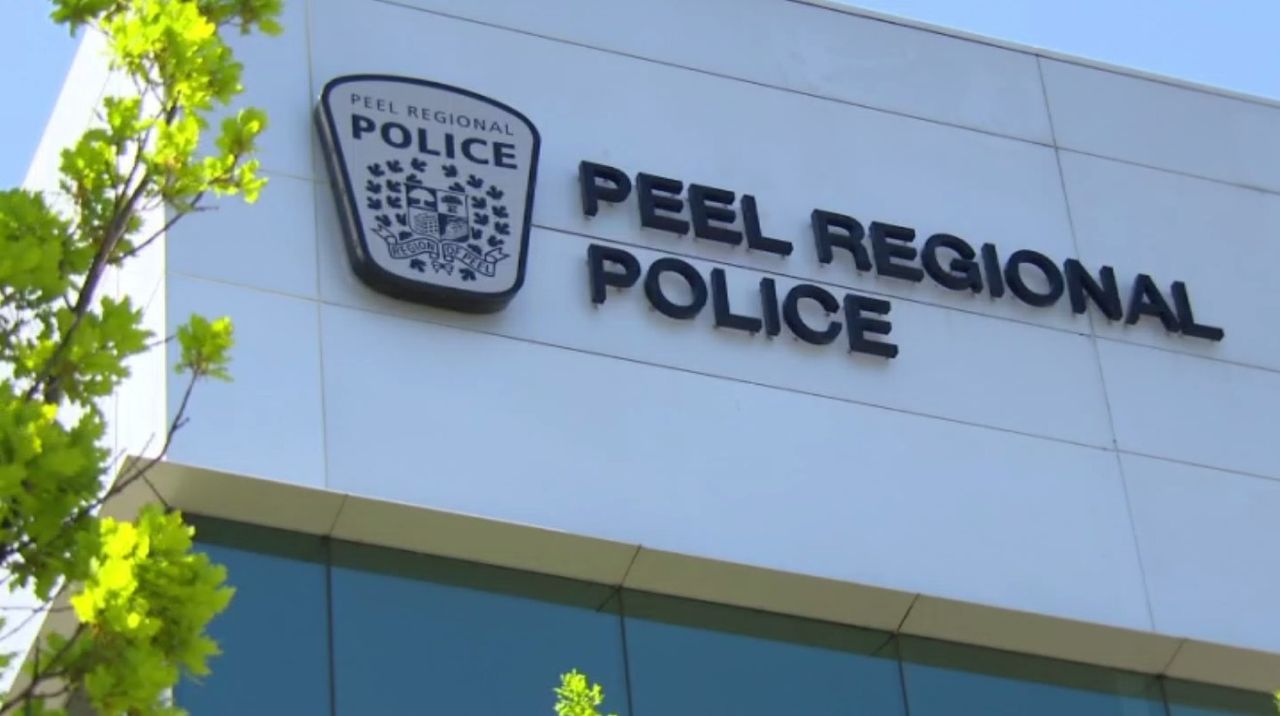
Police services across multiple jurisdictions have launched parallel investigations into the hate-motivated threats. In Ontario's Peel Region, authorities confirmed they were aware of letters "containing hate-motivated threats" against Islamic institutions and have implemented increased police patrols near mosques and schools, with these security measures continuing through the weekend. The Peel Regional Police hate crime unit has taken lead on the investigation in their jurisdiction.
READ MORE: Ajax parents demand action as students endure grueling 2-hour bus commutes to specialized program
Waterloo Regional Police reported conducting in-person visits to affected schools and working with administrators on safety planning protocols. Similarly, London Police Service and Ottawa Police Service confirmed they were investigating threats made to Islamic schools in their areas. Ottawa police noted they had increased visible presence at locations that received the letters but found no evidence of "specific or imminent threat" at this time.
Historical Context of Anti-Muslim Violence
The current threats emerge against a backdrop of escalating anti-Muslim violence in Canada. Sultan pointed to two particularly devastating attacks that have left deep scars on Muslim communities nationwide. The 2021 vehicular attack in London, Ontario that killed four members of the Afzaal family was officially declared an act of terrorism, marking one of the deadliest anti-Muslim attacks in Canadian history. This followed the 2017 mass shooting at Quebec City's Islamic Cultural Centre where six worshippers were killed during evening prayers.
"These threats are real, and we know that they are real," Sultan stated, his voice reflecting the trauma of communities that have repeatedly faced deadly violence. "The targeting of children, the targeting of schools, in that kind of way is something that shook us to our core." Statistics Canada data underscores this concerning trend, showing police-reported hate crimes against Muslims have surged by more than 170 percent between 2020 and 2024.
Impact on Students and Families
The psychological toll on students and families has been immediate and profound. Sultan described children arriving at school past security personnel and police officers, feeling "scared and vulnerable" in spaces meant for learning and growth. The threats have forced difficult conversations about identity and belonging within Muslim families. "All of the things that we try to teach our children in these schools is that they are equal to any other Canadian, that they have equal rights and responsibilities," Sultan explained. "Threats like this really make them question if they belong because of the way they pray and because of their faith."
In response to the threats, MAC has implemented additional security measures at all affected schools, including hiring private security personnel. Some parents have chosen to keep their children home temporarily as safety assessments continue, disrupting educational routines during what should be a period of academic focus.
Political and Community Reactions
Public Safety Minister Gary Anandasangaree issued a strong condemnation of the threats, stating he was "deeply disturbed" by the situation. "Every child deserves to learn in safety, and every family deserves to feel secure sending their child to school," Anandasangaree wrote. "These threats are unacceptable and have no place in Canada."
Sultan called for more comprehensive action to address systemic issues, arguing Canada needs to confront an "environment of Islamophobia and xenophobia" that enables threats against Muslims and other visible minorities. He emphasized that reactive security measures, while necessary, fail to address the root causes of radicalization and hate that make such threats possible.
Investigative Challenges and Legal Considerations
The coordinated nature of the threats presents unique challenges for law enforcement. While police services are handling investigations separately across jurisdictions, the identical wording of the emails suggests potential involvement of a single source or networked extremist group. Hate crime units are examining digital forensic evidence, including email metadata and potential connections to known hate groups or individuals.
Legal experts note the threats could potentially meet thresholds for several criminal charges, including uttering threats, public incitement of hatred, or mischief relating to religious property. The reference to making Canada "Islam free" echoes white supremacist rhetoric documented in previous hate crime prosecutions, raising questions about possible ideological motivations behind the threats.
Broader Societal Implications
This incident represents more than isolated acts of bigotry; it reflects systemic failures in protecting vulnerable communities from escalating hate. When educational institutions become targets of genocidal rhetoric, it signals a dangerous erosion of Canada's multicultural social fabric. The dramatic increase in anti-Muslim hate crimes demonstrates the tangible consequences of unchecked Islamophobia in public discourse and online spaces.
For Muslim families across Canada, these events create impossible choices between physical safety and full participation in public life. The targeting of schools carries particular significance, as education represents both a fundamental right and a pathway to social integration. As investigations continue, the nation faces difficult questions about how to preserve inclusive values while confronting rising extremism that threatens the safety of minority communities.