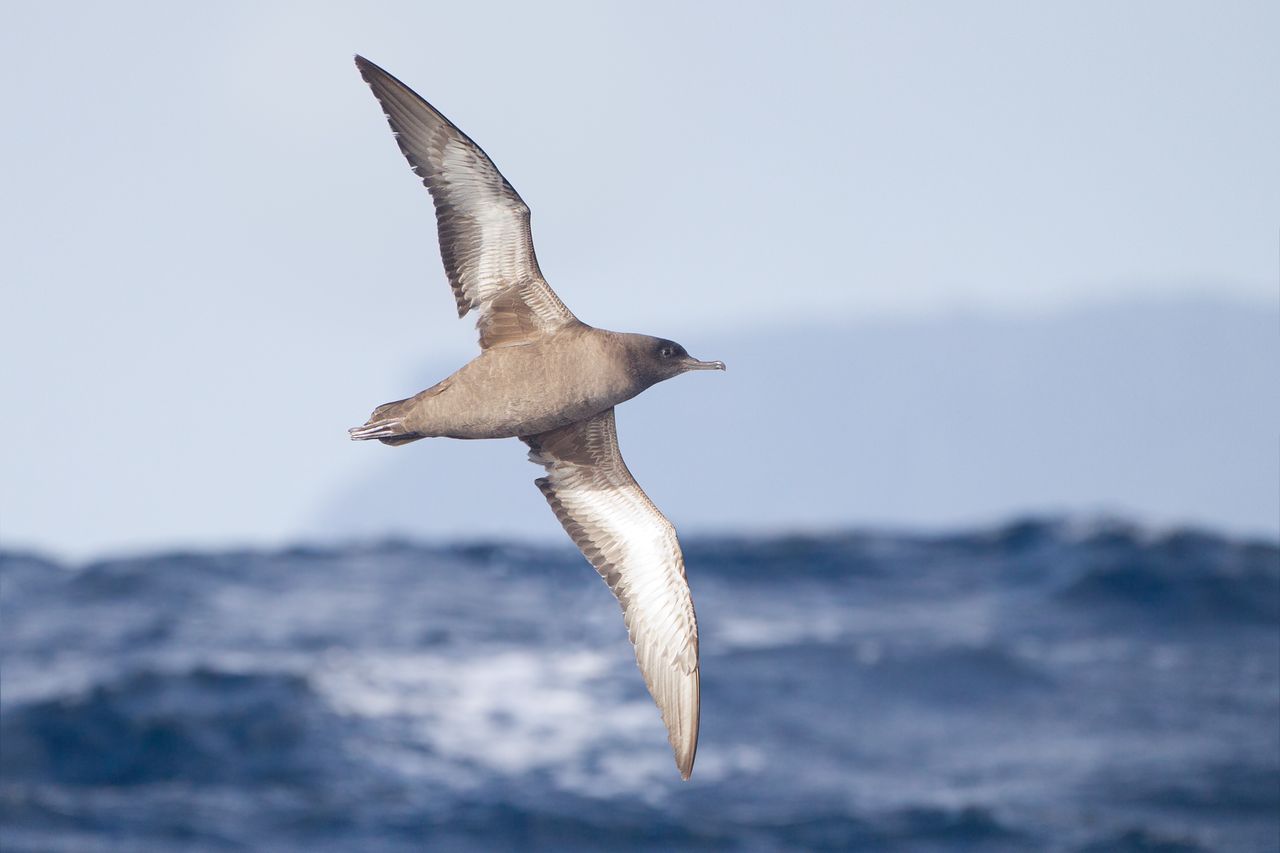
Shearwaters experience jet lag, ancient Alaskan site yields artifacts
Seabirds handling by the sun get jet lag, while a 13,800-year-old site in Alaska reveals details about early North American settlers.
Migrating seabirds that handle using the sun can experience a form of jet lag that throws them off course, according to new research. Scientists studying shearwaters discovered that as the birds travel long distances, the sun's position no longer aligns with their internal body clocks. Biologist Patrick Lewin of the University of Oxford found the birds' navigational skills are disrupted, but they seem to have evolved ways to recover quickly. The research, published in the journal Science, suggests the birds could offer inspiration for how humans might better overcome jet lag. Shearwaters can fly up to 1,000 kilometres to feeding grounds in the Atlantic.
In a separate discovery, archaeologists excavating a 13,800-year-old site in Alaska have uncovered a collection of artifacts and domestic features. The site, known as Shég’ Xdaltth’i’, sheds new light on the life and culture of hunter-gatherers who lived there near the end of the last Ice Age. Kelly Graf, an archaeologist at the University of Kansas who led the study, said this may represent the oldest habitation site in North America. The site is from a time when the Bering Land Bridge provided a passageway between mainland Russia and Alaska. The findings are published in the journal Science Advances.
Research on the health effects of spaceflight found astronauts who spend more than 90 days in space face a greater risk of hip fracture after returning to Earth. A study published in Mayo Clinic Proceedings, led by NASA biomedical scientist Jean Sibonga, found astronauts lose about one to two per cent of their bone mass per month in microgravity. On average, astronaut hip fractures occurred at a younger age and at a rate typically observed in non-astronauts eight to 16 years older. In environmental research, a whole-lake experiment showed trace levels of synthetic estrogen can have disastrous effects on fish populations. Karen Kidd, an aquatic ecotoxicologist at McMaster University, studied the impact of estrogen, like that found in hormone therapy and birth control, on bighead minnows. She found exposure made male fish more aggressive and neglectful of parental duties, leading to a population crash. The results were published in the journal Current Biology.
With files from CBC News